
The automotive advertising landscape has undergone a profound transformation over the past few decades, mirroring the broader digital revolution that has swept across industries worldwide. Traditionally, automotive advertising relied on visually striking yet passive mediumsÔÇötelevision commercials, print ads, and billboardsÔÇöthat captivated audiences with evocative imagery and persuasive messaging. However, as consumers have grown increasingly tech-savvy and demanding of personalized experiences, these static forms of advertising have begun to lose their efficacy. Enter interactive advertising: a dynamic, engaging approach that invites consumers to not just witness a brandÔÇÖs story, but to become a part of it. This shift towards interactivity represents more than just an adaptation to the digital age; it signals a fundamental reimagining of how automotive brands connect with their audiences. In an industry where the purchase journey is often lengthy and complex, interactive advertising offers a powerful tool for deepening engagement, enhancing customer experiences, and ultimately driving sales in an increasingly competitive market.
Historical Context
For much of the 20th century, automotive advertising was synonymous with the grandeur of television commercials and the glossy allure of print ads. These traditional forms of advertising played a crucial role in shaping public perception of automotive brands and their offerings. Television commercials, with their sweeping cinematography and emotive soundtracks, brought the exhilaration of driving to life in millions of living rooms. Print ads, on the other hand, offered a more contemplative experience, allowing potential buyers to pore over the details of the latest models, from sleek designs to powerful engines. Yet, despite their impact, these advertising forms were inherently limited. They were one-way communications, designed to broadcast a message rather than foster a dialogue. The success of these ads was measured by their reach and frequency, not by their ability to engage consumers on a deeper, more interactive level. As a result, while traditional advertising methods were effective in building brand awareness, they often fell short in terms of driving the kind of meaningful consumer engagement that leads to long-term loyalty and advocacy.
What is Interactive Advertising?
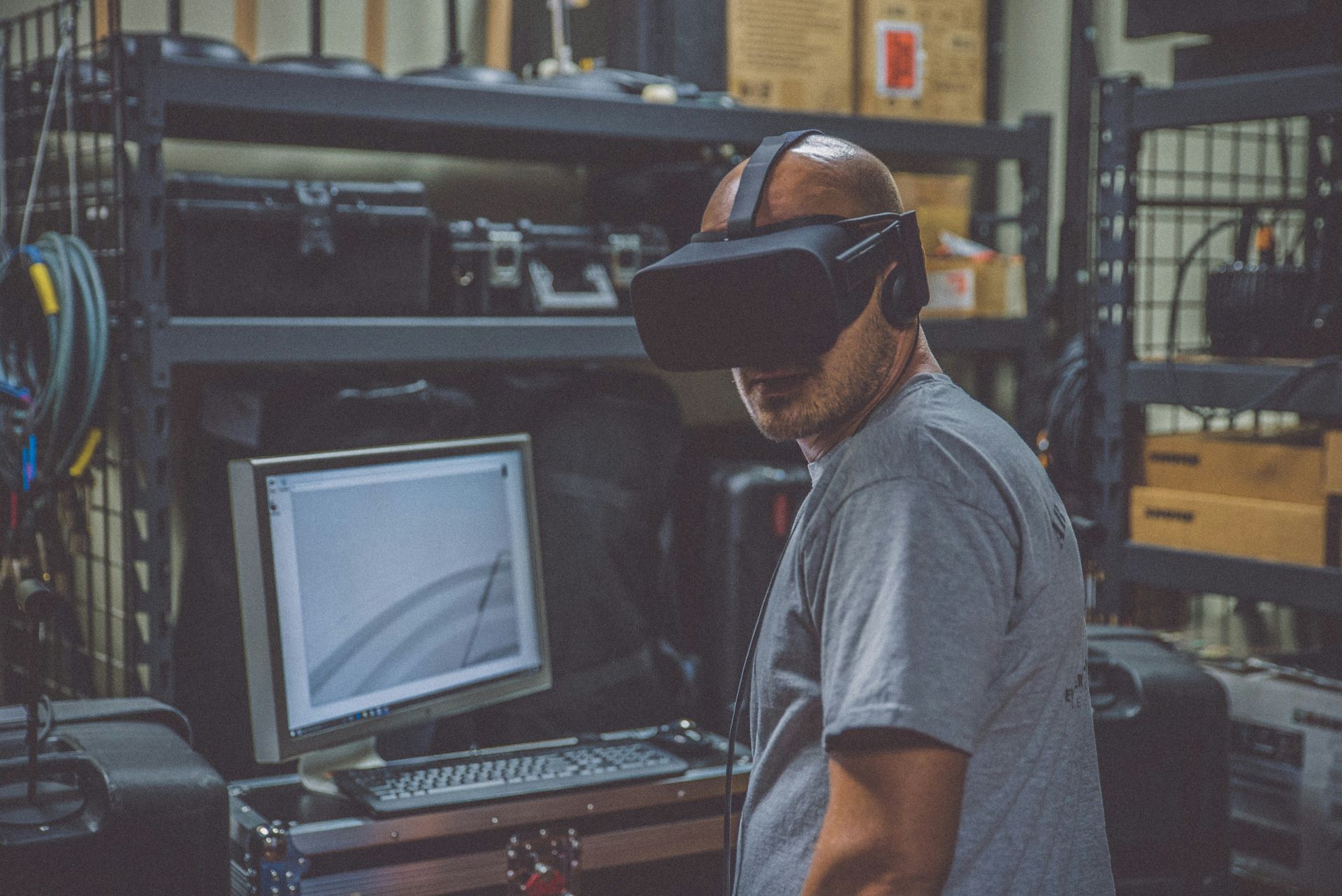
Interactive advertising represents a significant departure from the traditional, passive forms of marketing that once dominated the automotive industry. In the context of the digital age, interactive advertising refers to a wide array of techniques and technologies that enable consumers to engage directly with a brandÔÇÖs content, often in real-time. Unlike static ads, which convey a fixed message, interactive ads are dynamic and responsive, allowing users to explore, customize, and interact with the brand in ways that are personalized to their interests and preferences. This can take many forms. Augmented reality (AR) experiences, for instance, allow consumers to visualize a car in their own driveway or even customize its features in real-time through a smartphone app. Virtual reality (VR) test drives offer a fully immersive experience, transporting users into a virtual world where they can experience the thrill of driving a new model without ever leaving their home. Interactive videos and social media campaigns further blur the lines between advertising and entertainment, offering viewers the ability to choose their own narrative path or participate in challenges and contests that deepen their connection to the brand. Personalized ads, driven by sophisticated data analytics and AI algorithms, deliver content tailored to the individualÔÇÖs browsing history, preferences, and behaviors, making each interaction with the brand more relevant and engaging.
Importance of Interactive Advertising
In todayÔÇÖs digital marketplace, where consumers are bombarded with countless messages across multiple channels, capturing and sustaining their attention has become a formidable challenge. This is where the power of interactive advertising comes into play, particularly in the automotive industry, where the purchase decision process is often prolonged and heavily researched. Interactive advertising is not just a tool for grabbing attention; itÔÇÖs a means of building deeper, more meaningful connections with consumers. According to research conducted by the Interactive Advertising Bureau (IAB), interactive content is twice as likely to engage consumers compared to traditional static content. This higher level of engagement translates directly into increased conversion rates, with studies showing that interactive ads can boost purchase intent by up to 9 times compared to non-interactive ads. Moreover, interactive advertising enhances brand loyalty by creating memorable experiences that resonate with consumers on an emotional level. For automotive brands, this means not just selling cars, but fostering a deeper connection with potential buyers that can lead to repeat purchases and brand advocacy.
Engagement Strategies
Automotive brands are increasingly adopting innovative strategies to create engaging interactive advertisements that resonate with todayÔÇÖs consumers. One of the most popular methods is the use of AR car visualizers. These tools allow consumers to project a life-size image of a vehicle onto their driveway or garage, offering a realistic preview of how the car would look in their own environment. Brands like Volvo have been pioneers in this space, using AR to let users explore both the interior and exterior of their models in unprecedented detail. Another highly effective strategy is the use of VR test drives. Audi, for instance, has developed a VR experience that immerses users in a virtual driving experience, allowing them to explore the carÔÇÖs features and performance in a controlled, engaging environment. This not only enhances the pre-purchase experience but also serves as a powerful differentiator in a crowded market. Additionally, automotive brands are increasingly turning to interactive video campaigns to drive engagement. BMWÔÇÖs ÔÇ£The Small EscapeÔÇØ campaign, for example, allowed viewers to choose different paths in a narrative-driven video, leading to a highly personalized viewing experience that kept audiences engaged and invested in the story.

Technology and Tools
The creation of interactive advertisements in the automotive sector relies on a sophisticated technological ecosystem. At the forefront of this ecosystem are AR and VR platforms, which provide the immersive experiences that are at the heart of many interactive campaigns. These technologies are supported by advanced data analytics tools, which play a crucial role in understanding consumer behavior and tailoring content to individual preferences. By analyzing vast amounts of data, from browsing history to past purchases, these tools allow brands to create highly personalized advertising experiences that resonate with consumers on a deeper level. AI and machine learning further enhance this personalization by continuously optimizing ad content in real-time, based on user interactions. This not only improves the relevance of the ads but also ensures that they are delivered at the most opportune moments, maximizing their impact. Additionally, cloud-based platforms are becoming increasingly important in the deployment of interactive ads, enabling brands to deliver high-quality, seamless experiences across a wide range of devices and platforms.
Challenges and Considerations
While interactive advertising offers numerous benefits, it also presents several challenges for automotive brands. One of the primary challenges is the high cost associated with developing AR and VR experiences. These technologies require significant investment in both hardware and software, which can be a barrier, especially for smaller brands with limited budgets. Another challenge is the technical complexity of creating interactive ads that are compatible with a wide range of devices and platforms. Ensuring a smooth, consistent user experience across different operating systems, screen sizes, and network conditions can be a daunting task. Additionally, there are concerns about user privacy and data security, particularly when it comes to personalized ads that rely on collecting and analyzing large amounts of consumer data. To overcome these challenges, automotive brands should focus on scalable solutions, such as cloud-based AR tools that can be easily adapted to different devices. Partnering with technology providers can also help brands navigate the complexities of interactive ad development, while ensuring that their campaigns remain secure and compliant with data privacy regulations.
Consumer Insights
Modern automotive consumers are more informed, connected, and demanding than ever before. They expect brands to provide advertising experiences that are not only visually appealing but also highly personalized and interactive. This shift in consumer expectations is largely driven by the proliferation of digital technologies, which have made it easier for consumers to research products, compare prices, and make informed purchasing decisions. TodayÔÇÖs consumers, particularly younger generations, prefer brands that offer them opportunities to interact with products in a meaningful way before making a purchase. They want to explore different features, customize options, and even test drive vehicles virtually, all from the comfort of their own home. By catering to these preferences, automotive brands can create more engaging and memorable advertising experiences that not only attract attention but also build long-term loyalty. Understanding and responding to these consumer insights is critical for brands looking to succeed in the competitive automotive market.
Future Trends
As technology continues to evolve, the future of interactive advertising in the automotive sector looks increasingly promising. One of the most exciting emerging trends is the integration of AI with AR and VR technologies to create even more personalized and dynamic experiences. AI-driven personalization will allow brands to tailor interactive ads in real-time, based on user behavior and preferences, making each interaction more relevant and impactful. Another trend to watch is the rise of extended reality (XR), which combines AR, VR, and mixed reality (MR) to create seamless, immersive experiences that blur the lines between the physical and digital worlds. XR has the potential to revolutionize automotive advertising, offering new ways for consumers to interact with brands and products in a fully immersive environment. Additionally, advancements in 5G technology will enable faster, more reliable interactive experiences, making them more accessible to a broader audience. As these technologies continue to develop, automotive brands that embrace these trends will be well-positioned to lead the way in creating the next generation of interactive advertising experiences.
In the rapidly evolving world of automotive advertising, interactive advertising stands out as a powerful tool for engaging todayÔÇÖs tech-savvy consumers. By embracing interactive technologies, brands can create more memorable, personalized experiences that resonate with their audiences and drive stronger connections. As the case studies of Jaguar and Ford demonstrate, interactive advertising not only captures attention but also drives tangible results in terms of brand awareness, customer engagement, and sales. As we look to the future, the continued evolution of AI, AR, VR, and other technologies promises to open up even more exciting possibilities for automotive brands. Those who are able to harness these innovations effectively will be better equipped to navigate the challenges of the digital age and build lasting relationships with their customers. The future of automotive advertising is interactive, and the brands that recognize this will be the ones to thrive in the years ahead.
Breyten Odendaal
Specializing in high-performance automotive advertising and digital marketing solutions, delivering cutting-edge insights and the latest news shaping the automotive industry in South Africa.
More From Advertising

Automotive Advertising in 2026: Selling Confidence in a More Competitive Market
As South Africa’s vehicle market becomes more competitive, automotive advertising needs to do more than announce a price or specification. It needs to help buyers understand value, ownership costs and why a vehicle suits their lives.

Automotive Digital Ads in South Africa: A Shift
Exploring how South Africa’s automotive advertising evolved from print and broadcast to data-driven, programmatic digital ecosystems.

The Video Shift in Car Buying Decisions in SA
Explore how video content shapes car purchase decisions in South Africa, comparing short-form and long-form strategies for automotive marketers.