
The Rise of Influencer Marketing in Automotive
In recent years, the automotive industry has embraced influencer marketing with a mix of curiosity and caution. From luxury SUVs to electric vehicles, brands are partnering with influencers to reach audiences in ways traditional advertising canÔÇÖt. Social media platforms such as Instagram, TikTok, YouTube, and even emerging virtual spaces provide a fertile ground for storytelling that combines lifestyle, performance, and aspiration.
Influencers, by nature, offer credibility with their followers, and the most successful automotive campaigns leverage that authenticity. But alongside the potential for engagement and reach comes a unique set of risks. Misalignment between brand and influencer, public controversies, and even the perception of ÔÇ£inauthenticÔÇØ promotion can significantly impact a campaignÔÇÖs success. Understanding both sides of the coin is essential for any automotive brand considering influencer partnerships.

The Appeal of Influencer Marketing in Automotive
Automotive marketing faces the perennial challenge of balancing technical specifications with emotional appeal. Cars are not just modes of transportation; they are statements of identity, lifestyle, and status. Influencers, particularly those who embody automotive passion, provide a bridge between technical excellence and aspirational storytelling.
For brands, influencers can:
Amplify reach beyond traditional media channels.
Engage younger demographics who rely on social media for automotive content.
Showcase vehicles in real-world scenarios that resonate with audiences.
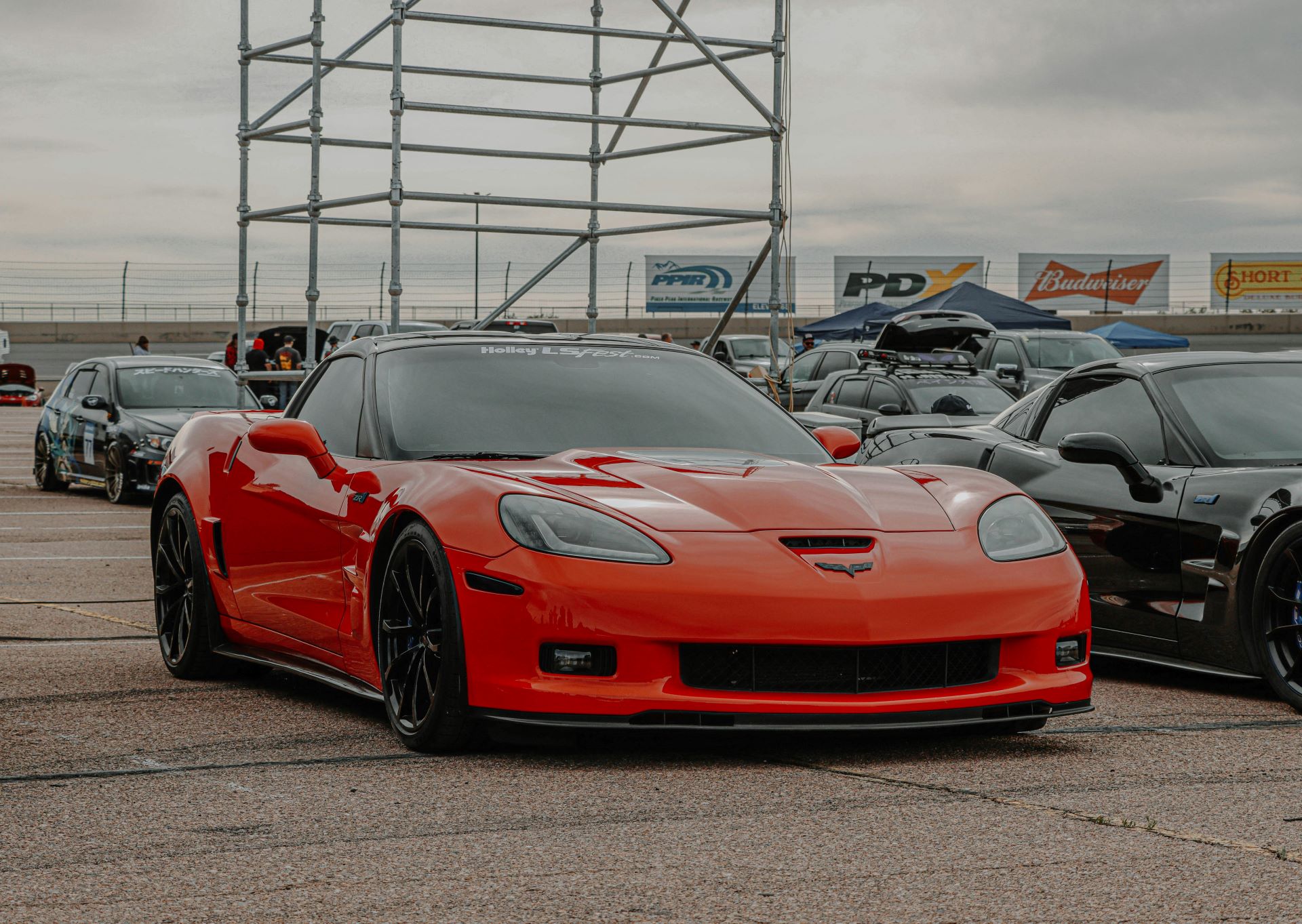
Consider a sports car brand collaborating with a popular automotive YouTuber. The influencer can demonstrate the vehicleÔÇÖs performance, design nuances, and user experience while weaving a narrative that resonates more than a conventional 30-second TV spot ever could. The content is not just informative but immersive, offering followers a glimpse into a lifestyle associated with the brand.
Risks of Influencer Marketing in Automotive
Despite its appeal, influencer marketing in the automotive sector carries unique risks. Unlike fashion or consumer electronics, vehicles are high-investment purchases and often deeply tied to personal safety and financial decisions. As such, an influencer misstep can have amplified consequences.
Misalignment with Brand Values
Not all influencers are suitable for all brands. A luxury car brand aligning with an influencer known for outrageous stunts or controversial behavior can create negative associations. Even if the influencer has millions of followers, brand reputation can suffer if their public image conflicts with the brandÔÇÖs positioning.
Oversaturation and Audience Fatigue
Automotive audiences are savvy. They can quickly identify campaigns that feel forced or purely transactional. If an influencer promotes multiple competing vehicles in a short timeframe, credibility diminishes. Oversaturation leads to audience fatigue, reducing both engagement and trust.
Regulatory and Legal Risks
Automotive campaigns are not immune to advertising regulations. Influencers must disclose paid partnerships, and claims about vehicle performance or safety features must adhere to legal standards. Failing to do so can attract scrutiny from regulators and damage both influencer and brand credibility.
Potential for Public Controversy
Influencers are human, and humans make mistakes. A misjudged social post, offensive comment, or personal scandal can spill over into brand perception. In automotive marketing, where trust and reliability are paramount, association with controversy can be particularly damaging.
Strategies for Selecting the Right Influencers
Mitigating risks begins with careful selection. Automotive brands must adopt a strategic approach when evaluating potential influencer partners.
Understanding Audience Alignment
The influencerÔÇÖs audience must reflect the brandÔÇÖs target demographic. Age, location, income level, and lifestyle all factor into effectiveness. A luxury EV brand, for example, might prioritize influencers whose followers are environmentally conscious and technologically engaged.
Evaluating Credibility and Passion
Credibility often outweigh sheer reach. An influencer who genuinely loves cars and can discuss technical features knowledgeably will resonate more than a general lifestyle influencer with a broad but less engaged following. Authenticity fosters trust, which is particularly important when discussing high-investment products like vehicles.
Assessing Past Partnerships
Reviewing an influencerÔÇÖs previous brand collaborations provides insight into potential alignment and pitfalls. Patterns of controversial behavior, frequent product hopping, or poor engagement metrics can signal risk. Conversely, a history of successful partnerships indicates reliability and professionalism.
Considering Multi-Platform Strategy
Automotive storytelling benefits from a multi-platform approach. Influencers active across YouTube, Instagram, and TikTok provide opportunities for diverse content formatsÔÇöfrom detailed vehicle reviews to immersive lifestyle narratives. Cross-platform consistency also strengthens brand messaging.
Crafting Effective Campaigns with Influencers
Once the right influencers are selected, brands must focus on campaign design. Effective influencer campaigns balance creativity with strategic oversight.
Collaborative Content Creation
Empowering influencers to craft content allows their voice to shine while maintaining brand alignment. Heavy-handed scripting often results in stiff, inauthentic messaging. Brands should set clear guidelines while encouraging creativity that resonates with the influencerÔÇÖs audience.
Leveraging Storytelling and Experiences
Automotive marketing thrives on experiential storytelling. Test drives, behind-the-scenes factory tours, and road trip narratives offer followers an emotional connection to the vehicle. Influencers can translate these experiences into shareable content that drives engagement and brand loyalty.
Integrating with Broader Marketing Efforts
Influencer campaigns should not exist in isolation. Integrating social content with paid media, events, and dealership promotions maximizes impact. For instance, influencer-generated content can complement traditional advertising or feature prominently in brand-owned channels to reinforce messaging.
Measuring Success and ROI
Tracking the effectiveness of influencer campaigns is critical. Engagement metrics, audience growth, website traffic, and lead generation all provide insight. But automotive marketing also requires deeper analysis:
Are influencer-driven campaigns translating into test drives or sales?
Is the brand sentiment improving among target demographics?
Are campaign outcomes aligned with broader marketing objectives?
Brands must combine quantitative and qualitative data to assess ROI accurately. A campaign with millions of views may still fail if it does not influence purchase decisions or enhance brand perception.
Case Studies: Lessons from the Industry
Several automotive brands have demonstrated the potential and pitfalls of influencer marketing. Luxury carmakers often collaborate with influencers to showcase lifestyle and performance, carefully curating partnerships to avoid controversies. In contrast, mass-market brands may focus on accessibility and practical features, using influencers to translate technical details into relatable content.
The key takeaway: success hinges on strategic alignment, careful selection, and ongoing oversight. Risk cannot be eliminated entirely, but thoughtful planning ensures it is managed effectively.

Balancing Risk and Reward
Influencer marketing in the automotive industry is neither a guaranteed win nor an automatic liability. Its success depends on a combination of strategic foresight, rigorous selection, and collaborative content creation. When executed thoughtfully, influencer campaigns amplify reach, deepen engagement, and humanize brands in ways traditional advertising cannot.
However, risks remainÔÇömisalignment, controversy, and audience fatigue can undermine even the most polished campaigns. Automotive marketers must weigh these risks against potential rewards, leveraging influencers as partners rather than just promotional tools.
In a market defined by aspiration, innovation, and emotional connection, influencers offer a bridge between the technical precision of automotive engineering and the human desire for identity and experience. Navigating this terrain carefully ensures that brands reap the rewards while minimizing exposure to risk.
Breyten Odendaal
Specializing in high-performance automotive advertising and digital marketing solutions, delivering cutting-edge insights and the latest news shaping the automotive industry in South Africa.
More From Advertising
Automotive Advertising in 2026: Selling Confidence in a More Competitive Market
As South Africa’s vehicle market becomes more competitive, automotive advertising needs to do more than announce a price or specification. It needs to help buyers understand value, ownership costs and why a vehicle suits their lives.

Automotive Digital Ads in South Africa: A Shift
Exploring how South Africa’s automotive advertising evolved from print and broadcast to data-driven, programmatic digital ecosystems.

The Video Shift in Car Buying Decisions in SA
Explore how video content shapes car purchase decisions in South Africa, comparing short-form and long-form strategies for automotive marketers.