
In todayÔÇÖs hyper-connected digital landscape, automotive brands no longer rely solely on traditional advertising channels to reach consumers. Television spots, print campaigns, and billboards, while still effective, are increasingly complementedÔÇöor even supplantedÔÇöby the influence of social media personalities. The rise of influencer-driven automotive campaigns represents a seismic shift in marketing strategy, where the voices of car enthusiasts and mainstream celebrities alike can shape perceptions, drive engagement, and ultimately influence purchase decisions. These campaigns have evolved beyond mere product promotion; they are now a sophisticated blend of storytelling, community engagement, and aspirational branding.
The Evolution of Automotive Influence
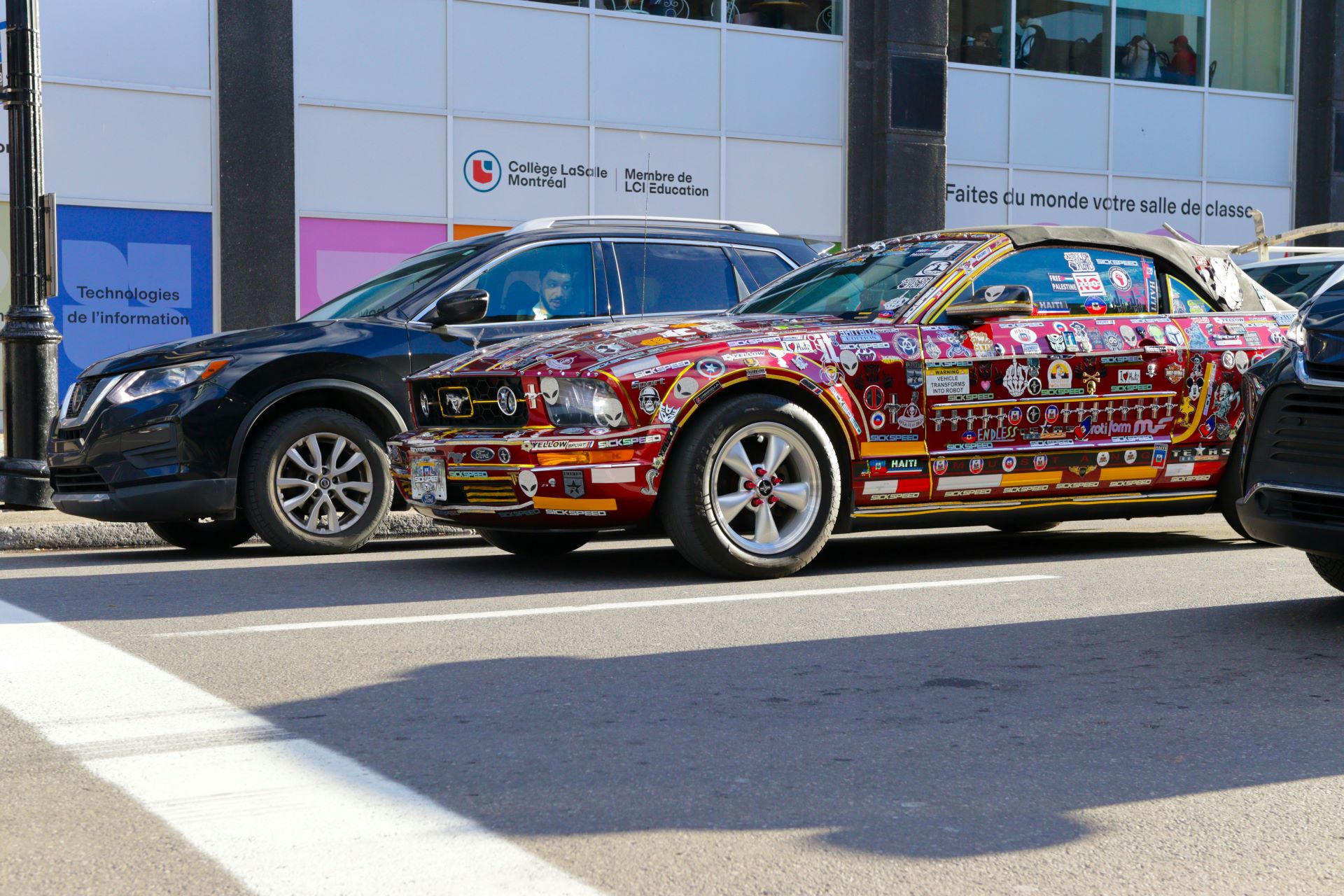
The automotive industry has always been about emotion as much as function. The roar of a V8 engine, the thrill of cornering at high speed, and the allure of sleek design all evoke visceral responses. Historically, marketers relied on magazines, television commercials, and motorsport sponsorships to communicate these emotions. However, the advent of social media has democratized influence, allowing enthusiasts and everyday consumers to become storytellers in their own right.
Platforms like YouTube, Instagram, TikTok, and even LinkedIn now host vibrant automotive communities. Early adopters documented car builds, shared detailed reviews, and showcased modifications. Over time, these enthusiasts developed substantial followings, and brands began to recognize their potential as authentic voices. Unlike traditional advertising, which often feels polished and distant, influencer content provides relatability. Followers perceive these creators as peers or experts rather than salespeople, lending credibility to their recommendations.
Simultaneously, the definition of an ÔÇ£influencerÔÇØ has broadened. Once confined to tech-savvy auto enthusiasts, influencers now encompass celebrities, athletes, and lifestyle personalities whose mere association with a vehicle can elevate its desirability. The result is a multi-tiered influencer ecosystem where niche expertise and mass appeal coexist, offering brands opportunities to engage consumers at multiple touchpoints.
Niche Enthusiasts: The Power of Authenticity
At the core of influencer-driven campaigns lies authenticity. For many car enthusiasts, passion is not just a hobbyÔÇöitÔÇÖs a lifestyle. Brands that collaborate with these micro-influencers tap into communities that value technical knowledge, craftsmanship, and authenticity above all else.
Consider platforms like YouTube, where car enthusiasts document extensive rebuilds or performance modifications. Their content is often educational, providing detailed explanations of mechanical upgrades, tuning, and maintenance. Followers trust these voices because they are genuinely invested in the vehicles they feature. When a niche influencer endorses a brand, it carries a weight that traditional advertising rarely achieves.
Luxury and performance automakers have leveraged this authenticity to great effect. For example, a European supercar manufacturer partnered with a small but highly engaged YouTube channel specializing in track performance reviews. The influencer created content around real-world track tests, tuning adjustments, and driving dynamics. The result was an organic conversation around the brandÔÇÖs engineering prowess, reaching an audience deeply invested in automotive performance. Engagement rates far exceeded conventional social media campaigns because the audience saw the influencer as an authority rather than a marketer.
Furthermore, niche enthusiasts often thrive in communities built around specific vehicle types, such as classic muscle cars, electric vehicles, or off-road trucks. These communities are highly interactive, sharing tips, hosting meet-ups, and celebrating automotive culture. By aligning with these influencers, brands gain access not only to their content but also to the broader communityÔÇÖs collective passionÔÇöa network effect that amplifies reach and credibility.
Mainstream Celebrities: Aspirational Influence
While niche enthusiasts provide credibility, mainstream celebrities offer aspirational appeal. Automotive marketing has long leveraged celebrity endorsements, but social media has intensified their impact. When an actor, musician, or athlete showcases a vehicle in a lifestyle contextÔÇödriving it through city streets, documenting road trips, or attending exclusive eventsÔÇöit blends brand messaging with aspirational storytelling.
Luxury automakers frequently deploy celebrity partnerships to cultivate exclusivity. Consider a campaign in which a global pop star receives a custom edition of a high-performance coupe. The resulting social media posts are not traditional advertisements; they are glimpses into an aspirational lifestyle that audiences desire. Followers perceive the vehicle not just as a product, but as a symbol of status, sophistication, and personal achievement.
Interestingly, the line between niche enthusiasts and celebrities is increasingly fluid. Certain automotive influencers have transcended their niche to achieve celebrity status, amassing millions of followers worldwide. Their credibility as automotive experts remains intact, while their broader visibility brings aspirational value. This dual appeal allows brands to leverage both trust and reach, creating campaigns that resonate with diverse demographics.
Crafting Effective Influencer Campaigns
Successful influencer-driven automotive campaigns require more than just pairing a vehicle with a popular personality. The most effective campaigns are narrative-driven, immersive, and strategically aligned with brand values.
Experiential content is a key component. Test drives in scenic or unusual locations, behind-the-scenes factory tours, and exclusive model previews provide material that is both engaging and informative. Influencers act as translators, converting technical specifications and vehicle capabilities into digestible content that audiences can relate to and share.
Transparency and authenticity remain paramount. Audiences are highly attuned to disingenuous endorsements. Brands that empower influencers to provide honest assessmentsÔÇöincluding both strengths and limitationsÔÇöbuild credibility. This approach transforms the influencer from a marketing conduit into a co-creator, helping the brand develop a voice that feels genuine.
Long-term partnerships also enhance campaign effectiveness. Instead of one-off posts, sustained collaboration allows audiences to follow the journey, deepening engagement and fostering loyalty. Over time, these partnerships cultivate communities that are invested in the brand narrative, creating advocacy that extends far beyond immediate campaign goals.
Regional Strategies: Localizing Influence
Influencer campaigns are not one-size-fits-all. Automotive perceptions vary significantly across regions, influenced by cultural, economic, and regulatory factors. Brands must tailor campaigns to resonate locally while maintaining global consistency.
In South Africa, for instance, influencers who showcase off-road capabilities and rugged durability resonate strongly, reflecting the popularity of adventure and 4x4 culture. Content that emphasizes accessibility, utility, and lifestyle integration connects with consumers more effectively than purely performance-focused campaigns. Conversely, in European markets, luxury and performance-oriented content often takes precedence, reflecting consumer preferences for prestige and driving dynamics.
Electric vehicle campaigns further illustrate the importance of localization. In markets where sustainability is a growing concern, eco-conscious influencers can communicate the environmental benefits of EVs in authentic ways. In other regions, where charging infrastructure remains limited, highlighting convenience, innovation, and cost-effectiveness may resonate more strongly. Understanding the regional context ensures that influencer-driven campaigns deliver meaningful engagement rather than superficial reach.
Measuring Influence: Metrics Beyond Likes
Quantifying the impact of influencer campaigns requires a nuanced approach. While likes, shares, and comments provide surface-level insight, automotive brands are increasingly focused on metrics that correlate directly with business outcomes.
These metrics include website traffic, dealership inquiries, test drive bookings, and ultimately, sales conversions. Advanced analytics platforms now allow brands to track the customer journey from initial influencer engagement to purchase, providing actionable insights that inform future strategies. By understanding which content formats, narratives, and personalities drive tangible results, brands can optimize campaigns and maximize ROI.
Another critical factor is sentiment analysis. Beyond engagement, brands monitor how audiences perceive both the influencer and the vehicle. Positive sentiment correlates with increased brand affinity, while negative sentiment can reveal potential pitfalls, informing corrective measures. In this way, influencer campaigns are not just promotionalÔÇöthey are strategic tools for shaping long-term brand perception.
Case Studies in Automotive Influence
Several campaigns exemplify the transformative potential of influencer-driven marketing in the automotive sector. Consider performance brands collaborating with YouTube creators to showcase extreme testing scenarios, from high-speed acceleration challenges to custom tuning demonstrations. These campaigns generate viral content while emphasizing engineering excellence and performance credibility.
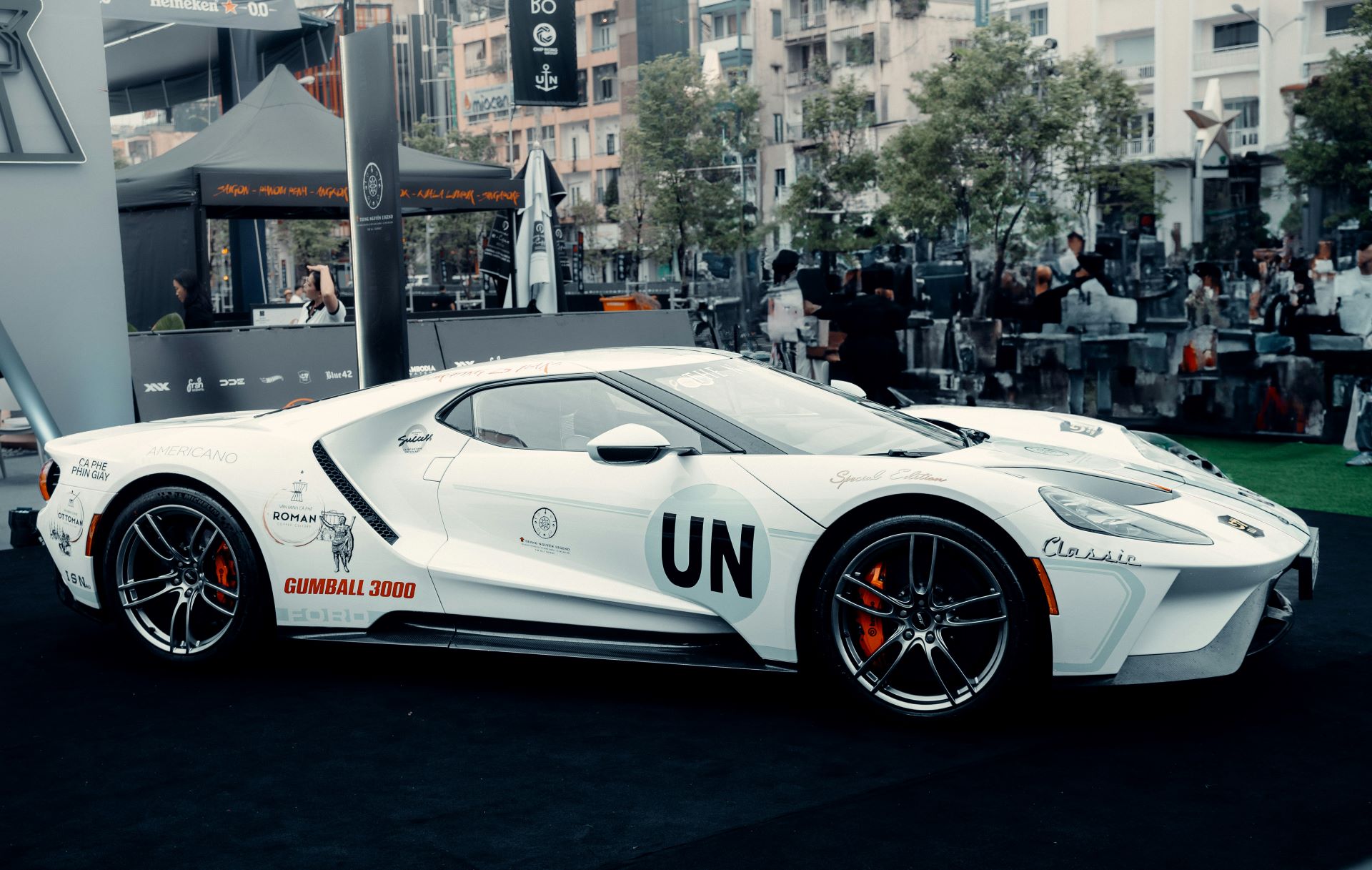
Luxury brands, by contrast, often employ celebrities to craft aspirational narratives. For example, a limited-edition supercar was revealed to select international celebrities, whose social media content emphasized lifestyle integration, exclusivity, and craftsmanship. The posts, spanning multiple platforms, sparked global conversation, drove dealership inquiries, and reinforced brand positioning as a symbol of status and sophistication.
Electric vehicle campaigns offer a third perspective. Brands have partnered with eco-conscious influencers to highlight sustainability features, cost savings, and technological innovation. In one campaign, an influencer-led road trip showcased both the vehicleÔÇÖs range and environmental benefits, blending storytelling with functional demonstration. The result was heightened awareness, engagement, and positive sentiment toward the brandÔÇÖs environmental positioning.
Emerging Trends and the Future
The future of influencer-driven automotive marketing is intertwined with technological evolution. Augmented reality (AR), virtual showrooms, and immersive digital experiences allow influencers to create content that goes beyond traditional photos or videos. Consumers can virtually test-drive vehicles, explore interiors, and interact with features, guided by the influencerÔÇÖs narrative.
Artificial intelligence and data analytics will further refine influencer selection and content strategy. Predictive algorithms can identify personalities whose audiences align most closely with brand demographics, optimize posting schedules, and tailor messaging to individual consumer preferences. These tools enhance efficiency while maintaining the personal, relatable voice that defines successful campaigns.
Cross-industry collaborations are also on the rise. Automotive brands increasingly partner with fashion, lifestyle, and tech influencers, creating multi-dimensional campaigns that extend beyond the vehicle itself. These campaigns tap into lifestyle aspirations, broadening appeal and creating holistic narratives that resonate across consumer touchpoints.
Challenges and Considerations
Despite their potential, influencer-driven campaigns present challenges. The landscape is fragmented, and not all influencers deliver measurable value. Vetting personalities for authenticity, engagement, and alignment with brand values is critical. Misalignment can erode credibility, dilute messaging, and harm brand perception.
Regulatory compliance is another concern. Influencers must clearly disclose sponsored content to maintain trust and adhere to advertising standards. Failure to do so can result in reputational damage and legal repercussions. Brands must provide guidance, monitoring, and support to ensure compliance without stifling creativity.
Finally, audience fatigue is a risk. Oversaturation of branded content can lead to disengagement. Successful campaigns balance promotion with storytelling, entertainment, and educational value, ensuring that content remains compelling and meaningful.
Community Building and Long-Term Engagement
Perhaps the most profound shift influenced by social media is the focus on community. Automotive brands no longer speak at audiences; they engage with them. Influencers act as bridges, facilitating dialogue between brands and consumers. Through consistent, authentic interaction, these campaigns foster communities that share values, experiences, and enthusiasm for the brand.
This approach transforms marketing from a transactional activity into a relational one. Audiences become advocates, attending events, sharing content, and influencing peers. Long-term engagement nurtures loyalty and cultivates brand ambassadors whose influence extends organically, often surpassing the reach of traditional advertising.

Influencer-driven campaigns are redefining the automotive marketing landscape. By combining the authenticity of niche enthusiasts with the aspirational power of mainstream celebrities, brands can craft narratives that resonate emotionally, engage audiences meaningfully, and deliver measurable business outcomes. The key to success lies in authenticity, transparency, and strategic storytelling.
As technology evolves and audiences become increasingly sophisticated, influencer-driven campaigns will continue to grow in significance. Whether through immersive experiences, global celebrity partnerships, or community-centric storytelling, the brands that embrace this paradigm will not only capture attentionÔÇöthey will shape perception, inspire loyalty, and define the future of automotive marketing.
Breyten Odendaal
Specializing in high-performance automotive advertising and digital marketing solutions, delivering cutting-edge insights and the latest news shaping the automotive industry in South Africa.
More From Advertising

Automotive Advertising in 2026: Selling Confidence in a More Competitive Market
As South Africa’s vehicle market becomes more competitive, automotive advertising needs to do more than announce a price or specification. It needs to help buyers understand value, ownership costs and why a vehicle suits their lives.

Automotive Digital Ads in South Africa: A Shift
Exploring how South Africa’s automotive advertising evolved from print and broadcast to data-driven, programmatic digital ecosystems.

The Video Shift in Car Buying Decisions in SA
Explore how video content shapes car purchase decisions in South Africa, comparing short-form and long-form strategies for automotive marketers.