
In the increasingly crowded automotive marketplace, brands face a delicate balancing act. On one hand, dealerships and OEMs are under constant pressure to drive traffic, convert leads, and boost sales. On the other, they must preserve the premium perception and long-term equity of their brand. Incentive-based campaignsÔÇöranging from limited-time discounts to experiential rewardsÔÇöhave emerged as potent tools for attracting customers. Yet, when poorly executed, such campaigns can inadvertently erode brand value, cheapening the perception of vehicles and undermining pricing power. The challenge lies in designing promotions that generate excitement without compromising a brandÔÇÖs core identity.

Understanding Incentive-Based Campaigns
Incentive-based campaigns in automotive marketing encompass a wide spectrum. They can be as direct as cash-back offers, seasonal discounts, or finance deals, or as nuanced as loyalty rewards, referral bonuses, or lifestyle experiences tied to vehicle ownership. The underlying principle is simple: provide a tangible reason for potential buyers to engage with the brand.
However, the effectiveness of these campaigns goes beyond mere numbers. Customers are increasingly sophisticated; they evaluate offers not just on the immediate financial benefit but also on the perceived value of the brand and the experience of ownership. A luxury SUV marketed with aggressive discounting may sell units in the short term but risks long-term brand dilution. Conversely, campaigns that reinforce exclusivity, performance, or lifestyle can drive traffic while maintaining brand prestige.
Balancing Attraction and Brand Integrity
The core tension in incentive-based campaigns lies in balancing short-term sales goals with long-term brand health. Over-reliance on heavy discounts signals desperation and can normalize lower pricing in the minds of consumers. This phenomenon, often termed ÔÇ£deal dependency,ÔÇØ can make future launches harder to price and reduce margins. Automotive brands must therefore adopt a nuanced approach that aligns incentives with their strategic positioning.
One effective strategy is to embed incentives within experiential frameworks rather than purely transactional ones. For example, offering an exclusive test-drive event, track day experience, or VIP access to automotive showcases can attract high-intent customers while reinforcing the brandÔÇÖs aspirational positioning. These experiences are inherently shareable on social media, amplifying campaign reach without resorting to broad discounting.
The Role of Tiered Incentives
A sophisticated approach involves tiered incentives, where offers vary according to customer segment, vehicle type, or engagement level. Entry-level buyers might respond to finance or leasing incentives, while high-value clients could be enticed by personalized experiences, extended service packages, or bespoke accessory offerings. By segmenting incentives in this way, automotive marketers ensure that offers resonate with the target audience while safeguarding the perceived value of premium products.
Tiered incentives also allow for flexibility in multi-channel campaigns. Digital channels, particularly social media and email marketing, can be leveraged to deliver highly personalized offers, enhancing relevance and engagement. Meanwhile, in-dealership campaigns can focus on experiential elements and service add-ons, providing a tangible, hands-on benefit that reinforces the brand ethos.
Timing and Context: Critical Success Factors
The timing of incentive-based campaigns is another crucial factor in preserving brand value. Seasonal promotions, such as end-of-year clearance events, must be carefully positioned to avoid signaling desperation. Aligning incentives with broader market trends or brand narrativesÔÇösuch as the launch of an electrified model line or a heritage anniversaryÔÇöadds contextual legitimacy, framing the offer as an extension of the brand story rather than a transactional necessity.
Moreover, the context of communication is critical. Messaging should highlight value and experience rather than price alone. Phrasing like ÔÇ£exclusive access to our new driving experienceÔÇØ or ÔÇ£enhanced ownership benefits for a limited timeÔÇØ conveys privilege, sophistication, and urgency simultaneously.
Leveraging Data and Personalization
Modern automotive marketing is increasingly data-driven, and incentive-based campaigns benefit enormously from this trend. By analysing purchase histories, online browsing behaviour, and CRM insights, brands can craft highly targeted offers that appeal to specific segments without saturating the market with blanket discounts. Personalization enhances the perceived value of the incentive, positioning it as a reward for loyalty rather than a price reduction.
For example, a brand might identify repeat customers who have yet to upgrade to the latest model year. Rather than a broad cash-back offer, these individuals could receive invitations to an exclusive pre-launch showcase or complimentary maintenance packages, fostering deeper engagement while preserving premium pricing.
Avoiding Brand Dilution
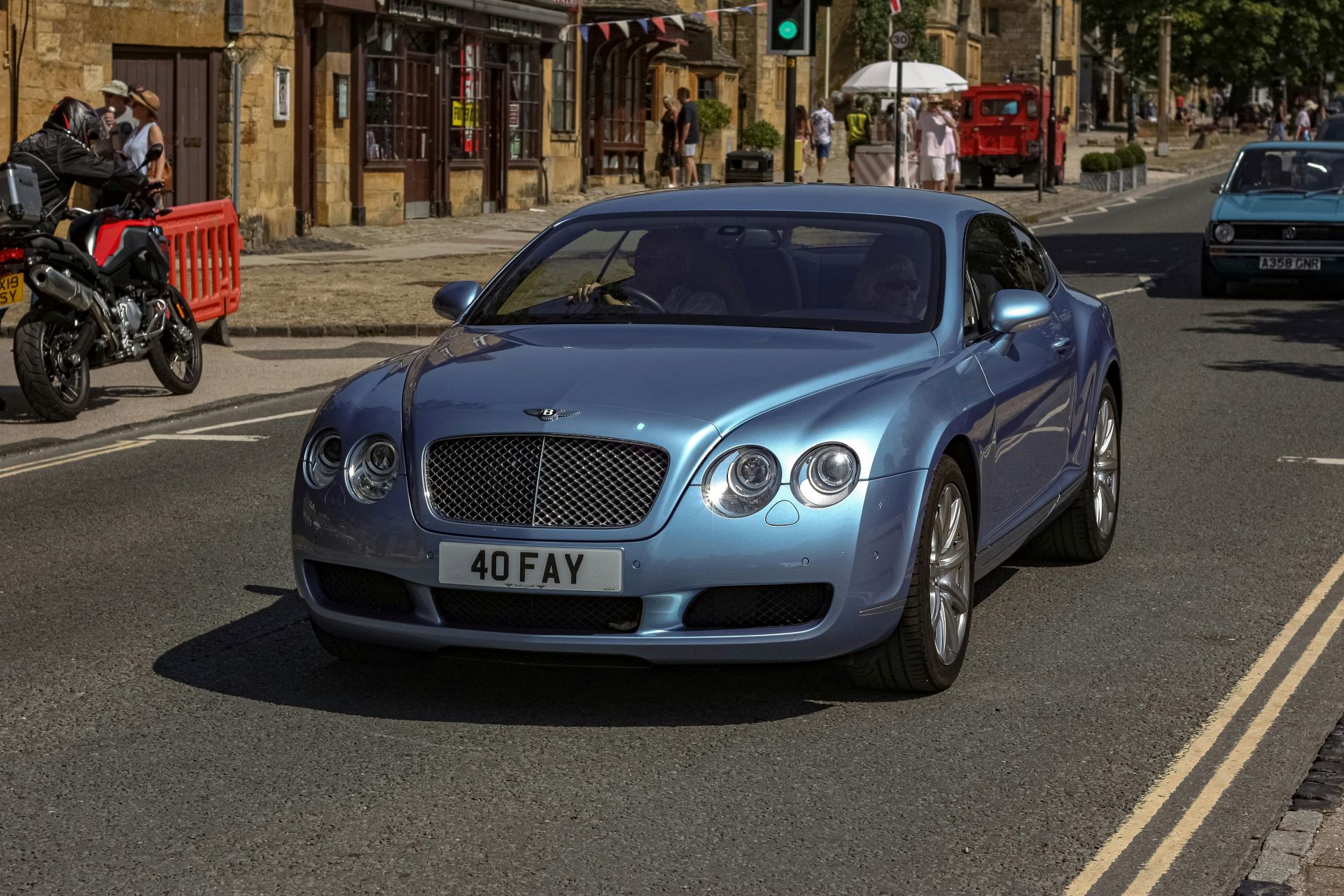
A consistent principle across all incentive strategies is the need to avoid eroding brand equity. There are several mechanisms through which brands can inadvertently dilute themselves: excessive discounting, misaligned messaging, or campaigns that reward the wrong behaviours.
Excessive discounting risks creating a perception that vehicles are overpriced at standard rates, undermining long-term pricing power. Misaligned messaging occurs when incentives contradict the brandÔÇÖs core narrative, such as promoting a luxury sedan as an ÔÇ£affordableÔÇØ option in a mainstream campaign. Rewarding the wrong behavioursÔÇösuch as over-prioritizing volume over loyalty or profitabilityÔÇöcan also have unintended consequences, incentivizing customers to chase deals rather than build lasting brand relationships.
Maintaining brand integrity requires constant vigilance. Every campaign should be reviewed not only for its potential to drive immediate traffic but also for alignment with broader brand objectives, pricing strategy, and customer experience standards.
Integrating Incentives into the Customer Journey
Incentives are most effective when integrated seamlessly into the customer journey. Early-stage campaigns can leverage educational content and digital engagement to build interest, while mid-funnel offersÔÇösuch as test-drive rewardsÔÇömotivate deeper consideration. Finally, purchase-stage incentives, including loyalty bonuses or complementary services, encourage conversion without commoditizing the product.
A cohesive, journey-based approach ensures that incentives feel purposeful and strategic, rather than opportunistic. It also enables marketers to track effectiveness across touchpoints, measure ROI, and refine campaigns based on real-world data.
Examples from the Automotive Industry
Several automotive brands have mastered the art of incentive-based campaigns without diluting brand value. Luxury brands often pair exclusive experiences with vehicle launches, offering curated events or limited-edition accessories to early adopters. Performance-focused brands may provide access to track days or driving academies, creating aspirational narratives that strengthen engagement. Mainstream brands, meanwhile, can combine practical incentives like service packages or extended warranties with storytelling that highlights reliability, heritage, or innovation.
These campaigns share a common trait: they reward engagement, loyalty, and experiential participation rather than relying solely on price cuts. By doing so, they cultivate a sense of exclusivity, value, and brand alignment that resonates with customers beyond the immediate transaction.
Measuring Success Without Compromising Value
Effectiveness measurement is vital to ensure incentives drive results without unintended consequences. Metrics should go beyond short-term sales and include indicators such as lead quality, engagement levels, brand perception, and customer lifetime value. By prioritizing long-term indicators, marketers can distinguish between campaigns that merely shift units and those that build enduring brand equity.
Qualitative feedback, gathered through customer surveys, social media sentiment analysis, and dealership interactions, also provides insight into how incentives are perceived. This feedback helps refine campaign design, ensuring alignment with brand values while maximizing appeal.
Future Directions in Incentive-Based Automotive Marketing
Looking ahead, incentive-based campaigns will increasingly blend digital sophistication with experiential marketing. Artificial intelligence and predictive analytics will allow brands to anticipate customer needs, deliver hyper-personalized incentives, and dynamically adjust offers in real time. Meanwhile, immersive technologies such as virtual reality and augmented reality will provide new platforms for experiential incentives, from virtual test drives to interactive configurators that reward engagement with gamified experiences.
Sustainability and social responsibility are also becoming critical dimensions. Incentives tied to environmentally friendly choicesÔÇösuch as EV adoption bonuses, carbon-offset programs, or green financing incentivesÔÇöcan enhance brand perception while aligning with broader societal values.

Incentive-based campaigns hold enormous potential for driving traffic, generating leads, and increasing sales in the automotive sector. However, their power must be wielded judiciously. The key lies in designing initiatives that reward engagement, loyalty, and experience rather than simply reducing price. By carefully segmenting offers, timing campaigns strategically, integrating incentives into the customer journey, and leveraging data-driven personalization, automotive brands can drive results without compromising long-term value.
Ultimately, the most successful campaigns are those that reinforce brand identity, deepen customer relationships, and create memorable experiences. When executed thoughtfully, incentive-based marketing does not dilute brand valueÔÇöit elevates it, turning potential transactions into lasting brand affinity.
Breyten Odendaal
Specializing in high-performance automotive advertising and digital marketing solutions, delivering cutting-edge insights and the latest news shaping the automotive industry in South Africa.
More From Advertising

Automotive Digital Ads in South Africa: A Shift
Exploring how South Africa’s automotive advertising evolved from print and broadcast to data-driven, programmatic digital ecosystems.

The Video Shift in Car Buying Decisions in SA
Explore how video content shapes car purchase decisions in South Africa, comparing short-form and long-form strategies for automotive marketers.
Why Automotive Ads Must Think Like E-Commerce
Automotive ads in South Africa need e-commerce style conversion thinking to boost leads, optimise funnels, and improve dealership ROI.