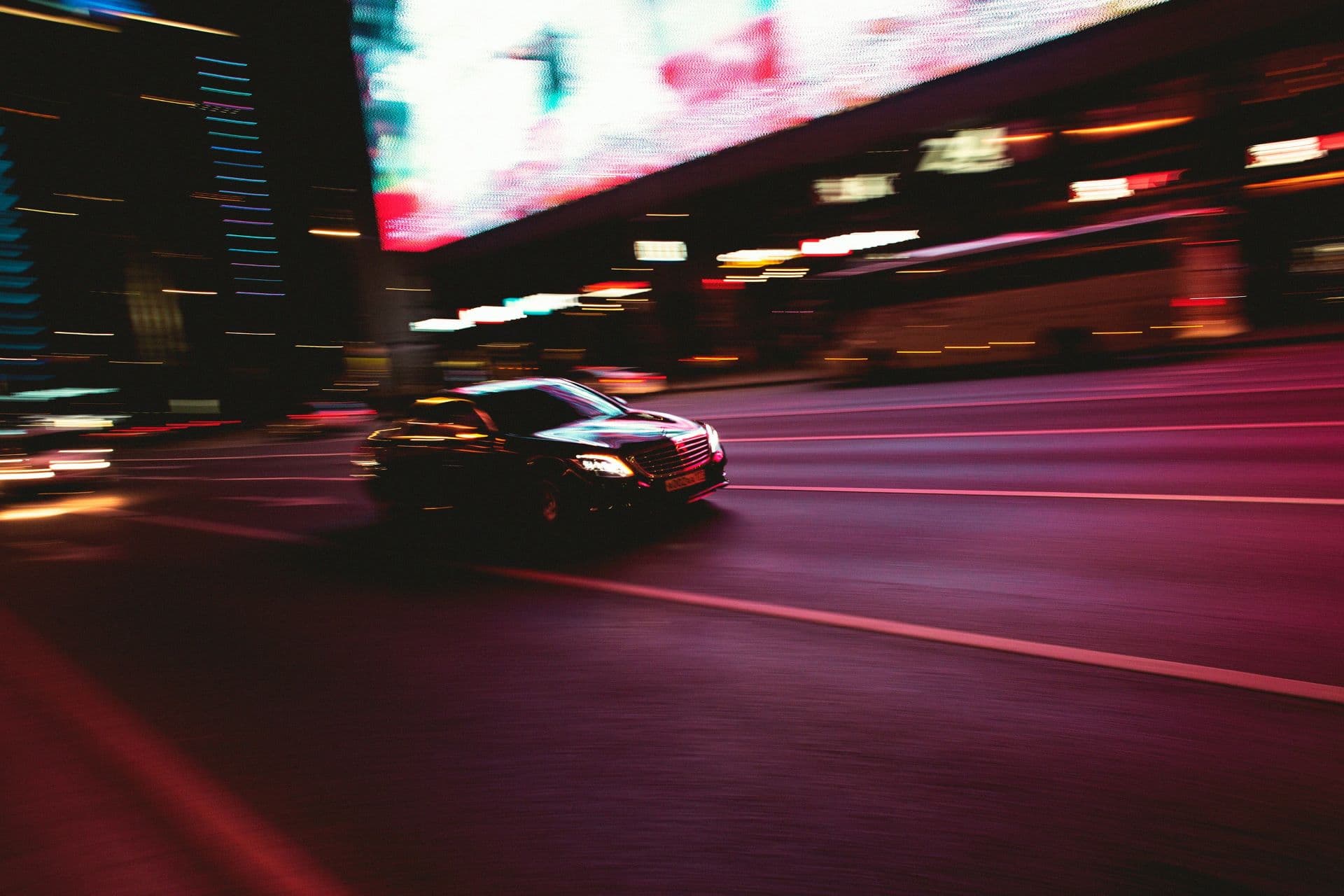
The automotive landscape has changed drastically over the past decade. Consumers no longer respond primarily to glossy ads or static billboardsÔÇöthey crave experiences that resonate emotionally and provide a tangible connection to the products they are considering. This shift has propelled experiential marketing to the forefront of automotive strategy. Through immersive pop-ups, interactive test drives, and live events, car brands are bridging the gap between the physical and digital world.
Experiential campaigns transform conventional marketing into a multi-sensory journey. Instead of merely informing potential customers about horsepower, torque, or fuel efficiency, brands create moments that make the vehicle an extension of the consumerÔÇÖs lifestyle. By fostering engagement through direct interaction and digital augmentation, automotive companies are redefining what it means to connect with a buyer in 2025 and beyond.
The Rise of Experiential Automotive Marketing
Car buyers today expect more than just featuresÔÇöthey want an experience. The modern buyer is digitally savvy, social media-driven, and increasingly selective. Experiential marketing answers that call by merging storytelling, interactivity, and technology into a cohesive journey.
For premium brands, launches have evolved into immersive theatrical events. Guests are not just spectatorsÔÇöthey become participants in the brandÔÇÖs narrative. These experiences might include augmented reality tours of engineering innovations, interactive design workshops, or virtual recreations of iconic driving routes. Brands such as Porsche, Audi, and Mercedes-Benz have elevated product reveals into cultural moments, leveraging both live presence and digital storytelling to engage audiences.
At its core, experiential marketing for cars is about making the abstract tangible. Consumers can feel acceleration, hear the engine growl, and engage with the carÔÇÖs digital interface, all within a curated environment. This direct engagement transforms product consideration into emotional connection.
Pop-Up Showrooms: Transforming Spaces into Experiences
Temporary showrooms or pop-up experiences have emerged as a potent tool for automotive brands seeking agility and relevance. Unlike permanent dealerships, pop-ups allow companies to engage audiences in unexpected locations, from urban centers to cultural festivals. These temporary installations are designed to immerse visitors in the brand universe, often using technology to enhance the physical space.
Interactive displays, VR simulators, and gamified product demonstrations are now commonplace. For example, a visitor to a BMW pop-up may navigate a virtual version of the city, testing the carÔÇÖs autonomous features and safety systems before stepping into the real vehicle for a hands-on drive. Scent, sound, and lighting design are carefully orchestrated to evoke a mood aligned with brand identity.
Pop-ups also thrive on social sharing. By creating visually striking installations, brands encourage attendees to document their experiences, amplifying campaign reach organically. This combination of physical presence and social amplification extends the campaignÔÇÖs lifecycle far beyond the initial event.
Test Drives: Reinventing the Classic Experience
The traditional test drive has evolved far beyond simply letting a potential buyer sit behind the wheel. Today, test drives integrate data analytics, interactive technology, and experiential design to create richer engagement.
Some luxury brands now offer multi-stage test drives, beginning with controlled circuits that demonstrate specific performance capabilities and moving to real-world driving scenarios tailored to the customerÔÇÖs lifestyle. Augmented reality overlays highlight safety systems, provide real-time performance feedback, and even visualize potential customizations.
Brands like Tesla and Audi have taken test drives further by integrating apps that track driving metrics, compare vehicles, and provide personalized recommendations. Beyond proving a carÔÇÖs capabilities, these experiences generate a sense of ownership before purchase, helping customers emotionally commit to the brand.
Blending Physical and Digital Engagement
The most effective automotive experiential campaigns seamlessly combine physical and digital elements. In practice, this can mean a pop-up event enhanced with AR, a test drive that continues digitally, or social media gamification tied to a live event.
For instance, Mercedes-Benz has developed virtual configurators linked to in-person demonstrations. Customers can experiment with color, trim, and feature packages on a tablet while physically interacting with the car. Post-event, they can continue engaging through apps, sharing their configurations and scheduling follow-up appointments.
This integration creates a continuous engagement loop. Instead of a single touchpoint, the brand remains present in the consumerÔÇÖs journey, reinforcing emotional attachment and driving loyalty. Digital amplification also provides brands with rich insightsÔÇöanalytics on engagement, sharing, and time spent interacting with specific features inform future campaigns and product strategy.
Case Studies: Experiential Campaigns That Captivate
Porsche Pop-Up City Experiences
PorscheÔÇÖs city pop-ups have become benchmarks in experiential automotive marketing. These installations combine VR racing simulators with real-world test drives, creating a dual experience that blends fantasy with reality. Visitors experience the thrill of PorscheÔÇÖs high-performance vehicles in a virtual environment before engaging with the physical product. The campaign emphasizes performance, lifestyle, and community, creating content that resonates both on-site and online.
Audi VR Showrooms
AudiÔÇÖs VR-equipped showrooms allow customers to configure vehicles in real-time. Users can adjust features and immediately see how these changes impact performance, safety, and aesthetics. By combining the tactile experience of a physical showroom with the flexibility of digital customization, Audi demonstrates the brandÔÇÖs technological prowess while creating a personal connection with the buyer.
Mass-Market Experiential Campaigns
Even brands like Toyota and Hyundai have embraced experiential marketing. Roadshow campaigns focus on safety, sustainability, and innovation, allowing customers to engage with vehicles through hands-on activities. Interactive displays, eco-friendly driving challenges, and gamified test drives convert curiosity into measurable interest, showing that experiential marketing is not exclusive to luxury segments.
Key Principles for Effective Experiential Campaigns
Successful automotive experiences share several core principles:
Personalization: Experiences tailored to individual preferences resonate more deeply. Whether through AI-driven recommendations or targeted test drive scenarios, personalization strengthens emotional attachment.
Storytelling: The vehicle is only part of the narrative. Effective campaigns weave a story around the brand, lifestyle, and values, creating memorable touchpoints.
Integration: Physical experiences should extend seamlessly into digital engagement, ensuring the customer journey continues beyond the event.
Social Amplification: Visual, shareable moments increase organic reach and allow attendees to become advocates for the brand.
Future Trends in Automotive Experiential Marketing
The future of automotive marketing is immersive, personalized, and increasingly reliant on emerging technologies. Artificial intelligence, augmented reality, and virtual reality will allow brands to deliver experiences previously unimaginable: AI-driven test drives, VR simulations of driving scenarios, and post-event digital journeys tailored to individual consumer behavior.
Hyper-personalized campaigns will dominate. Imagine a test drive designed around a driverÔÇÖs habits, preferences, and even commute patterns. AR overlays could showcase how different customizations perform in the consumerÔÇÖs real-world environment. Digital amplification will continue to extend the lifecycle of every interaction, converting fleeting engagement into long-term loyalty.
As technology evolves, experiential marketing will become more measurable and strategic. Brands will use data to optimize touchpoints, refine storytelling, and anticipate consumer needs, ensuring that each campaign is not only memorable but also highly effective.
Driving Engagement Beyond the Vehicle
Experiential marketing has transformed the way consumers interact with automotive brands. Pop-ups, test drives, live events, and digital extensions are no longer ancillary tacticsÔÇöthey are central to modern marketing strategy.
By blending physical and digital experiences, brands can engage consumers on multiple levels: emotional, cognitive, and social. The result is not merely awareness but attachment, advocacy, and loyalty. Immersive experiences allow buyers to connect with vehicles in a way that traditional advertising cannot, making every campaign an opportunity to create lasting brand impact.
Automotive brands that embrace this approach will define the industryÔÇÖs future. They will not only sell carsÔÇöthey will craft experiences, shape perceptions, and drive loyalty long after the first key turn.
Breyten Odendaal
Specializing in high-performance automotive advertising and digital marketing solutions, delivering cutting-edge insights and the latest news shaping the automotive industry in South Africa.
More From Advertising
Automotive Advertising in 2026: Selling Confidence in a More Competitive Market
As South Africa’s vehicle market becomes more competitive, automotive advertising needs to do more than announce a price or specification. It needs to help buyers understand value, ownership costs and why a vehicle suits their lives.

Automotive Digital Ads in South Africa: A Shift
Exploring how South Africa’s automotive advertising evolved from print and broadcast to data-driven, programmatic digital ecosystems.

The Video Shift in Car Buying Decisions in SA
Explore how video content shapes car purchase decisions in South Africa, comparing short-form and long-form strategies for automotive marketers.