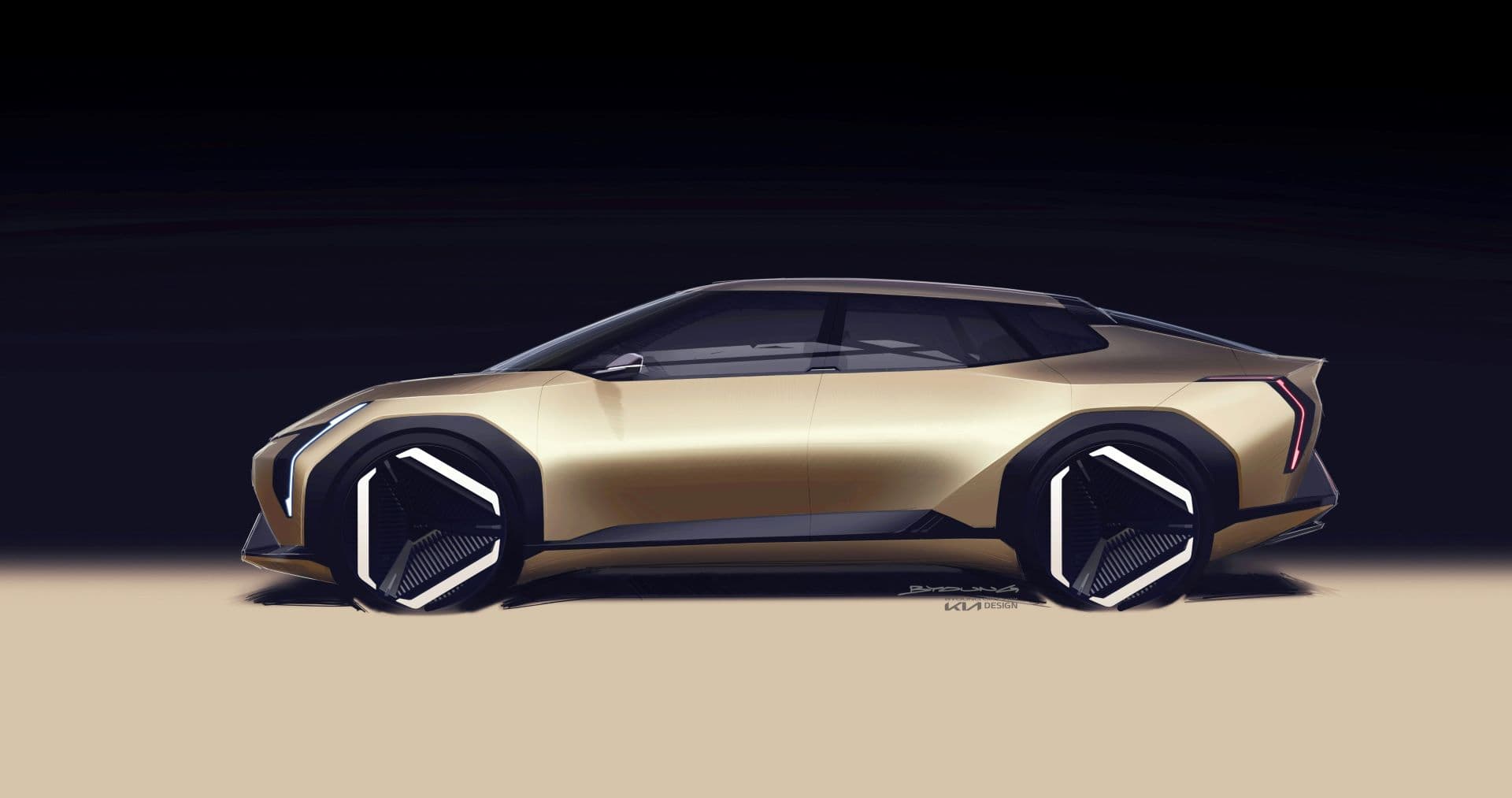
Auto shows have long been a cornerstone of the automotive industry, serving as platforms for manufacturers to unveil their latest models, showcase innovations, and engage with enthusiasts. Traditionally, these events relied on static displays, informative brochures, and well-rehearsed presentations to attract attention. However, as consumer expectations evolve and technology advances, the landscape of auto shows is undergoing a transformative shift.
Today, automotive brands are embracing immersive experiences that captivate attendees on a deeper level. These experiences go beyond the traditional booth setups, employing cutting-edge technology and interactive elements to create memorable, emotionally resonant moments. This shift is not just about dazzling the crowd; it represents a strategic evolution in advertising and brand storytelling, designed to forge stronger connections with audiences in an increasingly competitive market.
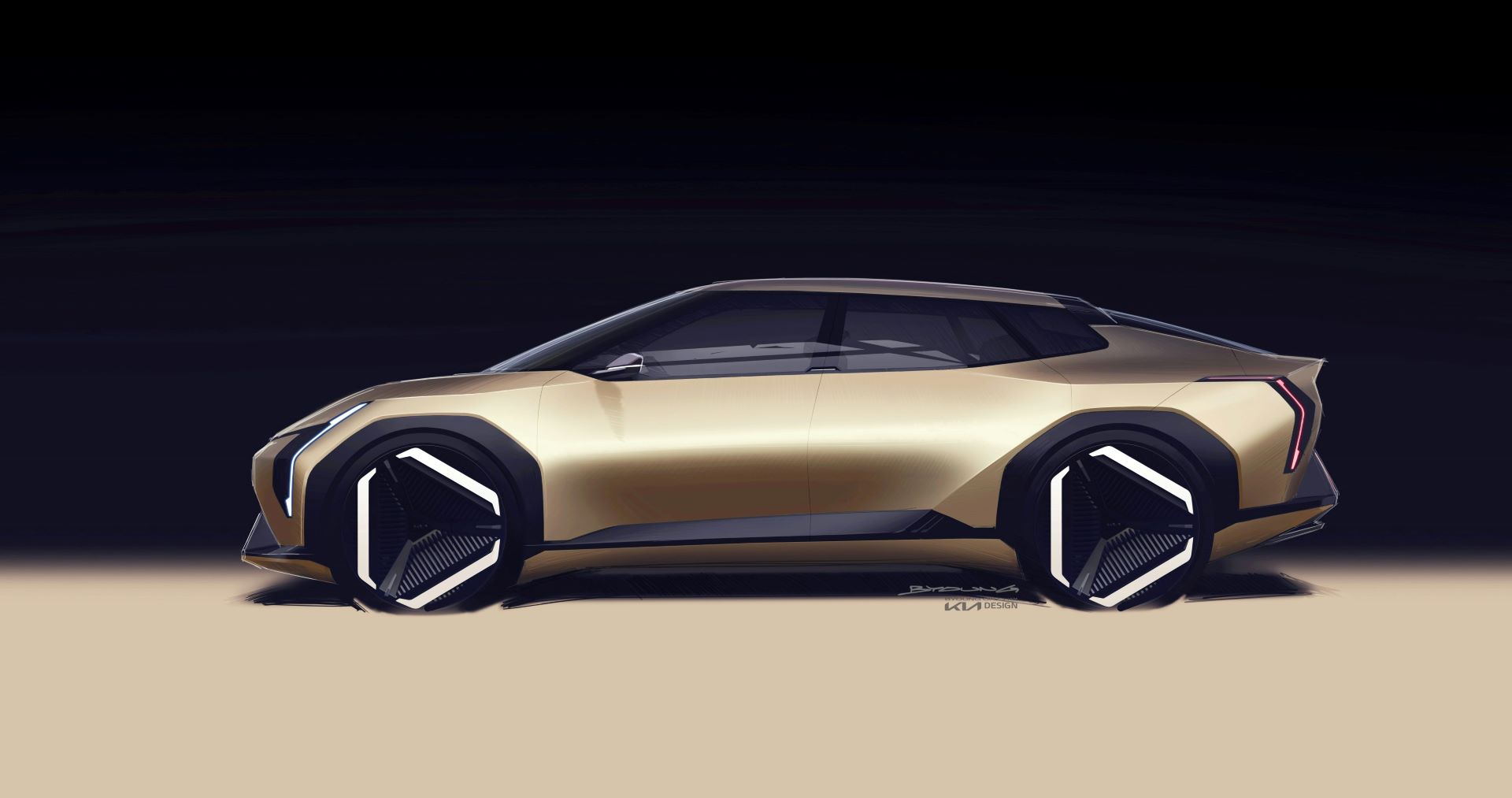
The Evolution of Auto Shows
Auto shows have a rich history, dating back to the early 20th century when manufacturers used them primarily as trade fairs to display their vehicles to potential buyers and industry insiders. Over time, these events evolved into grand spectacles, attracting massive crowds eager to witness the latest automotive innovations. Displays became more elaborate, featuring concept cars, prototype unveilings, and meticulously designed exhibits.
However, the advent of digital technology and changing consumer behaviors have significantly altered expectations. TodayÔÇÖs attendees seek experiences that are not only visually impressive but also engaging and interactive. Static displays and pamphlets no longer suffice in an age where digital content, social media, and experiential marketing dominate.
Manufacturers have recognized the need to innovate, incorporating technologies like augmented reality (AR), virtual reality (VR), and interactive touchscreens. These advancements enable attendees to interact with vehicles in ways previously unimaginable, from virtual test drives to exploring the engineering behind the designs. This evolution aligns with broader trends in advertising, where immersive and experiential methods are increasingly favored for their ability to leave lasting impressions.
Immersive Technology and Innovations
Immersive technology has become the linchpin of modern auto shows, transforming how brands engage with their audiences. Some of the most impactful technologies include:
By leveraging these innovations, manufacturers not only enhance visitor engagement but also provide unique opportunities for storytelling. Immersive technology allows brands to communicate complex ideasÔÇösuch as the benefits of electric vehicles or the intricacies of autonomous drivingÔÇöin ways that are both accessible and engaging.
These examples underscore the effectiveness of immersive experiences in capturing attention and delivering memorable brand interactions. By combining technology with creativity, these brands have set benchmarks for engagement at auto shows.

Impact on Branding and Advertising
Immersive experiences are redefining how automotive brands position themselves in the market. Unlike traditional advertising methods, these experiences create emotional connections that extend beyond the event itself. Attendees leave with vivid memories, which can translate into heightened brand loyalty and word-of-mouth promotion.
Furthermore, these experiences align with the principles of modern storytelling. By crafting narratives that resonate with their audiences, brands can communicate their values, vision, and technological prowess more effectively. For instance, an interactive exhibit on electric vehicles not only showcases the product but also reinforces the brandÔÇÖs commitment to sustainability.
From an advertising perspective, immersive experiences offer unique advantages. They provide measurable data on attendee engagement through metrics such as dwell time, interaction rates, and social media mentions. This data allows brands to refine their strategies and ensure a higher return on investment for their marketing efforts.
Future Trends and Possibilities
As technology continues to evolve, the potential for immersive experiences at auto shows is boundless. Some emerging trends include:
These innovations promise to further redefine the auto show landscape, pushing the boundaries of whatÔÇÖs possible in automotive advertising.
Auto shows are no longer just about showcasing vehicles; they are platforms for immersive storytelling and experiential marketing. By moving beyond traditional booths and embracing cutting-edge technologies, manufacturers are captivating audiences in ways that are both engaging and impactful.
As the industry continues to evolve, these immersive experiences will play an increasingly central role in shaping brand perceptions and driving customer loyalty. For automotive enthusiasts, attending these events offers a glimpse into the future of mobility and the creative ingenuity of the brands they admire.
So, the next time you step onto an auto show floor, prepare to be transported into a world where technology, creativity, and passion converge to redefine whatÔÇÖs possible in the realm of automotive innovation.
Breyten Odendaal
Specializing in high-performance automotive advertising and digital marketing solutions, delivering cutting-edge insights and the latest news shaping the automotive industry in South Africa.
More From Advertising
Automotive Advertising in 2026: Selling Confidence in a More Competitive Market
As South Africa’s vehicle market becomes more competitive, automotive advertising needs to do more than announce a price or specification. It needs to help buyers understand value, ownership costs and why a vehicle suits their lives.

Automotive Digital Ads in South Africa: A Shift
Exploring how South Africa’s automotive advertising evolved from print and broadcast to data-driven, programmatic digital ecosystems.

The Video Shift in Car Buying Decisions in SA
Explore how video content shapes car purchase decisions in South Africa, comparing short-form and long-form strategies for automotive marketers.