
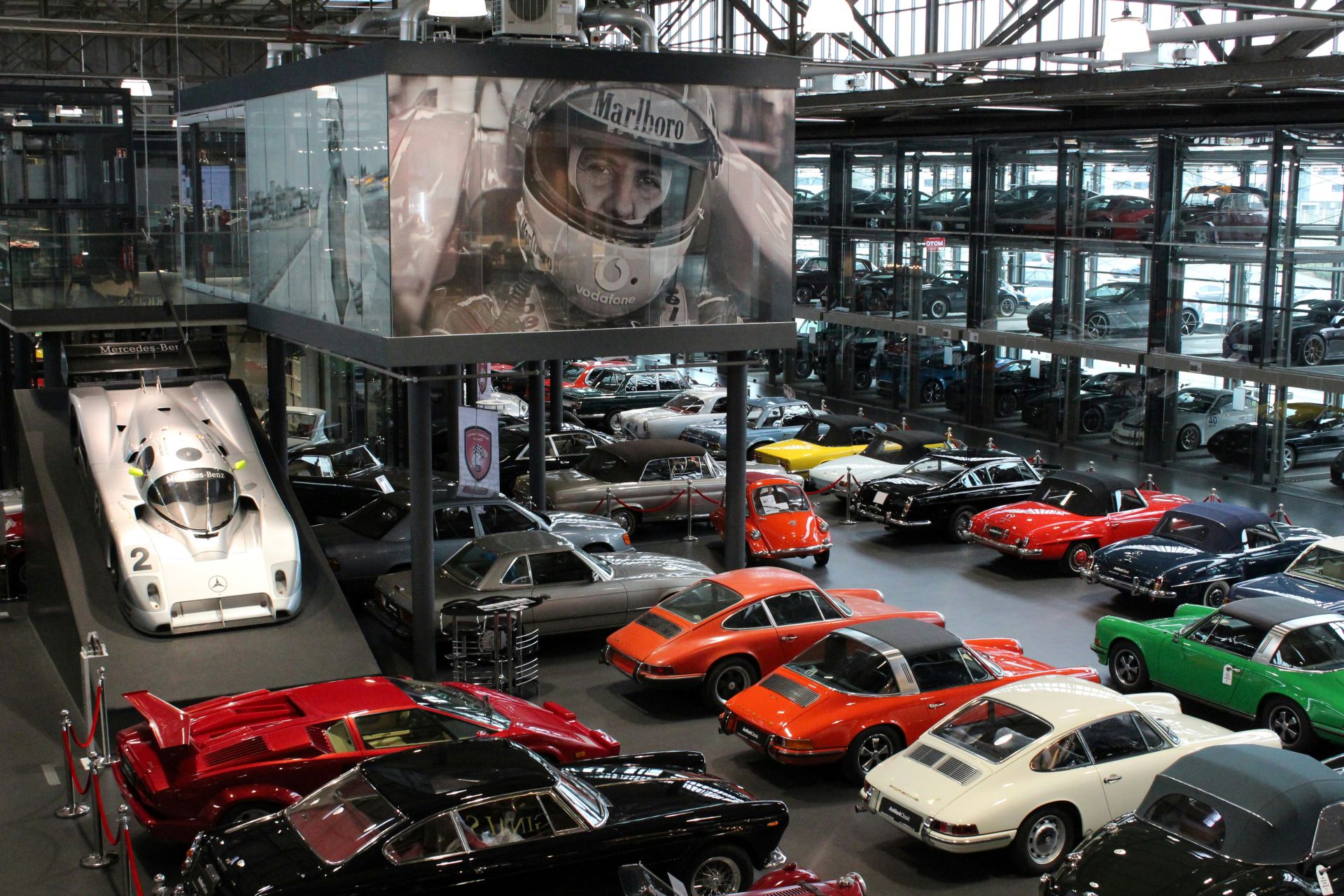
The automotive retail landscape is evolving at an unprecedented pace. Traditional dealership models, once reliant on static showrooms and sales-centric interactions, are gradually being eclipsed by immersive, experience-driven environments. In an era where consumers crave engagement and personalization, dealerships are no longer just points of saleÔÇöthey are arenas for interaction, discovery, and brand storytelling. Forward-thinking automotive brands are reimagining the dealership as a multi-sensory playground, integrating virtual reality, augmented reality, lifestyle amenities, and interactive technology to create experiences that resonate with modern buyers.
The Shift From Transaction to Experience
For decades, car dealerships operated on a relatively straightforward premise: showcase vehicles, facilitate test drives, and close sales. While this model was effective in the past, todayÔÇÖs consumer is informed, digitally connected, and often skeptical of traditional sales tactics. The modern buyer is looking for an emotional connection with the brand, a sense of community, and a memorable experience that transcends the act of purchasing a car.
This shift has prompted automotive marketers to explore innovative ways to transform dealerships into environments that reflect lifestyle, technology, and aspiration. The aim is to blur the lines between retail, entertainment, and engagement. A dealership is no longer merely a space to observe vehiclesÔÇöit is a destination to experience them in context, explore customization options in virtual space, and immerse oneself in the story and ethos of the brand.
Consider the example of PorscheÔÇÖs flagship Centre in Atlanta, which combines premium service with lifestyle experiences. Customers can enjoy curated coffee bars, interact with vehicles via touchscreen displays, and even participate in driving simulators. The focus is on engagement rather than pressure, creating an environment that draws people back repeatedly, even if they are not immediately buying a car.
Virtual and Augmented Reality: Reimagining Vehicle Exploration
Among the most compelling tools reshaping dealership experiences are virtual reality (VR) and augmented reality (AR). These technologies allow customers to interact with vehicles in ways previously confined to imagination. In a VR setup, prospective buyers can virtually sit behind the wheel of a car, explore interior layouts, and even navigate digital test tracks that replicate real-world driving conditions. AR, on the other hand, superimposes digital elements over physical spaces, enabling users to visualize different trims, colour schemes, and accessory configurations on vehicles present in the showroom.
BMW has been at the forefront of this trend. Their AR-enabled ÔÇ£BMW i VisualiserÔÇØ allows customers to see fully customisable i-series models in their driveway or at the dealership, offering an unprecedented level of personalisation before purchase. Similarly, AudiÔÇÖs VR experience allows buyers to explore an entire model range in 3D, swapping engines, colours, and interiors with real-time feedback.
The strategic use of VR and AR transforms the buying process into an interactive narrative. Instead of browsing through static brochures or relying solely on salesperson descriptions, customers can see how a vehicle fits their lifestyle, from city driving to weekend adventures. This hands-on engagement fosters a deeper connection, encourages longer showroom visits, and increases the likelihood of a saleÔÇödriven not by pressure, but by genuine excitement and personal investment.
Lounge Spaces and Lifestyle Integration
Modern dealerships are no longer constrained by the cold, impersonal aesthetic of traditional sales floors. Brands are increasingly investing in lounge spaces, caf├®s, and social areas where customers can relax, engage with staff, or even conduct business meetings. These spaces are designed to feel less like a commercial transaction zone and more like an extension of the brandÔÇÖs lifestyle ethos.
For luxury automotive brands, this might mean a curated lounge featuring design-forward furniture, art installations, and specialty coffee bars. Maserati, for example, has transformed parts of its Milan showroom into a social hub, complete with a caf├®, collaborative workspaces, and exclusive art displays, aligning the dealership with a lifestyle of sophistication and culture. For mass-market brands, the focus could be on creating a welcoming, family-friendly environment with interactive displays for children and casual workspaces for adults. By integrating lifestyle elements into the dealership, brands transform visits into holistic experiences that appeal to multiple senses, fostering a sense of community and brand affinity.
Lounge spaces also create opportunities for soft brandingÔÇösubtle cues that reinforce a carÔÇÖs character or the values of the company. A Scandinavian EV brand might feature minimalist furniture and sustainable materials, aligning the showroom experience with its eco-conscious ethos. The experience becomes more than transactional; it is aspirational.
Interactive Displays: Education Meets Entertainment
Beyond virtual and augmented reality, interactive displays play a crucial role in enhancing the dealership experience. Touchscreens, projection mapping, and motion-sensitive installations allow customers to explore vehicle specifications, watch dynamic demonstrations, and even simulate driving scenarios. These interactive features bridge the gap between digital research and physical engagement, providing the immediacy of information alongside tactile exploration.
Mercedes-Benz has introduced the ÔÇ£Mercedes me Store,ÔÇØ which blends physical and digital experiences, allowing visitors to explore vehicles through interactive projections and touchscreen interfaces. Customers can test digital configurations, watch videos of vehicle performance, and simulate driving experiences without leaving the showroom.
For example, a prospective EV buyer could engage with a display showing real-time charging network maps, battery performance in various conditions, and potential energy cost savingsÔÇöall while interacting with a physical vehicle nearby. This approach not only educates customers but also positions the brand as transparent, innovative, and customer-centric. When information is delivered through interactive, gamified formats, it becomes memorable and persuasive, influencing purchase decisions subtly but effectively.
Personalization Through Technology
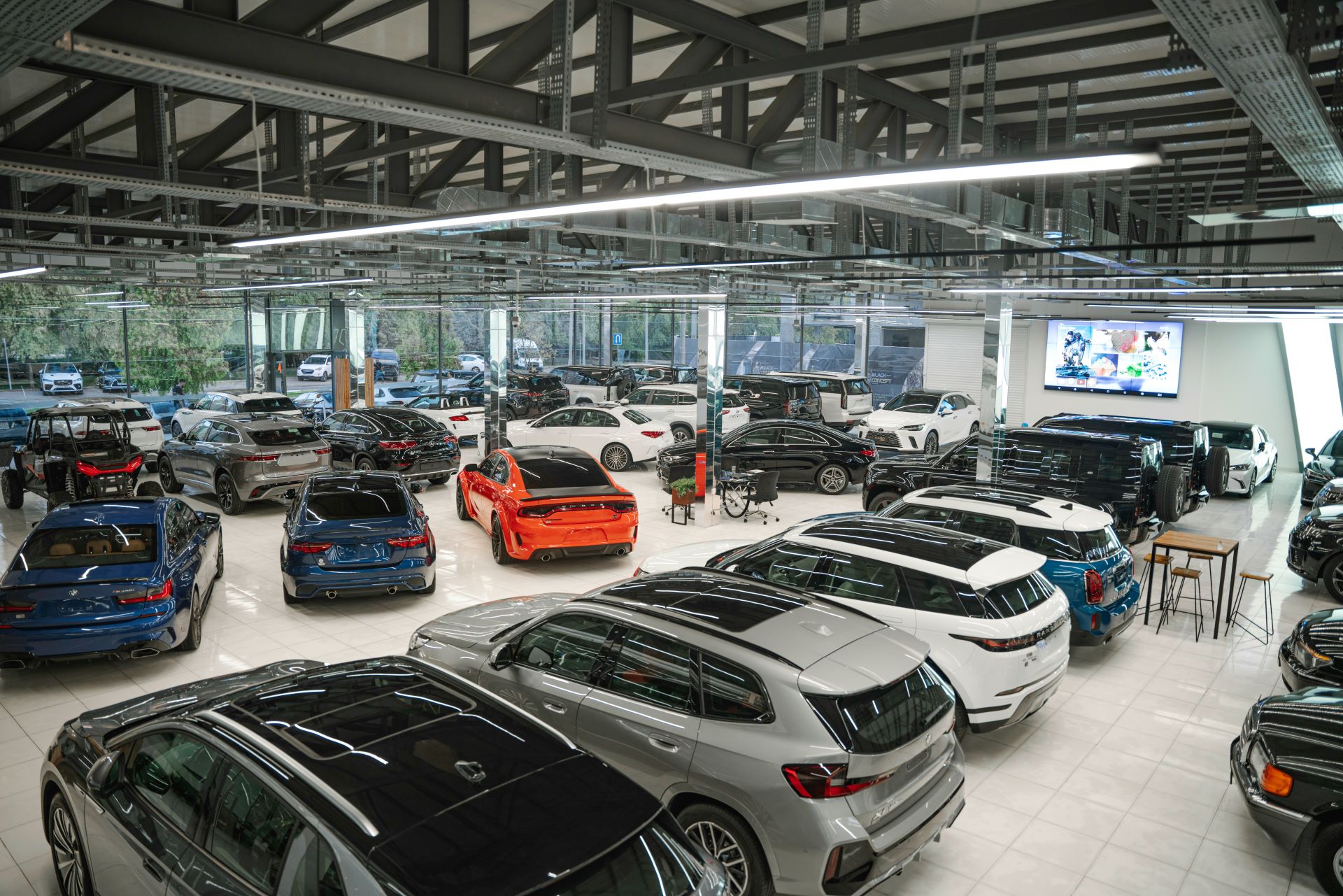
One of the most powerful outcomes of immersive dealership experiences is the ability to personalize interactions at scale. Data-driven tools can track visitor behavior within the showroom, allowing sales teams to tailor demonstrations and recommendations to individual preferences. For example, if a customer engages extensively with a specific model in VR, the system can highlight relevant trim levels, optional features, and financing options in real time.
Tesla has taken this approach to an extreme by integrating digital configurators directly into its showrooms. Customers can manipulate every aspect of a vehicle in real time, experimenting with finishes, interior materials, and performance options, all while receiving immediate feedback on pricing and availability. The experience is collaborative and exploratory, empowering customers to co-create their ideal vehicle and deepening emotional investment in the brand.
Personalization extends beyond vehicle choice. Brands can integrate lifestyle quizzes, AR-based customization modules, and digital configurators that let visitors experiment with colors, materials, and accessories. Customers leave the dealership not with just a car, but with a product that reflects their personality and lifestyle, reinforcing emotional ties to the brand.
Events and Community Activation
Immersive dealerships thrive when they extend beyond the walls of the showroom. Pop-up events, exclusive preview nights, and community-oriented workshops transform the dealership into a hub of activity. By positioning the space as a cultural and social venue, brands invite customers to return regularly, fostering long-term relationships rather than one-off transactions.
PorscheÔÇÖs ÔÇ£Porsche Experience CentersÔÇØ exemplify this approach. These centers host driving courses, off-road experiences, and product launch events, allowing customers and enthusiasts to connect with the brand in memorable, practical ways. Similarly, Lexus dealerships in Japan host weekend workshops ranging from art classes to sustainability seminars, creating an environment where brand engagement is experiential rather than purely transactional.
These events not only educate and entertain but also generate organic word-of-mouth promotion, social media engagement, and a sense of belonging among attendees. In effect, the dealership becomes an ecosystemÔÇöa place where brand culture is experienced, shared, and amplified. A customer might arrive to explore a new model but leave having shared experiences that embed the brand into their lifestyle and identity.
Balancing Digital and Physical Realities
While immersive technologies are central to this evolution, successful dealerships maintain a careful balance between digital experiences and tangible interactions. Customers still value the ability to sit in a vehicle, feel materials, and engage with knowledgeable staff. The key lies in integrating technology to enhance these interactions rather than replace them.
For example, AR can overlay detailed information onto a carÔÇÖs physical interior, highlighting safety features, infotainment options, or material quality. VR can simulate conditions that are impractical for live demonstration, such as off-road performance or extreme weather handling. The physical presence of vehicles remains critical, but technology amplifies the richness and breadth of the experience, making it more engaging and informative than ever before.
The balance extends to staff interactions as well. Sales personnel increasingly act as guides or concierges rather than traditional salespeople, facilitating experiences rather than pushing products. Staff can use technology to interpret data from customer interactions, tailoring recommendations while maintaining a human touchÔÇöensuring the dealership remains approachable and personable.
Sustainability and Social Responsibility
Modern buyers are increasingly conscious of sustainability and corporate responsibility. Immersive dealership experiences can integrate these values, turning spaces into showcases of green technology, renewable materials, and ethical design. VolvoÔÇÖs ÔÇ£Volvo StudioÔÇØ in Shanghai, for example, uses natural light, sustainable materials, and interactive displays that highlight the companyÔÇÖs commitment to electric mobility and safety innovations.
Integrating sustainability into the dealership experience goes beyond aesthetics; it is a reflection of brand identity. Visitors can engage with interactive modules detailing carbon footprints, battery recycling, or eco-friendly production methods, aligning the showroom visit with broader consumer values. This creates a multi-layered experience where education, ethics, and engagement converge.
The ROI of Immersive Dealerships
Investing in immersive dealership experiences requires significant upfront capital, but the return on investment extends far beyond immediate sales. Enhanced brand perception, longer customer dwell times, and higher engagement rates translate into increased loyalty and lifetime value. Furthermore, immersive experiences can accelerate the sales cycle by enabling confident, informed decision-making, reducing the reliance on high-pressure sales tactics, and encouraging advocacy.
Brands that pioneer these experiences also gain a competitive edge, differentiating themselves in crowded markets. In sectors where vehicle specifications and pricing can be easily compared online, the emotional and experiential elements of the dealership become key differentiators, reinforcing the brandÔÇÖs identity and values in the minds of consumers.
Looking Ahead: The Dealership of the Future
The future of automotive retail will increasingly be defined by its ability to engage, entertain, and educate. As VR and AR technologies become more sophisticated, and as consumers continue to seek personalized, meaningful interactions, dealerships will evolve into fully integrated brand experiences.
Future spaces may include AI-powered virtual assistants capable of guiding customers through customized journeys, immersive simulators that replicate global road conditions, and interconnected digital ecosystems linking in-store experiences with mobile apps and social platforms. Every element will be designed to reinforce brand narratives, create emotional resonance, and provide utility, ensuring that every visit is memorable, productive, and uniquely tailored.
Imagine a dealership where a customer begins their journey at home with an AR configurator, continues in-store with a VR immersion, explores interactive sustainability modules, relaxes in a lounge, and participates in a branded community eventÔÇöall seamlessly connected. The entire ecosystem becomes a living extension of the brand, blurring the boundaries between commerce, culture, and lifestyle.

Immersive dealership experiences represent a paradigm shift in automotive marketing. By embracing technology, lifestyle integration, and interactive storytelling, brands can transform physical spaces into dynamic destinations that captivate modern consumers. These environments foster engagement, build loyalty, and elevate the buying process from a transactional encounter into a multi-dimensional journey.
As the boundaries between physical and digital continue to blur, the dealership of tomorrow will be less about cars on a lot and more about the experiences those cars enable. By reimagining dealerships as experiential playgrounds, automotive brands are not just selling vehiclesÔÇöthey are cultivating connections, shaping perceptions, and driving the future of mobility itself.
Breyten Odendaal
Specializing in high-performance automotive advertising and digital marketing solutions, delivering cutting-edge insights and the latest news shaping the automotive industry in South Africa.
More From Advertising

Automotive Advertising in 2026: Selling Confidence in a More Competitive Market
As South Africa’s vehicle market becomes more competitive, automotive advertising needs to do more than announce a price or specification. It needs to help buyers understand value, ownership costs and why a vehicle suits their lives.

Automotive Digital Ads in South Africa: A Shift
Exploring how South Africa’s automotive advertising evolved from print and broadcast to data-driven, programmatic digital ecosystems.

The Video Shift in Car Buying Decisions in SA
Explore how video content shapes car purchase decisions in South Africa, comparing short-form and long-form strategies for automotive marketers.