The Showroom Has Left the Building
The traditional dealership once relied on polished tiles, bright halogen lights and a persuasive sales executive with a practiced smile. Today, the first handshake often happens through a screen. Buyers scroll before they stroll. They zoom before they drive. In this new terrain, automotive marketing has become an exercise in sensory persuasion delivered digitally, and interactive 360-degree vehicle tours have emerged as the most compelling bridge between curiosity and commitment.
A static image can flatter. A brochure can inform. But a 360-degree vehicle tour invites the buyer to step inside the story. It shifts control into their hands. They choose the angle, the detail, the feature to explore. It is not a presentation. It is participation. That subtle difference transforms passive interest into active engagement, and active engagement is the currency of modern automotive marketing.
Why Immersion Matters in the Buyer Journey
The modern vehicle buyer arrives informed, often armed with comparison spreadsheets and YouTube reviews. By the time they engage with a dealership, they have already eliminated several contenders. The marketing challenge is no longer about introducing the vehicle. It is about deepening conviction.
Interactive 360-degree tours create a pre-ownership experience. Prospective customers can swivel through the cabin, inspect stitching on the seats, examine the infotainment interface and peer into the boot space without setting foot on the showroom floor. This immersive exploration reduces uncertainty, which is one of the biggest friction points in the purchase journey.
Research consistently shows that buyers who spend more time interacting with a vehicle online demonstrate higher intent and shorter decision cycles. The reason is psychological. Immersion builds familiarity. Familiarity builds confidence. Confidence accelerates action.
For automotive marketers, this means that a well-designed 360-degree experience does more than attract traffic. It nurtures readiness.
From Feature Listing to Digital Test Drive
Traditional vehicle pages often resemble specification sheets with photography attached. While features and performance data remain essential, they rarely evoke emotion on their own. A 360-degree tour reframes those specifications in context.
When a buyer rotates the interior view and clicks on the panoramic sunroof, they are not merely reading about glass dimensions. They are visualising light flooding into their daily commute. When they zoom in on a digital cluster, they are imagining themselves behind the wheel.
This shift from listing to living is what makes interactive tours powerful marketing tools. They transform information into experience. In a competitive market where many vehicles share similar performance metrics, experience becomes the differentiator.
Automotive brands that integrate immersive tours into their product pages report longer session durations and higher click-through rates to booking forms. The digital test drive becomes a stepping stone to the physical one.
VR-Ready Showroom Integrations
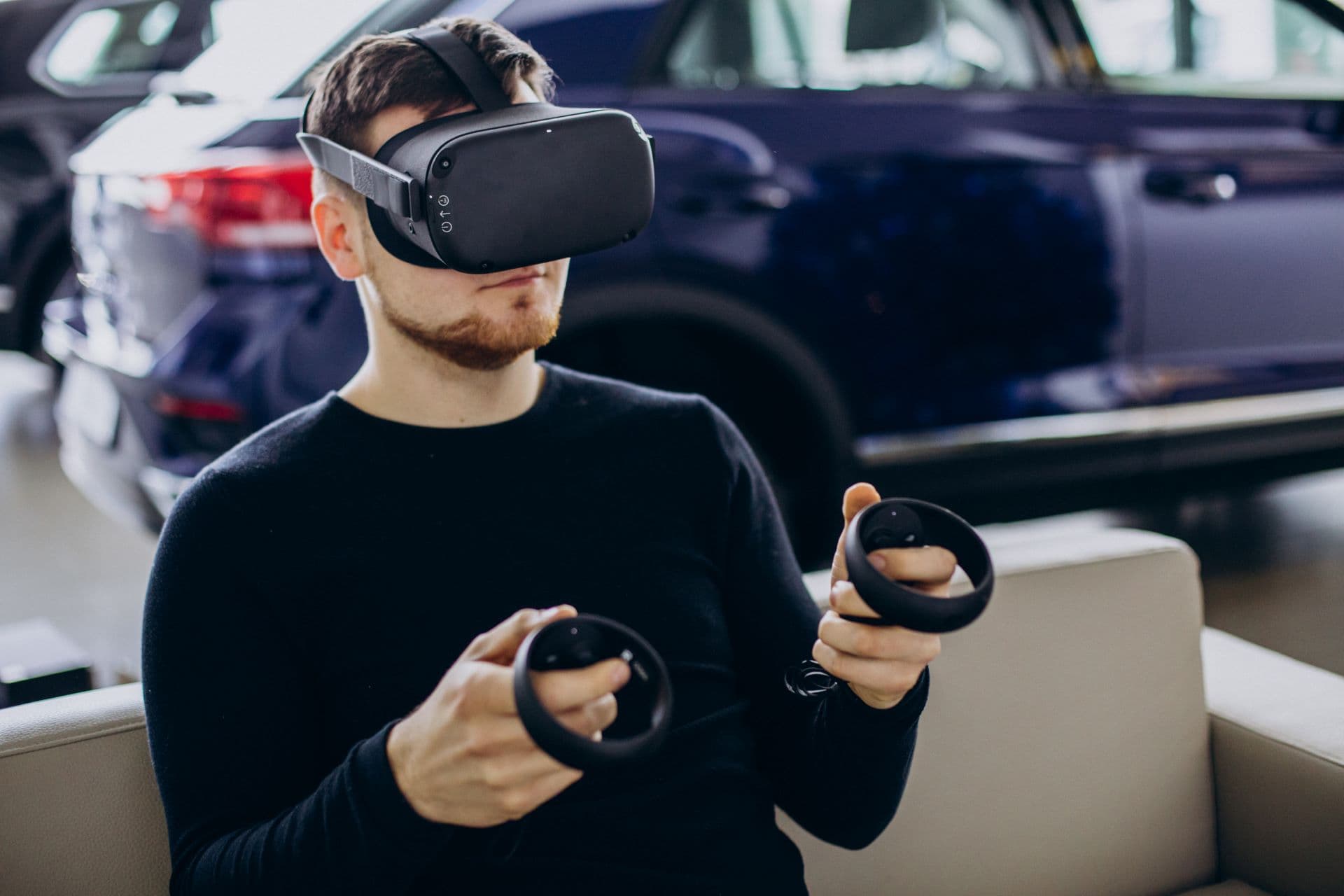
The next evolution lies in making these tours not just interactive but VR-ready. Virtual reality integration elevates the experience from screen-based exploration to spatial immersion.
With a VR headset, the buyer can virtually sit in the driverÔÇÖs seat, look around naturally and even simulate interactions with controls. This is not a gimmick reserved for technology enthusiasts. It is a strategic extension of the showroom.
Forward-thinking dealerships are beginning to integrate VR stations into their physical spaces. A customer walking in can explore different trims, colours and optional packages that may not be physically available on the floor. This reduces inventory constraints while expanding perceived choice.
For marketing teams, VR-ready assets serve dual purposes. They power online experiences for remote buyers and enhance in-store engagement. The showroom becomes both physical and digital, layered seamlessly.
Expanding Reach Beyond Geography
One of the most significant advantages of 360-degree vehicle tours is their ability to dissolve geographic barriers. A buyer in a remote location can explore a flagship model located hundreds of kilometres away. International buyers can examine a vehicle before arranging export logistics.
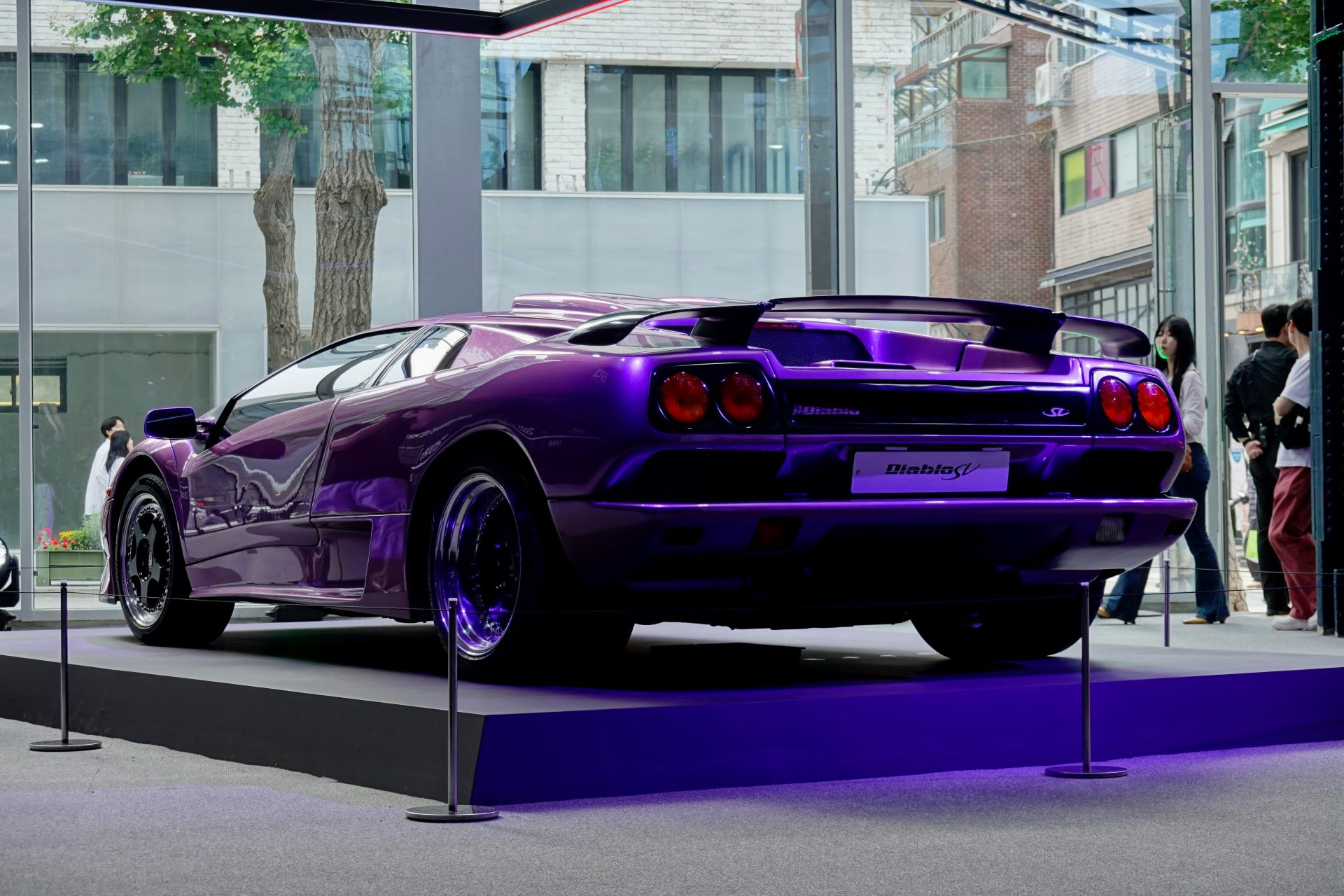
This capability is especially relevant for high-value or limited-edition models. When supply is constrained, immersive digital access ensures that every potential buyer receives a premium experience, regardless of location.
Automotive marketing no longer operates within dealership radii. It functions within digital ecosystems. Interactive tours make those ecosystems tangible.
Enhancing Transparency and Trust
Trust remains the cornerstone of vehicle sales. Buyers are wary of hidden flaws, exaggerated claims and surprises discovered too late. A comprehensive 360-degree tour signals transparency.
When customers can inspect interior finishes, panel alignments and design details up close, they feel informed rather than persuaded. This perception of openness strengthens brand credibility.
For pre-owned vehicles, interactive tours are particularly impactful. High-resolution 360-degree imagery can highlight condition, wear points and included accessories. Instead of relying on selective photography, the dealership demonstrates confidence by showing the entire vehicle.
In marketing terms, transparency is a competitive advantage. It reduces objections before they arise.
Integrating Data and Personalisation
A sophisticated 360-degree platform does more than display visuals. It captures behavioural data. Marketers can analyse which features receive the most interaction, how long users spend exploring specific trims and where they exit the experience.
This data becomes a roadmap for optimisation. If buyers consistently focus on safety technology, marketing messages can emphasise those features more prominently. If certain colour options attract extended engagement, promotional campaigns can highlight them.
Personalisation further enhances impact. Returning visitors can be presented with the trim or configuration they previously explored. The experience feels curated rather than generic.
In a landscape where personal relevance drives conversions, interactive tours become both engagement tools and intelligence engines.

Supporting Omnichannel Campaigns
Interactive vehicle tours do not exist in isolation. They integrate seamlessly into broader automotive marketing strategies.
Social media campaigns can link directly to immersive experiences. Paid search ads can highlight ÔÇ£Explore in 360┬░ÔÇØ as a call to action. Email marketing can re-engage prospects with reminders to complete their virtual tour.
Even traditional advertising channels benefit. A television commercial can invite viewers to ÔÇ£Step Inside Online Tonight,ÔÇØ directing them to a VR-ready experience that extends the narrative.
This omnichannel integration ensures consistency. The brand story introduced in an advert is completed in the digital showroom.
Reducing Sales Friction
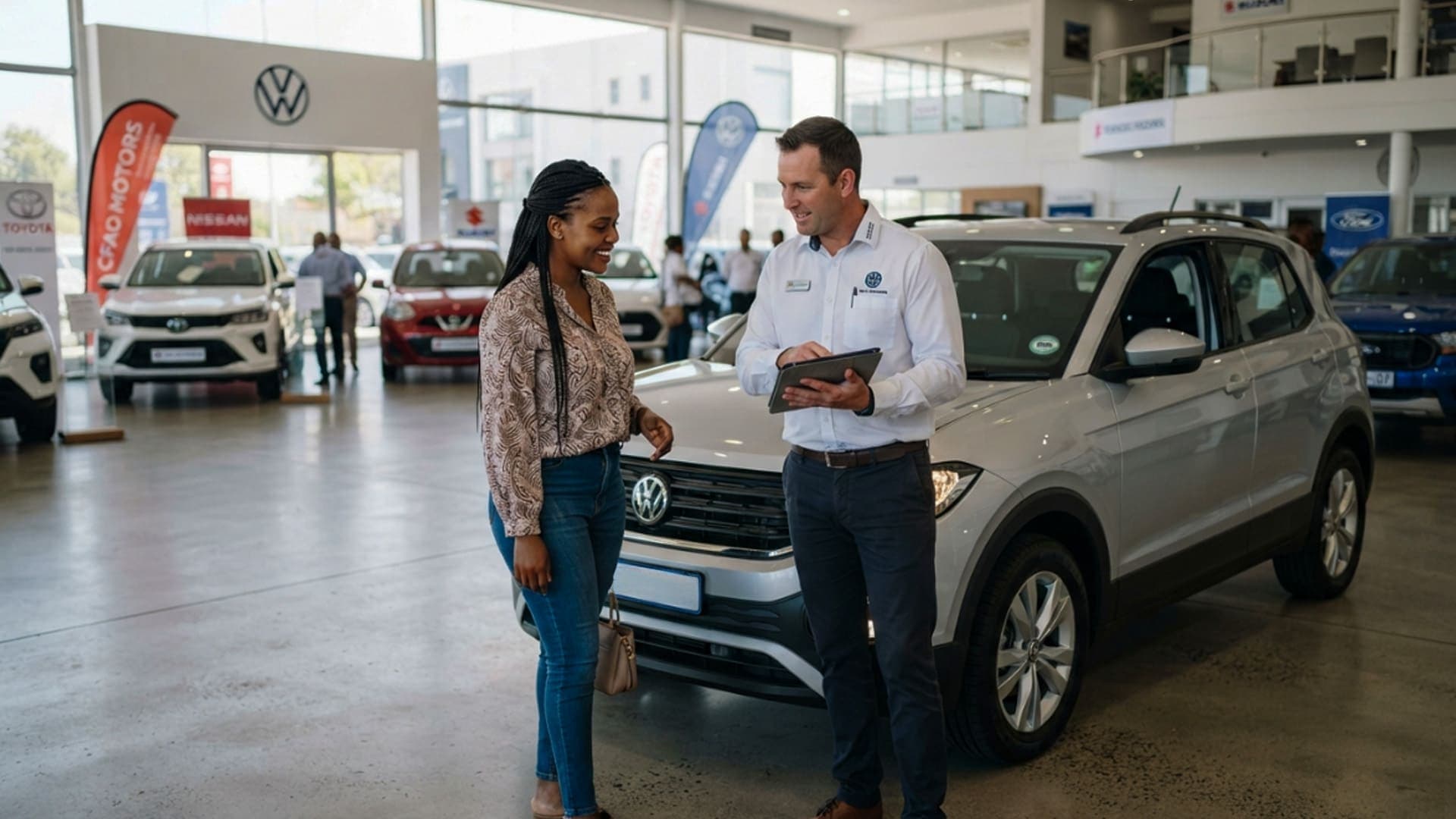
Every additional visit required before purchase introduces potential drop-off. If a buyer must visit a dealership multiple times to compare trims or inspect features, friction increases.
Interactive 360-degree tours reduce this friction by consolidating exploration into a single, accessible platform. Buyers arrive at the dealership with focused questions rather than general curiosity.
Sales teams benefit as well. Conversations shift from introductory explanations to tailored discussions. Time is used more efficiently. Closing ratios improve.
From a marketing perspective, this efficiency enhances return on investment. Leads generated through immersive experiences tend to be warmer and more qualified.
Elevating Brand Perception
Innovation influences perception. When a brand offers immersive, VR-ready tours, it communicates modernity and technological sophistication.
This perception extends beyond the digital platform. It shapes how buyers view the vehicles themselves. A technologically advanced buying experience reinforces the idea of technologically advanced products.
Luxury brands, in particular, leverage this alignment. An immersive digital showroom mirrors the refinement of a premium cabin. The experience feels cohesive.
For mainstream brands, adopting interactive tours signals progressiveness. It demonstrates responsiveness to changing consumer expectations.
Content Quality and Production Standards
The effectiveness of a 360-degree vehicle tour depends heavily on production quality. Poor lighting, low resolution or clunky navigation undermine credibility.
High-definition imagery, intuitive controls and seamless transitions are essential. Hotspots that reveal feature explanations, short video clips or animated demonstrations add depth.
Consistency across models is equally important. A fragmented experience creates confusion. A unified interface reinforces brand identity.
Automotive marketing teams must collaborate closely with production specialists to ensure that immersive assets meet both aesthetic and strategic objectives.
Future Directions in Immersive Automotive Marketing
As technology advances, interactive vehicle tours will evolve further. Integration with augmented reality may allow buyers to project a life-sized vehicle into their driveway using a smartphone. Artificial intelligence could guide users through features based on expressed preferences.
Voice interaction within VR environments may enable natural exploration. Buyers could request to view cargo space or switch interior colours with simple commands.
The trajectory is clear. Immersion will deepen. Boundaries between digital and physical experiences will continue to blur.
Automotive marketing professionals who embrace this evolution early will position their brands ahead of the curve.
Turning Curiosity into Commitment
Interactive 360-degree vehicle tours represent more than a technological novelty. They are strategic assets that align with contemporary buyer behaviour.
By offering immersive exploration before a showroom visit, automotive marketers empower customers with confidence and clarity. VR-ready integrations extend this empowerment into both digital and physical spaces.
In an industry defined by innovation, the way vehicles are marketed must reflect the same spirit. When buyers can step inside a vehicle from anywhere, curiosity transforms into connection, and connection drives commitment.
Breyten Odendaal
Specializing in high-performance automotive advertising and digital marketing solutions, delivering cutting-edge insights and the latest news shaping the automotive industry in South Africa.
More From Advertising
Automotive Advertising in 2026: Selling Confidence in a More Competitive Market
As South Africa’s vehicle market becomes more competitive, automotive advertising needs to do more than announce a price or specification. It needs to help buyers understand value, ownership costs and why a vehicle suits their lives.

Automotive Digital Ads in South Africa: A Shift
Exploring how South Africa’s automotive advertising evolved from print and broadcast to data-driven, programmatic digital ecosystems.

The Video Shift in Car Buying Decisions in SA
Explore how video content shapes car purchase decisions in South Africa, comparing short-form and long-form strategies for automotive marketers.