
The Power of Nostalgia in Automotive Marketing
In the fast-paced world of automotive marketing, where technology, performance, and sustainability often dominate the conversation, there is an understated yet profoundly effective tool that brands continue to leverage: nostalgia. Nostalgia marketing is not simply a sentimental longing for the past; it is a strategic approach that taps into deep-seated emotions, creating an immediate connection between consumer memories and brand identity. In emerging markets, such as South Africa, where historical, social, and cultural experiences are rich and diverse, nostalgia can resonate uniquely, turning classic designs and reintroduced models into powerful marketing instruments.
Nostalgia in marketing has always played a pivotal role in influencing consumer behaviour. Human memory is remarkably selective; it tends to romanticize the past, focusing on emotional highlights rather than granular details. In automotive marketing, this means that the vehicles people remember fondly are often less about technical specifications and more about the experiences they representÔÇöthe first car that ferried them to school, a weekend getaway with friends, or the iconic launch that defined a generation. These memories are imprinted in local culture, forming a tapestry of associations that brands can strategically weave into their messaging.
Emerging markets present a fertile ground for nostalgia marketing for several reasons. Firstly, the rapid evolution of automotive technology often leaves a gap between modern offerings and the cars that shaped the consumerÔÇÖs formative years. In South Africa, for example, vehicles such as the Toyota Corolla, Ford Escort, or Volkswagen Golf were not merely cars; they were symbols of aspiration, freedom, and independence. Reintroducing these models in retro-inspired forms or as limited edition revivals allows brands to bridge generational divides, appealing both to older consumers seeking a connection with their past and younger buyers intrigued by the iconic status of these vehicles.
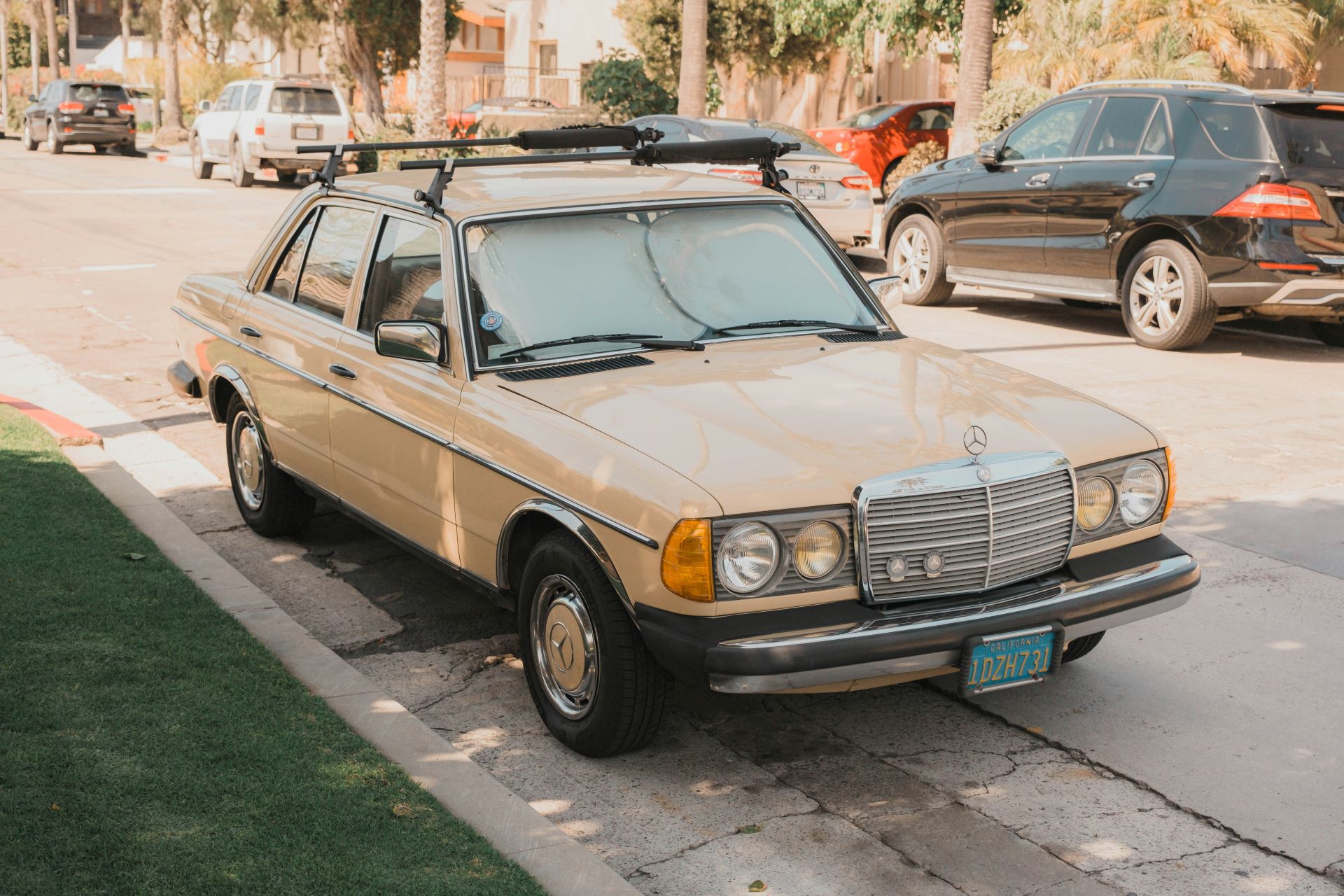
Secondly, the unique socio-cultural landscape of South Africa amplifies the impact of nostalgia marketing. Local automotive culture has always had its defining momentsÔÇövehicles launched in the 1980s and 1990s were embedded in community life, from Sunday drives along the Garden Route to the early days of motorsport engagement at circuits such as Kyalami. By tapping into these shared experiences, brands can create campaigns that resonate on both a personal and collective level. Nostalgia marketing here is not just about selling a car; it is about selling a story that aligns with South African identity and history.
Automotive brands have increasingly recognized that nostalgia can be a subtle but potent differentiator. In emerging markets, where consumers often juggle affordability with aspirational desires, the emotional connection established through nostalgia can outweigh technical considerations. For instance, a reissued Volkswagen Beetle or Ford Ranger with retro design cues can evoke memories of family road trips or weekend adventures while simultaneously providing modern safety and efficiency. This dual appealÔÇöemotional familiarity coupled with contemporary practicalityÔÇöenhances the perceived value and encourages brand loyalty.
Furthermore, nostalgia marketing extends beyond the vehicles themselves. It permeates advertising campaigns, dealership experiences, and even social media strategies. Brands often recreate classic adverts, using original audio-visual elements to transport audiences back to earlier decades. In South Africa, campaigns that showcase a 1980s launch event or highlight the first locally manufactured models trigger a sense of pride and shared memory, reinforcing brand heritage. Social media has amplified this effect exponentially, allowing consumers to share personal anecdotes, photos, and videos, effectively co-creating a narrative that extends the reach of nostalgia-driven campaigns.
Ultimately, the success of nostalgia marketing in emerging markets like South Africa hinges on authenticity. Consumers can distinguish between genuine reverence for heritage and opportunistic attempts to capitalise on past glories. Automotive brands must approach nostalgia as a dialogue rather than a monologue, engaging audiences with carefully curated content that respects cultural memory. When executed well, nostalgia marketing does more than sell cars; it transforms brands into custodians of collective memory, forging enduring emotional connections that translate into loyalty, advocacy, and long-term market relevance.
Reintroducing Classic Models ÔÇô Emotional and Strategic Impacts
The decision to reintroduce classic models is more than a nod to the past; it is a calculated strategy that merges emotional appeal with tangible business outcomes. In the South African context, where automotive history is interwoven with personal and societal milestones, the re-emergence of iconic models can trigger profound engagement, generating both media buzz and consumer interest.
One of the most immediate effects of reintroducing classic models is the rekindling of emotional attachment. Cars that defined youth culture or significant eras carry with them powerful memories. For instance, the Volkswagen Golf Mk1, long celebrated for its compact practicality and fun driving dynamics, evokes memories of student life, first jobs, and road trips along the Cape coastline. Similarly, the Ford Escort, which dominated local streets during the 1980s, remains a symbol of reliability and community identity. By bringing such models backÔÇöwhether through limited edition releases, retro design elements, or modern reinterpretationsÔÇöbrands can reconnect consumers to formative experiences, creating an emotional resonance that transcends the functional aspects of a vehicle.
Beyond emotional engagement, the strategic benefits of classic model reintroductions are significant. Firstly, they reinforce brand heritage and authenticity. In a market saturated with new entrants and global competition, heritage acts as a differentiator, establishing a narrative of longevity and trust. Brands like BMW, Volkswagen, and Ford have successfully leveraged their historical models globally, but in South Africa, the impact is amplified by the distinctive local context. Campaigns that highlight the legacy of locally beloved models reinforce the brandÔÇÖs commitment to the market and demonstrate an understanding of local consumer values.
Secondly, nostalgia-driven product launches often stimulate both media and consumer attention in ways that conventional marketing campaigns struggle to achieve. A well-executed retro launch can dominate automotive press coverage and social media chatter simultaneously. For example, unveiling a limited edition ÔÇ£Heritage SeriesÔÇØ Ford Ranger that incorporates styling cues from the 1990s, while maintaining modern safety and efficiency standards, can generate excitement among older buyers while introducing younger consumers to the modelÔÇÖs historical significance. This dual appealÔÇöcombining novelty with familiarityÔÇömaximises the reach and impact of marketing campaigns in emerging markets.
Moreover, reintroducing classic models provides an opportunity to reinterpret them with contemporary technology. By integrating modern infotainment systems, safety features, and fuel-efficient engines, brands create a seamless blend of nostalgia and practicality. South African consumers, increasingly aware of global automotive trends, expect modern functionality alongside emotional storytelling. A vehicle that evokes childhood memories but also meets current expectations of efficiency, connectivity, and safety is positioned to capture attention across multiple demographics, strengthening both sales potential and brand perception.
Limited edition or retro-inspired releases also drive exclusivity and urgency, crucial psychological drivers in emerging markets. Consumers are drawn to the idea of owning a piece of history, particularly if the product is positioned as a collectorÔÇÖs item. Brands often complement such launches with curated experiencesÔÇöheritage-themed events, test drives with retro aesthetics, and social media activations that encourage user-generated content. In South Africa, where automotive communities are highly engaged, this approach can create a multiplier effect, generating organic word-of-mouth and reinforcing the emotional connection with the brand.
Finally, reintroducing classic models can serve as a bridge between generations. Older consumers reconnect with vehicles that defined their youth, while younger audiences discover the cultural significance and design appeal of these icons. This intergenerational resonance strengthens the brandÔÇÖs long-term relevance, fostering loyalty and advocacy that can endure for decades. Nostalgia, in this sense, is not a fleeting trend but a strategic lever that enhances brand equity while driving measurable commercial results.
Retro Design as a Cultural Touchstone
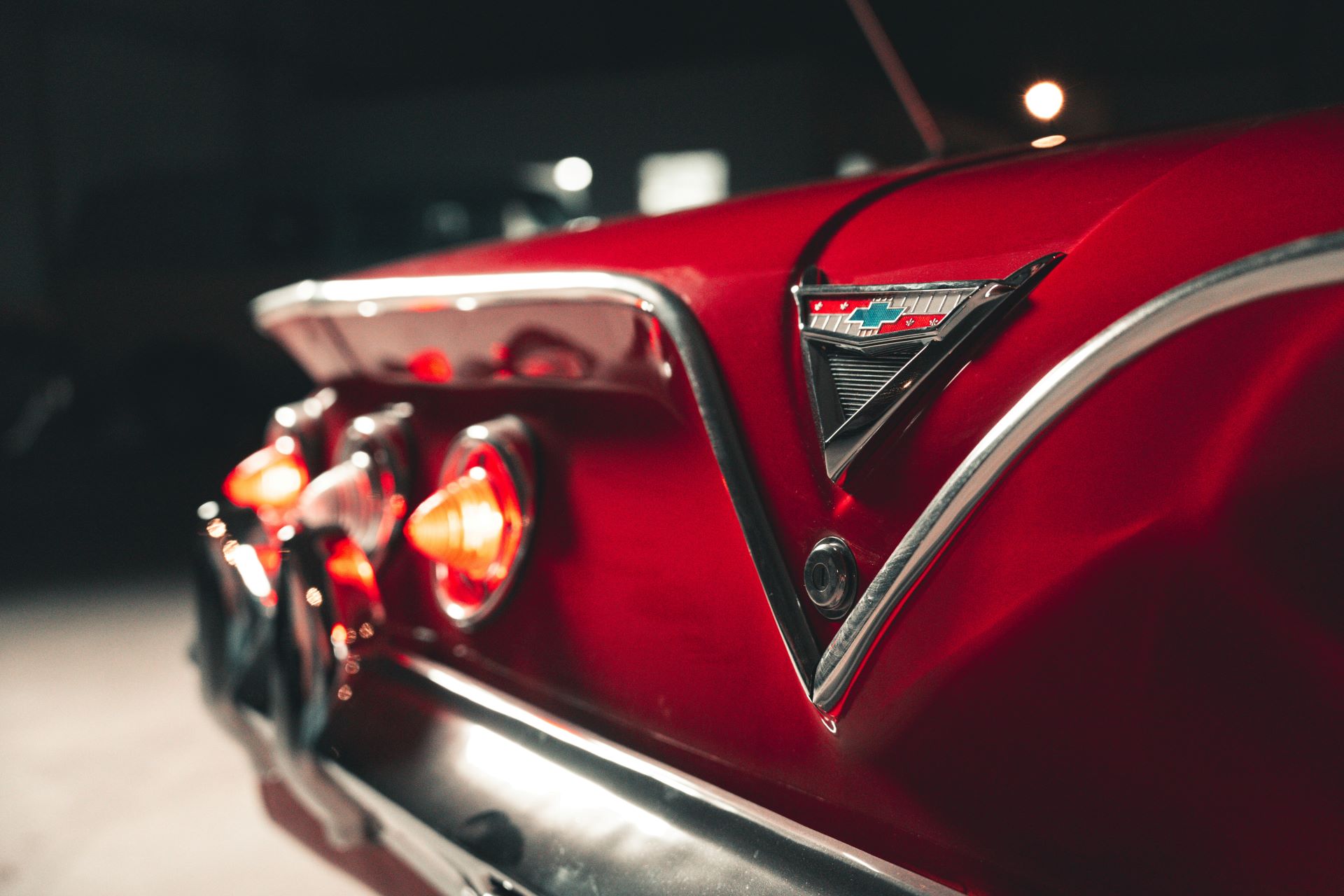
While reintroducing classic models carries emotional weight, the design itself plays a critical role in evoking nostalgia. In South Africa, where automotive aesthetics have historically intersected with cultural identity, retro design is more than a stylistic choiceÔÇöit is a cultural touchstone that communicates belonging, pride, and memory.
Design cues from past erasÔÇörounded headlights, chrome trims, two-tone paint schemesÔÇöact as visual shorthand, instantly triggering recognition and sentiment. Consumers subconsciously associate these elements with specific periods in their lives or societal milestones, creating an immediate, visceral connection. For instance, a 1980s-inspired Mercedes-Benz W123 interior, with its simple dashboard layout, tactile buttons, and understated elegance, conveys more than functionality; it evokes the era of South African social mobility, entrepreneurial beginnings, and family milestones.
The integration of retro design into modern vehicles requires a careful balance. Brands must capture the essence of the original while incorporating contemporary ergonomics, safety, and efficiency standards. South African consumers are discerning; they appreciate authenticity and craftsmanship. Overly superficial nods to heritage risk being dismissed as gimmicks, whereas thoughtful reinterpretations demonstrate respect for both the past and present. Iconic design elements should serve as anchors around which modern innovation is woven, ensuring that the vehicle resonates emotionally without sacrificing practicality.
Cultural resonance is particularly critical in emerging markets. In South Africa, cars often hold symbolic significance beyond their function as transportation. They represent independence, aspiration, and personal achievement. Retro designs amplify this symbolism, serving as reminders of formative experiences shared across communities. A vehicle that visually harkens back to a beloved local launch or era of motorsport success can create powerful narrative opportunities. Advertising campaigns can leverage these visuals to construct stories that resonate not only with individual consumers but also with broader collective memories, reinforcing social and cultural identity.
Retro design also supports experiential marketing strategies. Dealerships can recreate historical showrooms, highlighting design evolution and engaging consumers in tactile, immersive experiences. South African automotive enthusiasts often value firsthand encounters, from inspecting classic curves to engaging with heritage materials. By integrating retro aesthetics into modern launches, brands provide an interactive bridge between the past and present, strengthening emotional investment while driving foot traffic and engagement.
Moreover, retro design can catalyze social media virality. Iconic visuals encourage sharing, discussion, and user-generated content, expanding campaign reach organically. In emerging markets, where digital engagement is growing rapidly, visually compelling vehicles with strong cultural resonance often outperform purely technical campaigns. Memorable design cues invite storytelling, allowing consumers to project personal memories and experiences onto the brand, enhancing the emotional depth of the marketing message.
Ultimately, retro design is more than a nostalgic indulgence; it is a strategic tool that links heritage to contemporary identity. In South Africa, where vehicles are woven into the cultural fabric, thoughtful design reinterpretations reinforce brand authenticity, evoke pride, and stimulate engagement. When executed successfully, retro design transforms cars into cultural artefacts, offering consumers an emotional connection that goes beyond transportation to encompass memory, identity, and aspiration.
Crafting Nostalgia Campaigns in Emerging Markets
The vehicle itself is only part of the nostalgia equation; the accompanying campaign must amplify emotional resonance, translating heritage into actionable engagement. In emerging markets such as South Africa, crafting effective nostalgia campaigns requires a nuanced understanding of local culture, consumer behaviour, and media consumption patterns.
Authenticity is paramount. Campaigns should highlight genuine heritage, leveraging archival imagery, original launch materials, and stories from long-standing employees or community members. For instance, a campaign reintroducing the classic Toyota Corolla could feature testimonies from South Africans who grew up with the model, capturing its impact on family life, work, and leisure. This approach humanizes the vehicle, transforming it from a static object into a vessel of shared memory, resonating on both individual and collective levels.
Storytelling must be culturally contextual. South African audiences respond to narratives that reflect local realitiesÔÇöroad trips along the Garden Route, visits to rural family homes, or moments in urban commuter life. By situating vehicles within familiar contexts, brands deepen emotional engagement, encouraging consumers to see themselves and their experiences reflected in the campaign. Even global brands must adapt messaging to local sensibilities, ensuring that heritage is celebrated in a way that feels relevant and relatable.
Visual identity plays a critical role. Campaigns should juxtapose retro aesthetics with contemporary production values, creating a sense of continuity and evolution. Archival footage, vintage colour palettes, and period-specific music can evoke the era while modern cinematography ensures aspirational appeal. In South Africa, where visual storytelling is particularly powerful in media and social channels, the ability to blend nostalgia with modernity can significantly enhance audience reception.
Engagement strategies should invite participation. Social media activations encouraging consumers to share personal memories, photos, or anecdotes related to the vehicle can create a sense of community and co-creation. Limited edition releases or heritage events provide further touchpoints, turning nostalgia into a tangible, participatory experience. In emerging markets, where experiential marketing is growing in influence, these strategies foster deeper emotional connections and organic word-of-mouth.
Measurement of success in nostalgia campaigns extends beyond immediate sales. Metrics should encompass brand sentiment, social engagement, and cultural resonance. In South Africa, campaigns that successfully capture heritage and memory often create enduring brand loyalty, influencing not only direct purchasers but also the broader market perception of the brand. Nostalgia marketing, when executed with authenticity and cultural sensitivity, reinforces brand equity while driving long-term relevance.
Finally, collaboration with local partners enhances credibility. Heritage initiatives can be supported by local museums, automotive clubs, and community organizations, lending legitimacy and strengthening cultural alignment. These partnerships amplify the campaignÔÇÖs authenticity, positioning the brand not merely as a marketer but as a curator of local history and memory, reinforcing its commitment to the South African market.
The Future of Nostalgia Marketing in South Africa
As South Africa continues to integrate into the global automotive ecosystem, nostalgia marketing will remain a powerful tool for brands seeking differentiation and emotional engagement. The convergence of technological advancement, evolving consumer expectations, and rich cultural heritage creates a unique environment in which nostalgia can thrive, providing both strategic and emotional benefits.
Looking ahead, nostalgia marketing is likely to evolve beyond product-centric campaigns to encompass holistic experiences. Digital platforms offer opportunities to extend heritage storytelling into interactive spaces, such as virtual showrooms, augmented reality experiences, and immersive social media narratives. South African consumers increasingly expect interactive and shareable content; campaigns that leverage nostalgia in these formats can deepen engagement and reach broader audiences, including digitally native younger generations unfamiliar with the original models.
Sustainability considerations will also influence nostalgia marketing strategies. Reintroducing classic models with modern, eco-friendly technology aligns heritage with contemporary values, addressing environmental consciousness without compromising emotional resonance. For example, retro-inspired vehicles with hybrid or electric powertrains allow brands to honour their legacy while embracing the future, appealing to both traditional enthusiasts and progressive buyers.

Intergenerational appeal will remain critical. South African automotive culture is shaped by a diversity of experiences across age groups, and nostalgia marketing can bridge generational divides. Campaigns that connect older consumers with cherished memories while introducing younger audiences to iconic models create a shared cultural narrative, strengthening community and brand identity. Brands that master this balance can cultivate loyalty that transcends single purchase cycles, establishing enduring relationships with multiple generations.
The integration of nostalgia with broader marketing strategies will also be essential. Cross-channel consistencyÔÇölinking television, print, social media, and experiential marketingÔÇöensures that nostalgia is not isolated to one touchpoint but is reinforced across the consumer journey. Partnerships with lifestyle brands, media, and influencers who align with heritage narratives can amplify impact, creating holistic campaigns that resonate emotionally and culturally.
In conclusion, nostalgia marketing in emerging markets like South Africa is not merely a tactical exercise; it is a strategic imperative. By reintroducing classic models, leveraging retro design, crafting culturally resonant campaigns, and integrating modern technology, automotive brands can harness the power of memory and emotion to foster loyalty, engagement, and long-term relevance. The vehicles themselves become more than machinesÔÇöthey transform into vessels of shared experience, storytelling, and cultural pride. For brands willing to invest in authenticity and creativity, nostalgia offers a pathway to differentiation, relevance, and enduring connection in a market where memory is as powerful as innovation.
Breyten Odendaal
Specializing in high-performance automotive advertising and digital marketing solutions, delivering cutting-edge insights and the latest news shaping the automotive industry in South Africa.
More From Advertising

Automotive Advertising in 2026: Selling Confidence in a More Competitive Market
As South Africa’s vehicle market becomes more competitive, automotive advertising needs to do more than announce a price or specification. It needs to help buyers understand value, ownership costs and why a vehicle suits their lives.

Automotive Digital Ads in South Africa: A Shift
Exploring how South Africa’s automotive advertising evolved from print and broadcast to data-driven, programmatic digital ecosystems.

The Video Shift in Car Buying Decisions in SA
Explore how video content shapes car purchase decisions in South Africa, comparing short-form and long-form strategies for automotive marketers.