
Imagine scrolling through your favorite automotive website and stumbling upon an ad that feels like it was crafted just for you. The car model is precisely what youÔÇÖve been eyeing, the color matches your dream shade, and the financing options align perfectly with your budget. This isnÔÇÖt a coincidenceÔÇöitÔÇÖs hyper-personalization at work.
Hyper-personalization is revolutionizing the way automotive brands engage with consumers, making advertisements feel less like generic promotions and more like tailored recommendations. Powered by artificial intelligence (AI), hyper-personalization leverages real-time data, machine learning, and predictive analytics to deliver content that resonates with each individual. As car manufacturers and dealerships embrace these cutting-edge techniques, the way we experience automotive advertising is shifting dramatically.

Understanding Hyper-Personalization
What Is Hyper-Personalization?
Hyper-personalization goes beyond traditional targeted advertising by integrating AI-driven insights into consumer preferences, behaviors, and even emotions. Unlike conventional personalization, which might use demographic segmentation or past purchase history, hyper-personalization analyzes browsing behavior, search patterns, social media activity, and even voice search queries to create an ultra-tailored ad experience.
How AI Enables Hyper-Personalization
The rapid advancement of AI has paved the way for hyper-personalization in advertising. By processing vast amounts of data in real-time, AI can detect patterns, predict interests, and adjust ad content dynamically.
Applications in Other Industries
Retail giants like Amazon and streaming services like Netflix have long used AI-driven recommendations to keep consumers engaged. In healthcare, AI-powered personalization enhances patient care by predicting medical needs. The automotive industry is now leveraging similar techniques to enhance customer engagement, ensuring that the right person sees the right ad at the right time.
AI Technologies Behind Hyper-Personalization
Machine Learning and Predictive Analytics
Machine learning algorithms analyze consumer interactions to identify trends and predict future behaviors. For example, if a user frequently searches for hybrid SUVs, AI can adjust the ads they see to highlight eco-friendly vehicle options.
Natural Language Processing (NLP)
NLP enables AI to understand consumer sentiment by analyzing online reviews, social media conversations, and even voice searches. This helps brands craft messages that align with the consumerÔÇÖs mindset.
Data Collection and Processing
AI collects data from various sources, including website visits, email interactions, and GPS location tracking. This information is then processed to deliver hyper-relevant ads.
Privacy Concerns and Solutions
With great personalization comes great responsibility. Consumers are increasingly concerned about data security and privacy. Companies are addressing this by implementing transparent data policies, giving users control over their data, and using anonymization techniques to protect personal information.
Case Studies in the Automotive Industry
BMWÔÇÖs AI-Powered Ad Campaigns
BMW has leveraged AI to analyze customer preferences and create personalized digital experiences. By using machine learning, BMW delivers targeted ads based on an individualÔÇÖs browsing history and past interactions with the brand.
TeslaÔÇÖs Data-Driven Customer Engagement
TeslaÔÇÖs AI ecosystem collects real-time data from vehicle usage patterns, allowing the brand to tailor advertisements and recommendations based on driving behavior and preferences.
Mercedes-BenzÔÇÖs Chatbot AI
Mercedes-Benz employs AI-powered chatbots to engage with potential buyers, providing personalized recommendations based on user inquiries and past interactions.

Benefits for Consumers and Businesses
For Consumers
For Businesses
Challenges and Ethical Considerations
Data Security Risks
Collecting and analyzing vast amounts of consumer data raises security concerns. Companies must ensure robust cybersecurity measures to protect sensitive information.
Ethical Implications
The line between helpful personalization and intrusive surveillance is thin. Brands must navigate ethical concerns carefully to maintain consumer trust.
Regulatory Compliance
Data privacy laws, such as GDPR and CCPA, require companies to handle consumer data responsibly. Compliance with these regulations is essential for ethical advertising practices.
The Future of Automotive Advertising
Integration with Emerging Technologies
As AI evolves, hyper-personalization will integrate with technologies like augmented reality (AR) and virtual reality (VR) to offer immersive advertising experiences. Imagine test-driving a car virtually through an ad tailored to your preferences.
IoT and Connected Cars
Connected vehicles will play a crucial role in hyper-personalization. AI will use real-time driving data to suggest vehicle upgrades, maintenance services, and personalized in-car experiences.
The Road Ahead
The future of automotive advertising is set to become even more intuitive and immersive, providing consumers with experiences that feel more like tailored recommendations than traditional marketing.

AI-driven hyper-personalization is transforming automotive advertising, making it more relevant, engaging, and effective. By harnessing machine learning, NLP, and predictive analytics, brands can deliver ultra-targeted ads that align with consumer preferences. While challenges like data security and ethical concerns remain, advancements in AI will continue to refine the advertising experience. For automotive enthusiasts, this means a future where ads donÔÇÖt just sell cars but enhance the entire car-buying journey.
As AI continues to push the boundaries of marketing innovation, one thing is certain: the automotive ads of tomorrow will be smarter, more intuitive, and undeniably personal.
Breyten Odendaal
Specializing in high-performance automotive advertising and digital marketing solutions, delivering cutting-edge insights and the latest news shaping the automotive industry in South Africa.
More From Advertising
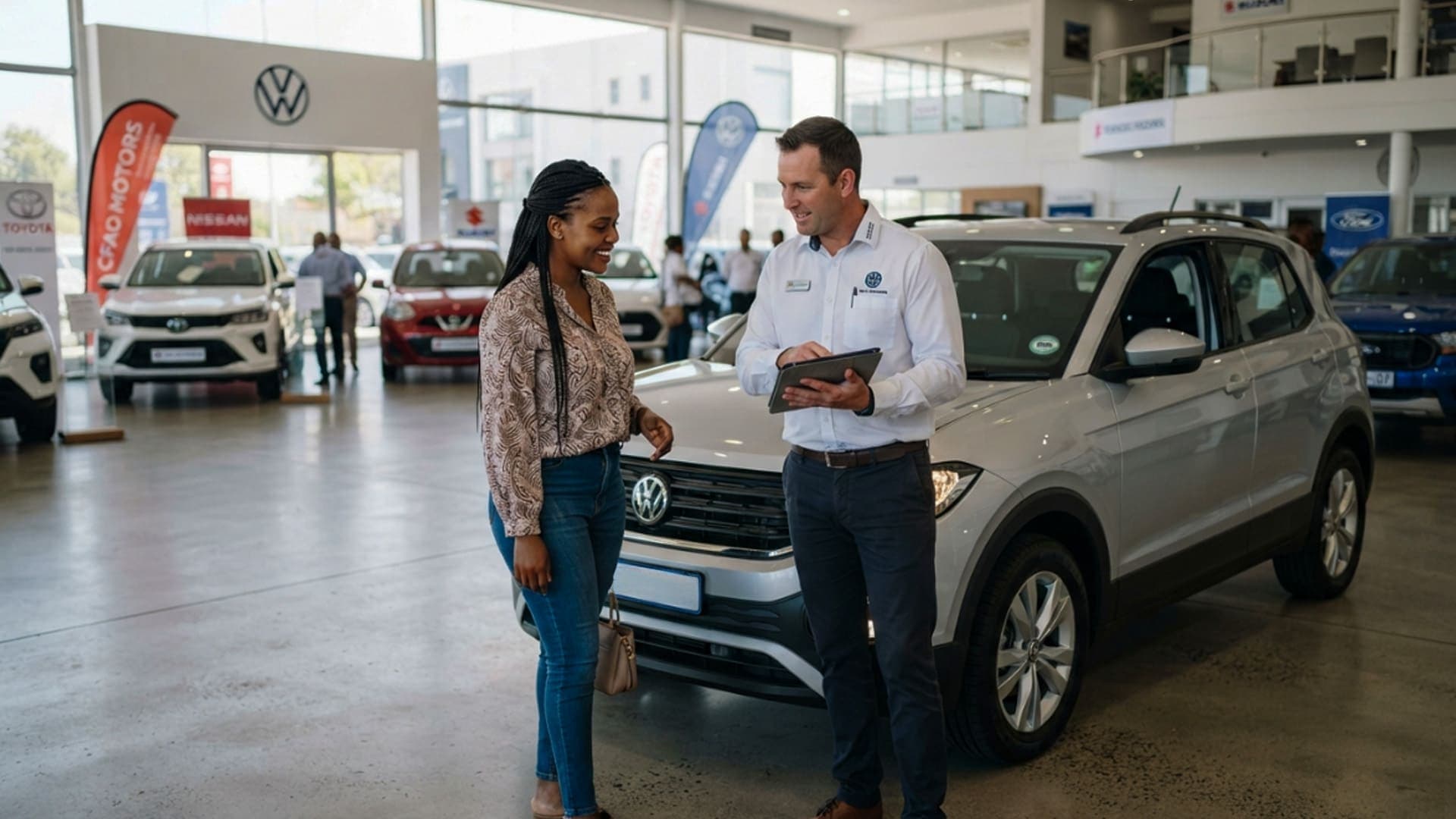
Automotive Advertising in 2026: Selling Confidence in a More Competitive Market
As South Africa’s vehicle market becomes more competitive, automotive advertising needs to do more than announce a price or specification. It needs to help buyers understand value, ownership costs and why a vehicle suits their lives.

Automotive Digital Ads in South Africa: A Shift
Exploring how South Africa’s automotive advertising evolved from print and broadcast to data-driven, programmatic digital ecosystems.

The Video Shift in Car Buying Decisions in SA
Explore how video content shapes car purchase decisions in South Africa, comparing short-form and long-form strategies for automotive marketers.