
The End of the One-Size-Fits-All Campaign
Global car brands operate in a uniquely complex ecosystem. Unlike luxury goods or digital services, which often rely on universal aspirations and streamlined branding, the automotive industry sells a product that is deeply entwined with regional identity, infrastructure, and lifestyle. A family SUV that captures the imagination of suburban South Africans may be entirely irrelevant in Tokyo, while the understated sophistication that resonates with German buyers could fall flat in Cape Town or Seoul.
Hyper-localised advertising has become more than a marketing tacticÔÇöit is a necessity. It recognises that mobility is not only about cars; it is about context. By tailoring campaigns for specific cultures, regions, and even cities, automakers are learning to tell stories that feel familiar, relevant, and authentic. Yet, the path has not been without missteps. Campaigns that fail to grasp nuance can misfire spectacularly, reminding us that the line between relevance and clich├® is perilously thin.
This article explores how global car brands have navigated the challenges of hyper-localisation, unpacking lessons from South Africa, Europe, and Asia.
The Shift from Global Uniformity to Local Authenticity
In the late 20th century, global car advertising was dominated by uniformity. Iconic campaigns from manufacturers like Mercedes-Benz or Toyota often featured sweeping landscapes, cinematic driving shots, and slogans that could be translated into any language with ease. The strategy aimed for consistency: a singular brand identity reinforced across every market.
But as digital media fragmented audiences, the flaws in this approach became evident. Consumers wanted to see themselves reflected in the message. They expected car brands to understand their roads, their culture, and their aspirations. A glossy advert showing a convertible cruising down the Californian coastline meant little to a commuter in congested Mumbai or a young professional navigating the tight streets of Milan.
TodayÔÇÖs shift towards hyper-localisation is both reactive and strategic. It reflects the demand for authenticity and the growing realisation that trust is built when a brand demonstrates cultural literacy.
South Africa: Speaking to a Multicultural Nation
South Africa presents one of the most complex advertising environments for car brands. It is a nation defined by its diversityÔÇöeleven official languages, a vast spectrum of cultural identities, and an economic landscape where urban affluence coexists with rural pragmatism.
Successful campaigns here lean into storytelling that embraces this diversity without resorting to stereotypes. Volkswagen South Africa has often excelled in this space. Its long-running series of adverts have celebrated South African humour and resilience, using local idioms, township settings, and instantly recognisable characters. Instead of presenting the car as an imported product, VW frames it as part of the everyday South African story.
Toyota, too, has built its reputation in South Africa by understanding that reliability is more than a brand promiseÔÇöit is a cultural expectation. Its adverts frequently feature rugged rural settings, reflecting the brandÔÇÖs stronghold in farming communities while also appealing to urban drivers seeking trustworthiness.
Yet, not every campaign has landed smoothly. Attempts to mimic local slang or humour without genuine grounding in the culture have been met with criticism. In a market as nuanced as South Africa, authenticity cannot be manufactured; it must be rooted in genuine engagement with the people.
Europe: Tradition Meets Modernity
In Europe, hyper-localisation often plays out along the fault line between tradition and modernity. German consumers, for instance, are notoriously pragmatic and engineering-oriented. Adverts that emphasise precision, safety, and quality resonate strongly. Audi, BMW, and Mercedes-Benz consistently underscore these values, appealing to the cultural pride in engineering excellence.
Meanwhile, in Southern Europe, emotional storytelling holds more sway. Italian campaigns lean into passion, lifestyle, and designÔÇöqualities that elevate the car beyond utility into the realm of personal expression. Fiat has long excelled in this area, presenting its vehicles as companions in vibrant urban life rather than machines.
The UK provides yet another dimension. Here, humour and wit often drive effective campaigns. MINIÔÇÖs quirky, tongue-in-cheek adverts capture the irreverent British spirit, while Land Rover appeals to a sense of adventure rooted in both countryside tradition and contemporary exploration.
However, Europe has also witnessed missteps when brands overplay their hand. Attempts to over-romanticise rural traditions can feel patronising, while pan-European campaigns often falter because they fail to capture the subtleties of local humour, lifestyle, or even driving conditions.

Asia: Navigating Scale and Cultural Nuance
Asia represents perhaps the most challenging terrain for hyper-localisation. The region is vast, encompassing markets as distinct as Japan, China, and India. Each demands a unique approach, and the scale alone makes uniformity untenable.
In Japan, advertising often embraces subtlety, symbolism, and respect for cultural rituals. Campaigns highlight craftsmanship, longevity, and understated elegance. Lexus, for example, positions itself as a luxury brand deeply rooted in omotenashiÔÇöthe Japanese ethos of hospitality and care.
China, by contrast, requires boldness. It is a hyper-competitive market where consumers are drawn to innovation, technology, and status. Electric vehicles dominate the conversation, and global brands like Tesla and BMW have had to frame their campaigns around progressiveness, urban lifestyle, and cutting-edge connectivity. Yet, foreign brands must tread carefully. Overly Western-centric messaging risks alienating consumers who prefer narratives of national pride and cultural relevance.
India, meanwhile, is defined by scale and diversity. Here, the car is not just a product; it is a milestone, a symbol of upward mobility. Hyundai has excelled in framing its cars as family-oriented, trustworthy companions, using Bollywood-style storytelling that connects emotionally. However, the challenge lies in capturing both urban aspirants and rural buyers without oversimplifying the divide.
Missteps in Asia often come from failing to grasp cultural sensitivities. Campaigns that borrow imagery without understanding its significance can quickly backfire, as can adverts that appear to disregard the rapid pace of social and economic change across the region.
Lessons from Successes and Missteps
The lessons emerging from South Africa, Europe, and Asia reveal a common truth: hyper-localisation is not about surface-level adaptation. It is not enough to translate a slogan, swap out visuals, or insert a local celebrity. Genuine success comes from cultural empathyÔÇöan ability to listen, observe, and weave narratives that align with lived experience.
Equally important is avoiding over-segmentation. While hyper-localisation requires relevance, brands must balance it against the risk of diluting their global identity. The most effective campaigns manage to localise without fragmenting, ensuring that the core brand promise remains recognisable across borders.
The Role of Data and Technology
Digital tools have accelerated the rise of hyper-localisation. With access to granular consumer data, brands can now tailor messaging not just to regions but to neighbourhoods, lifestyles, and even individual preferences. Programmatic advertising allows a campaign in Johannesburg to look and feel entirely different from one in Durban, while still falling under the same creative umbrella.
Yet, this data-driven precision must be handled responsibly. Personalisation without sensitivity can veer into intrusion, and brands must tread carefully to ensure that localisation remains respectful rather than exploitative.
Looking Ahead: The Future of Automotive Localisation
As global mobility evolves, so too will the need for hyper-localised advertising. The rise of electric vehicles, shared mobility, and autonomous technology will introduce new narratives that must resonate differently across markets. A European buyer may prioritise sustainability, while an African consumer may focus on reliability in challenging conditions.
Ultimately, the future lies in a hybrid approach: campaigns that are flexible enough to adapt locally while strong enough to retain a cohesive global identity. Brands that strike this balance will not only sell more carsÔÇöthey will earn trust, build loyalty, and embed themselves into the cultural fabric of diverse societies.
Driving with Cultural Empathy
Hyper-localised advertising reflects a deeper shift in the relationship between brands and consumers. It acknowledges that cars are not just machines; they are cultural artefacts that intersect with identity, aspiration, and daily life.
The successes in South Africa, Europe, and Asia demonstrate that when brands take the time to understand, respect, and reflect their audiences, they create more than advertsÔÇöthey create connections. Conversely, missteps remind us that localisation is not a shortcut but a commitment.
In a global market where the only constant is diversity, cultural empathy has become the most powerful fuel for automotive storytelling.
Breyten Odendaal
Specializing in high-performance automotive advertising and digital marketing solutions, delivering cutting-edge insights and the latest news shaping the automotive industry in South Africa.
More From Advertising
Automotive Advertising in 2026: Selling Confidence in a More Competitive Market
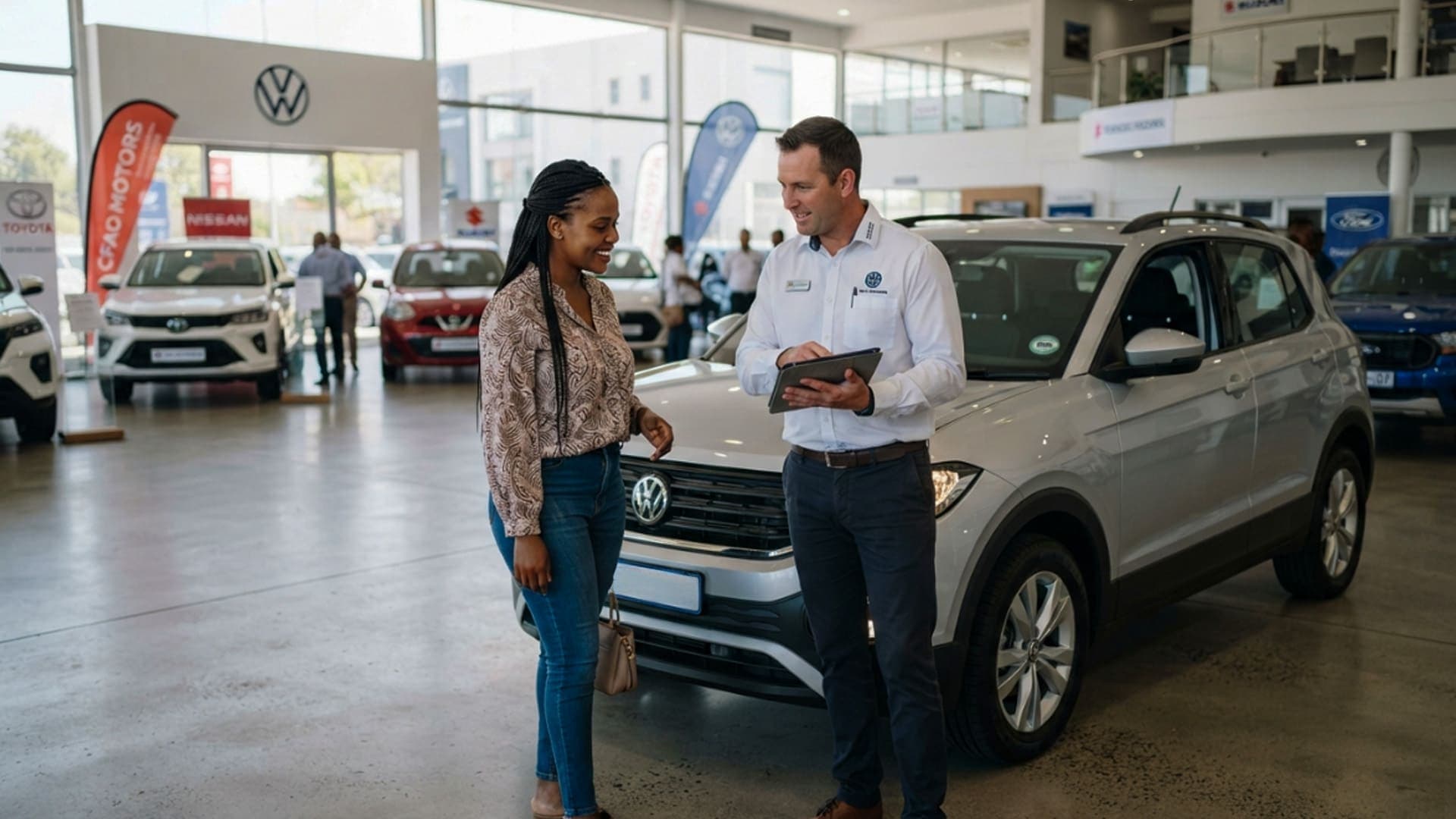
As South Africa’s vehicle market becomes more competitive, automotive advertising needs to do more than announce a price or specification. It needs to help buyers understand value, ownership costs and why a vehicle suits their lives.

Automotive Digital Ads in South Africa: A Shift
Exploring how South Africa’s automotive advertising evolved from print and broadcast to data-driven, programmatic digital ecosystems.

The Video Shift in Car Buying Decisions in SA
Explore how video content shapes car purchase decisions in South Africa, comparing short-form and long-form strategies for automotive marketers.