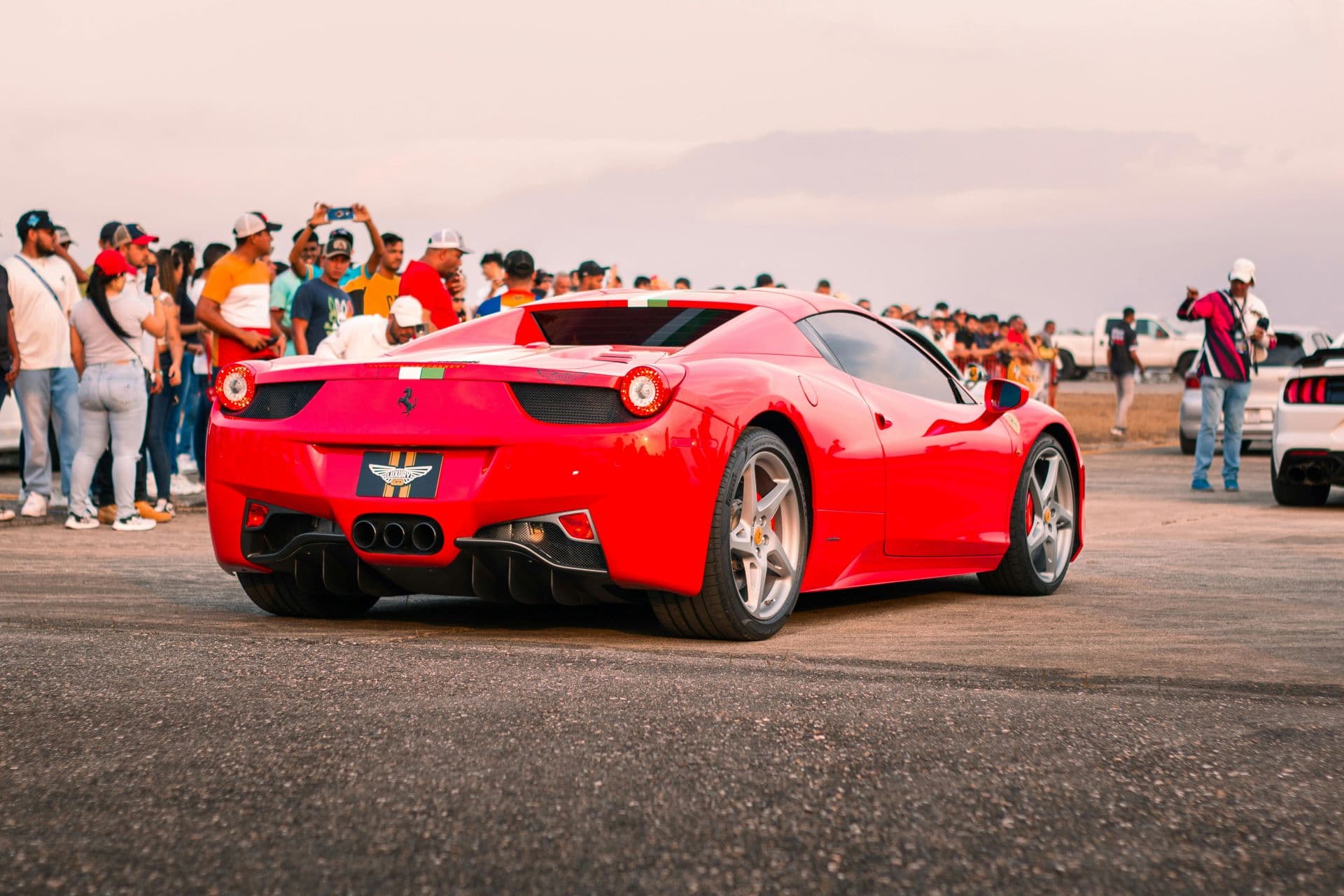
The New Reality of Automotive Events
For decades, automotive marketing has been built around the spectacle of the physical event ÔÇö the shimmering light reveals of motor shows, the roar of engines at test tracks, the press conferences filled with camera flashes and champagne. Yet, as the industry has evolved, so too has its stage. The once-clear boundary between the tangible and the virtual has blurred, creating a new hybrid era in which the physical and digital converge to deliver something richer, more immersive, and infinitely more scalable.
Hybrid event marketing, once born out of necessity during global lockdowns, has now become a sophisticated strategic choice. ItÔÇÖs not simply about streaming a live event; itÔÇÖs about designing integrated experiences that blend the emotional impact of physical encounters with the reach, data, and interactivity of digital engagement. In the automotive industry ÔÇö a space that thrives on innovation, technology, and emotion ÔÇö this merging of worlds feels not only natural but essential.
Automotive brands have realised that while the live, in-person experience remains irreplaceable for forging visceral connections, the digital layer amplifies these moments into global conversations. A car unveiled to a thousand journalists in Munich can now, through streaming, social media integration, and virtual interactivity, be experienced simultaneously by millions of enthusiasts worldwide. The hybrid event model doesnÔÇÖt replace the physicalÔÇöit supercharges it.
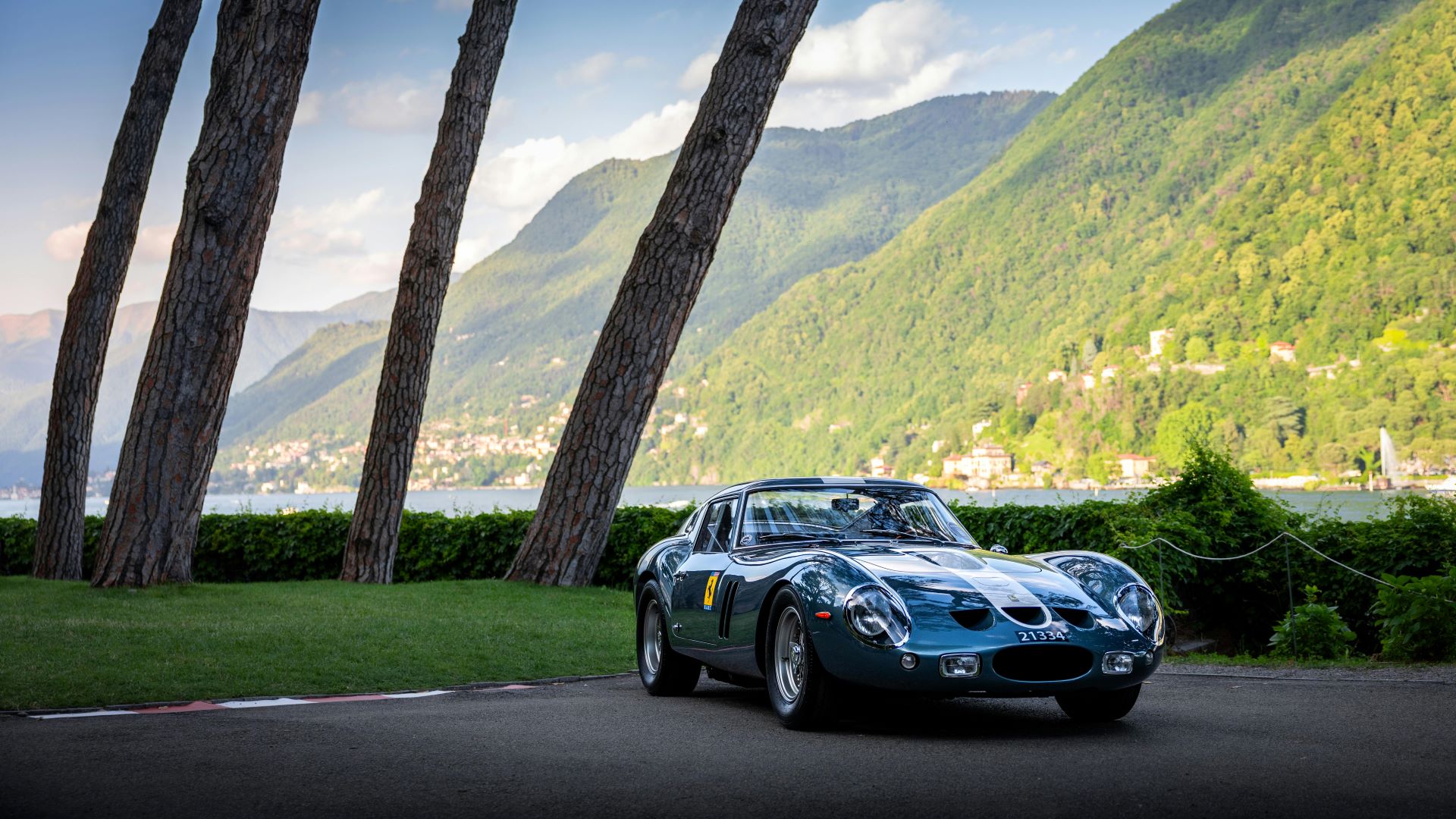
From Showroom Floors to Screens: The Evolution of Automotive Events
Once upon a time, the centrepiece of the automotive marketing calendar was the international motor show. Geneva, Frankfurt, Paris, Detroit ÔÇö these were temples of steel and light, where new models were revealed beneath towering LED screens and carefully choreographed smoke. Yet, as audiences fragmented and digital ecosystems matured, the traditional model began to lose traction.
Even before the pandemic, brands were questioning whether such events truly delivered ROI or if they simply served as expensive rituals in an age when engagement could be achieved more directly and measurably online. Then came 2020, and the industryÔÇÖs hand was forced. Suddenly, livestreams replaced stages, and immersive virtual environments stood in for physical booths. But something remarkable happened ÔÇö brands discovered new ways to tell their stories.
Instead of viewing digital as a compromise, marketers realised it could be an enhancement. Virtual reality test drives, augmented-reality configurators, and interactive 3D showcases began to complement physical experiences, extending their lifespan and broadening their reach. What began as an emergency pivot evolved into an entirely new philosophy of engagement ÔÇö one that values both the tangible and the virtual in equal measure.
Today, automotive brands are deliberately crafting hybrid events that merge the thrill of the physical with the power of the digital. A press launch might include a live test drive for invited journalists, accompanied by a virtual experience for consumers around the world. A racing event might integrate social media voting, live analytics, and digital fan participation. Even the act of unveiling a car ÔÇö once a tightly controlled moment ÔÇö has become a multi-channel narrative, unfolding simultaneously across screens, feeds, and live audiences.
Crafting Connection Through Dual Experiences
The magic of hybrid event marketing lies in its ability to build connection across different dimensions. The automotive industry has always sold more than cars ÔÇö it has sold emotion, aspiration, and belonging. The roar of an engine, the craftsmanship of a cabin, the precision of a design ÔÇö these are sensory experiences that need to be felt. But hybrid marketing has found ways to replicate, or at least complement, these sensations in the digital realm.
At a physical event, a guest can sit in the driverÔÇÖs seat and feel the texture of the leather. Online, an audience member can explore that same interior through a 360-degree camera, zooming into the stitching while hearing a designer explain its inspiration. One experience complements the other. The digital layer doesnÔÇÖt dilute the emotional connection; it expands it.
Data plays a crucial role here. By weaving digital engagement into physical experiences, automotive brands gain unprecedented insight into their audience. Every interaction ÔÇö from virtual test drive participation to social sharing ÔÇö feeds into a broader understanding of consumer behaviour. This allows brands to tailor follow-up communications, recommend configurations, and even predict future interests with greater precision.
Hybrid events also democratise access. A fan in Cape Town can watch the same unveiling as a journalist in Stuttgart, engage in live Q&A sessions, and even order a test drive through an integrated link. The global automotive audience no longer needs to be in the room to be part of the experience. The world has, quite literally, become the showroom.
Designing Hybrid Campaigns with Intent
For hybrid events to succeed, they must be designed as cohesive ecosystems rather than disjointed add-ons. ItÔÇÖs not enough to simply stream a physical event ÔÇö the digital layer must be an intentional part of the storytelling. Automotive brands are learning to think holistically: the reveal moment, the social media amplification, the influencer content, and the post-event CRM follow-up all need to work together in a single narrative arc.
When a brand launches a new vehicle, for instance, the physical reveal might be staged at an iconic location to symbolise performance, heritage, or innovation. The digital campaign surrounding it, however, extends the story ÔÇö featuring behind-the-scenes footage, interactive design deep-dives, and virtual meetups with engineers or brand ambassadors.
The key is emotional consistency. Every channel ÔÇö whether itÔÇÖs a physical test drive or an Instagram Live session ÔÇö must feel like part of the same brand experience. The best hybrid campaigns donÔÇÖt separate their audiences into physical and virtual; they weave them together into one collective moment.
Automotive marketers have discovered that hybrid events allow for layered storytelling. A launch can start with a teaser campaign online, crescendo at the physical event, and then continue digitally through content syndication and interactive experiences. The result is longevity ÔÇö what might once have been a single-day event now lives on for weeks, building momentum as audiences interact, share, and revisit.
Technology as the Enabler
The hybrid marketing revolution would not be possible without the rapid evolution of event technology. In the automotive industry, the adoption of platforms that blend livestreaming, AR, VR, and real-time data capture has transformed the way brands interact with audiences.
Virtual reality allows users to ÔÇ£sitÔÇØ in a car that hasnÔÇÖt yet reached dealerships. Augmented reality brings vehicles to life through smartphones, projecting full-scale models into living rooms or driveways. Meanwhile, AI-driven personalisation tailors content to individual viewers ÔÇö whether theyÔÇÖre journalists, customers, or fans.
Beyond immersion, these technologies provide measurement. Automotive brands can now track not just attendance, but engagement: how long someone viewed a virtual event, which features they explored most, or what social actions they took afterward. This analytical depth makes hybrid marketing not only more creative but also more accountable.
For marketers, this data-driven approach closes the loop between awareness and action. Someone who watched a virtual reveal might later receive an invitation to a test drive at their nearest dealership, based on their interaction history. The integration between event, digital platform, and CRM system ensures that every engagement is part of a continuous journey.
The Role of Storytelling in a Hybrid Era
Even with all the technology in the world, the beating heart of automotive marketing remains storytelling. Cars are stories on wheels ÔÇö stories of heritage, performance, sustainability, and ambition. In a hybrid event, the challenge lies in ensuring that this story translates equally well on stage and on screen.
The physical component delivers atmosphere ÔÇö the smell of fuel, the gleam of the paintwork, the electricity of live anticipation. The digital component, on the other hand, provides intimacy ÔÇö a chance to speak directly to individuals, to give them access to the design studio, or to invite them into the cockpit through first-person perspective.
Smart brands craft narratives that move seamlessly between these worlds. A launch might open with cinematic storytelling that captures attention globally before transitioning into live interviews, digital interaction, and physical experiences. The story evolves dynamically, meeting the audience wherever they are ÔÇö whether in a showroom or on a smartphone.
In this sense, hybrid marketing represents not a split but a synthesis ÔÇö the merging of emotional resonance with analytical reach. The result is storytelling that feels both grand and personal, both universal and uniquely tailored.
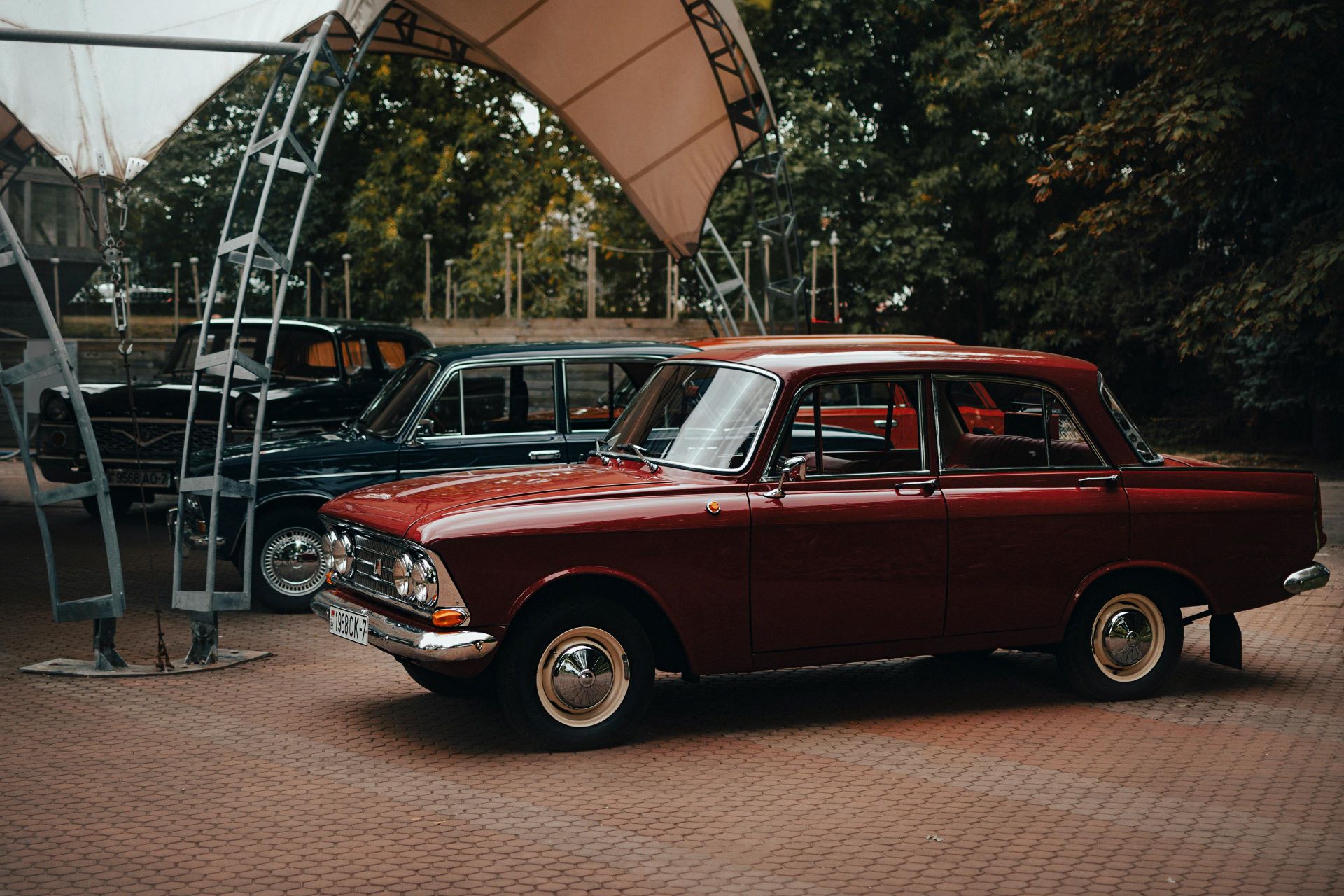
Beyond Launches: Expanding the Hybrid Mindset
While product reveals remain the most visible application of hybrid marketing, automotive brands are expanding the model into every aspect of their engagement.
Motorsport events now combine live attendance with digital fan zones, allowing enthusiasts to participate through augmented leaderboards, live chats, and virtual pit tours. Lifestyle festivals hosted by premium marques mix live driving experiences with immersive digital storytelling, connecting attendeesÔÇÖ real-world excitement with shareable online narratives.
Even dealership openings and brand house activations are being reimagined through a hybrid lens. When a new showroom opens, the event might include a physical ribbon-cutting alongside a livestreamed virtual tour, influencer coverage, and interactive digital giveaways. Each touchpoint feeds into a cohesive, data-rich campaign that stretches far beyond the event itself.
The goal is to create omnichannel continuity ÔÇö ensuring that whether someone encounters the brand online, in person, or through social media, the experience feels seamless and connected.
The Value of Authenticity and Accessibility
One of the most significant advantages of hybrid marketing lies in its capacity to foster authenticity and inclusivity. Physical events can sometimes feel exclusive, reserved for VIPs and press, while digital extensions open the door to enthusiasts everywhere. This accessibility builds trust and deepens brand loyalty.
Moreover, hybrid events enable greater transparency. Behind-the-scenes footage, designer Q&As, and real-time audience interaction all strip away the formality that once defined automotive presentations. Consumers no longer want to be spoken at; they want to be part of the conversation.
By giving audiences agency ÔÇö the ability to choose what to explore, who to engage with, and how to participate ÔÇö brands create experiences that feel personal and empowering. The digital dimension humanises the brand, turning it from a logo into a living presence.
Authenticity also manifests in sustainability. Hybrid events often reduce the carbon footprint associated with large-scale travel and logistics, aligning with the industryÔÇÖs broader shift toward environmental responsibility. The message is consistent: innovation and sustainability can coexist, not only in vehicles but in the way theyÔÇÖre marketed.
Measuring Success in a Hybrid Landscape
In traditional event marketing, success was often measured in attendance, media coverage, or sales leads. Hybrid marketing introduces a far more complex matrix of metrics. Engagement duration, sentiment analysis, share of voice, conversion rates, and digital footprint now play as significant a role as ticket numbers or press impressions.
The hybrid model allows for granular measurement of engagement. Brands can assess which elements of a campaign resonated most ÔÇö whether it was the emotional impact of the live reveal or the interactivity of the virtual experience. This feedback loop informs future strategy, enabling continuous improvement and experimentation.
Importantly, hybrid metrics bridge the gap between awareness and conversion. The path from online engagement to dealership visit can be tracked, optimised, and attributed. Every interaction, whether a comment on a livestream or a virtual test drive, becomes part of a measurable funnel.
Challenges and the Road Ahead
Of course, the hybrid model is not without its complexities. It demands coordination between digital, experiential, and media teams ÔÇö often operating under tight timelines and vast budgets. Technical glitches, bandwidth issues, or audience fatigue can undermine even the most polished productions.
The greatest challenge, however, remains creative cohesion. ItÔÇÖs easy for hybrid campaigns to feel fragmented ÔÇö as if the digital and physical components are parallel rather than intertwined. The art lies in weaving them together into one unified story.
Looking ahead, the future of hybrid marketing in the automotive sector is likely to evolve alongside emerging technologies. The rise of the metaverse, advanced AI-driven personalisation, and mixed-reality experiences will continue to reshape the landscape. Yet the principle remains the same: authenticity, connection, and innovation.
The most successful brands will be those that see hybrid not as a temporary fix or technological gimmick, but as a philosophy of engagement ÔÇö one that recognises the modern consumerÔÇÖs fluid movement between digital and real worlds.
A Seamless Fusion of Touch and Technology
In the end, hybrid event marketing represents more than a shift in medium; itÔÇÖs a redefinition of how automotive brands connect with people. ItÔÇÖs about creating ecosystems rather than events, journeys rather than moments, and conversations rather than announcements.
The roar of the crowd and the glow of the screen are no longer in competition. They are two halves of a new whole ÔÇö one that reflects the realities of a connected, experience-driven world. For an industry built on engineering precision and emotional power, this fusion feels like destiny.
Automotive marketing has always been about movement ÔÇö about progress, innovation, and the thrill of the journey. Hybrid events simply take that philosophy one step further, ensuring that no matter where an audience stands ÔÇö in a showroom, at a racetrack, or behind a screen ÔÇö they are part of something alive, immediate, and profoundly human.
Breyten Odendaal
Specializing in high-performance automotive advertising and digital marketing solutions, delivering cutting-edge insights and the latest news shaping the automotive industry in South Africa.
More From Advertising
Automotive Advertising in 2026: Selling Confidence in a More Competitive Market
As South Africa’s vehicle market becomes more competitive, automotive advertising needs to do more than announce a price or specification. It needs to help buyers understand value, ownership costs and why a vehicle suits their lives.

Automotive Digital Ads in South Africa: A Shift
Exploring how South Africa’s automotive advertising evolved from print and broadcast to data-driven, programmatic digital ecosystems.

The Video Shift in Car Buying Decisions in SA
Explore how video content shapes car purchase decisions in South Africa, comparing short-form and long-form strategies for automotive marketers.