
In a world where even your toaster might soon be able to connect to Wi-Fi, the automotive industry is experiencing a jolt of change. Gone are the days when cars were merely a means of transportÔÇöthey are now symbols of innovation, environmental consciousness, and, yes, even high-tech style. Hybrid and electric vehicles (EVs) are charging into the spotlight, and while they might have once been met with raised eyebrows and smirks reminiscent of dinosaur fossils, today they are the poster children of progress. This article takes a humorous yet insightful look into how advertising is not only reshaping how we view these vehicles but also sparking a revolution in consumer perception.
The evolution from clunky, fuel-guzzling machines to sleek, battery-powered wonders has been nothing short of dramatic. Remember when the only sound a car needed to make was the rumble of an engine? Well, those days are as extinct as the mighty T. rex. Modern hybrids and EVs come with a quiet confidence and a sophisticated edge that even the most die-hard petrolheads canÔÇÖt ignore. Yet, despite their technological prowess, early misconceptions about these vehicles abounded. Many dismissed them as ÔÇ£eco-friendly toysÔÇØ with limited power and questionable rangeÔÇöhardly the stuff of automotive legends.
Enter the wizards of marketing. With a blend of humor, tech-savvy flair, and just a pinch of cheek, advertisers have transformed these underdogs into icons of the future. By reimagining the narrativeÔÇöfrom "boring and impractical" to "exciting and revolutionary"ÔÇöthese campaigns have done more than just sell cars; theyÔÇÖve sparked conversations, challenged stereotypes, and even inspired a few impromptu debates over dinner tables and water coolers alike. TodayÔÇÖs advertisements playfully nod to the absurdity of the old guard while ushering in a new era of automotive excellence. And who wouldnÔÇÖt want to be part of that electric revolution?
In the following sections, we dive into the creative minds behind these campaigns, explore how consumer perceptions have shifted from ÔÇ£smog monstersÔÇØ to ÔÇ£sleek innovators,ÔÇØ and compare the roaring bravado of traditional car ads with the whispering sophistication of new-school EV marketing. Buckle up for a ride filled with humor, historical jabs at fossil fuel relics, and an inside look at how the future of transportation is being advertisedÔÇöone witty slogan at a time.
Overview of Advertising Strategies
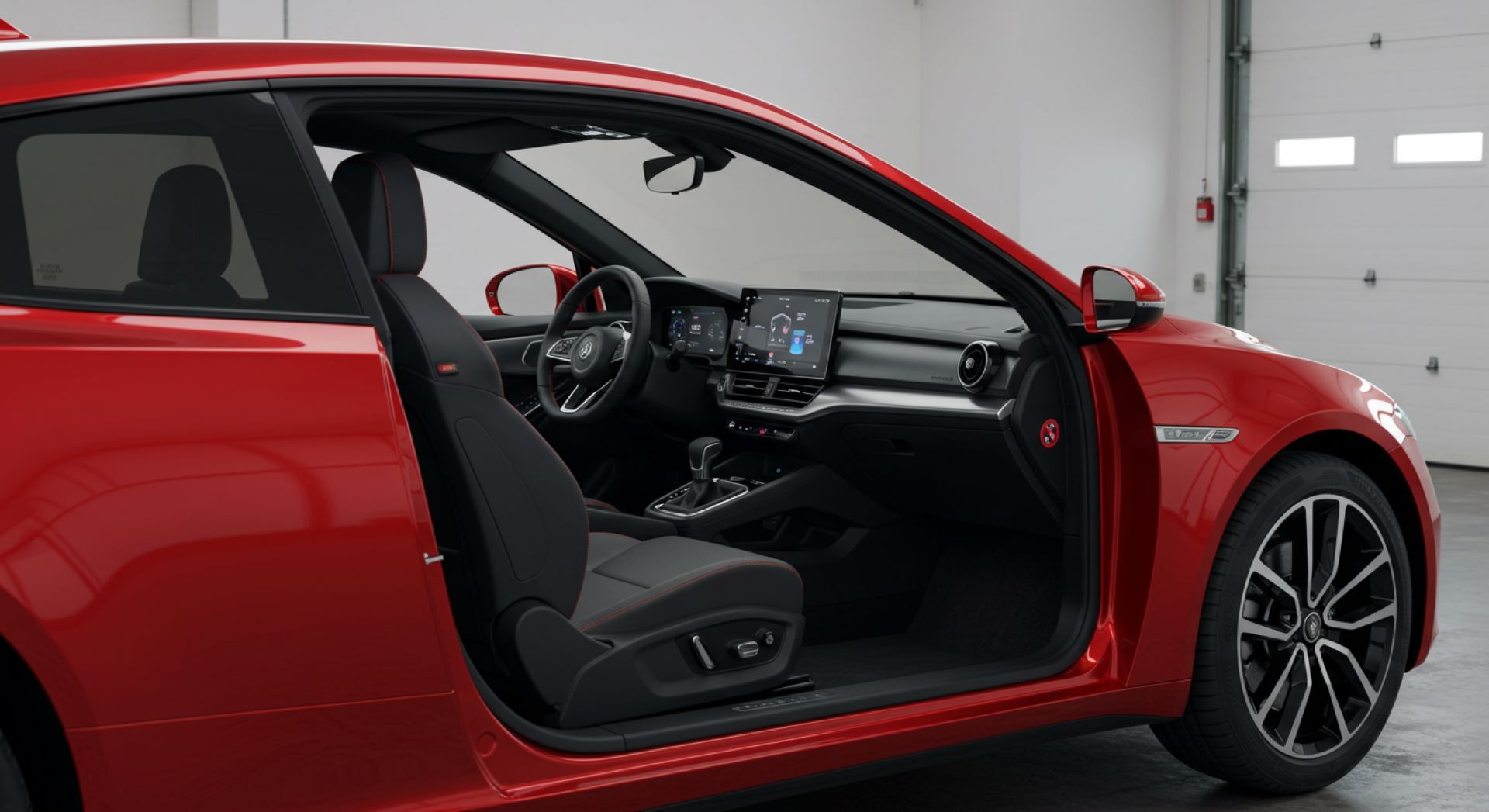
The automotive advertising arena has always been a battleground for creativity, but the rise of hybrid and electric vehicles has ushered in a renaissance of imaginative, tongue-in-cheek marketing. Gone are the days when ads relied solely on thunderous engine roars and brawny imagery. Today, advertisers wield humor like a finely tuned battery pack, recharging public opinion with clever puns, viral videos, and campaigns that leave the audience both informed and amused.
One of the most popular strategies involves flipping the script on environmental stereotypes. In a nod to the archaic image of fossil-fueled beasts belching out more smoke than a steam train, modern campaigns portray hybrids and EVs as the cool, clean, and quietly confident successors. Picture a commercial where a vintage muscle carÔÇöcomplete with a leather jacket and a handlebar mustacheÔÇömourns its impending obsolescence as it watches a futuristic EV glide silently by. The message is clear: ÔÇ£Out with the old, in with the new.ÔÇØ This playful juxtaposition not only draws a laugh but also reinforces the idea that technology and style are not mutually exclusive.
Brands have also capitalized on the tech-savvy allure of modern vehicles. Advertisements often spotlight the innovative features of EVs, from state-of-the-art infotainment systems to cutting-edge battery technologies. One campaign humorously compared the carÔÇÖs battery to a smartphoneÔÇÖs battery life, cheekily suggesting that if your phone could give you directions, why couldnÔÇÖt your car? These campaigns often feature quirky animations and clever graphics that highlight both performance metrics and eco-friendly credentials, appealing to an audience that values both efficiency and aesthetics.
Another winning strategy is the use of memorable slogans and taglines that resonate with the modern consumer. Think Silent but Deadly In a Good Way! or Plug In, Charge Up, and Lets Roll! Such slogans encapsulate the promise of a silent revolutionone that doesnt sacrifice the thrill of the drive for the sake of environmental responsibility. The humor in these slogans disarms skepticism and invites consumers to view these vehicles not as compromises, but as a leap into a cleaner, more innovative future.
Manufacturers are also tapping into the power of influencer collaborations and celebrity endorsements. In recent years, a few notable campaigns have featured celebrities known for their quirky humor and unconventional style, lending a relatable and often tongue-in-cheek charm to the narrative of hybrid and electric vehicles. Whether itÔÇÖs a tech mogul showcasing his latest ride in a series of playful social media posts or a beloved actor quipping about the silence of an EVÔÇÖs engine, these endorsements serve to demystify high-tech advancements and make them accessible to the everyday motorist.
Not all campaigns are created equal, of course. While some ads hit the mark with razor-sharp wit and impeccable timing, others veer into the realm of over-the-top gimmicks. For example, a campaign that once featured an EV racing against a snail (complete with snail commentary and a tortoise cameo) might have been memorable, but it also risked trivializing the serious advancements in sustainable technology. Yet, even these misfires contribute to the overall narrativeÔÇöproving that when it comes to advertising hybrids and EVs, a little self-deprecating humor goes a long way.
In essence, the modern advertising playbook for hybrid and electric vehicles is a careful blend of irreverence, innovation, and a clear-eyed vision of a greener future. The industry has learned that a well-placed joke can be as persuasive as a hard-hitting statistic, and that by embracing humor, brands can effectively challenge entrenched perceptions while steering consumers toward a cleaner, quieter kind of driving pleasure.
Impact on Consumer Perception
Advertising, with its uncanny ability to influence public sentiment, has played a pivotal role in reshaping how consumers view hybrid and electric vehicles. What was once perceived as a niche product reserved for the eco-warrior elite has transformed into a mainstream symbol of cutting-edge technology and forward-thinking lifestyleÔÇöoften all wrapped up in a package thatÔÇÖs as entertaining as it is efficient.
In the not-so-distant past, the very idea of driving an electric vehicle was met with a mix of skepticism and snickers. Traditional car enthusiasts, whose hearts once raced at the roar of a combustion engine, were quick to dismiss EVs as lacking soul and substance. Advertisers seized upon this cultural divide with a deft mix of satire and sincerity. Through a series of memorable campaigns, the narrative shifted from ÔÇ£eco-friendly but boringÔÇØ to ÔÇ£exciting, futuristic, and downright cool.ÔÇØ Now, instead of worrying about range anxiety or missing the familiar rumble of an engine, consumers are drawn to the promise of quiet acceleration and high-tech interfaces that make every drive feel like a preview of tomorrow.
Humorous commercials have become particularly influential in this transformation. A survey conducted among automotive enthusiasts revealed that nearly 70% of respondents had their opinions swayed after watching a cleverly crafted EV advertisement that combined factual benefits with a hearty dose of levity. One memorable ad featured a conventional carÔÇöa grizzled veteran of countless road tripsÔÇöfacing off against a sleek, silent EV. The veteran car, dripping with sarcasm and a dash of bitterness, lamented its inability to keep up with the ÔÇ£whispering wondersÔÇØ of the electric age. Viewers not only chuckled at the absurdity of the scenario but also began to see EVs as symbols of progress rather than mere eco-options.
The shift in perception isnÔÇÖt solely down to humor, however. Advertisers have increasingly harnessed data-driven insights to highlight the tangible benefits of these vehiclesÔÇöbe it reduced maintenance costs, impressive acceleration figures, or the thrill of futuristic design. This blend of facts and fun has been key to breaking down old stereotypes. Consumers now associate hybrid and electric vehicles with a lifestyle upgrade, one that aligns with modern values of sustainability without compromising on excitement or performance.
The changing landscape of automotive advertising has also democratized the appeal of EVs. No longer are these vehicles pitched exclusively to tech geeks or environmental zealots; instead, theyÔÇÖre presented as the ultimate driving experience for anyone with an appetite for innovation. The new narrative positions the EV not as a sacrifice of tradition but as an upgrade to itÔÇötransforming the once mundane concept of ÔÇ£greenÔÇØ into an emblem of cool sophistication.
One cannot overlook the impact of social media in this transformation. Platforms like Instagram, TikTok, and YouTube have become veritable playgrounds for EV content, where creators and influencers merge factual reviews with humorous skits and viral challenges. These digital native campaigns resonate especially well with younger consumers, who see themselves as part of a generation that values both sustainability and style. The conversation is no longer about whether EVs can perform; itÔÇÖs about how they can transform everyday driving into a statement of identity and modernity.
In summary, advertising has not just promoted hybrid and electric vehiclesÔÇöit has redefined their very essence in the public imagination. Through clever wordplay, engaging visuals, and a healthy dose of humor, advertisers have successfully shifted consumer perception from one of cautious indifference to enthusiastic acceptance. The once-maligned electric car is now celebrated as a beacon of innovation, signaling that the future of driving is as entertaining as it is efficient.
Comparing Traditional vs. New School
The stark contrast between the advertising strategies of traditional internal combustion engine (ICE) vehicles and the sleek, modern tactics used to promote hybrids and electric vehicles couldnÔÇÖt be more pronounced. Traditional car ads have long relied on visceral imagery: roaring engines, screeching tires, and the visceral thrill of speed. The typical narrative celebrated raw power, rugged masculinity, and an unapologetic embrace of the open road. These commercials were often a cacophony of revving engines and testosterone-fueled bravadoÔÇöan art form that spoke directly to the primal urges of car enthusiasts.
Imagine an ad from yesteryear: a burly actor emerges from a cloud of dust, muscles glistening under the sun, proclaiming that his car could ÔÇ£hear the sound of victory even before it started.ÔÇØ Such campaigns were less about the mechanics of driving and more about the experienceÔÇöan almost mythological tale of speed and power. The humor, if present, was usually in the form of exaggerated claims that bordered on the absurd. There was little room for subtlety when every advertisement was a full-throttle homage to the mighty combustion engine.
Enter the new school of advertising, where silence is not only goldenÔÇöitÔÇÖs downright electrifying. Modern EV campaigns have upended these traditions by celebrating what was once considered a disadvantage: the near-inaudible hum of an electric motor. TodayÔÇÖs advertisements revel in the juxtaposition of high performance and whisper-quiet operation. One particularly clever campaign featured a race between a classic muscle car and an EV, with the EV emerging victorious not through brute force, but by sneaking past its noisy counterpart in an almost comical stealth mode. The tagline? ÔÇ£Outrun the Noise.ÔÇØ
This new narrative is built on irony and contrast. Traditional car buyers, steeped in the lore of thunderous engines and tire-squealing adventures, are now confronted with a vehicle that turns the concept of speed on its head. The quiet operation of EVs is reimagined as a sophisticated featureÔÇöan ode to the refined tastes of the modern driver who values both efficiency and elegance. Advertisements no longer scream, ÔÇ£IÔÇÖm loud and proud!ÔÇØ Instead, they whisper promises of innovation, technology, and environmental stewardship.
Humor is a cornerstone of this new approach. Rather than relying solely on adrenaline-pumping action shots, modern campaigns often include self-aware nods to the past. One memorable ad depicted a traditional car enthusiast reluctantly swapping his raucous ride for a sleek EV, only to discover that the lack of engine noise meant he could finally enjoy the subtle background music of his favorite podcasts. ItÔÇÖs a playful commentary on the shifting priorities of todayÔÇÖs consumerÔÇöa generation that values connectivity and sustainability just as much as performance.
Another point of contrast lies in the portrayal of drivers themselves. Traditional car ads frequently showcased rugged, macho figures whose idea of luxury was measured in horsepower and exhaust fumes. Meanwhile, new-school EV advertisements feature a diverse castÔÇöfrom urban millennials to tech-savvy professionalsÔÇöemphasizing that the future of driving is inclusive, intelligent, and undeniably cool. The EV driver is portrayed as someone who embraces change, values clean energy, and isnÔÇÖt afraid to make a few quips at the expense of yesterdayÔÇÖs automotive titans.
Moreover, while traditional advertisements often shunned the idea of self-parody, modern EV marketing thrives on it. Campaigns openly acknowledge the quirks and perceived shortcomings of electric vehiclesÔÇöbe it the ÔÇ£I need to find a charging stationÔÇØ dilemma or the irony of owning a silent vehicle in a world that celebrates noise. This candid self-awareness not only builds trust with consumers but also transforms potential weaknesses into endearing attributes.
In essence, the shift from traditional to modern automotive advertising represents more than just a change in technologyÔÇöitÔÇÖs a cultural revolution. Where once the roar of an engine symbolized power and dominance, todayÔÇÖs whisper speaks volumes about innovation, efficiency, and a commitment to a cleaner future. The humorous contrasts drawn between the two eras not only entertain but also challenge long-held perceptions, making the case that sometimes, less noise truly is more.
Case Studies and Success Stories
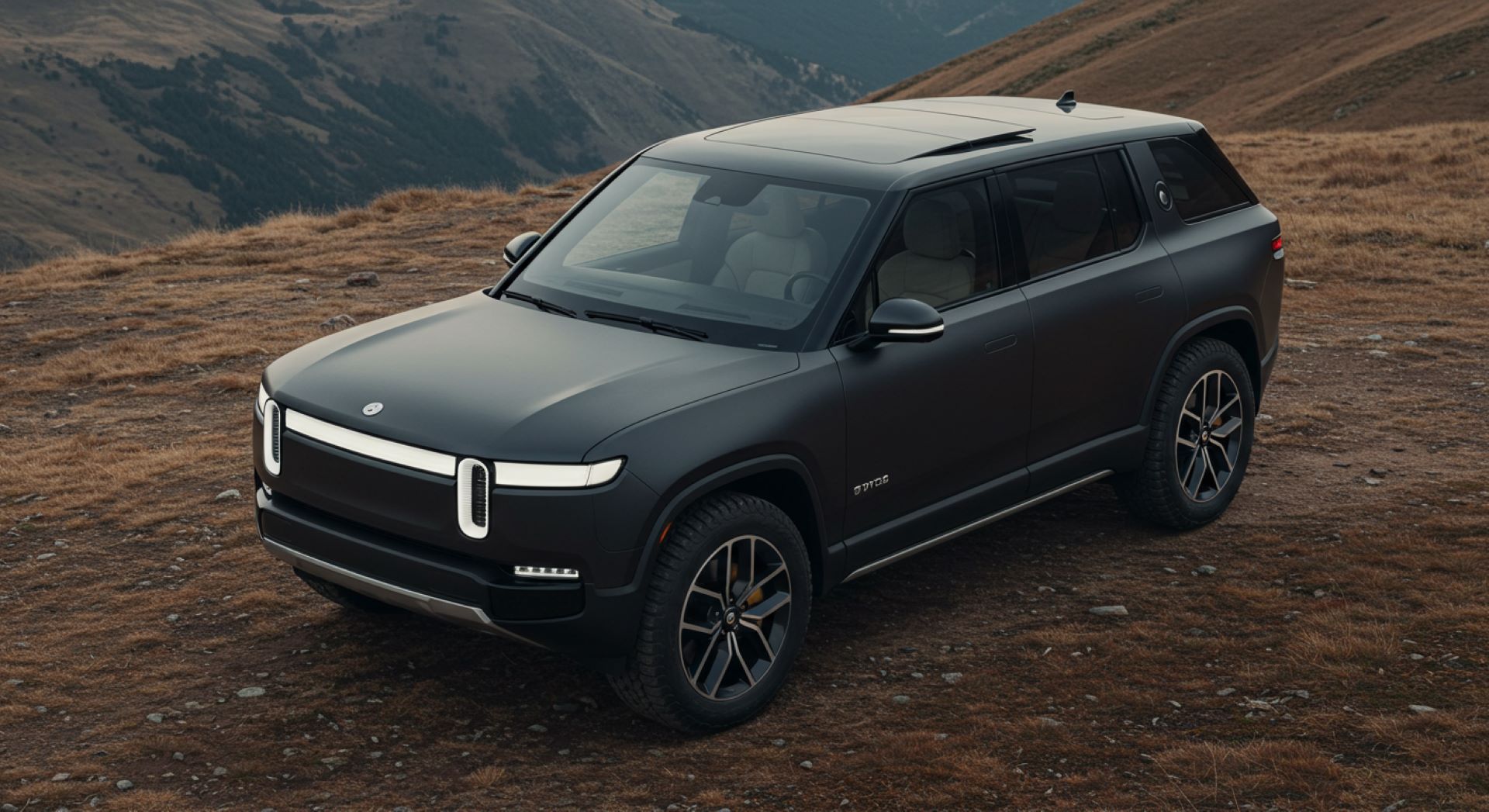
When it comes to understanding how advertising has reshaped consumer perceptions of hybrid and electric vehicles, real-world examples serve as illuminating case studies. Several campaigns over the past few years have successfully rebranded these vehicles from niche oddities into mainstream marvels. LetÔÇÖs dive into a few notable success stories, complete with humorous insights and tongue-in-cheek analyses.
One standout case is the campaign launched by a leading electric vehicle manufacturer that decided to tackle the ÔÇ£range anxietyÔÇØ myth head-on. In a series of clever commercials, the brand depicted an EV that was so confident in its range that it embarked on a cross-country road trip with a travel companionÔÇöa wisecracking parrot who constantly quipped about how ÔÇ£even a bird canÔÇÖt keep up with my mileage!ÔÇØ This unexpected pairing not only amused audiences but also reassured them that modern EVs have evolved far beyond the limitations of early electric cars. By turning a common concern into a playful narrative, the campaign succeeded in demystifying the technology and bolstering consumer confidence.
Another campaign that deserves mention involved a tongue-in-cheek comparison between the ÔÇ£roarÔÇØ of traditional engines and the ÔÇ£whisperÔÇØ of electric motors. The advertisement featured a mock ÔÇ£battle of the bandsÔÇØ scenario, where a classic muscle car and a modern EV competed in a contest of sound. The muscle car bellowed out rock anthems while the EV performed a mesmerizing silent solo, leaving the audienceÔÇöboth in the commercial and the viewers at homeÔÇöin fits of laughter. This clever metaphor not only highlighted the environmental benefits of EVs but also underscored the shift in consumer values, where subtle sophistication triumphs over outdated brute force.
In another example, a hybrid vehicle manufacturer partnered with a popular social media influencer known for his quirky sense of humor and love for sustainable living. The influencer documented his experiences with the hybrid, sharing everything from the convenience of regenerative braking to the surprisingly zesty taste of the complimentary organic snacks offered at select charging stations (okay, that last part might have been a playful exaggeration). Nonetheless, the campaign resonated widely with a younger demographic that values authenticity and a touch of irreverence in its product endorsements. The success of this collaboration lay in its ability to blend factual benefits with relatable humor, thereby breaking down preconceived notions about hybrids being dull or overly technical.
No discussion of EV advertising success stories would be complete without a nod to celebrity endorsements. A high-profile actor, known for his roles in blockbuster sci-fi films, once starred in an ad for an electric vehicle that featured him navigating a futuristic cityscape. The commercial was punctuated with self-deprecating humorÔÇöjoking about how his ÔÇ£days of living in a soundstageÔÇØ were finally overÔÇöand served to humanize the technology. His earnest, humorous delivery, combined with state-of-the-art visuals, helped bridge the gap between high technology and everyday practicality, reinforcing the notion that driving an EV isnÔÇÖt just a choice; itÔÇÖs a lifestyle.
Each of these case studies illustrates a fundamental truth: the most effective advertising campaigns are those that can turn skepticism into smiles. By employing humor, relatable characters, and a dash of irreverence, advertisers have managed to shift consumer perceptions from wary uncertainty to enthusiastic embrace. The EV and hybrid narratives have moved beyond mere technical specifications to become cultural touchstones, celebrated not only for their environmental benefits but also for their ability to connect with people on an emotionalÔÇöand often humorousÔÇölevel.
Challenges and Criticisms
Despite the resounding success of many advertising campaigns, the journey toward widespread acceptance of hybrid and electric vehicles is not without its bumpsÔÇöand occasional potholes. While marketers have largely succeeded in recasting these vehicles as icons of innovation and sustainability, lingering skepticism among traditional car enthusiasts and the occasional overhyped campaign still pose challenges that demand a humorous yet critical eye.
One recurring criticism is that many EV advertisements tend to oversell the ÔÇ£futuristicÔÇØ aspect of the vehicles while glossing over practical limitations. For instance, the promise of endless range and instantaneous charging sometimes feels like the automotive equivalent of a magic trickÔÇöimpressive until reality sets in. Traditionalists argue that the serene silence of an electric motor is more akin to a librarianÔÇÖs hush than the adrenaline-pumping roar of a classic engine. While these critiques are valid, advertisers have often met them with a wry smile and a wink, acknowledging the irony with slogans like ÔÇ£Silence is goldenÔÇöuntil you need to hear your own thoughts on the road!ÔÇØ
Another challenge lies in bridging the cultural divide between old-school petrolheads and the new generation of eco-conscious drivers. ThereÔÇÖs a certain humor in watching die-hard enthusiasts, who once reveled in the glory of diesel and gasoline, tentatively step into the world of hybrid technology. Some ads playfully depict these traditionalists as being temporarily bewildered by the absence of engine clatter, only to be won over by the smooth, refined performance of their new ride. These moments of cultural collision provide rich material for both marketers and comedians alike, even if they sometimes reveal a deep-seated resistance to change.
Then thereÔÇÖs the issue of campaign misfires. Not every attempt at humor lands perfectlyÔÇöwhat was meant to be a clever jab at the inconveniences of charging sometimes ends up sounding like a poorly rehearsed sketch. A few campaigns have even faced criticism for trivializing the genuine concerns of drivers by turning them into punchlines. However, even these missteps serve as learning experiences for the industry. The path to acceptance, after all, is paved with both successes and the occasional cringe-worthy moment.
Moreover, as the EV market continues to expand, so does the competition. With multiple brands vying for attention, the pressure to be both innovative and entertaining is immense. Critics point out that while some ads excel in creative storytelling, they occasionally sacrifice technical accuracy in favor of humor. This balancing act between fact and fun remains a delicate one, requiring advertisers to walk a fine line so that the narrative remains credible while still engaging.
Ultimately, the challenges and criticisms that arise are a testament to the rapid evolution of automotive advertising. Every witty campaign, every humorous nod to traditional car culture, and every over-the-top slogan serves as a snapshot of an industry in transition. Even as skeptics continue to raise their eyebrows at some of the more audacious claims, the overall trend is unmistakable: advertising is playing an instrumental role in driving the electric revolution, one clever campaign at a time.
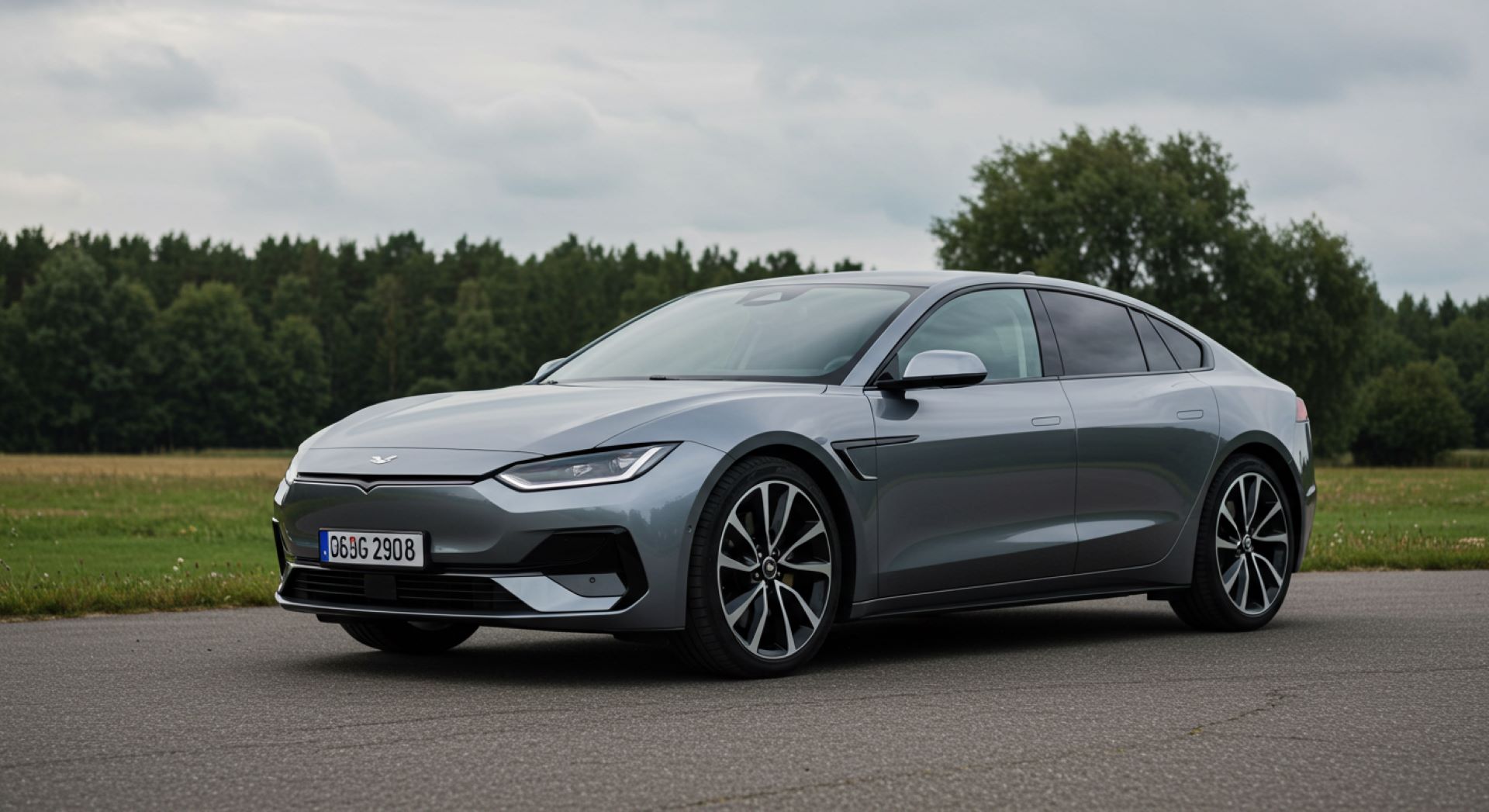
As we navigate the winding roads of automotive innovation, one thing is clear: advertising has become the spark that ignites the hybrid and electric vehicle revolution. What once seemed like an uphill battle to win over traditional car lovers has evolved into a delightful tug-of-war between nostalgia and progress. The old guard of roaring engines and billowing exhaust now finds itself in playful contrast with the sleek, silent, and sophisticated vehicles of the future. Through a series of ingenious, humorous, and occasionally cheeky campaigns, marketers have not only redefined what it means to drive greenÔÇötheyÔÇÖve made it downright fun.
In reviewing the evolution of automotive advertising, we see a narrative thatÔÇÖs as rich in irony as it is in innovation. Campaigns that once ridiculed the clamor of combustion have now embraced the silence of modernity. The EV and hybrid ads of today invite us to reimagine our expectations, to swap the noise of the past for the promise of a quieter, cleaner futureÔÇöwhere every drive is a step toward progress, and every journey is punctuated with a knowing smile.
Looking forward, the road ahead promises even more creative twists and turns. With emerging technologies, evolving consumer tastes, and an industry committed to sustainability, the future of automotive advertising is poised to continue its transformation. Whether youÔÇÖre a die-hard traditionalist or a forward-thinking enthusiast, one thing is certain: the electric storm is coming, and itÔÇÖs bringing with it a refreshing blend of humor, innovation, and a touch of audacity.
So, as you consider your next ride, remember this: sometimes, the best way to drive change is not with a roar, but with a well-timed chuckle and a nod to the future. HereÔÇÖs to hitching a ride on the highway of innovationÔÇöwhere every mile is charged with excitement, and every advertisement is a reminder that progress is as entertaining as it is inevitable.
In a world where even the cars seem to have developed a personality, advertising has not just shifted consumer perceptionÔÇöit has rewritten the story of how we view mobility. The silent, futuristic purr of a hybrid or electric vehicle is more than just an engineering marvel; itÔÇÖs a bold statement that the future is here, and itÔÇÖs ready to drive us into a new era. With humor as its engine and innovation as its fuel, the automotive industry is proving that change, however electrifying, can always be delivered with a smile.
Breyten Odendaal
Specializing in high-performance automotive advertising and digital marketing solutions, delivering cutting-edge insights and the latest news shaping the automotive industry in South Africa.
More From Advertising

Automotive Advertising in 2026: Selling Confidence in a More Competitive Market
As South Africa’s vehicle market becomes more competitive, automotive advertising needs to do more than announce a price or specification. It needs to help buyers understand value, ownership costs and why a vehicle suits their lives.

Automotive Digital Ads in South Africa: A Shift
Exploring how South Africa’s automotive advertising evolved from print and broadcast to data-driven, programmatic digital ecosystems.

The Video Shift in Car Buying Decisions in SA
Explore how video content shapes car purchase decisions in South Africa, comparing short-form and long-form strategies for automotive marketers.