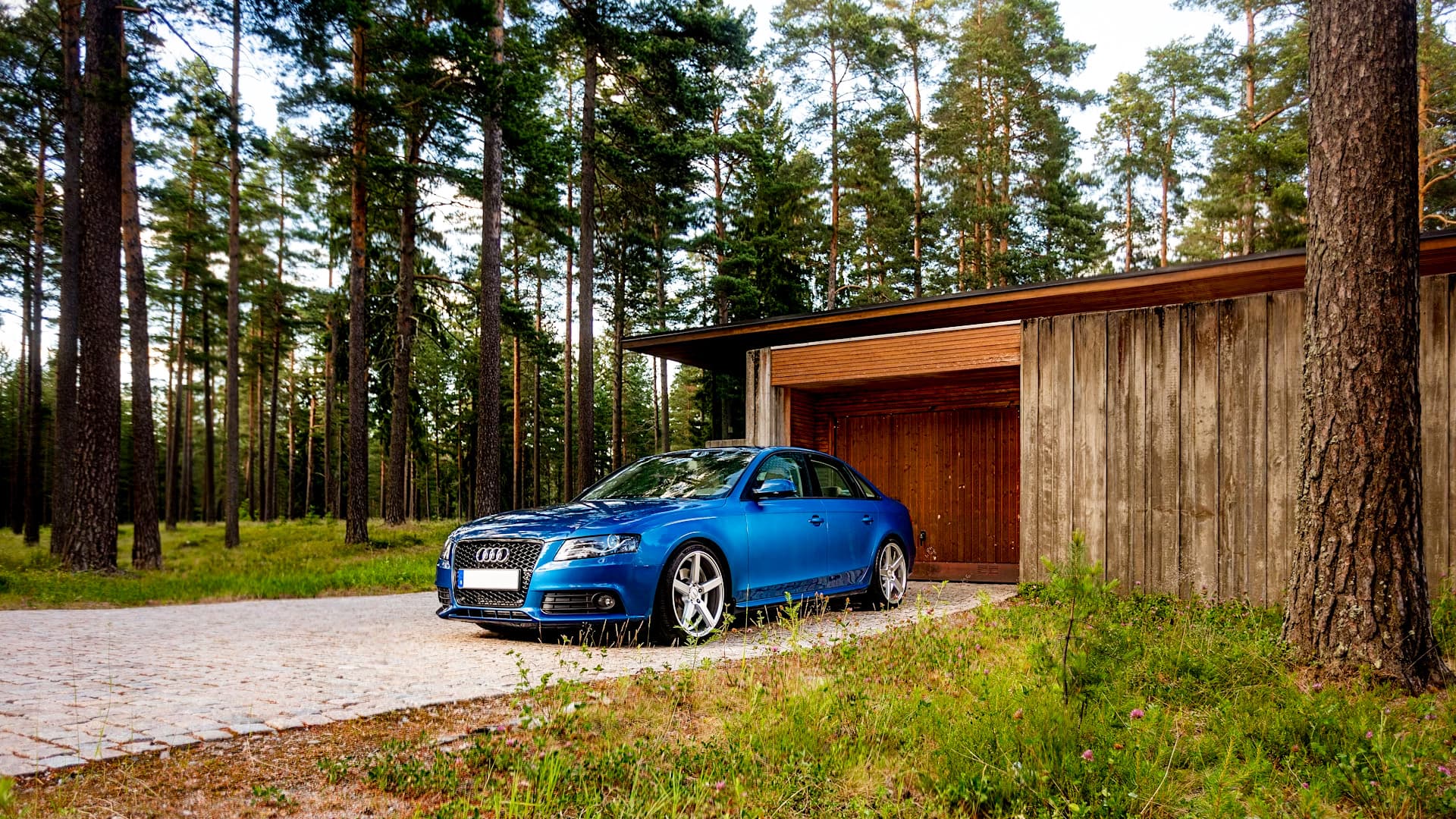
The Power of Effective Automotive Advertising
In the highly competitive domain of automotive advertising, a fundamental truth emergesÔÇöit requires far more than mere horsepower to capture the audience's attention. Empirical research indicates that the incorporation of emotional storytelling in automotive ads can enhance viewer engagement by up to 85%, underscoring the necessity of forming a profound connection beyond the technical specifications. While torque and top speeds may appeal to certain segments, truly compelling advertisements must penetrate the audience's psyche, evoke desires, and ignite their imagination. The mere glint of polished chrome is insufficient; instead, it must serve as a symbol of freedom, aspiration, or reliability. The essence of an unforgettable automotive ad lies in the synergistic interplay of persuasive copy, evocative visuals, and meticulous audience targeting.
Creating an effective automotive ad is an intricate fusion of artistic creativity and strategic acumen. It demands not only an in-depth understanding of the vehicle but also of the psychological underpinnings of human behavior. What motivates an individual to select one car over another? Is it the promise of adventure, the reassurance of safety, or the allure of exceptional design? Successful advertising taps into these emotional undercurrents while harmonizing them with pragmatic considerations. When the appropriate message aligns with the intended recipient at the opportune moment, a transformative shift occursÔÇöa lead evolves into a sale, and the brand fosters loyalty.
Understanding Your Audience ÔÇô Know Who You're Talking To
Segmenting the Car Market
The automotive market is characterized by its diversity, much like the array of vehicles that populate it, encompassing a broad spectrum of consumer needs and preferences. Crafting a resonant message necessitates a deep comprehension of these market segments. Luxury buyers, for instance, are driven by a desire for elegance and statusÔÇöthey seek vehicles that command attention at the valet, a symbol of personal success. Mercedes-Benz's 'The Best or Nothing' campaign exemplifies this by emphasizing luxury features and the prestigious lifestyle intrinsic to ownership. In contrast, economy buyers prioritize valueÔÇöfuel efficiency, safety, and reliability are their paramount concerns. Each segment possesses a distinct communicative language, and messaging must be finely tuned to address these unique needs, delivering a combination of benefits and emotional appeals.
Segmenting the market further enables advertisers to allocate resources with precision, focusing on audiences most likely to yield a high return. Aspirational messaging on premium platforms may best reach luxury buyers, whereas cost-benefit comparisons might appeal more effectively to budget-conscious consumers. Recognizing the nuanced traits of each market segment is integral to delivering a persuasive and memorable message.
Luxury vs. Economy: Speaking to the Needs of Different Buyer Personas
For the luxury-seeker, every detail must epitomize refinementÔÇösumptuous leather upholstery, the subtle purr of a finely engineered engine, and an overarching aura of exclusivity. Advertising aimed at this demographic should evoke a sense of sophistication, of arriving in style at the most esteemed venues, or of gliding effortlessly along the highway, enveloped in comfort. These consumers are influenced by aesthetics, heritage, and the promise of distinction. Conversely, the budget-conscious consumer seeks cost efficiency, practicality, and valueÔÇöhighlighting features like superior fuel economy, safety ratings, and minimal maintenance expenses. Understanding which elements will resonate can be the decisive factor between an advertisement that captivates and one that fades into obscurity.
Luxury advertisements thrive on experiential narrativesÔÇöthe tactile experience of premium materials, the distinctive growl of the engine, and the sense of being part of an exclusive echelon. Economy-focused ads, in contrast, should emphasize how the vehicle enhances daily life, simplifies routines, and contributes to financial savings. For each buyer persona, the messaging should render the decision-making process not only rational but inherently gratifying.
Family, Commuter, or Adventurer: How to Appeal to Lifestyle-Specific Audiences
Advertising is not solely about demographic dataÔÇöit is about understanding and addressing lifestyle choices. A family-oriented consumer prioritizes space, safety, and convenienceÔÇöfeatures such as a capacious interior, child safety mechanisms, and user-friendly infotainment systems. Advertisements targeting families should illustrate relatable scenarios: family road trips, school commutes, or weekends spent at the park. For daily commuters, fuel efficiency, seamless connectivity, and comfort take precedenceÔÇöads should highlight Bluetooth integration, impressive mileage, and supportive seating. The adventurer, by contrast, craves ruggedness, off-road prowess, and the thrill of exploration. Ads for this audience should evoke the exhilaration of tackling challenging terrains and exploring uncharted territories, emphasizing the vehicleÔÇÖs robustness.
Identifying these lifestyle-specific requirements allows the ad to evoke scenarios that resonate deeplyÔÇöwhether itÔÇÖs a memorable family journey or a solitary drive into the mountains. When the target audience sees themselves reflected in the advertisementÔÇötheir needs, dreams, and aspirationsÔÇöthey are more likely to form an emotional bond with the product. This is the crux of impactful automotive advertisingÔÇömirroring the consumerÔÇÖs identity in a manner that is both flattering and persuasive.

Crafting Buyer Profiles
How to Create Realistic Buyer Personas that Guide Your Messaging
To create an automotive ad that resonates with consumers, it is imperative to develop detailed buyer personasÔÇöcomprehensive profiles of the ideal customers. These profiles should encompass various aspects, including driving habits, daily routines, pain points, and desires. Is the target customer a young professional in pursuit of a status symbol, or a parent whose primary concern is safety? Are they environmentally conscious, seeking a hybrid or electric option? These personas serve as a guiding framework for your copy, visuals, and targeting strategies.
The more comprehensive the persona, the greater the potential for impactful messaging. Understand their hobbies, the social media platforms they frequent, and their brand preferences beyond the automotive industry. Knowing whether they are tech-savvy, eco-conscious, or value-driven can be pivotal in creating an ad that connects emotionally. Buyer personas also inform the tone of the messagingÔÇöwhether it should be lighthearted, authoritative, or comforting. The key lies in understanding who the audience truly is and crafting a message that resonates deeply.
What Motivates Car Buyers: Emotional Triggers, Practicality, and Status
Cars are far more than mechanical constructs; they represent an extension of personal identity. Emotional triggers such as freedom, nostalgia, or adventure serve as powerful motivators. A convertible embodies liberationÔÇöthe wind in oneÔÇÖs hair and the open road ahead. For some, the motivation lies in practicalityÔÇöa vehicle that makes life more convenient, such as an SUV with ample seating and advanced safety features appealing to a family-centric buyer. For others, the appeal is statusÔÇöa luxury sedan symbolizes success and refined taste.
Recognizing and harnessing these motivations in ad copy is essential for capturing attention and inspiring action. Effective advertisements do more than informÔÇöthey evoke emotion. A road trip ad showcasing scenic landscapes does not simply sell a car; it sells an experience. The car becomes a gateway to adventure and cherished memories. Understanding what motivates the target audience allows you to tailor messaging that reassures, excites, or fulfills aspirations.
Audience Behavior and Platform Insights
Understanding the audience extends to knowing where they spend their time online. Younger audiences may gravitate towards TikTok or Instagram, while older buyers may prefer Facebook or niche automotive websites. Leveraging social media insights and search data ensures that the message reaches the audience on their preferred platforms. Each platform has its strengths, and tailoring content to each oneÔÇÖs unique dynamics can significantly enhance engagement.
Instagram, for instance, is ideal for visually appealing contentÔÇöstunning imagery of a car in exotic locales or videos showcasing sleek features. Facebook, in contrast, allows for more detailed content, making it suitable for explaining features and benefits comprehensively. Understanding these platform-specific behaviors ensures that ads are not only seen but truly noticed and appreciated.
Writing Copy that Shifts Gears ÔÇô How to Make Words Sell Cars
Focus on Benefits, Not Features
A mere enumeration of technical specifications is unlikely to capture the audienceÔÇÖs attention. It is essential to transform these specifications into tangible benefitsÔÇöexplain how adaptive cruise control reduces driver fatigue on long journeys, or how enhanced torque facilitates seamless merging into highway traffic. Emotional resonance often arises from practical comfort; therefore, do not simply list featuresÔÇötranslate them into experiences that enrich daily life. Each feature must be contextualized to resonate with the buyerÔÇÖs lifeÔÇöit is not merely about horsepower; it is about the liberty it affords on an open highway. Picture a father driving his family on a weekend getaway, experiencing the smooth power that makes the journey enjoyableÔÇösuch scenarios personalize benefits, rendering them more relatable.
Examples of Benefit-Driven Copy that Appeals to Emotions
Instead of stating "300 horsepower engine," say "unleash your inner thrill-seeker." Instead of "advanced airbag system," write "protect what matters most." A benefit-driven approach encourages the audience to envision how the vehicle enhances their life, appealing to their fears and aspirations. For example, rather than promoting heated seats, say, "embrace warmth on even the chilliest mornings." Instead of highlighting all-wheel drive, emphasize "conquer any terrain with confidence, rain or shine."
The fundamental objective is to tie each feature to an emotional benefitÔÇöto evoke excitement, comfort, security, or joy. Transforming features into benefits repositions the vehicle as a solution to a problem or a conduit for achieving personal dreams.
Crafting Irresistible Headlines
Headlines serve as gatekeepersÔÇöthey determine whether an ad is glanced at or thoroughly engaged with. A headline must spark curiosity, address a need, or promise a solution. "Luxury Redefined" appeals to affluent consumers, while "Save More Miles, Save More Smiles" resonates with the value-driven. A well-crafted headline sets the tone and invites the reader into the advertisement, promising an experience, a solution, or a glimpse of the product's most compelling attributes.
Proven Headline Formulas that Work for Car Ads
Headlines incorporating numbers or lists are particularly effective: "5 Reasons the New [Model] is Perfect for Families." Alternatively, directly appeal to consumer desires: "Get More Adventure per Gallon." Emotional appeal can also be potent: "Drive the Future Today." Headlines must bear considerable weight, and proven formulas such as these have consistently demonstrated their efficacy in drawing attention. Phrasing that implies exclusivity, like "Introducing the Ultimate Driving Experience," can captivate audiences who seek something unique.
Choosing Visuals that Steer Emotions ÔÇô How to Select Imagery That Drives Engagement
The Emotional Appeal of Automotive Imagery
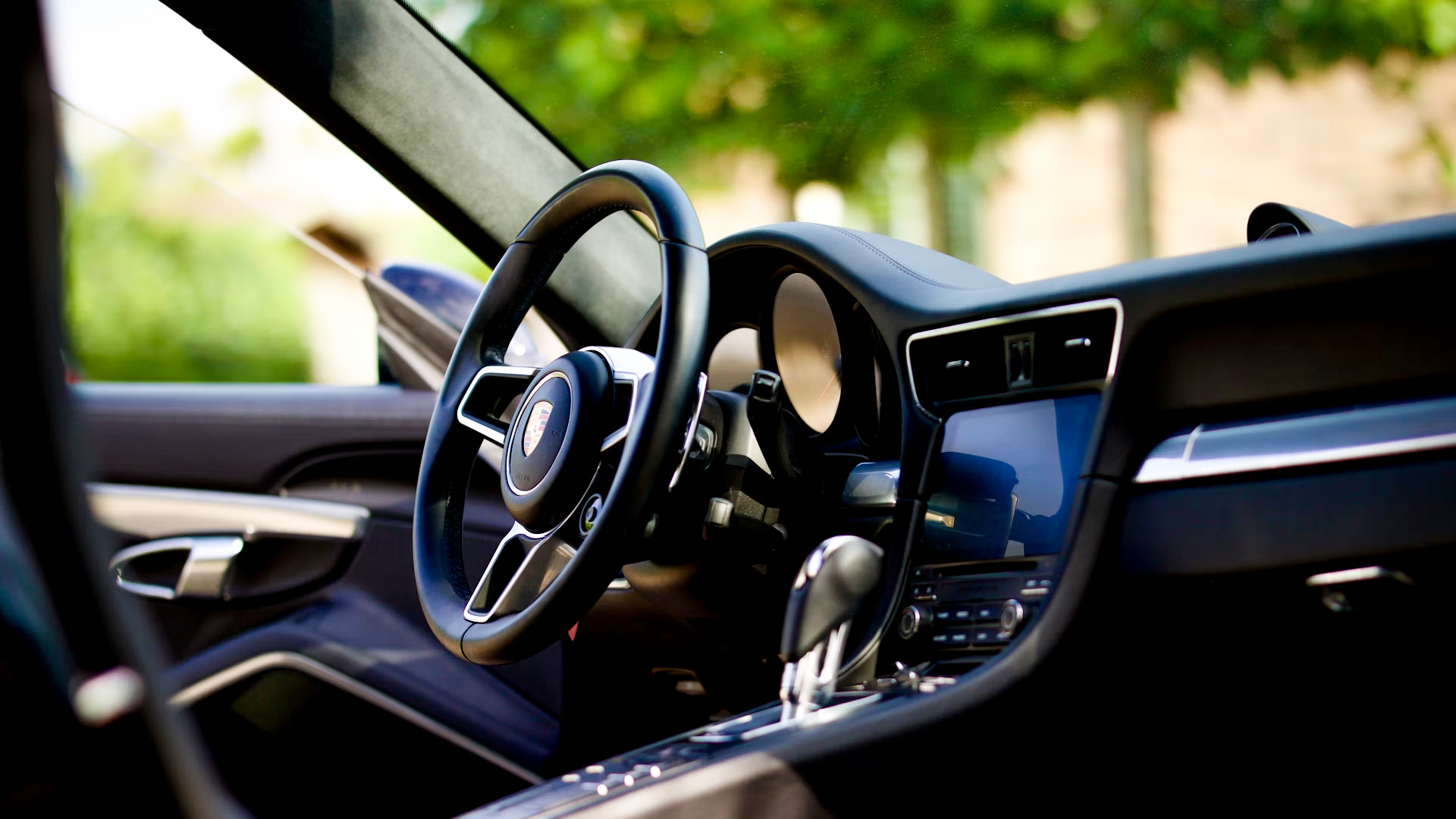
The appropriate visual can evoke emotion instantaneously. A convertible cruising along a coastal road conveys freedom and exhilaration, while an SUV tackling rugged terrain evokes adventure. Colors, camera angles, and settings all contributeÔÇöwarm hues suggest comfort, while wide angles emphasize dominance. The imagery must evoke a visceral responseÔÇöbe it the promise of adventure, comfort, safety, or prestige.
Imagery must align with the audience's aspirations. If the vehicle is designed for off-road exploits, show it in rugged terrains, splashing through rivers, embodying the spirit of adventure. Jeep's 'Go Anywhere, Do Anything' campaign epitomizes this with visuals of vehicles navigating extreme environments, perfectly resonating with the adventurous target audience. For luxury sedans, an urban backdrop of sophisticationÔÇöcity skylines or opulent eventsÔÇöreinforces the vehicleÔÇÖs alignment with an elite lifestyle.
Using Colors, Angles, and Settings to Highlight a Vehicle's Personality
Colors convey powerful messagesÔÇöred denotes excitement, blue signifies trust. Camera angles also play a crucial roleÔÇölow angles make a car appear imposing, while side angles emphasize sleekness. The setting further reinforces the intended narrativeÔÇömountainous terrains for an off-road vehicle, metropolitan streets for an electric car aimed at urban professionals.
The objective is to ensure that each visual element aligns with the emotional core of the advertisement. For safety-focused vehicles, images of a family in a secure, comfortable environment emphasize trustworthiness. For sports cars, dynamic shots of tight curves and expansive roads convey thrill and high performance.
Authenticity Matters
Audiences value authenticity. Stock images of unrealistic perfection lack the resonance that real, relatable images provide. Authentic visualsÔÇöa family comfortably settling into a minivan or a professional parking before a meetingÔÇöestablish an immediate connection. Lifestyle imagery allows the viewer to envision themselves behind the wheel, making the vehicle purchase feel personal. Authenticity also means embracing imperfectionsÔÇöa splash of mud on an SUV or the genuine curiosity of a child peering out the windowÔÇöthese moments convey realism and relatability.
Authentic imagery fosters emotional resonance, making the advertisement memorable. When consumers perceive the imagery as real, they are more inclined to view the vehicle as a viable option. Trust, built through authenticity, is paramount to driving conversions.
Video vs. Static Imagery
Videos breathe life into vehicles, showcasing them in action and highlighting features dynamically. The sound of an engine, the glide of a doorÔÇövideos engage multiple senses, creating an immersive experience. Static images, by contrast, provide moments of contemplationÔÇöthe meticulous detailing, the elegance of design. The choice between video and imagery depends on the platform and the desired effect; combining both can offer depth and broaden engagement.
Video content excels on platforms like social media, where movement captures the audienceÔÇÖs attention. Static imagery is often effective for print and banner ads, delivering an impactful visual at a glance. The key lies in using each format where it shinesÔÇögrabbing attention, conveying information, or evoking emotion.

Targeting the Right Audience ÔÇô Making Sure Your Ad Gets Seen by the Right People
Platform Matters: Where to Place Your Automotive Ads
Different platforms serve different purposes, and the audience determines the optimal placement of ads. Social media platforms such as Instagram are ideal for reaching younger, trend-oriented audiences through vibrant visuals and concise copy. Google Ads, conversely, are suited for capturing buyers in the active research phase, thereby converting interest into action. Automotive-specific forums and websites allow for reaching highly engaged niche audiences.
Understanding each platformÔÇÖs unique strengths enables more effective campaign creation. Instagram and TikTok foster brand awareness among younger demographics, while Facebook targets broader audiences with more detailed content. Google Ads facilitate access to buyers further along the purchasing journey.
Key Platforms for Different Audience Segments: Gen Z vs. Baby Boomers
Gen Z dominates platforms like TikTok and Instagram, seeking creative, authentic content that entertains rather than overtly advertises. Quick, visually engaging content with a narrative component resonates well. Baby Boomers, however, gravitate towards Facebook, where informative posts gain traction. This demographic values comprehensive information, testimonials, and reliability. Tailoring content to the preferred platform enhances the likelihood of not only reaching but also resonating with the intended audience.
For Gen Z, leveraging influencers and user-generated content can be particularly persuasive, while Baby Boomers may respond better to endorsements from trusted organizations or thorough video demonstrations that highlight features clearly.
Harnessing Data to Optimize Audience Reach
Digital advertising platforms such as Facebook Ads Manager and Google Ads offer precise audience targeting capabilities. Utilize these tools to connect with specific demographics based on interests, online behaviors, and engagement history. Retargeting is particularly effective for automotive campaignsÔÇötargeting those who have already shown interest but require an additional incentive. Data-driven strategies enhance ad visibility among potential buyers, ensuring efficiency and impact.
Monitor metrics such as engagement rates, click-through rates, and conversion rates to assess performance and identify areas for improvement. Geographic targeting, especially for local dealerships, can further refine audience reach, maximizing campaign effectiveness.
Local vs. National Campaigns
The scope of the campaignÔÇöwhether local or nationalÔÇömust align with the campaign's objectives. Local campaigns are well-suited for dealerships, utilizing geographic targeting to engage nearby buyers with localized offers. Highlighting community events, such as test-drive weekends or sponsorships, lends a personal touch. National campaigns, in contrast, focus on brand recognition and positioning the company as an industry leader.
Balancing local and national strategies maximizes visibility and enhances lead generation. For localized advertising, Google My Business and geotargeted social media ads are effective, while broader channels such as YouTube and national automotive blogs are ideal for national reach.

Using Storytelling in Automotive Advertising
Creating a Narrative that Engages
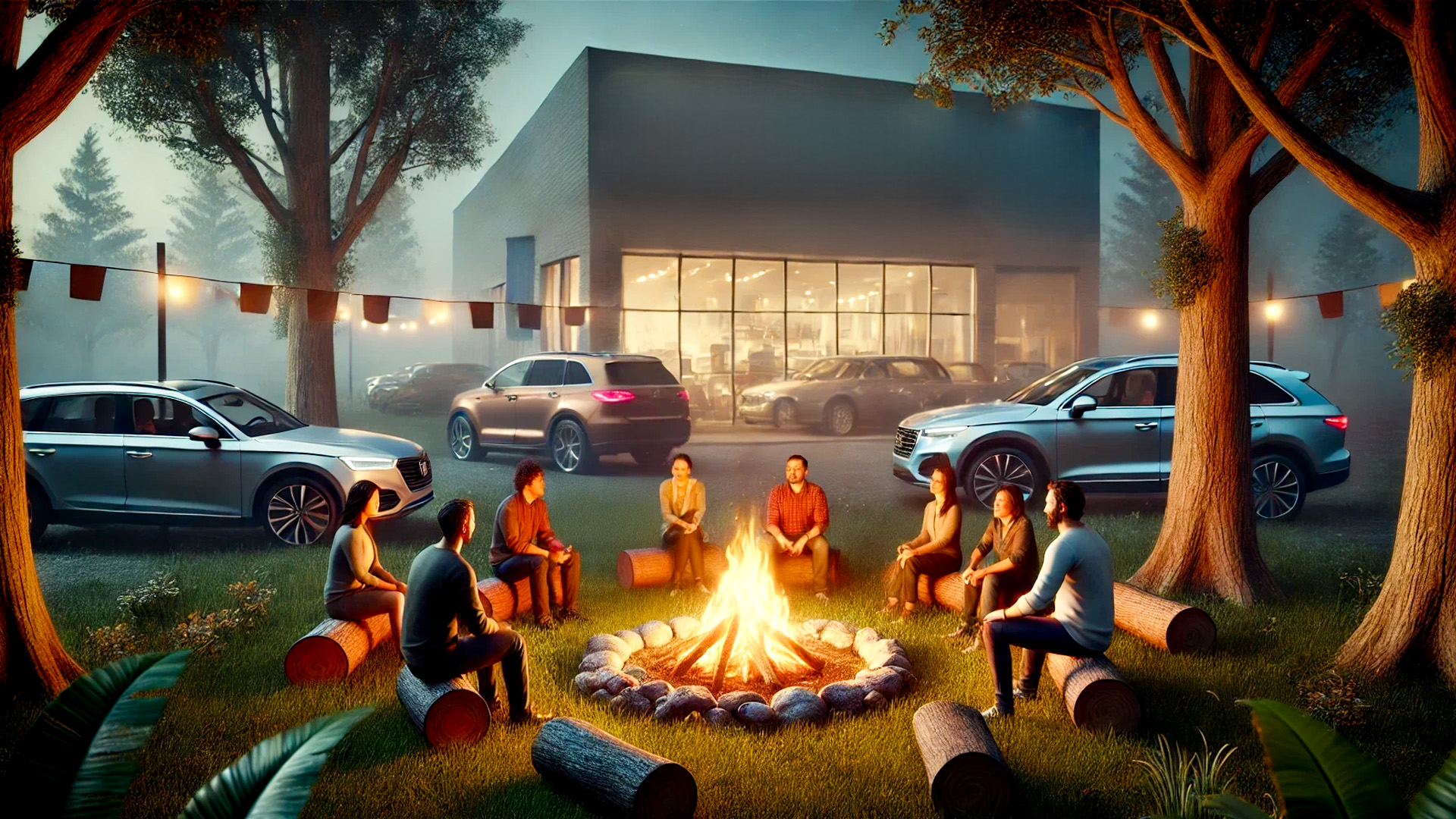
Storytelling is a timeless and powerful tool for connecting with audiences. A compelling narrative in an automotive ad may be aspirational, adventurous, or heartfeltÔÇöit should transform the car into more than a mere machine. An ad depicting a road trip shared among friends turns the car into an enabler of experiences and emotional connections, portraying it as integral to moments of joy, exploration, and reunion. A strong narrative invites the audience to envision themselves as part of the journey, forging an emotional bond.
The most effective automotive ads do not simply show a vehicleÔÇöthey portray what life looks like with the vehicle. The sense of freedom during a solitary drive or the warmth of a family outing imbues the car with emotional significance. Such narratives elevate the product beyond its tangible components, making it emotionally compelling.
Examples of Successful Storytelling in Automotive Campaigns
Consider Volkswagen's "The Force" advertisement, where a child dressed as Darth Vader attempts to use "the Force" on various objects. Its humor, relatability, and emotional appeal rendered it iconic. Effective storytelling humanizes the car, bridging the gap between the product and the consumer. JeepÔÇÖs campaigns, for instance, often focus on adventureÔÇödepicting rugged trails, starry nights, and the exhilaration of conquering the wildÔÇöthereby appealing to consumersÔÇÖ desire for exploration and adventure.
Crafting narratives that transcend the vehicle itself establishes a deep connection with viewers. In these stories, the car is not merely a commodityÔÇöit becomes a central figure in the journey depicted, integral to the narrativeÔÇÖs emotional depth.
Highlighting Real Customer Stories
Real customer testimonials and user-generated content bring authenticity to advertising. When potential buyers see relatable individuals sharing their experiencesÔÇöwhether itÔÇÖs a family describing how their SUV made vacations seamless or an adventurer extolling the off-road capabilities of their vehicleÔÇöit fosters trust and relatability. Real-life testimonials resonate more deeply than abstract features, as they convey genuine emotions and practical benefits.
Encouraging customers to share their experiences on social media and incorporating those stories into advertisements provides a dual benefitÔÇöauthentic content at a lower cost and increased relatability. When real individuals endorse a product, prospective customers can better visualize themselves in similar scenarios, ultimately increasing trust and purchase intent.
Testing and Iterating Your Automotive Ad Campaigns
A/B Testing Your Ads
No advertising campaign is flawless at inception. A/B testing provides a mechanism for refining advertisements by experimenting with different headlines, visuals, and calls to action (CTAs) to identify what yields the best results. Tools such as Google Optimize or Optimizely facilitate the A/B testing process, generating insights that can refine future campaigns. Testing whether benefit-driven headlines outperform feature-driven ones, or whether video content garners more engagement than still imagery, can yield valuable insights. Metrics such as engagement rate, click-through rate, and conversion rate are pivotal in assessing the campaignÔÇÖs efficacy.
A/B testing should also extend across different audience segments to understand how variations resonate among diverse groups. Even subtle adjustmentsÔÇösuch as a change in color, wording, or CTA placementÔÇöcan yield substantial improvements in performance.
Gathering Feedback and Optimizing
Customer feedback is an indispensable resource for refining campaigns. Analyzing what resonates and what falls flat provides valuable lessons for future iterations. Surveys, social media engagement, and direct feedback can all offer insights. The most successful advertising strategies are those that remain dynamic, adapting to evolving market conditions and audience preferences. Embracing new technologiesÔÇösuch as augmented reality for virtual test drives or interactive adsÔÇöcan also provide a competitive edge.
Each campaign should be viewed as a learning opportunity. Understanding what succeeded and why provides a foundation for even greater effectiveness in subsequent campaigns. Continuous improvement transcends mere strategy; it is a mindset essential to achieving sustained success.
Bringing It All Together
The most compelling automotive advertisements are not defined solely by catchy slogans or eye-catching visuals. Rather, they are the result of a seamless synergy between copy that resonates emotionally, visuals that evoke aspiration, and targeted strategies that ensure the right audience sees the message. By gaining a deep understanding of your audience, crafting a captivating story, and leveraging data to refine and optimize your approach, you can create advertisements that do more than capture attentionÔÇöthey drive meaningful results. The path to effective advertising is one of creativity, iteration, and continuous learningÔÇöso remain adaptable, test rigorously, and refine persistently. Your next breakthrough automotive campaign is within reach, poised to captivate, engage, and convert.
Using Storytelling In Automotive Advertising
Breyten Odendaal
Specializing in high-performance automotive advertising and digital marketing solutions, delivering cutting-edge insights and the latest news shaping the automotive industry in South Africa.
More From Advertising

Automotive Advertising in 2026: Selling Confidence in a More Competitive Market
As South Africa’s vehicle market becomes more competitive, automotive advertising needs to do more than announce a price or specification. It needs to help buyers understand value, ownership costs and why a vehicle suits their lives.

Automotive Digital Ads in South Africa: A Shift
Exploring how South Africa’s automotive advertising evolved from print and broadcast to data-driven, programmatic digital ecosystems.

The Video Shift in Car Buying Decisions in SA
Explore how video content shapes car purchase decisions in South Africa, comparing short-form and long-form strategies for automotive marketers.