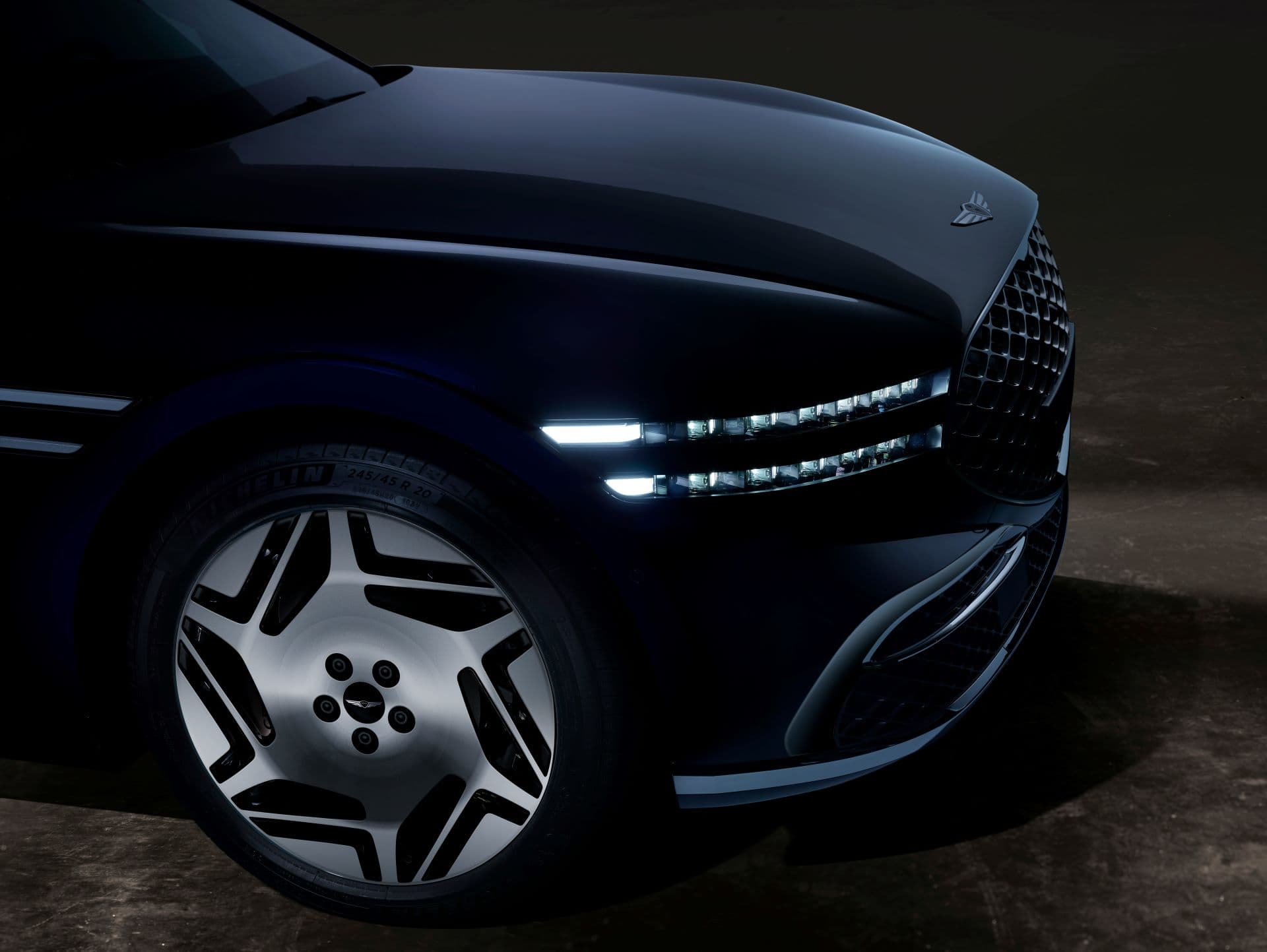
The luxury automotive industry is undergoing an electrifying transformation. At the forefront of this shift are luxury electric vehicles (EVs), a new breed of premium cars that combines opulent design, cutting-edge technology, and an environmentally conscious ethos. This isnÔÇÖt just a revolution under the hood; luxury EVs are reshaping perceptions of luxury itself. With sustainability and innovation embedded in their DNA, these vehicles are making waves not only among traditional luxury car aficionados but also among a broader base of discerning, eco-conscious consumers.
Luxury EVs have transcended their status as niche offerings to become a significant force in the auto industry. Brands like Tesla and Lucid Motors, along with classic luxury names such as Porsche and Audi, are proving that electric power can align with prestige and performance. Their designs are sleek, their interiors are crafted with sustainable materials, and they deliver exhilarating performanceÔÇöall while emitting zero tailpipe emissions. These factors are not just influencing vehicle design but also advertising approaches, prompting luxury EV brands to rethink and innovate in how they connect with their audience.
Advertising for luxury EVs extends beyond glossy images and catchphrases; it emphasizes sophisticated storytelling, digital engagement, and a commitment to sustainability. As luxury EV manufacturers carve out their place in the market, they are also rewriting the rulebook for luxury advertising by blending prestige with a forward-thinking vision of eco-friendly mobility. LetÔÇÖs explore how this evolution in the luxury EV market is influencing advertising strategies, shaping brand narratives, and setting new standards for connecting with todayÔÇÖs luxury consumer.
Evolution of Luxury Vehicles in the Electric Era
Historically, luxury cars have been symbols of power, performance, and prestige. For over a century, brands like Rolls-Royce, Bentley, and Mercedes-Benz have defined the essence of luxury, appealing to customers through handcrafted interiors, powerful engines, and exclusivity. However, with the accelerating shift towards electrification, the traditional luxury car segment is facing a paradigm shift.
The first wave of luxury EVs was led by Tesla, which, starting with the Model S in 2012, demonstrated that electric could be synonymous with luxurious performance. The success of TeslaÔÇÖs high-end EVs inspired a new wave of manufacturers to enter the luxury EV market. Lucid Motors soon followed with the Lucid Air, a luxury sedan boasting a spacious interior, impressive range, and a suite of cutting-edge technology. European automakers such as Audi, Porsche, and Jaguar have also introduced their electric flagshipsÔÇöthe Audi e-tron GT, Porsche Taycan, and Jaguar I-PACEÔÇöall designed to rival traditional luxury models with their high-performance credentials and stylish design.
One of the most distinguishing characteristics of luxury EVs is the integration of advanced technology. From autonomous driving features to AI-driven infotainment systems, these vehicles are packed with innovations that elevate the driving experience to new heights. Furthermore, the focus on sustainable materialsÔÇösuch as vegan leather and recycled elementsÔÇöunderscores a commitment to environmentally conscious luxury. For instance, Polestar, a performance-focused EV brand, emphasizes its use of eco-friendly materials while also providing transparency around its environmental impact, which appeals strongly to the modern luxury consumer.
These advancements position luxury EVs as not just eco-friendly alternatives but as leaders in technological and design innovation. And as the industry adapts to these changes, so too do the marketing strategies that communicate the value of these vehicles to a growing audience.
Shifts in Luxury Advertising Strategies
As luxury EVs gain momentum, their advertising strategies are evolving to keep pace. Traditional luxury car advertisements often featured aspirational imagery and cinematic storytelling, designed to evoke a sense of prestige. However, the digital age and the rising interest in eco-conscious living have shifted luxury EV advertising towards digital-first strategies that connect more intimately with audiences.
Digital storytelling has become a central component in luxury EV advertising. Through immersive videos, virtual reality experiences, and behind-the-scenes glimpses, brands can highlight the unique craftsmanship and technology within their vehicles. Tesla, for instance, has successfully used minimalistic advertising, relying on a strong brand narrative and high customer loyalty to create organic word-of-mouth. Other brands like Porsche and Audi have taken a different approach, investing in high-production videos that showcase the power and elegance of their electric models in scenic, often futuristic, settings.
Social media has also become a critical platform for luxury EV brands, allowing them to reach a tech-savvy, environmentally conscious audience. Collaborations with influencers and brand ambassadors who share similar values have proven effective. For example, Lucid Motors partnered with prominent technology influencers to provide early access to the Lucid Air, creating buzz and generating interest among potential buyers.
The shift to digital has not entirely replaced traditional media, but it has reframed its use. Instead of relying solely on glossy magazine spreads, luxury EV brands are now embracing interactive and experiential content. By focusing on authenticity and shared values, they are building a connection with their audience that transcends traditional advertising, creating an experience that resonates with a new generation of luxury car buyers.
Emphasis on Sustainability and Innovation
In the luxury EV market, sustainability is not just a feature; itÔÇÖs a foundational pillar of the brand narrative. Advertising for luxury EVs often highlights how these vehicles offer both high-end performance and a reduced environmental footprint. This dual focus on luxury and eco-consciousness appeals to an emerging consumer demographic that values sustainability as much as exclusivity.
Luxury EV brands position their products as not only premium but also as part of a larger movement toward environmental responsibility. Brands like Polestar and BMW have introduced initiatives such as carbon-neutral manufacturing processes and supply chain transparency to underscore their commitment to sustainability. These elements are then woven into their advertising campaigns, presenting luxury EVs as vehicles of choice for those who want to enjoy the best in life without compromising on environmental ethics.
Campaigns often feature themes of innovation and eco-conscious luxury, using language and visuals that highlight the harmony between technology and nature. For example, AudiÔÇÖs ÔÇ£Electric has gone AudiÔÇØ campaign for its e-tron lineup showcases the serene landscapes that can be enjoyed without disturbing nature, promoting the idea of responsible enjoyment.
Moreover, as sustainability becomes a growing concern among luxury consumers, these brands are using advertising to address potential objections around the environmental impact of EV batteries and other components. By communicating their commitment to sustainable practices, luxury EV brands not only appeal to consumersÔÇÖ environmental values but also reinforce their status as pioneers in a new era of luxury.
Target Market and Consumer Behavior Trends
The luxury EV market attracts a unique demographicÔÇötech-savvy, environmentally aware, and willing to invest in premium products that align with their values. These consumers prioritize not only the vehicle's aesthetics and performance but also its environmental impact and technological capabilities. As a result, advertising for luxury EVs is carefully tailored to appeal to this specific audience.
Millennials and Generation Z, who are more likely to value sustainability, have shown a strong interest in luxury EVs, especially as they reach the age of affluence. Many of these consumers are digital natives, which has pushed luxury EV brands to engage them where they spend most of their time: online. Social media platforms, streaming services, and even virtual events have become vital channels for reaching this group, allowing brands to create personalized and interactive campaigns.
The focus on lifestyle rather than just the vehicle itself is another trend in luxury EV advertising. Campaigns often depict luxury EVs as an extension of the consumerÔÇÖs eco-friendly, tech-forward lifestyle, aligning with trends in wellness, minimalism, and environmental consciousness. For example, TeslaÔÇÖs advertising emphasizes innovation and lifestyle integration, showcasing its EVs as both high-performance machines and symbols of sustainable living.
Challenges and Opportunities in Luxury EV Advertising
Luxury EV brands face several challenges in advertising, including overcoming consumer misconceptions about EVs, navigating a competitive market, and effectively communicating complex technological benefits. Misconceptions around range anxiety, charging infrastructure, and battery lifespan can deter potential buyers. However, these challenges also present opportunities: by educating consumers and highlighting advancements, brands can reshape perceptions and position luxury EVs as viable, superior alternatives.
New technology, such as augmented reality and AI-driven personalization, provides further opportunities for luxury EV brands to engage consumers in unique ways. Brands that harness these technologies can create immersive advertising experiences that reinforce their identity as leaders in innovation and sustainability.
Redefining Luxury Through Innovation and Sustainability
The rise of luxury EVs marks a significant shift not only in the automotive industry but also in the broader landscape of luxury advertising. By blending eco-consciousness with high-performance capabilities, luxury EVs have redefined what it means to drive a luxury vehicle. And as these brands continue to innovate in both product design and marketing strategies, they are setting a new standard for luxury that aligns with the values of a modern, forward-thinking audience.
As the luxury EV market expands, so too will its influence on advertising, pushing brands to embrace digital-first strategies, authentic storytelling, and a commitment to sustainability. In doing so, they are not only appealing to todayÔÇÖs consumer but also shaping the future of luxury advertising. Luxury EVs are more than vehiclesÔÇöthey are statements of vision, progress, and responsible luxury. In the years to come, we can expect to see this transformative influence grow, forever redefining how we view luxury on wheels.
Breyten Odendaal
Specializing in high-performance automotive advertising and digital marketing solutions, delivering cutting-edge insights and the latest news shaping the automotive industry in South Africa.
More From Advertising
Automotive Advertising in 2026: Selling Confidence in a More Competitive Market
As South Africa’s vehicle market becomes more competitive, automotive advertising needs to do more than announce a price or specification. It needs to help buyers understand value, ownership costs and why a vehicle suits their lives.

Automotive Digital Ads in South Africa: A Shift
Exploring how South Africa’s automotive advertising evolved from print and broadcast to data-driven, programmatic digital ecosystems.

The Video Shift in Car Buying Decisions in SA
Explore how video content shapes car purchase decisions in South Africa, comparing short-form and long-form strategies for automotive marketers.