The Enduring Appeal of Speed
Few marketing arenas can match the visceral pull of motorsport. From the deafening symphony of Formula 1 engines at Monza to the quiet click of a mouse in an e-sports racing simulator, competition on wheels continues to captivate millions. This fascination transcends geography and generation, creating a global stage where carmakers can showcase innovation and aspiration in equal measure. For automotive marketers, motorsport is not merely a spectacleÔÇöit is a high-octane laboratory for brand storytelling.
As the automotive landscape undergoes rapid transformationÔÇöelectrification, autonomy, and shifting consumer expectationsÔÇösome might question whether racing still matters to road car buyers. Yet the evidence is unequivocal: motorsport sponsorships remain a formidable marketing platform. The reason lies in the powerful ÔÇ£halo effectÔÇØÔÇöa psychological and commercial phenomenon that allows the achievements of the track to confer desirability, credibility and excitement on the vehicles we drive every day.
This article explores how manufacturers leverage the halo effect across disciplines as diverse as Formula 1, endurance racing, rallying and even the burgeoning world of virtual racing. It examines the strategic thinking behind these investments, the measurable returns they generate, and the ways in which motorsport continues to be a catalyst for both technological and emotional engagement.
The Halo Effect: From Track to Driveway
Marketers often speak of the ÔÇ£halo effectÔÇØ to describe the way a high-performance product or achievement casts a positive glow over a brandÔÇÖs entire portfolio. In the automotive world, motorsport provides perhaps the clearest example of this dynamic.
When a Formula 1 team claims victory on Sunday, the brandÔÇÖs road-car division enjoys a surge of credibility on Monday. Consumers, whether conscious of it or not, associate the road-going models with the engineering prowess, precision and passion demonstrated in racing. A customer purchasing a family SUV may never drive at 300 km/h, yet the belief that the manufacturer builds championship-winning machines elevates their perception of quality, performance and innovation.
This is more than a psychological trick. Motorsport serves as a development crucible where cutting-edge materials, aerodynamics and powertrain technologies are tested under the most demanding conditions. From the carbon fibre monocoques first popularised in Formula 1 to hybrid energy recovery systems pioneered at Le Mans, many breakthroughs have migrated directly into road cars. The halo is therefore both emotional and technological: a potent mix of excitement and real-world innovation that strengthens the brandÔÇÖs entire line-up.
Formula 1: The Pinnacle of Brand Storytelling
No motorsport category embodies global glamour and technical sophistication like Formula 1. The championship attracts a cumulative annual audience of over a billion viewers, making it one of the most valuable sponsorship properties in sport. For manufacturers, F1 is the ultimate showcase of engineering capability and marketing reach.
Mercedes-AMGÔÇÖs recent era of dominance, for example, has reinforced the marqueÔÇÖs reputation for cutting-edge performance and engineering discipline. The road-going AMG GT Black Series is marketed not merely as a fast car but as the beneficiary of knowledge gleaned from the teamÔÇÖs championship-winning hybrid power units.
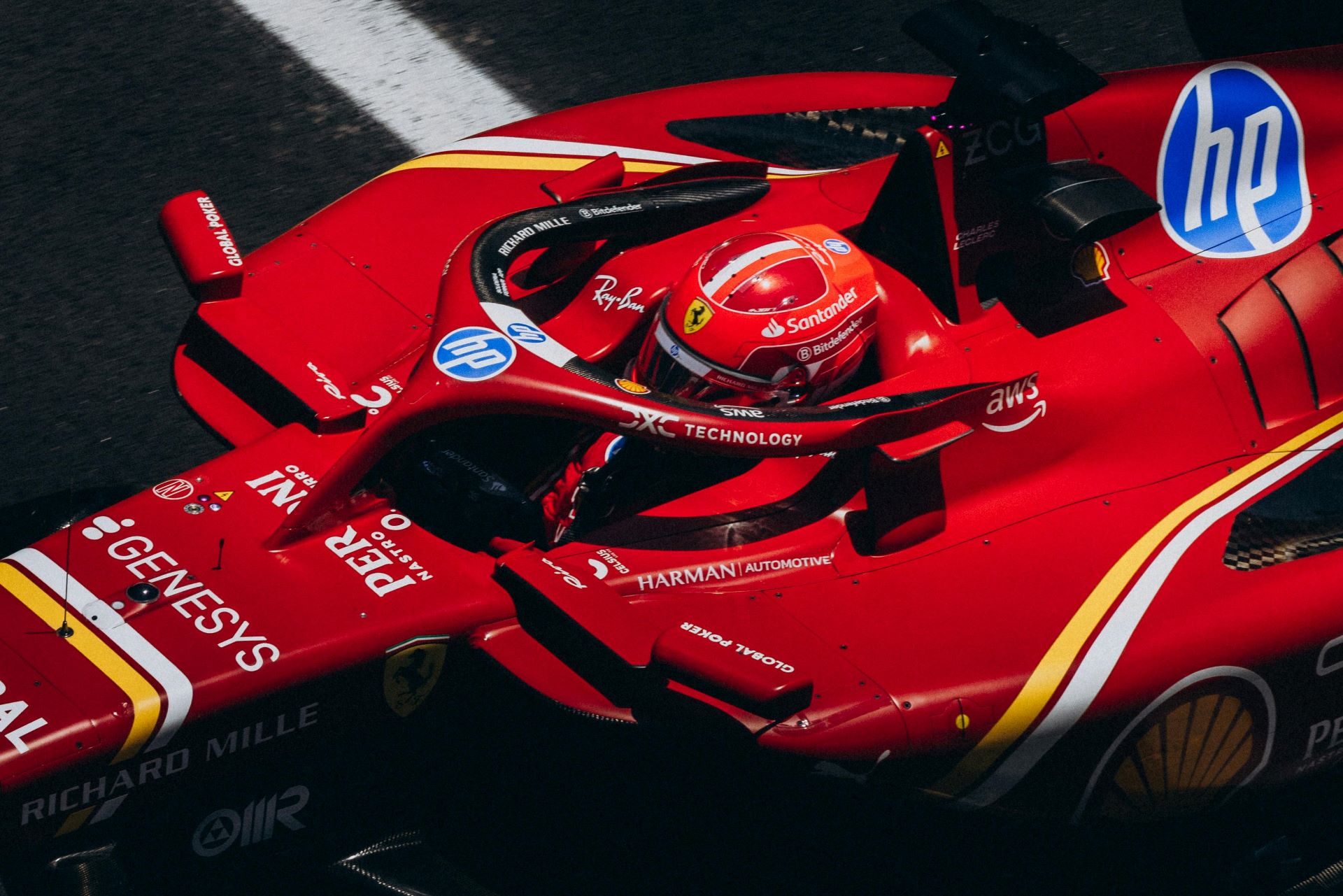
Ferrari, meanwhile, needs no reminder of how F1 success feeds brand mythology. Decades of racing heritage underpin its image as the quintessential purveyor of passion and performance. Even in seasons without silverware, the sheer drama of FerrariÔÇÖs participation keeps the brand embedded in popular culture, ensuring that every road carÔÇöwhether a V12 grand tourer or a hybrid supercarÔÇöcarries the aura of the Scuderia.
For newer entrants such as Aston Martin, F1 provides a stage to signal technological ambition and to appeal to a younger demographic. The teamÔÇÖs visible progress since re-entering the sport has coincided with strong sales growth for its road cars, demonstrating how even incremental on-track improvement can translate into marketplace momentum.
Endurance Racing: The Laboratory of Innovation
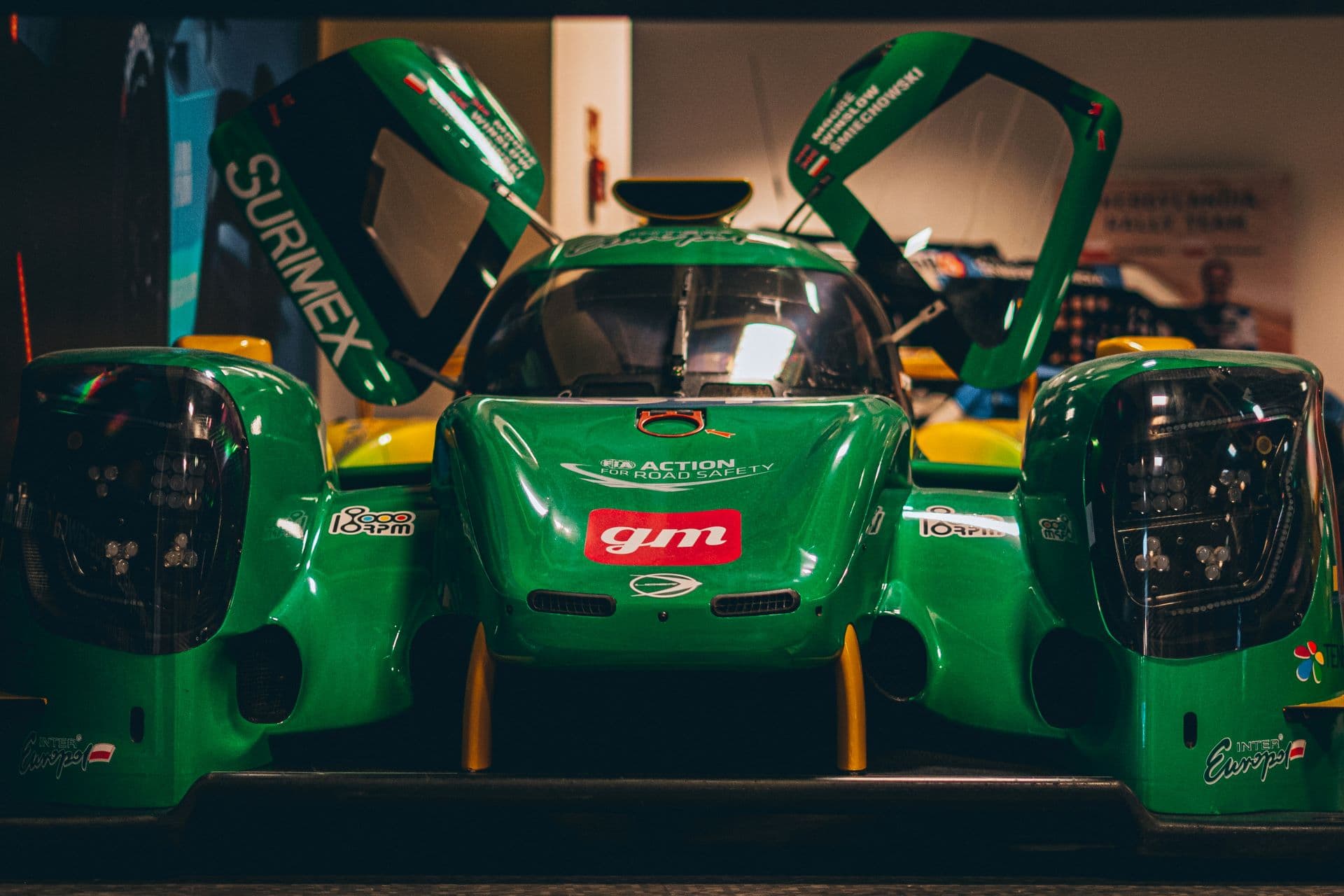
While F1 offers immediate spectacle, endurance racingÔÇöexemplified by the 24 Hours of Le MansÔÇödelivers a different kind of marketing value. These events test not only outright speed but also reliability, efficiency and teamwork, qualities that resonate with a broad range of consumers.
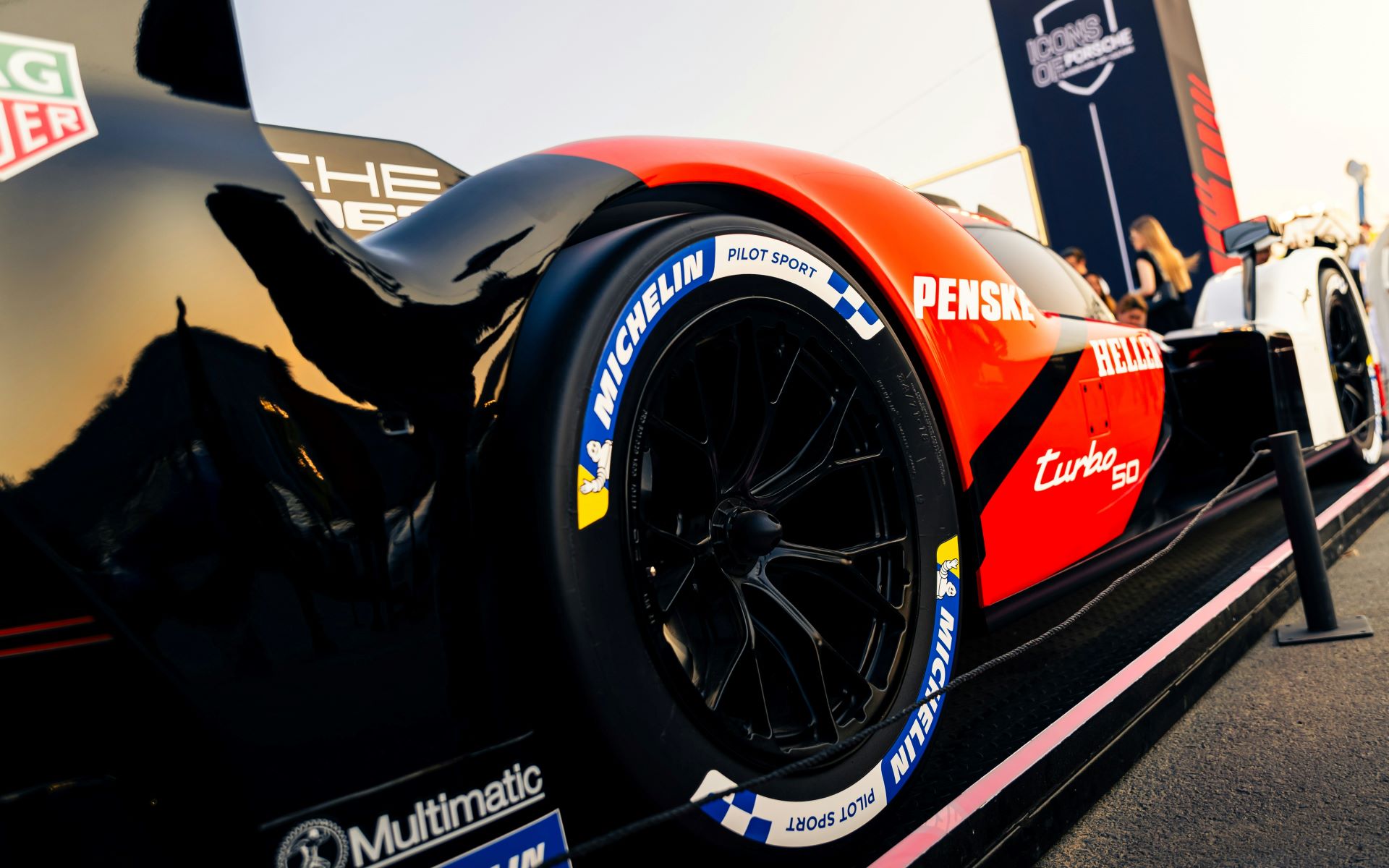
Brands like Toyota, Porsche and Peugeot have used endurance success to validate their commitment to hybrid technology long before electrification became a mainstream expectation. ToyotaÔÇÖs multiple Le Mans victories with hybrid prototypes gave the company a platform to promote its road-going Prius and subsequent hybrid models as products of race-proven innovation.
The marketing narrative here is subtle yet powerful: if a powertrain can withstand 24 hours of relentless racing at high speed, it can surely handle the demands of everyday driving. Such messaging supports brand trust and underpins the adoption of advanced technologies such as battery-electric drivetrains or hydrogen fuel cells.
Rallying and Touring Cars: Bringing Performance to the People
Rallying and touring car championships provide another dimension to the halo effect, connecting directly with enthusiasts who see modified versions of everyday vehicles compete on challenging terrain.
SubaruÔÇÖs World Rally Championship triumphs of the 1990s transformed the Impreza from a modest family sedan into a cult performance icon. The blue and gold livery remains an enduring emblem of affordable speed, and the WRX name continues to resonate decades after the teamÔÇÖs heyday.
Similarly, BMWÔÇÖs history in touring car racing has reinforced its brand promise of ÔÇ£Ultimate Driving Pleasure.ÔÇØ Victories in series such as the DTM and British Touring Car Championship lend authenticity to the sporty character of mainstream 3-Series and M-performance models.
These forms of motorsport emphasise approachability. Spectators can identify with the vehicles on track or stage, strengthening the link between competition success and the road cars available in showrooms.
The Digital Frontier: E-Sports and Virtual Racing
In recent years, the explosive growth of e-sports has opened a new frontier for motorsport sponsorships. Virtual racing championships attract millions of online viewers and a digitally native audience often younger than traditional motorsport fans.
Manufacturers such as Porsche, BMW and McLaren have invested heavily in professional sim-racing teams and online competitions. These initiatives allow brands to engage with a generation that consumes content differently and may be more inclined to buy a performance-oriented electric vehicle or a subscription-based mobility service than a traditional petrol-powered sports car.
E-sports also serve as a low-carbon complement to physical racing, aligning with corporate sustainability goals while maintaining the excitement of competition. The halo effect here is about technological relevance and cultural connection: a brand that thrives in both real and virtual racing demonstrates agility and modernity, qualities highly prized in an era of rapid automotive change.
Strategic Objectives: Beyond Brand Awareness
While spectacle and excitement are the most visible aspects of motorsport sponsorship, manufacturers approach these investments with clear strategic objectives.
First, motorsport offers a platform for technology transfer. Advanced materials, aerodynamics, energy recovery systems and data analytics developed for racing often inform the design of future road cars. This reinforces a narrative of continuous innovation and engineering excellence.
Second, racing strengthens emotional engagement. Automotive purchases are rarely made on rational considerations alone; they are driven by passion, aspiration and identity. Motorsport provides a compelling arena to tell stories that stir these emotions.
Third, sponsorships create business-to-business opportunities. Corporate hospitality at racing events facilitates networking with key clients and partners, while association with a winning team enhances the parent companyÔÇÖs reputation among investors and suppliers.
Finally, motorsport offers measurable marketing returns. Media exposure, social media engagement, and merchandise sales all contribute to tangible ROI. Teams and manufacturers increasingly employ sophisticated analytics to track the impact of their racing programmes on brand metrics and consumer behaviour.
Measuring the Impact: From Podiums to Showrooms
Quantifying the halo effect has become a science in itself. Sponsorship agencies and automotive marketing teams track metrics such as global media value, website traffic spikes following race weekends, and correlations between on-track success and showroom footfall.
Mercedes-AMG, for example, reported significant uplifts in online configuration activity for its performance models following major Formula 1 victories. Similarly, ToyotaÔÇÖs hybrid sales received measurable boosts after each Le Mans triumph, with marketing campaigns explicitly linking endurance success to consumer-facing products.
This data-driven approach ensures that motorsport sponsorships are not vanity projects but integral components of a broader marketing strategy. By demonstrating a clear line from racing achievement to sales growth, manufacturers justify the substantial investments required to compete at the highest level.
The Sustainability Imperative
The automotive industryÔÇÖs pivot toward sustainability poses both challenges and opportunities for motorsport. Critics question the environmental impact of racing, while advocates argue that competition accelerates the development of cleaner technologies.
Series such as Formula E and the World Endurance ChampionshipÔÇÖs hypercar class showcase electric and hybrid innovations in front of global audiences. These platforms allow manufacturers to position themselves as pioneers of sustainable mobility while retaining the drama and engagement of traditional racing.
Even Formula 1 is evolving, with plans for 100 percent sustainable fuels and net-zero carbon operations. Such initiatives ensure that motorsport remains relevant to an automotive market increasingly defined by environmental responsibility.
Integrating Motorsport into the Marketing Mix
For maximum impact, motorsport sponsorships must be integrated across the entire marketing ecosystem. This means weaving racing narratives into advertising campaigns, social media content, dealership experiences and customer events.
Successful brands create a seamless journey from the track to the showroom. Limited-edition models inspired by racing liveries, interactive displays featuring telemetry data, and driver appearances at launch events all help to translate competition success into consumer excitement.
Moreover, partnerships with lifestyle brands, technology companies and entertainment platforms extend the reach of motorsport marketing beyond traditional enthusiasts. By positioning racing as part of a broader cultural conversation, manufacturers ensure that their halo remains bright and inclusive.
Challenges and Risks
While the rewards are substantial, motorsport sponsorships are not without risk. High costs can strain budgets, and poor on-track performance may dilute rather than enhance brand perception. Negative headlinesÔÇöwhether technical controversies or off-track scandalsÔÇöcan also tarnish the brand image.
To mitigate these risks, manufacturers diversify their involvement across multiple racing disciplines and maintain a long-term perspective. The halo effect is often built over years, not single seasons, and sustained commitment to competition reinforces credibility even during periods without trophies.
Racing Toward the Future
Motorsport sponsorships remain one of the most potent instruments in the automotive marketing toolkit. From the roaring circuits of Formula 1 to the pixel-perfect precision of e-sports, the thrill of competition continues to forge powerful emotional connections between manufacturers and consumers.
The halo effectÔÇöwhere trackside triumphs elevate the perception of every road carÔÇöensures that racing retains its relevance even as the industry evolves toward electrification and new mobility paradigms. For carmakers, the message is clear: in a marketplace where technological credibility and emotional engagement are paramount, motorsport remains the ultimate arena to demonstrate both.
As the next generation of vehicles emergesÔÇösilent, sustainable, yet brimming with innovationÔÇöthe spectacle of racing will continue to inspire, proving that the pursuit of speed is as compelling a marketing platform as it was when the first chequered flag fell more than a century ago.
Breyten Odendaal
Specializing in high-performance automotive advertising and digital marketing solutions, delivering cutting-edge insights and the latest news shaping the automotive industry in South Africa.
More From Advertising

Automotive Advertising in 2026: Selling Confidence in a More Competitive Market
As South Africa’s vehicle market becomes more competitive, automotive advertising needs to do more than announce a price or specification. It needs to help buyers understand value, ownership costs and why a vehicle suits their lives.

Automotive Digital Ads in South Africa: A Shift
Exploring how South Africa’s automotive advertising evolved from print and broadcast to data-driven, programmatic digital ecosystems.

The Video Shift in Car Buying Decisions in SA
Explore how video content shapes car purchase decisions in South Africa, comparing short-form and long-form strategies for automotive marketers.