Picture this: a dimly lit garage, a silk cover draped over a mysterious shape. The gathered crowd buzzes with anticipation, cameras at the ready. Suddenly, the cloth is pulled away, revealing a striking new modelÔÇöone that only a handful of lucky (and wealthy) enthusiasts will ever own. Within minutes, headlines explode across the internet, forums light up with debates, and collectors scramble to place deposits. No traditional advertising in sight, yet the car world is in a frenzy.
Welcome to the world of limited-edition cars, where hype is an art form, and scarcity is the secret ingredient. These automotive unicorns capture imaginations, not through billboards or TV commercials, but through intrigue, exclusivity, and the irresistible power of FOMO (fear of missing out). But how exactly do manufacturers achieve this? LetÔÇÖs buckle up and take a closer look.
The Allure of Exclusivity
What makes a car enthusiastÔÇÖs heart race faster than a turbocharged V8? Rarity. Limited-edition models tap into a fundamental psychological triggerÔÇöscarcity. When something is hard to get, we want it even more. The knowledge that only a few hundredÔÇöor even a dozenÔÇöof a particular model exist makes it feel like automotive gold.
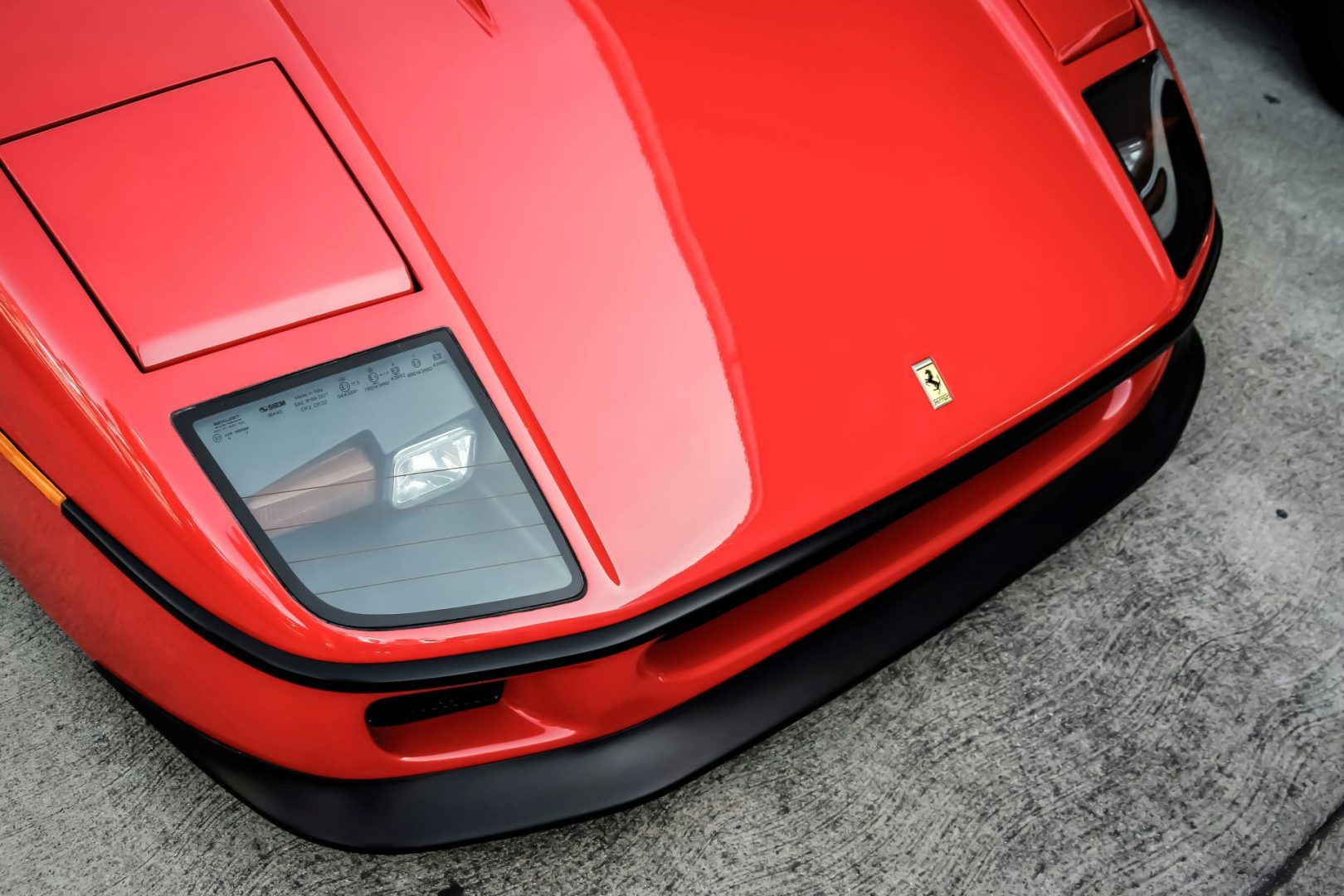
Consider FerrariÔÇÖs ultra-exclusive Monza SP1 and SP2. With fewer than 500 units produced, these open-top speedsters were offered only to FerrariÔÇÖs most loyal customers. No press ads, no TV spotsÔÇöjust a quiet whisper in the right circles, and suddenly, every collector wanted one.
Bugatti has also mastered this art, with hyper-limited runs like the Centodieci (10 units worldwide) and the Voiture Noire (a one-off masterpiece). The price tags? Astronomical. But the exclusivity? Priceless.
Leveraging Brand Heritage and Fan Base
Legacy brands donÔÇÖt need to shout; they whisper, and the world listens. Automakers with rich histories have a built-in advantage when launching limited editions. Their long-standing reputations cultivate trust and anticipation, making every special release feel like an event.
Take Porsche. When the 911 R was announced, it wasnÔÇÖt just another 911. It was a callback to the brandÔÇÖs racing heritageÔÇöa puristÔÇÖs dream with a manual transmission and a naturally aspirated flat-six. Porsche never had to beg for attention; the name alone ensured every unit was spoken for before production even began.
Lamborghini plays a similar game, crafting models that honor their own legacy. The Revent├│n, inspired by stealth fighter jets, wasnÔÇÖt just a carÔÇöit was a statement. Only 20 units were made, and every single one had an owner before it was even unveiled.
Word of Mouth and Community Engagement
Limited editions thrive on organic hype, and car communities are their loudspeakers. Social media, forums, and YouTube channels serve as the ultimate word-of-mouth machines, spreading news at lightning speed.
Take the Ford GT. Ford didnÔÇÖt bombard us with commercials when reviving the iconic supercar. Instead, it made potential buyers apply for the chance to own one, ensuring only true enthusiasts (or deep-pocketed collectors) would get behind the wheel. This exclusivity turned the application process into a viral sensation, further fueling the carÔÇÖs desirability.
Then thereÔÇÖs the world of hypercar spotting. Brands like Koenigsegg and Pagani donÔÇÖt need advertising when social media influencers do the work for them. One viral TikTok or Instagram post featuring a rare Huayra Roadster BC, and the internet goes wild.
Partnerships, Collaborations, and Special Features
Want to make a car even more desirable? Slap a designerÔÇÖs name on it. Automakers have long partnered with fashion houses, celebrities, and luxury brands to create buzz.
Aston Martin teamed up with Red Bull Racing to develop the Valkyrie, a street-legal hypercar with F1-level performance. The collaboration alone was enough to ensure its instant sellout status.
Bentley joined forces with Breitling for the Continental GT Mulliner, featuring a built-in Breitling clock worth more than some actual cars. Meanwhile, Mini collaborated with fashion icon Paul Smith to produce a limited-edition electric Mini inspired by the designerÔÇÖs colorful aesthetic. The result? Instant collectorÔÇÖs item.
Case Studies of Successful Models
Ferrari LaFerrari
FerrariÔÇÖs first hybrid hypercar needed no introduction. With only 499 units produced, the LaFerrari was sold out before most people even knew it existed. No TV spots, no billboardsÔÇöjust an invite-only sales process that left the automotive world clamoring for more.
McLaren P1
The P1 was part of the legendary Holy Trinity of hypercars, alongside the LaFerrari and Porsche 918 Spyder. McLaren leveraged its Formula 1 heritage and cutting-edge technology to make it a must-have. Every single unit was spoken for before production even started.
Dodge Challenger SRT Demon
Dodge took a different approachÔÇöteasing the hell (literally) out of its street-legal drag monster. Over-the-top video releases, cryptic social media hints, and a name like ÔÇ£DemonÔÇØ created so much hype that dealerships were overwhelmed with demand.
Bugatti Chiron Super Sport 300+
Breaking the 300-mph barrier isnÔÇÖt just an achievementÔÇöitÔÇÖs a marketing goldmine. BugattiÔÇÖs Chiron Super Sport 300+ was limited to 30 units, and its record-breaking speed made headlines worldwide. Once again, no traditional ads were needed; the numbers spoke for themselves.
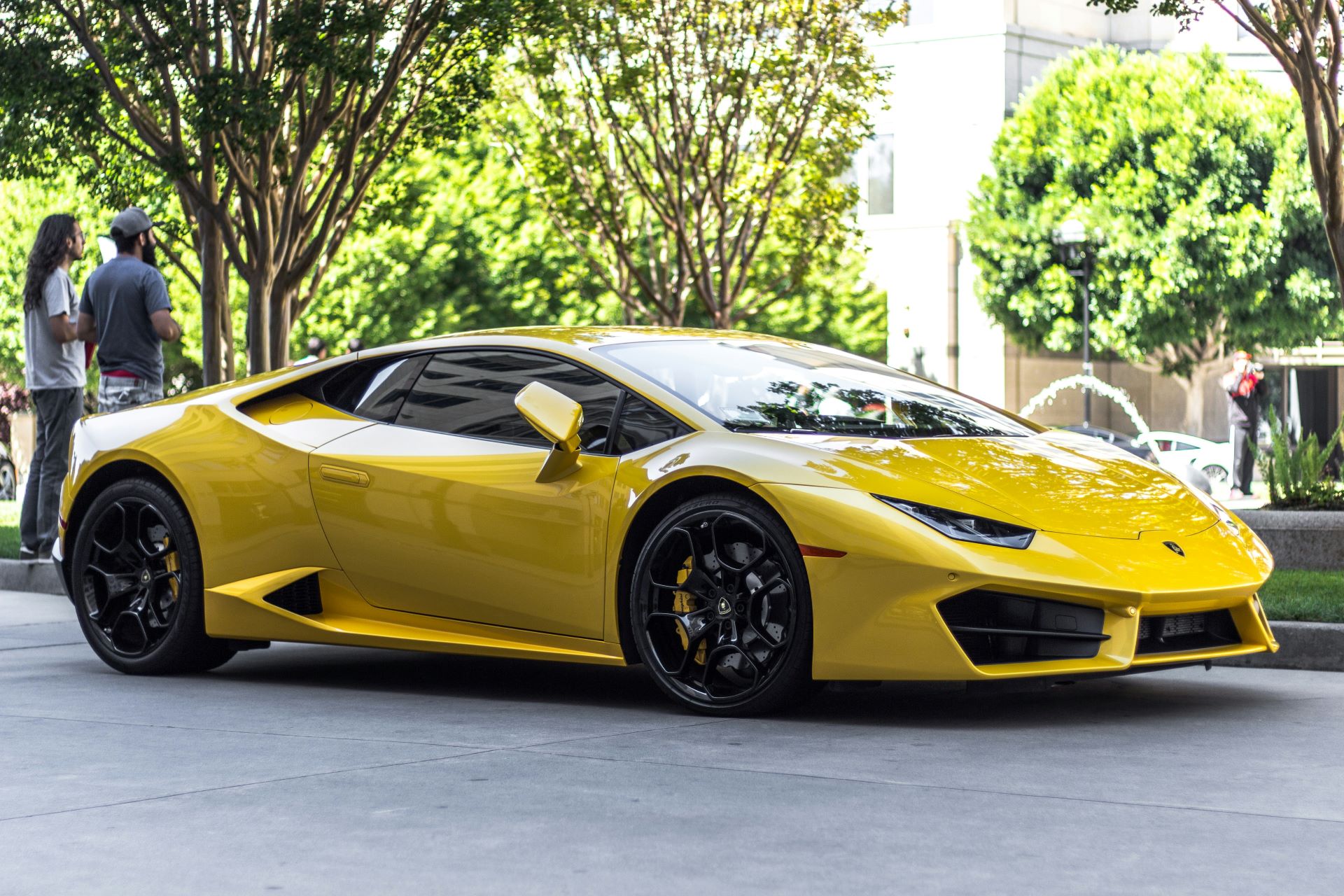
Limited-edition cars are the automotive equivalent of high fashionÔÇörare, expensive, and highly coveted. Manufacturers donÔÇÖt need commercials when they have exclusivity, heritage, and a passionate fan base doing the marketing for them.
Whether itÔÇÖs FerrariÔÇÖs invite-only approach, PorscheÔÇÖs purist nostalgia plays, or DodgeÔÇÖs theatrical reveals, the formula remains the same: create something rare, make enthusiasts feel special, and let the hype machine do the rest.
So, whatÔÇÖs next? Will brands continue to push the limits of exclusivity, or will the digital age usher in a new way to manufacture hype? One thingÔÇÖs for sureÔÇöwherever thereÔÇÖs a limited edition, thereÔÇÖs an eager crowd waiting to claim it.
Breyten Odendaal
Specializing in high-performance automotive advertising and digital marketing solutions, delivering cutting-edge insights and the latest news shaping the automotive industry in South Africa.
More From Advertising

Automotive Advertising in 2026: Selling Confidence in a More Competitive Market
As South Africa’s vehicle market becomes more competitive, automotive advertising needs to do more than announce a price or specification. It needs to help buyers understand value, ownership costs and why a vehicle suits their lives.

Automotive Digital Ads in South Africa: A Shift
Exploring how South Africa’s automotive advertising evolved from print and broadcast to data-driven, programmatic digital ecosystems.

The Video Shift in Car Buying Decisions in SA
Explore how video content shapes car purchase decisions in South Africa, comparing short-form and long-form strategies for automotive marketers.