
The roar of an engine, the gleam of polished chrome, and the scent of burning rubber once defined the heartbeat of automotive culture. In decades past, the car was not merely a means of transportationÔÇöit was a statement of identity, a repository of memories, and a symbol of freedom on open roads. For automotive enthusiasts, every model had a story, every curve a legacy, and every engine note resonated with a nostalgia that connected past glories with modern dreams. Today, while the world hurtles forward with technological innovations and digital transformations, that same sense of nostalgia endures, albeit with a new twist. Enter the age of influencer marketingÔÇöa phenomenon that has fundamentally altered the way consumers interact with the automotive landscape.
In recent years, social media influencers have surged to the forefront of marketing strategies, leveraging their digital clout to impact consumer behavior. Their authentic storytelling, coupled with a personal connection to their followers, has bridged the gap between classic car culture and modern automotive marketing. No longer confined to glossy print ads or well-curated car shows, influencers now bring the passion for cars directly into the digital homes of enthusiasts around the globe. They create immersive experiencesÔÇövirtual car tours, behind-the-scenes looks at automotive events, and personal test drive reviewsÔÇöthat resonate with a generation that values both authenticity and nostalgia.
This article explores the fascinating interplay between influencer marketing and automotive purchases. It delves into how the digital age has redefined traditional car-buying behaviors while rekindling a heartfelt appreciation for the heritage of automotive craftsmanship. By tracing the evolution of automotive enthusiasm from its analog roots to the dynamic digital era, we aim to uncover how influencers are not only shaping consumer choices but also preserving the timeless spirit of car culture. As we navigate through this evolving landscape, we invite automotive enthusiasts to join us on a journey that celebrates both innovation and the enduring charm of a bygone era.
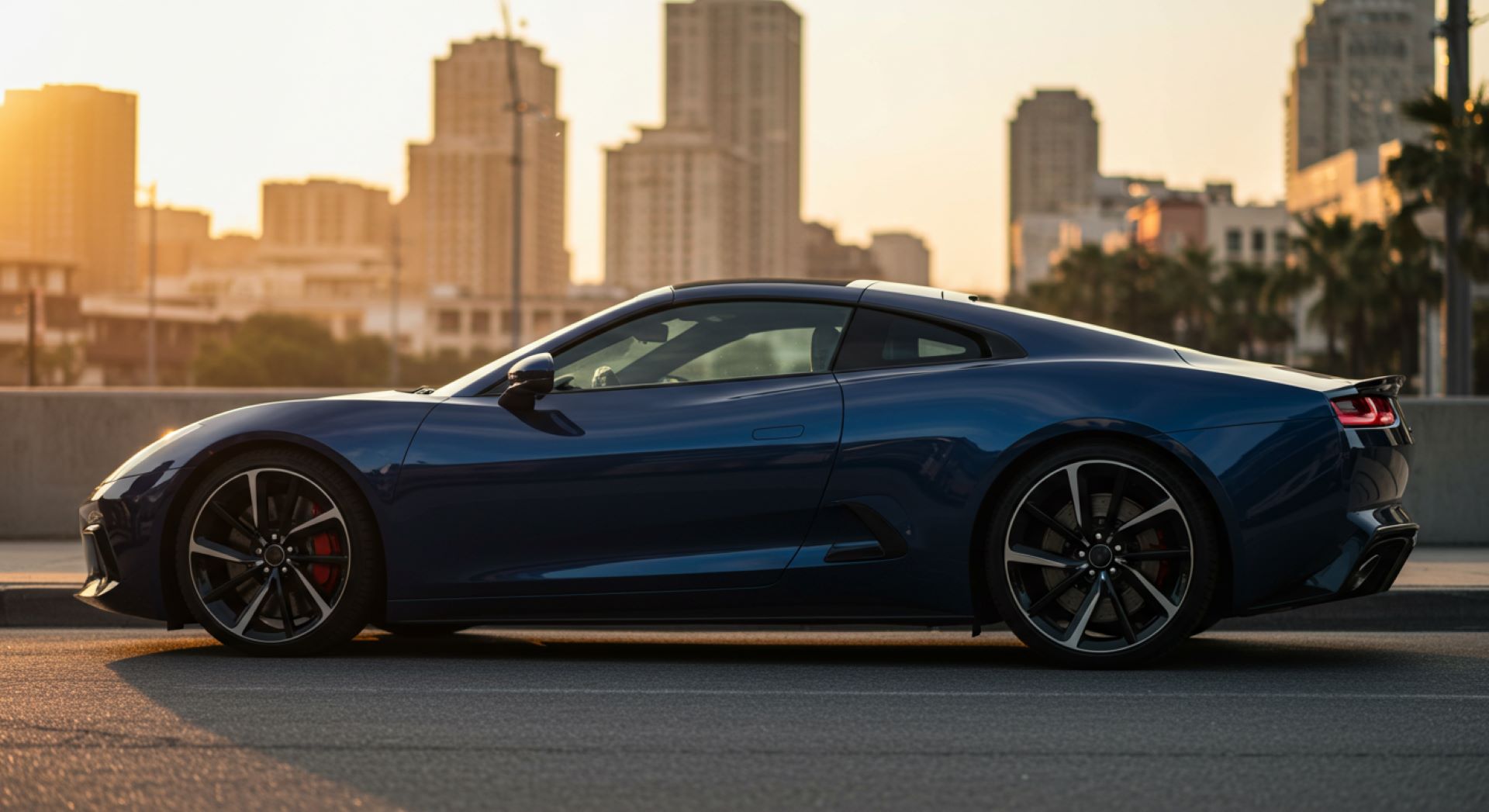
Historical Context
Before the digital revolution, automotive purchases were driven by a blend of tangible experiences and trusted personal connections. In the mid-20th century, the local car show was a veritable carnival of chrome, leather, and horsepower. Families and car aficionados would gather in sprawling parking lots, discussing engine performance and admiring custom paint jobs while swapping stories that had been passed down through generations. Word-of-mouth recommendations were the currency of trustÔÇöneighbors, friends, and even strangers at the service station were regarded as reliable sources of advice. This era was characterized by an organic, community-driven approach to car buying that celebrated both the product and the passion behind it.
Print media played a critical role during this period. Enthusiast magazines, with their glossy spreads and meticulously crafted reviews, were the go-to sources for automotive information. Publications like Car and Driver and Road & Track were revered for their in-depth analyses and hands-on reviews. The tactile pleasure of flipping through a well-designed magazine, coupled with the excitement of receiving a personal recommendation, imbued the entire experience with a sense of authenticity and excitement. Advertisements in these publications were more than just promotionsÔÇöthey were narratives that connected prospective buyers with the legacy and craftsmanship of the vehicles they admired.
The nostalgia embedded in these experiences is something that continues to influence modern automotive enthusiasts. Even as we now navigate online forums and digital review sites, the charm of a well-told story about a legendary roadster or a classic muscle car endures. These narratives have a unique power: they not only inform but also evoke memories of a time when automotive passion was shared around the dinner table and at community gatherings. This connection to the past is what makes the modern shift toward digital influencer marketing all the more intriguing. While todayÔÇÖs consumers may be scrolling through Instagram feeds or watching YouTube reviews, the desire to connect with a brandÔÇÖs heritage and authenticity remains deeply rooted in the collective automotive consciousness.
Thus, the historical landscape of automotive purchasing was built on a foundation of trust, tangible experiences, and rich storytelling. It set the stage for a marketing evolution where the digital realm now seeks to recapture that same sense of belonging and nostalgia, bridging the gap between the analog past and the connected present.
The Rise of Influencer Marketing
The evolution of influencer marketing is a testament to the transformative power of social media and digital connectivity. As the internet revolution took hold in the early 2000s, traditional advertising began to give way to more personalized forms of communication. The advent of platforms like YouTube, Instagram, and Facebook created new opportunities for individuals to share their passions and expertise, turning everyday enthusiasts into digital tastemakers. This grassroots movement, combined with the increasing democratization of content creation, has forever altered the way brands connect with consumers.
Influencers, by nature, exude authenticity. Their platforms are built on genuine experiences, candid reviews, and a personal touch that traditional advertisements often lack. They engage with their audiences on a level that feels more like a conversation among friends rather than a monologue from a faceless corporation. In the automotive world, this means that an influencerÔÇÖs review of a new model, recounting a personal test drive or reminiscing about a classic ride, carries a weight that can influence purchasing decisions far more than a standard ad campaign ever could.
Historically, influencers emerged as experts in nichesÔÇöbe it fashion, technology, or automotive culture. Their rise was powered by the trust and loyalty they garnered from followers who saw them as both connoisseurs and relatable peers. This shift was particularly impactful in the automotive industry. Instead of relying solely on professional reviewers and glossy magazine ads, automotive brands began collaborating with influencers who could offer a fresh perspective, blending technical expertise with the emotive allure of storytelling. For instance, a renowned car enthusiast might share a heartfelt review of a vintage restoration project, highlighting not just the mechanics of the car but also the memories evoked by its design and performance.
The success of influencer marketing in sectors like beauty and lifestyle set a compelling precedent for the automotive industry. Brands observed that when influencers authentically engaged with their audiences, they could drive significant consumer interest and even spark trends. The measurable impact was clear: engagement rates soared, and conversion rates followed. Automotive brands, always in search of new avenues to connect with a discerning audience, soon embraced this paradigm shift. They recognized that influencers could transform the narrative around car purchasing by making it not just about specifications and performance, but also about heritage, lifestyle, and emotional resonance.
Moreover, the flexibility of digital content allowed influencers to experiment with formatsÔÇöranging from live streams of car launches to immersive virtual tours of showrooms. These innovations have not only expanded the reach of automotive marketing but have also redefined the consumer journey. TodayÔÇÖs automotive influencer is part storyteller, part technologist, and part cultural curator, orchestrating experiences that blend the excitement of modern technology with the timeless allure of classic car culture.
In essence, the rise of influencer marketing is a natural evolution driven by the need for authenticity and engagement. It represents a merging of the personal touch of traditional word-of-mouth with the expansive reach of modern digital mediaÔÇöa transformation that has irrevocably reshaped the landscape of automotive purchasing.
Influencer Impact on Automotive Purchases
In the contemporary automotive market, influencers wield a significant influence over purchasing decisions, often acting as trusted intermediaries between brands and enthusiasts. Their impact is multifaceted, touching every stage of the car-buying journeyÔÇöfrom initial discovery to the final decision to purchase. As vehicles become increasingly sophisticated, blending cutting-edge technology with a rich heritage, the role of influencers in articulating these narratives becomes even more critical.
One of the most direct ways influencers affect automotive purchases is through personalized recommendations and in-depth reviews. When an influencer shares a firsthand account of their experience with a particular car, it resonates with viewers on an emotional level. These reviews often go beyond mere technical details, capturing the essence of what it feels like to sit behind the wheel of a machine that carries a storied legacy. For example, an influencer known for their deep-rooted passion for classic American muscle cars may recount the visceral thrill of a test drive, evoking memories of road trips and summer adventures. Such narratives not only educate potential buyers but also kindle a longing for the experiences that defined an era.
The digital realm has also given rise to innovative marketing practices such as virtual car showrooms and immersive test drives. Influencers are now at the forefront of these digital transformations, offering virtual tours that allow audiences to explore car models from the comfort of their homes. By using high-definition video, interactive content, and real-time commentary, influencers create experiences that are both informative and emotionally engaging. This digital shift is particularly significant for younger audiences who value convenience but still harbor a deep appreciation for the tactile and nostalgic aspects of car culture.
Moreover, collaborations between automotive brands and influencers have become a hallmark of modern marketing strategies. From exclusive launches to limited-edition models, influencers are frequently involved in promotional events that are designed to create buzz and drive consumer interest. Their ability to generate excitement is amplified through social media challenges, behind-the-scenes glimpses, and live Q&A sessions that demystify the intricacies of new automotive innovations. These engagements often translate into heightened brand loyalty and a stronger emotional connection between the consumer and the product.
Case studies abound where influencer-driven campaigns have led to measurable increases in sales. For instance, a luxury car brand recently partnered with a popular automotive influencer for a live-streamed launch event. The influencerÔÇÖs enthusiastic commentary and detailed walkthrough of the carÔÇÖs features attracted thousands of viewers, many of whom went on to schedule test drives. Similarly, niche influencers with a dedicated following of vintage car aficionados have successfully revived interest in heritage models, combining historical reverence with modern marketing techniques to create a compelling narrative that drives both interest and sales.
In summary, influencers are not just passive endorsersÔÇöthey are active participants in the automotive purchasing process. Their ability to blend technical insights with evocative storytelling creates a dynamic marketing force that drives consumer behavior. Whether through direct recommendations, immersive digital experiences, or high-profile brand collaborations, influencers continue to reshape the way automotive enthusiasts discover, appreciate, and ultimately purchase their vehicles.
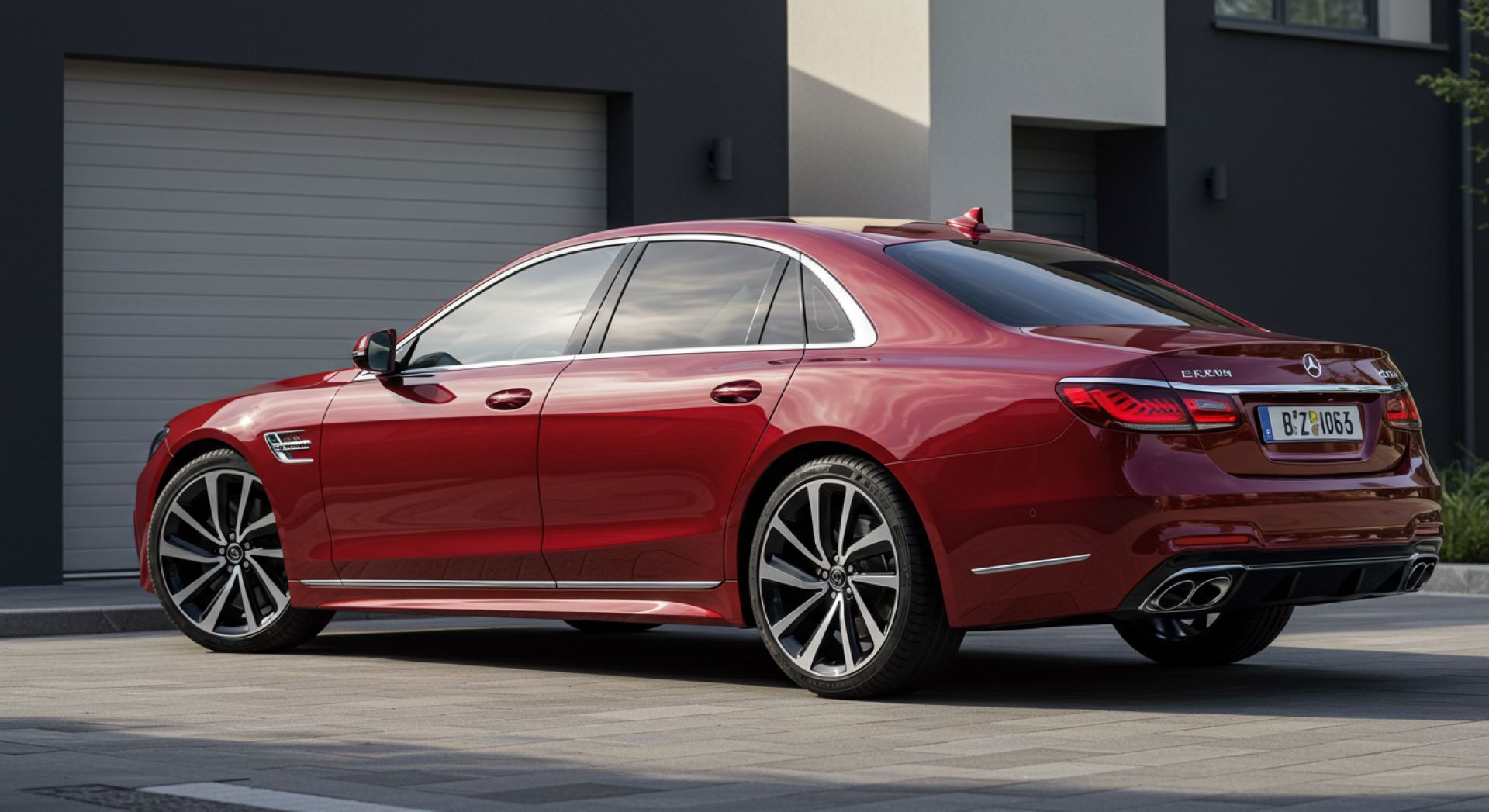
The Role of Nostalgia in Influencer Marketing
Nostalgia is a powerful emotional catalyst that has long been a cornerstone of automotive culture. It conjures images of sunlit highways, timeless designs, and the cherished memories of past adventures. In the realm of influencer marketing, nostalgia serves as a critical bridge between the storied past of automotive heritage and the innovative present. Influencers adeptly tap into this reservoir of sentimentality, crafting content that not only informs but also evokes deep emotional connections among their audiences.
When influencers incorporate nostalgic elements into their narratives, they create a sense of continuity between generations of car enthusiasts. For many, a vintage car is more than a machineÔÇöitÔÇÖs a repository of personal history. Influencers often share stories of their first car, recounting the thrill of learning to drive or the excitement of a family road trip. These recollections resonate with viewers who have similar memories, generating a shared emotional experience that transcends the mere mechanics of a vehicle. By blending personal anecdotes with technical reviews, influencers transform a product launch into a celebration of automotive legacy.
One effective way influencers evoke nostalgia is through the curation of content that highlights the evolution of design and engineering over the decades. Video series that compare classic models with their modern counterparts, for example, do more than just showcase technological advancementsÔÇöthey invite viewers to reminisce about the aesthetics and values of a bygone era. Such content often features vintage footage, archival photos, and interviews with automotive veterans, creating a layered narrative that honors the past while embracing the present. This strategy not only deepens audience engagement but also reinforces the authenticity and credibility of the influencer as a true connoisseur of car culture.
Furthermore, influencers often collaborate with brands on campaigns that celebrate anniversaries or the reissue of classic models. These partnerships are crafted to evoke a collective sense of pride and nostalgia, positioning the vehicle as a timeless icon that has weathered the test of time. The interplay of modern marketing techniques with vintage imagery and storytelling results in a compelling narrative that appeals to both long-time enthusiasts and new fans discovering the rich history of automotive design.
Nostalgia also plays a significant role in fostering trust. In an era where digital interactions can sometimes feel fleeting and impersonal, the deliberate invocation of shared memories and historical touchstones provides a grounding, almost cathartic, experience. Automotive influencers who successfully leverage nostalgia do more than just sell a carÔÇöthey revive the emotional spirit of an era when every drive was an adventure and every car had a soul.
In this way, nostalgia in influencer marketing is not merely a stylistic choice; it is a strategic tool that enhances brand storytelling. By connecting with the deeply embedded emotions of their audience, influencers can transform marketing campaigns into celebrations of heritage, identity, and passionÔÇöa fusion that resonates powerfully with automotive enthusiasts across generations.
Challenges and Criticisms
While influencer marketing has undoubtedly reshaped the automotive purchasing landscape, it is not without its challenges and detractors. Skepticism remains among some automotive purists who question whether the digital hype can truly capture the authenticity of traditional car culture. Critics argue that the rapid rise of influencers has sometimes led to an oversaturation of sponsored content, diluting the trust that once made personal recommendations so compelling. The challenge, then, lies in balancing the allure of modern digital engagement with the time-honored values that have long defined automotive passion.
One significant criticism revolves around authenticity. As more brands engage influencers to promote their products, there is an increasing risk that content may become overly commercialized. When influencers are seen as mere mouthpieces for sponsored campaigns, their personal touchÔÇöthe very element that once set them apartÔÇöcan be lost. This blurring of lines between genuine enthusiasm and paid endorsements can leave audiences questioning the integrity of the reviews and recommendations they once held in high regard. For automotive aficionados who value honest opinions and detailed craftsmanship insights, this commercialization can feel like a betrayal of the nostalgic ethos that originally bonded them to the culture.
Another challenge is the potential for homogenization. With an abundance of similar content flooding digital platforms, it can be difficult for influencers to maintain a distinctive voice and perspective. The risk here is that marketing messages become generic, failing to capture the unique narratives and historical richness that define the automotive world. As brands increasingly rely on influencer partnerships, there is a growing concern that the industry might sacrifice diversity in favor of volume, leading to a scenario where the digital space is awash with repetitive, uninspired content that lacks the depth and authenticity that enthusiasts crave.
Moreover, the rapid pace of digital trends means that influencers must constantly adapt to evolving platforms and audience expectations. What worked yesterday may not resonate today, forcing influencers and brands alike to innovate continuously. This pressure to stay current can sometimes lead to short-term tactics that prioritize immediate engagement over long-term brand building. In a market where heritage and authenticity are paramount, such shifts risk undermining the very nostalgia that drives consumer loyalty.
Finally, regulatory and transparency issues also pose challenges. As influencer marketing grows, calls for clearer guidelines and disclosures have intensified. Audiences increasingly demand transparency regarding sponsorships and paid partnerships, and any perceived lack of honesty can trigger backlash. For automotive brands that pride themselves on heritage and trust, maintaining clarity about the nature of influencer collaborations is essential to preserving their reputation.
Despite these challenges, the automotive industry continues to harness the power of influencer marketing. The task ahead is not to abandon the digital revolution but to refine itÔÇöensuring that modern marketing techniques can coexist with, and indeed enhance, the timeless traditions of automotive culture.
Future Outlook
As the automotive landscape continues to evolve, the future of influencer marketing appears poised for further innovation and transformation. With emerging technologies such as virtual reality (VR) and augmented reality (AR) rapidly becoming part of the mainstream, automotive brands and influencers alike are exploring novel ways to blend digital experiences with the cherished nostalgia of classic car culture.
Looking ahead, one can anticipate that influencer-driven content will become even more immersive. Imagine experiencing a virtual test drive of a vintage muscle car through VR, where every rev of the engine and every detail of the interior is rendered with breathtaking realism. Such experiences not only bring the allure of the past into the present but also allow a new generation of enthusiasts to engage with automotive history in unprecedented ways. The integration of AR could further enhance live events, enabling influencers to overlay historical information and interactive features during car launches or live demonstrations, thereby creating a rich tapestry of past and present.
Another exciting development on the horizon is the evolution of content formats. As digital platforms continue to mature, influencers are likely to experiment with interactive storytelling, blending video, audio, and user-generated content to create dynamic narratives that capture the full spectrum of automotive passion. This shift toward multi-dimensional storytelling promises to deepen the connection between brands and their audiences, ensuring that the emotional resonance of nostalgic content remains intact even as new technologies come into play.
The future also holds the promise of more authentic collaborations between automotive brands and influencers. As the industry learns from the challenges of the past, there is an increasing emphasis on transparency, long-term partnerships, and creative freedom. Such collaborations are likely to produce campaigns that are not only visually stunning but also deeply rooted in the heritage of the automotive world. These partnerships will prioritize narrative depth over fleeting trends, ensuring that the legacy of classic car culture is honored while embracing the innovations of tomorrow.
Furthermore, data analytics and artificial intelligence are expected to play a greater role in shaping influencer strategies. By analyzing consumer behavior and engagement patterns, brands can fine-tune their messaging to better align with the nostalgic sensibilities of their target audience. This data-driven approach will allow for more personalized content, ensuring that every campaign resonates on an emotional level with automotive enthusiasts who long for the authenticity of days gone by.
In conclusion, the future of influencer marketing in the automotive industry is one of exciting possibilities and continuous evolution. As technology bridges the gap between the digital and the tangible, influencers will remain key storytellersÔÇöguardians of a legacy that marries the past with the future. The journey ahead is one of innovation, authenticity, and an unwavering commitment to celebrating the timeless spirit of car culture.
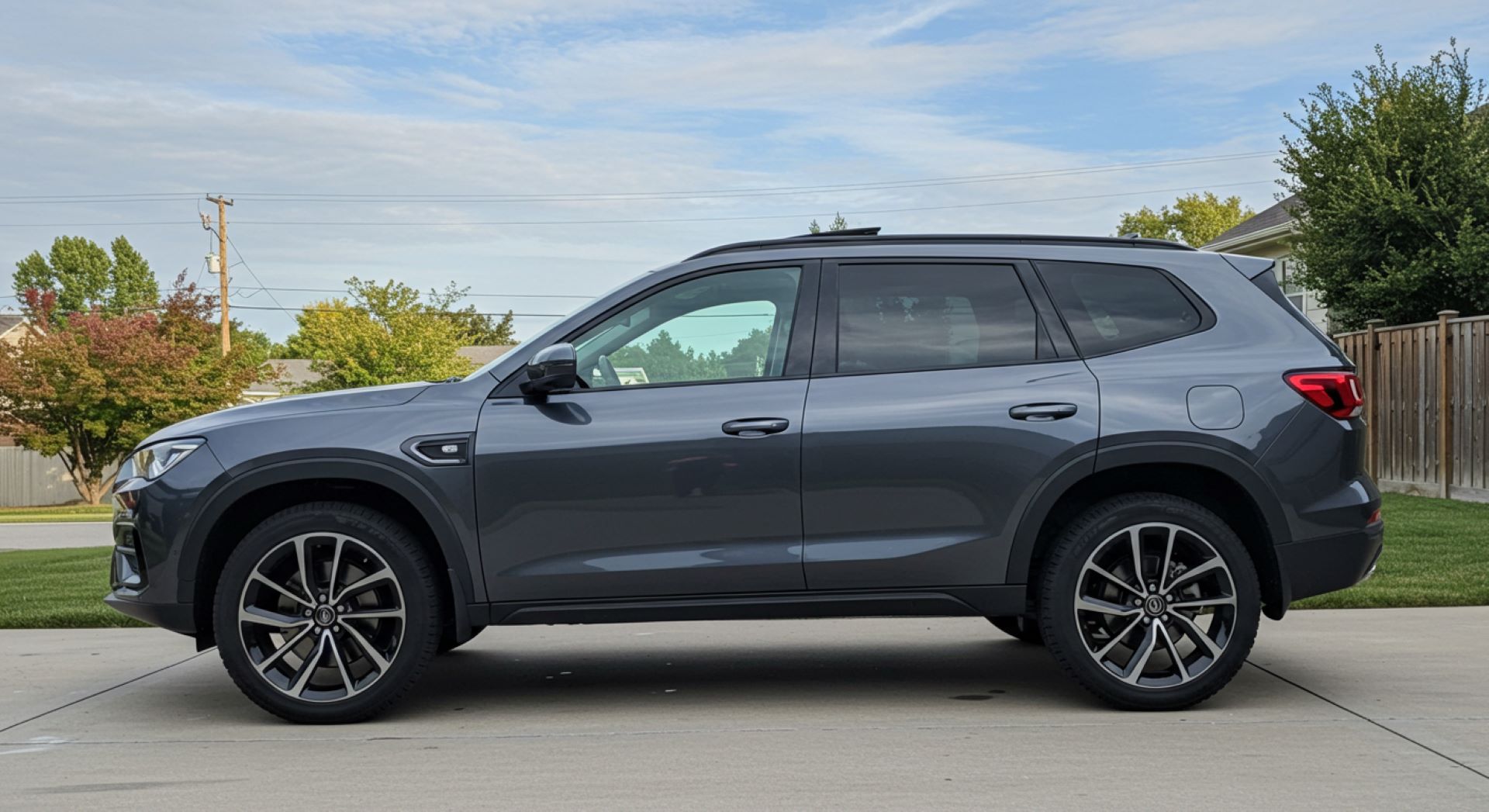
In reflecting upon the transformative journey of automotive marketingÔÇöfrom the tactile, community-driven experiences of the past to the dynamic, influencer-led narratives of todayÔÇöit becomes evident that nostalgia remains at the heart of the industry. Influencer marketing, with its blend of authenticity and digital reach, has not only reshaped consumer behavior but also rekindled a deep-seated appreciation for the heritage that defines car culture. As we traverse this exciting intersection of modern technology and classic appeal, one is reminded of the timeless allure of a well-crafted story that transcends generations.
The evolution of marketing strategies in the automotive world demonstrates that while the medium may change, the message endures. The memories of open roads, sunlit adventures, and the tactile thrill of a first drive continue to inspire, even as influencers harness the power of digital media to present vehicles in a new light. Their narratives, enriched by personal experiences and steeped in historical context, invite consumers to not just buy a car but to become part of a living legacyÔÇöa legacy where every engine roar echoes the past and every innovation points to a promising future.
As the industry moves forward, the challenge will be to preserve the authentic, nostalgic essence that long-time enthusiasts hold dear while embracing the technological advances that define modernity. The dialogue between tradition and innovation is ongoing, and its success will ultimately be measured by the ability to capture both the heart and the mind of every automotive aficionado.
In the final analysis, influencer marketing has emerged not as a departure from the past but as a dynamic evolutionÔÇöa means to honor legacy while paving the way for future breakthroughs. Automotive enthusiasts are thus invited to reflect on this delicate balance: Does the digital age enhance the nostalgic charm of car culture, or does it risk overshadowing its soulful heritage? The answer lies in the passion of those who drive forward, ever mindful of where they have come from, and inspired by the endless road ahead.
By weaving together the nostalgia of automotive history with the modern dynamics of influencer marketing, this article has explored the evolution, impact, and future potential of a trend that continues to redefine the way enthusiasts connect with the vehicles they love. From heartfelt personal stories to immersive digital experiences, the journey of automotive purchasing is being reshapedÔÇöreminding us that while times may change, the spirit of the open road endures.
Breyten Odendaal
Specializing in high-performance automotive advertising and digital marketing solutions, delivering cutting-edge insights and the latest news shaping the automotive industry in South Africa.
More From Advertising
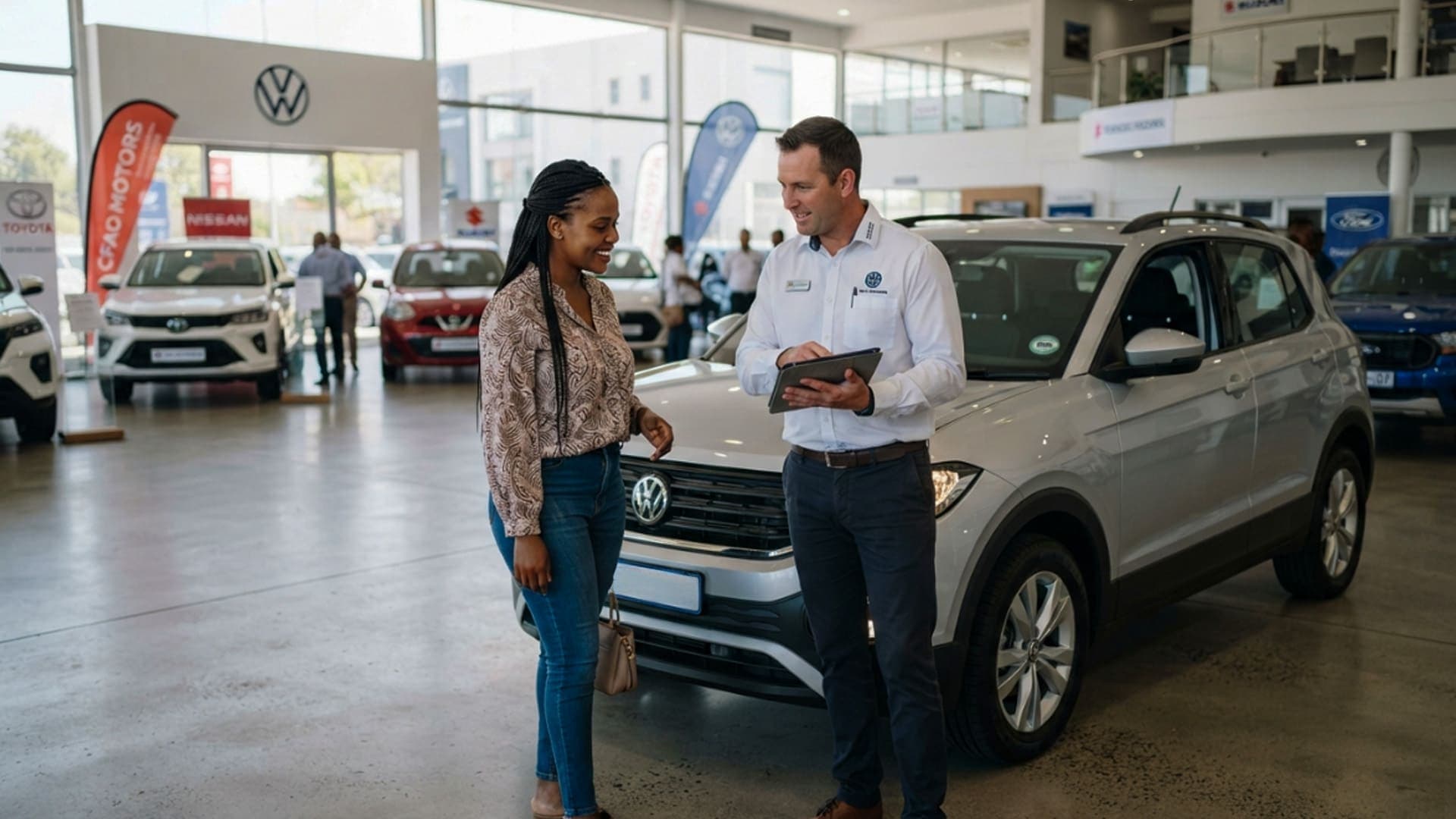
Automotive Advertising in 2026: Selling Confidence in a More Competitive Market
As South Africa’s vehicle market becomes more competitive, automotive advertising needs to do more than announce a price or specification. It needs to help buyers understand value, ownership costs and why a vehicle suits their lives.

Automotive Digital Ads in South Africa: A Shift
Exploring how South Africa’s automotive advertising evolved from print and broadcast to data-driven, programmatic digital ecosystems.

The Video Shift in Car Buying Decisions in SA
Explore how video content shapes car purchase decisions in South Africa, comparing short-form and long-form strategies for automotive marketers.