
Automotive enthusiasts are no strangers to the allure of nostalgia and the powerful pull of history. Every rev of an engine, every meticulously crafted detail on a vintage model, and every storied race has woven a tapestry that goes far beyond the mere mechanics of transportation. For many, the automotive industry is not simply about getting from point A to point BÔÇöitÔÇÖs about the journey, the memories, and the deep-seated passion that generations have inherited. This passion fuels the industryÔÇÖs success and underscores the vital role of heritage and legacy in advertising.
In todayÔÇÖs competitive marketplace, brands leverage decadesÔÇöeven centuriesÔÇöof history to create authentic connections with their audiences. The legacy of innovation, resilience, and design excellence becomes a cornerstone in storytelling, transforming vehicles into more than just products; they evolve into symbols of an era, a lifestyle, and an identity. Automotive advertising campaigns that tap into this reservoir of heritage evoke emotions, build trust, and inspire loyalty among enthusiasts who see their own narratives reflected in the brandÔÇÖs storied past. By intertwining historical milestones with contemporary innovations, these campaigns offer a compelling narrative that resonates deeply with consumers. The result is a dynamic marketing strategy that honors the past while confidently steering toward the future.
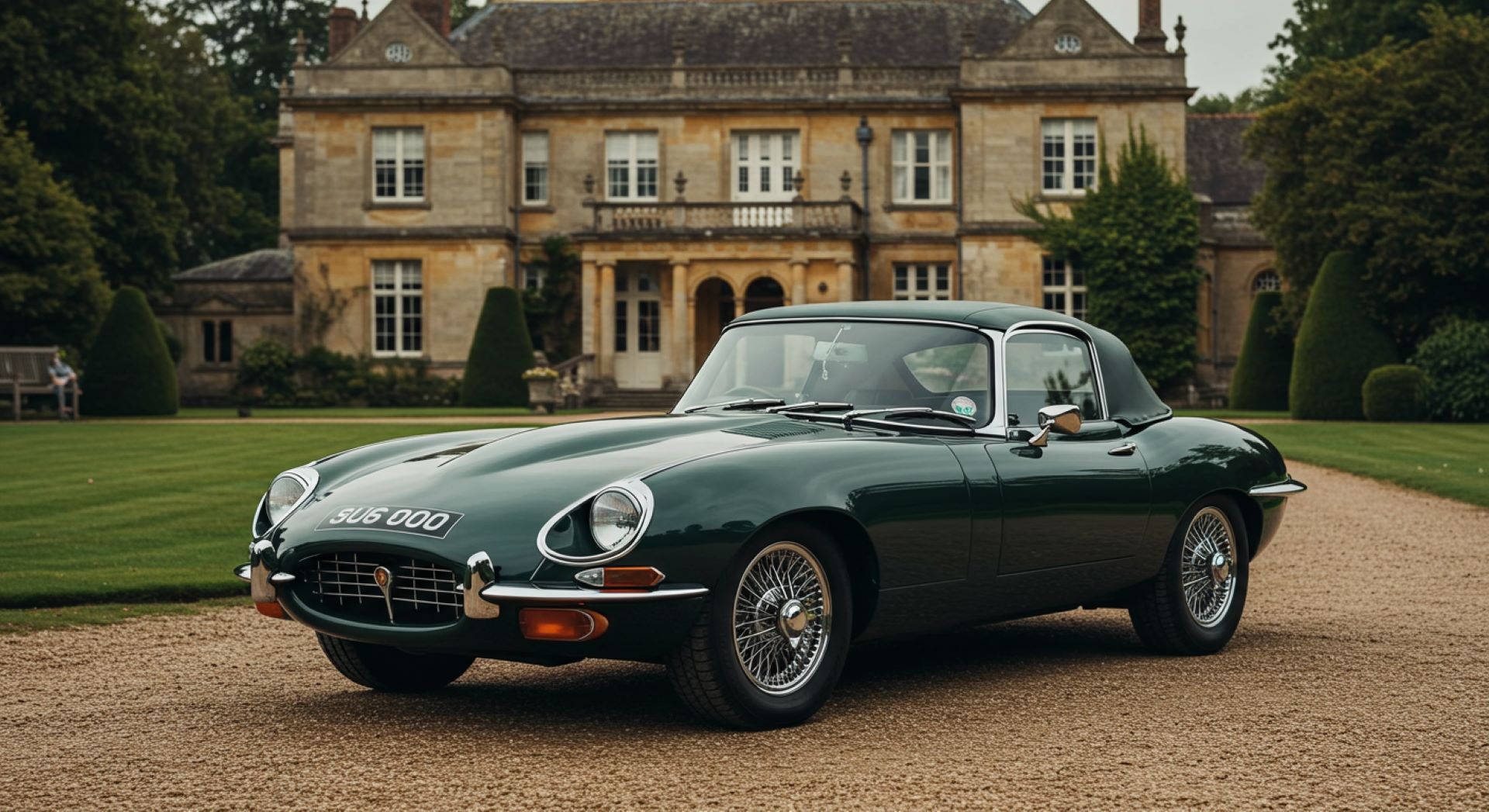
The Role of Heritage and Legacy in Automotive Brands
Heritage and legacy in the automotive context refer to the rich history and enduring traditions that define a brandÔÇÖs identity. Heritage embodies the tangible aspectsÔÇöhistoric models, iconic design elements, and the milestones achieved over decades of innovation. Legacy, on the other hand, captures the intangible qualities: the emotional connections, the brand philosophies, and the narratives that have been passed down through generations. Together, these elements form a powerful duo that distinguishes automotive brands in a saturated market.
Take, for example, FordÔÇÖs celebrated journey from the assembly line revolution to its modern-day technological advancements. The storied past of this American icon not only built trust among consumers but also set a benchmark for reliability and innovation. Similarly, Porsche and Ferrari have successfully capitalized on their racing heritage and precision engineering, transforming their legacies into symbols of exclusivity and high performance. These brands consistently remind audiences that every curve and every roar of the engine is a tribute to decades of dedication and passion.
In an industry where new models emerge almost annually, a strong heritage provides a unique selling proposition. It assures customers of quality, performance, and a connection to a time when automobiles were crafted with an artisanÔÇÖs precision. This differentiation is critical in a competitive landscape, as it not only reinforces the brandÔÇÖs authenticity but also nurtures a loyal customer base that cherishes the continuity between past and present.
Case Studies of Successful Campaigns
A notable example of leveraging heritage in advertising is FordÔÇÖs ÔÇ£Built Ford ToughÔÇØ campaign. This long-standing campaign taps into the brandÔÇÖs storied history of rugged durability and reliability. By showcasing vintage models alongside their modern counterparts, Ford creates a narrative that celebrates a legacy of strength and innovation. The campaignÔÇÖs imagery and language evoke memories of past adventures and the enduring spirit of American automotive craftsmanship, resonating deeply with enthusiasts who value resilience and tradition.
Another exemplary campaign is PorscheÔÇÖs ÔÇ£In the Beginning was the Road.ÔÇØ This campaign masterfully integrates the brandÔÇÖs racing pedigree and early innovations in sports car engineering. Through a series of cinematic vignettes, Porsche revisits its formative years, highlighting iconic races, legendary drivers, and groundbreaking models. The juxtaposition of archival footage with contemporary design elements underscores the seamless blend of history and modernity. This narrative not only bolsters the brandÔÇÖs reputation for performance but also creates an emotional bridge that connects new consumers with the legacy of excellence.
FerrariÔÇÖs ÔÇ£La PassioneÔÇØ campaign further demonstrates the impact of heritage in advertising. Centered around the passion and artistry synonymous with the Ferrari name, the campaign showcases rare archival images, personal anecdotes from former designers, and interviews with automotive historians. By framing each vehicle as a masterpiece borne of tradition and relentless pursuit of perfection, Ferrari reinforces its image as a brand that values both its illustrious past and its forward-looking innovation. The resulting impact is a heightened sense of prestige and consumer engagement, as the legacy of these brands is not merely celebrated but experienced.
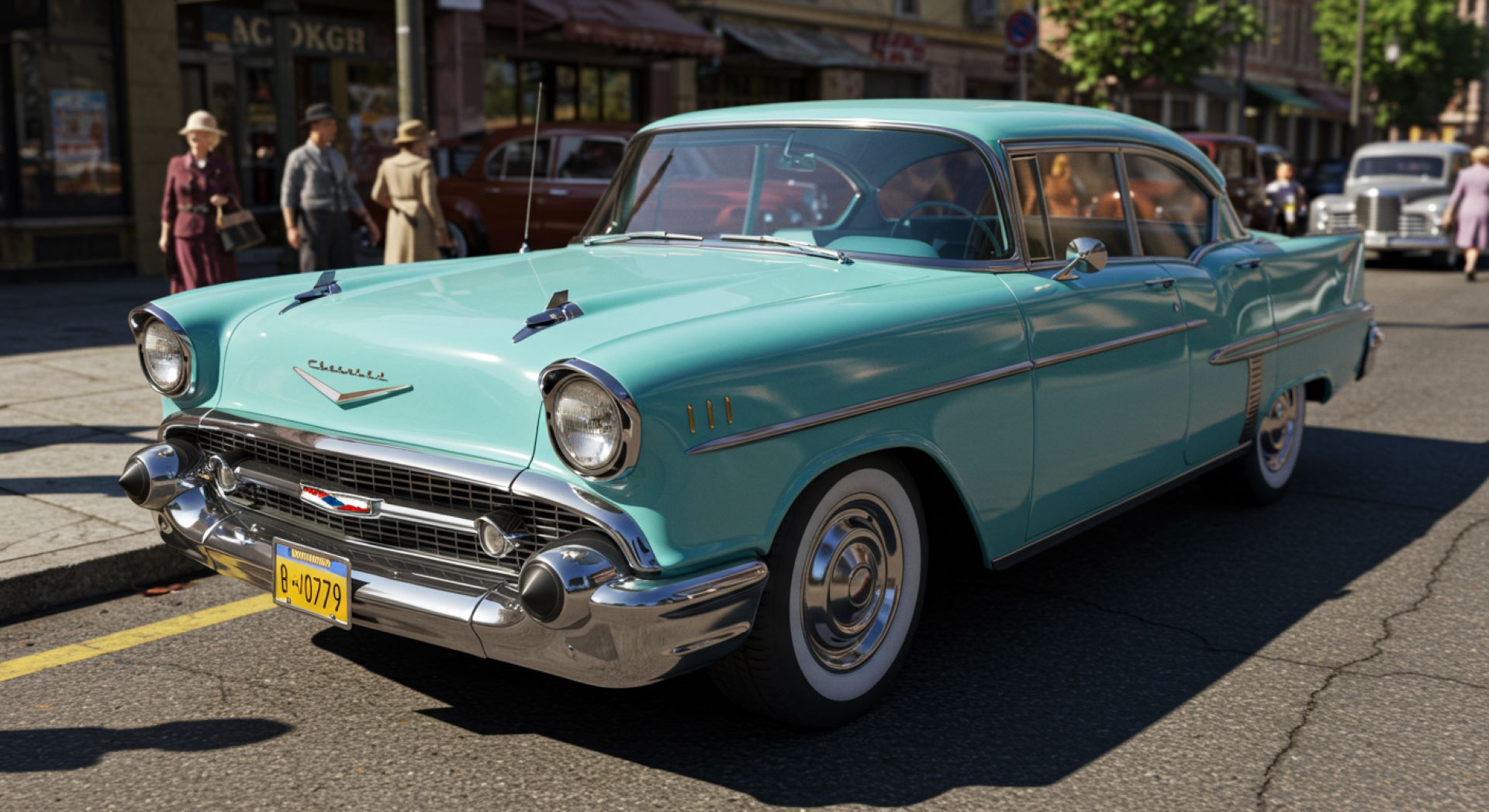
Techniques Used in Heritage-Focused Campaigns
Heritage-focused automotive campaigns employ a variety of sophisticated techniques to evoke the emotional depth of their storied pasts. One fundamental approach is storytelling. By crafting narratives that weave together historical milestones with the modern evolution of the brand, advertisers create a continuum that appeals to both nostalgic sentiments and contemporary aspirations. Stories that recount legendary races, groundbreaking technological innovations, and pivotal moments in automotive design resonate powerfully with enthusiasts.
Nostalgic imagery is another critical tool. Vintage photographs, archival footage, and retro design motifs are artfully incorporated into modern campaigns, bridging the gap between eras. These visual elements not only reinforce the brandÔÇÖs long history but also evoke a sense of familiarity and trust among consumers who grew up admiring these icons. Additionally, the use of historical milestonesÔÇösuch as the unveiling of a revolutionary model or a landmark achievement in racingÔÇöprovides concrete anchors that validate the brandÔÇÖs legacy.
In the digital age, the transition from traditional media to online platforms has introduced interactive and immersive experiences. Brands now utilize virtual tours of historical factories, augmented reality experiences that allow users to ÔÇ£test driveÔÇØ classic models, and dynamic timelines that highlight key moments in their evolution. This digital integration ensures that the authenticity of legacy messaging is maintained while engaging a tech-savvy audience. By combining time-honored traditions with innovative digital storytelling, automotive brands successfully preserve their heritage while appealing to modern sensibilities.
Comparing Modern vs. Traditional Approaches
Traditional advertising methods, such as print and television, have long been the stalwarts of heritage-focused campaigns. These approaches often relied on carefully curated images, well-rehearsed narratives, and emotive background scores to convey a sense of timelessness. In print, the tactile experience of glossy magazines and detailed layouts allowed consumers to immerse themselves in the brandÔÇÖs history. Television spots, with their cinematic quality and dramatic storytelling, brought the legends of automotive excellence to life in a manner that resonated with broad audiences.
Today, however, modern digital campaigns have transformed the landscape. With interactive content, social media engagement, and real-time analytics, brands now have the ability to craft personalized experiences that honor their heritage while adapting to contemporary tastes. Immersive technologies, such as virtual and augmented reality, enable automotive enthusiasts to experience historical moments in a highly interactive manner. This blend of tradition with innovation not only reinforces legacy but also creates an engaging dialogue with a generation accustomed to dynamic, digital content. The evolution of these approaches highlights a clear shift from passive reception to active participation, ensuring that heritage remains relevant in an ever-changing digital age.
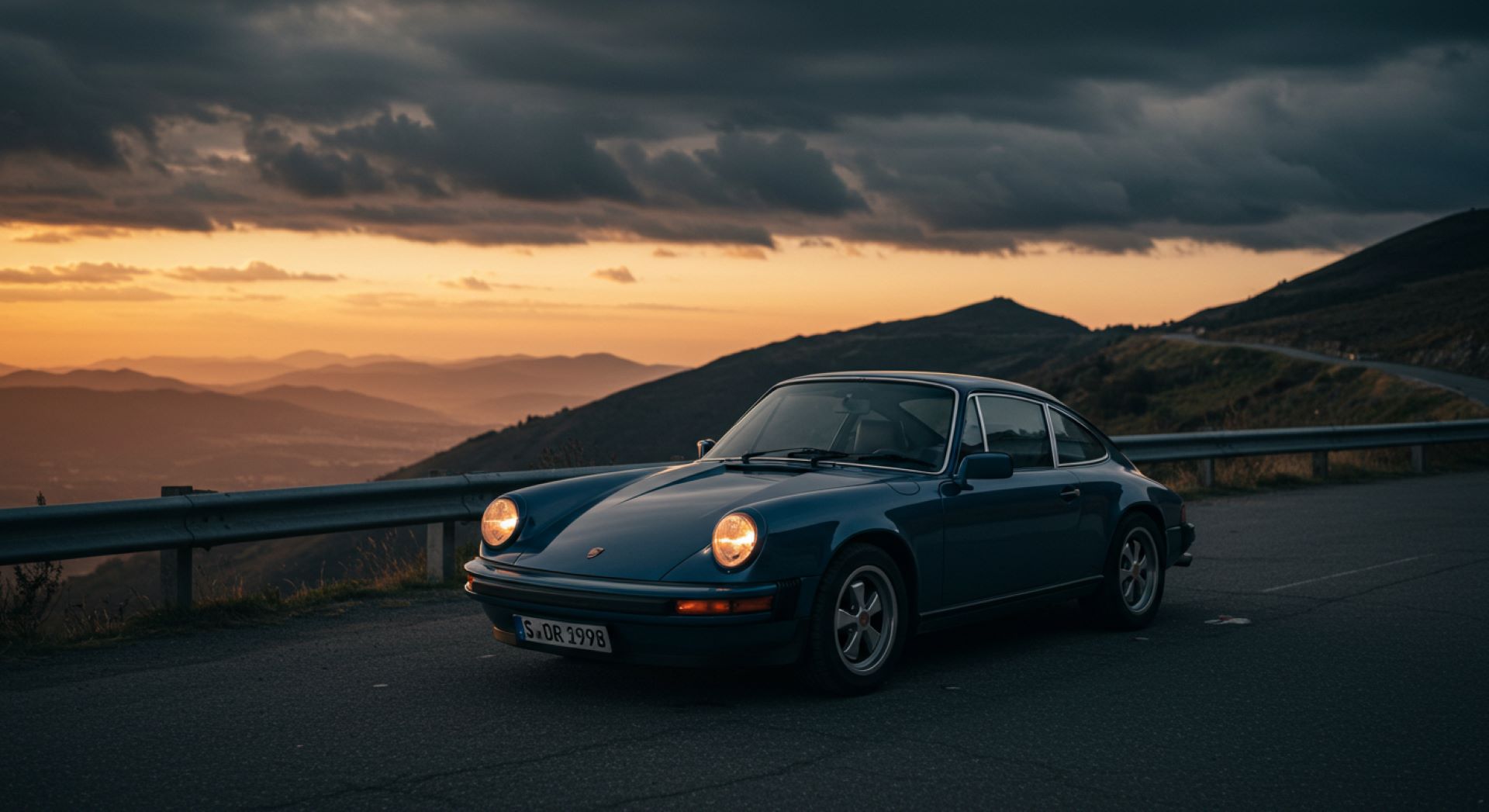
In summary, heritage and legacy play an indispensable role in automotive advertising, weaving together the past and present in a narrative that resonates deeply with enthusiasts. Campaigns that celebrate a brandÔÇÖs history not only bolster trust and loyalty but also create an emotional connection that drives consumer engagement. As the industry evolves, the integration of traditional storytelling with modern digital techniques ensures that these legacies continue to shine. The future of automotive advertising will undoubtedly rely on this dynamic blend of past inspiration and modern innovation.
Breyten Odendaal
Specializing in high-performance automotive advertising and digital marketing solutions, delivering cutting-edge insights and the latest news shaping the automotive industry in South Africa.
More From Advertising

Automotive Advertising in 2026: Selling Confidence in a More Competitive Market
As South Africa’s vehicle market becomes more competitive, automotive advertising needs to do more than announce a price or specification. It needs to help buyers understand value, ownership costs and why a vehicle suits their lives.

Automotive Digital Ads in South Africa: A Shift
Exploring how South Africa’s automotive advertising evolved from print and broadcast to data-driven, programmatic digital ecosystems.

The Video Shift in Car Buying Decisions in SA
Explore how video content shapes car purchase decisions in South Africa, comparing short-form and long-form strategies for automotive marketers.