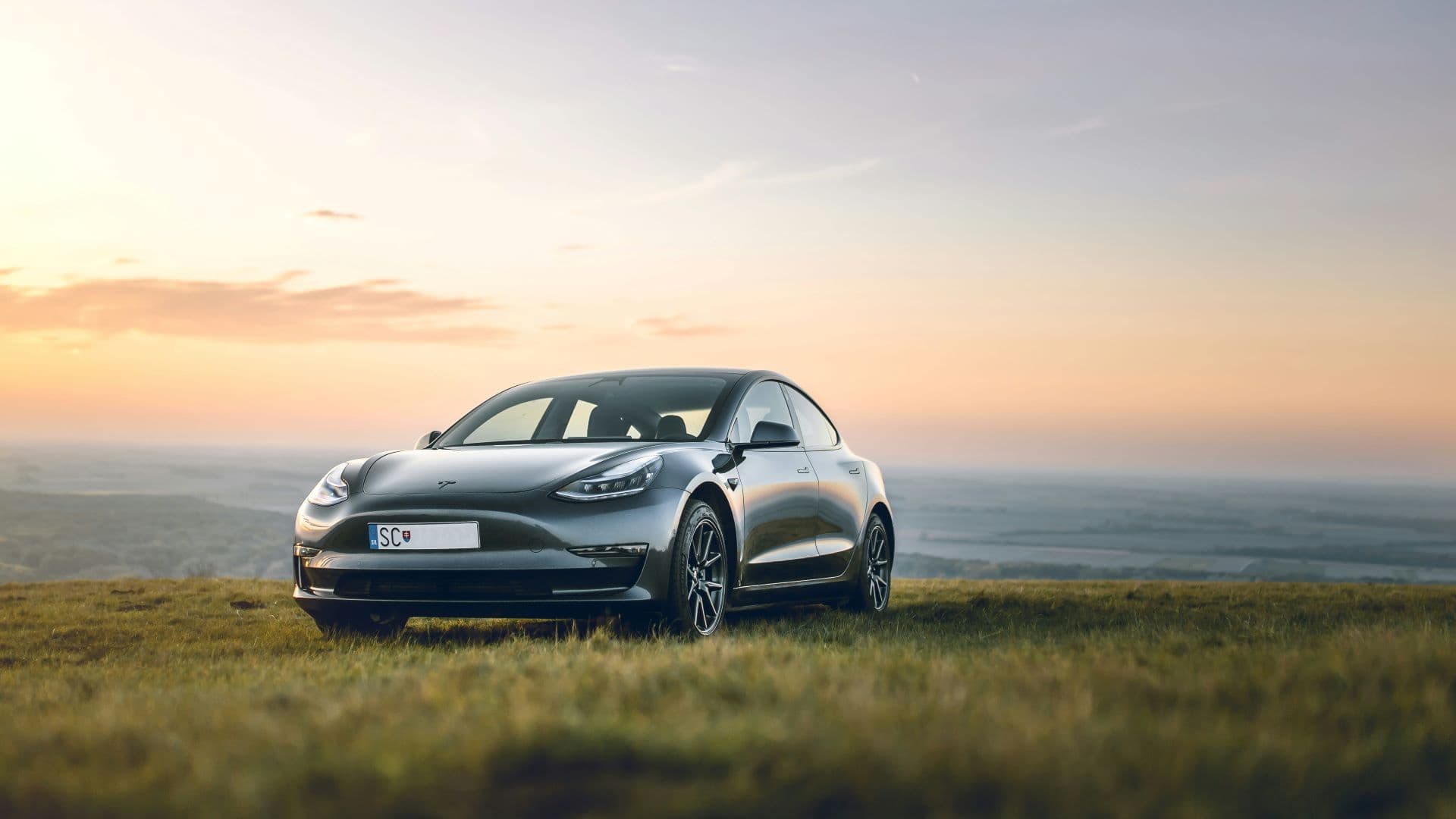
In the sleek, high-tech world of electric vehicles (EVs), a storm is brewing. Picture this: a consumer, eager to embrace the future of transportation, invests in a brand-new EV, lured by promises of exceptional range and unparalleled efficiency. Yet, as the miles accumulate, disillusionment sets inÔÇöthe vehicle's performance falls short of the advertised claims. This scenario is not a mere anecdote but a reflection of a growing concern in the automotive industry: misleading advertising in the EV market.
The rapid ascent of EVs has revolutionized transportation, offering a sustainable alternative to traditional combustion engines. However, with this evolution comes a surge of marketing strategies, some of which embellish the capabilities of these vehicles. Governments worldwide are taking note, intensifying efforts to regulate and penalize deceptive advertising practices that mislead consumers and distort market competition.
This article delves into the escalating global regulatory actions targeting misleading EV advertising. We will explore historical precedents, dissect current controversies, examine governmental initiatives, and analyze the implications for manufacturers and consumers alike. The integrity of the EV industry's future hinges on transparency and trustÔÇöelements that are currently under scrutiny.
Historical Context
Advertising in the automotive sector has long been a battlefield of claims and counterclaims. In the mid-20th century, as cars became symbols of freedom and status, advertisements often exaggerated performance metrics and fuel efficiency. This led to the establishment of regulatory bodies aimed at protecting consumers from deceptive practices.
The advent of EVs introduced new complexities. Unlike traditional vehicles, EVs operate on emerging technologies, making it challenging for consumers to verify claims independently. This technological opacity has, at times, been exploited, leading to a resurgence of misleading advertising reminiscent of earlier automotive eras.
A notable historical controversy involved the advertising of fuel economy in hybrid vehicles. Manufacturers touted impressive miles-per-gallon figures, which, under real-world driving conditions, proved unattainable for many drivers. This discrepancy sparked debates over testing methodologies and the veracity of advertising claims, setting the stage for today's scrutiny of EV marketing.
Current Landscape
Today, the EV market is booming, with global sales reaching unprecedented levels. However, this growth has been accompanied by a troubling increase in misleading advertising claims. Manufacturers, eager to capture market share, sometimes overstate vehicle capabilities, particularly concerning driving range, charging times, and autonomous features.
Recent examples highlight this trend. In 2023, a class-action lawsuit was filed against Tesla, alleging that the company grossly exaggerated the driving range of its vehicles, leading to consumer dissatisfaction and allegations of fraud. Similarly, BMW faced legal challenges over claims that it misrepresented the electric range of its i3 model, resulting in a costly legal battle and reputational damage.
Governments are responding to these issues with increased vigilance. Regulatory agencies have initiated investigations and imposed fines on manufacturers found guilty of deceptive advertising. The focus is not only on protecting consumers but also on ensuring fair competition within the burgeoning EV market.
Government Initiatives and Regulations
In response to the proliferation of misleading EV advertising, governments worldwide are implementing stringent measures to curb deceptive practices. These initiatives vary by region, reflecting different regulatory philosophies and market dynamics.
In the United States, the Federal Trade Commission (FTC) has taken a proactive stance. In late 2023, the FTC received a complaint against Toyota, alleging that the company misled consumers by marketing gasoline-powered hybrids as electric vehicles. The complaint called for an investigation into Toyota's advertising practices and highlighted the need for clear guidelines distinguishing between hybrid and fully electric vehicles.
Across the Atlantic, the European Union has adopted a more centralized approach. The EU's Unfair Commercial Practices Directive prohibits misleading advertising and mandates that all claims be substantiated. This framework has been applied to the EV market, with authorities scrutinizing claims related to vehicle range and environmental impact. Companies found in violation face substantial fines and are required to issue corrective advertisements.
In Asia, regulatory approaches vary. Japan has implemented strict advertising standards, requiring clear disclosures about vehicle capabilities and limitations. China, the world's largest EV market, has also tightened regulations, focusing on preventing exaggerated claims about battery life and charging efficiency.
Industry watchdogs and consumer protection agencies play a crucial role in these efforts. Organizations such as Public Citizen in the U.S. have filed complaints against automakers, urging regulatory bodies to take action against deceptive advertising. These groups advocate for greater transparency and hold manufacturers accountable for their marketing practices.
Technological Challenges and Innovations
The technological intricacies of EVs contribute to the challenges in advertising them accurately. Factors such as driving conditions, temperature, and battery health can significantly affect vehicle performance, making it difficult to provide universally applicable claims.
For instance, an EV's range can vary based on driving habits, terrain, and climate conditions. Manufacturers often advertise the maximum possible range, which may be achievable only under ideal conditions. This practice can lead to consumer dissatisfaction when real-world performance falls short.
To address these issues, there is a push for standardized metrics and independent testing. Organizations are advocating for uniform testing procedures that reflect real-world conditions, providing consumers with more reliable information. Additionally, some manufacturers are investing in technologies that offer real-time performance data, allowing drivers to adjust their expectations and driving habits accordingly.
Consumer Influence and Response
Consumers are becoming increasingly vigilant regarding the claims made by EV manufacturers. Instances of misleading advertising have led to a surge in consumer complaints, legal actions, and a demand for greater transparency.
Consumer advocacy groups play a pivotal role in this movement. They monitor advertising practices, educate the public about their rights, and pressure regulatory bodies to enforce standards. Their efforts have led to increased awareness and have prompted some manufacturers to adopt more honest marketing strategies.
The backlash against misleading advertising has also influenced purchasing decisions. Consumers are more likely to support companies that demonstrate transparency and integrity, while those caught engaging in deceptive practices may experience a decline in sales and brand loyalty.
Future Outlook
Looking ahead, it is anticipated that advertising regulations for EVs will become more stringent. Governments are likely to implement clearer guidelines and impose
Breyten Odendaal
Specializing in high-performance automotive advertising and digital marketing solutions, delivering cutting-edge insights and the latest news shaping the automotive industry in South Africa.
More From Advertising
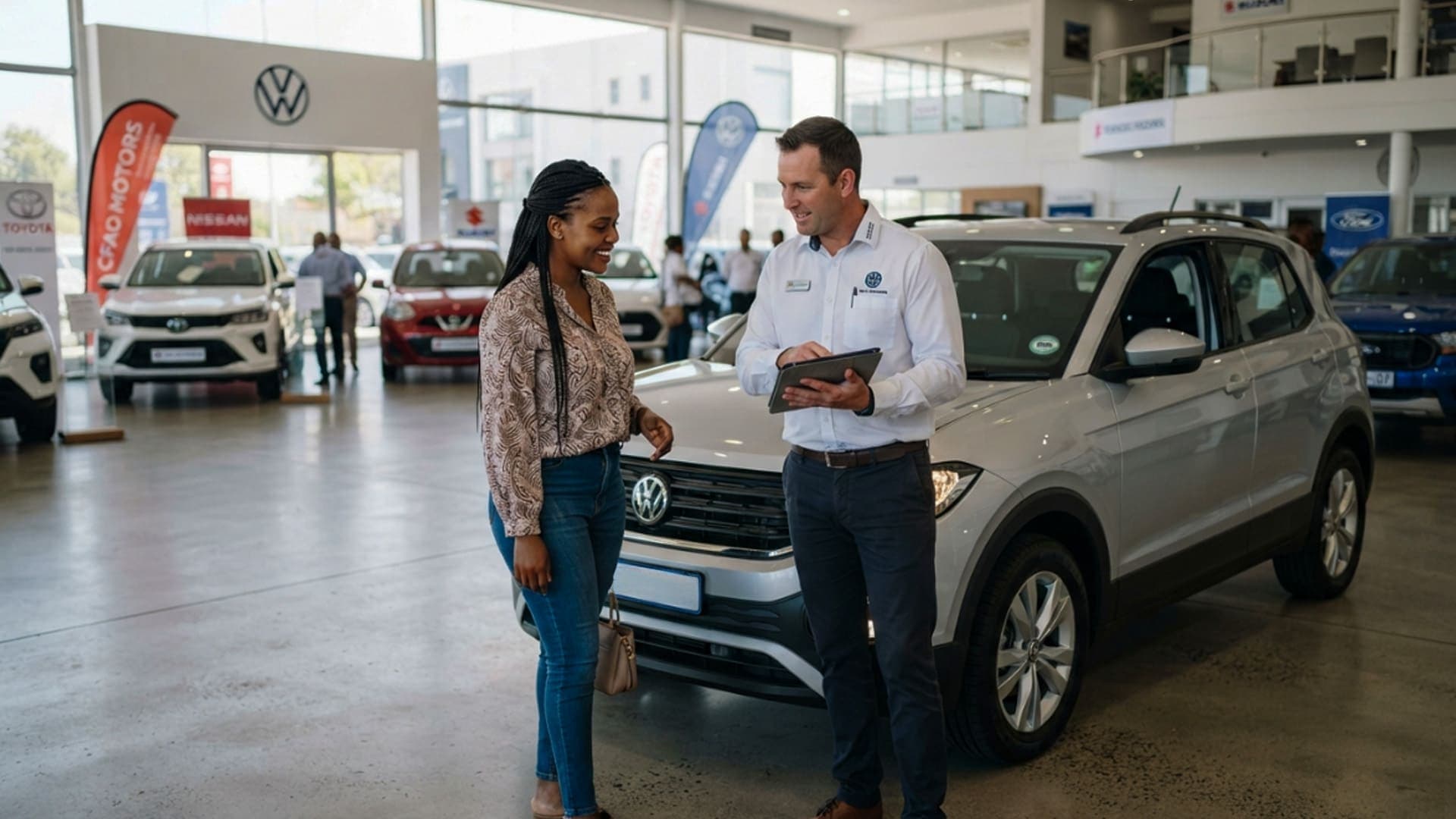
Automotive Advertising in 2026: Selling Confidence in a More Competitive Market
As South Africa’s vehicle market becomes more competitive, automotive advertising needs to do more than announce a price or specification. It needs to help buyers understand value, ownership costs and why a vehicle suits their lives.

Automotive Digital Ads in South Africa: A Shift
Exploring how South Africa’s automotive advertising evolved from print and broadcast to data-driven, programmatic digital ecosystems.

The Video Shift in Car Buying Decisions in SA
Explore how video content shapes car purchase decisions in South Africa, comparing short-form and long-form strategies for automotive marketers.