
The automotive industry is undergoing a radical transformation, driven not just by technological advancements but by the changing preferences of a new generation of consumers: Gen Z. Born between 1997 and 2012, this cohort is redefining the way brands market their vehicles. Unlike their predecessors, Gen Z doesnÔÇÖt respond to traditional advertising methodsÔÇöglossy magazine spreads, prime-time television commercials, and billboard endorsements hold little sway over their purchasing decisions. Instead, they seek authenticity, digital engagement, and values-driven messaging.
As automotive enthusiasts, understanding this shift is crucial. The culture of car ownership and appreciation is evolving alongside Gen Z's expectations, making it essential to examine how automakers are responding. From influencer partnerships to immersive digital experiences, brands must adapt or risk being left behind.
This article explores how Gen Z's buying habits are reshaping car advertising strategies, the role of technology in marketing, the challenges faced by automakers, and what the future holds for car brands looking to win over the next generation of drivers.
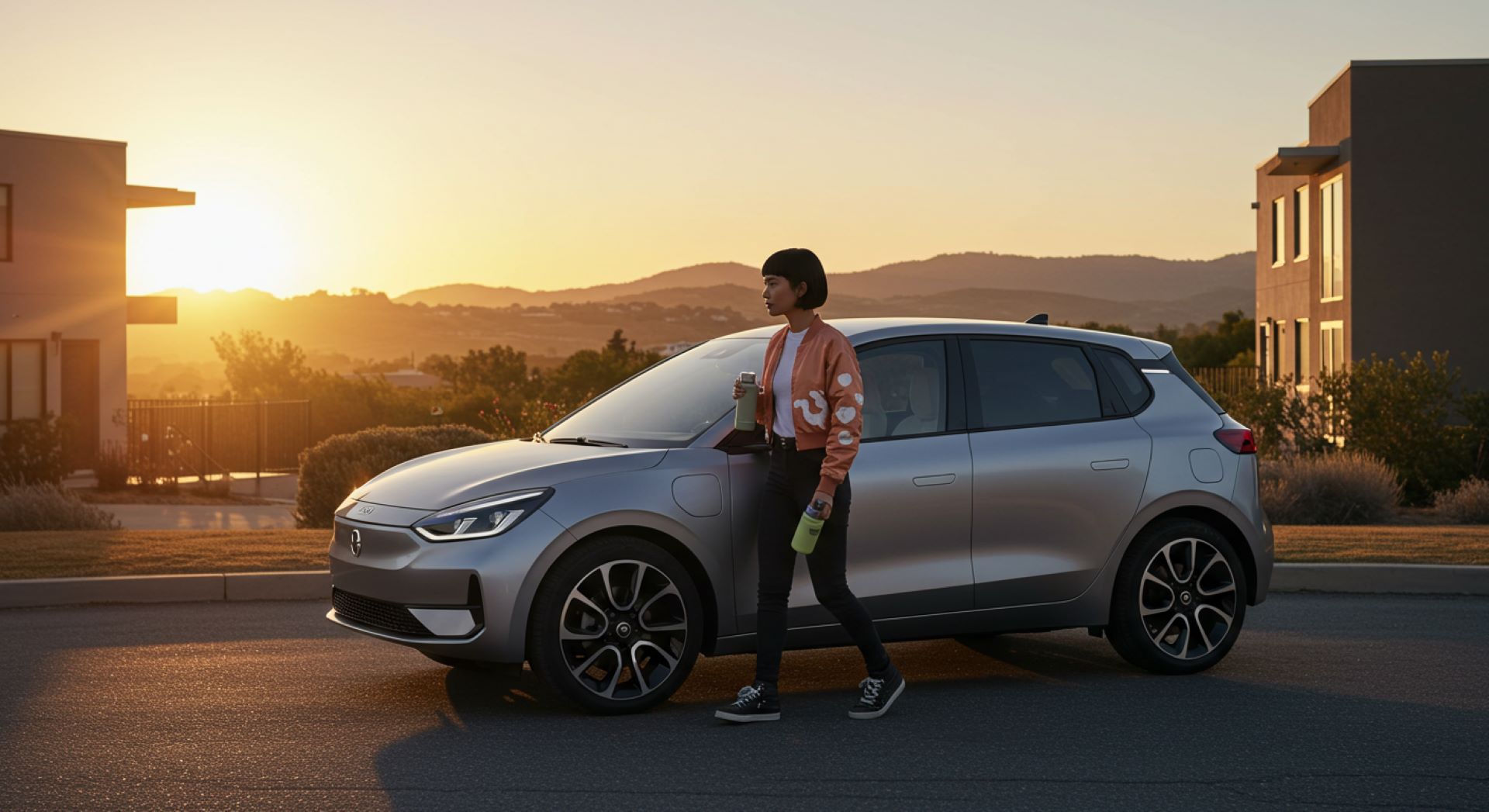
Understanding Gen Z
Who is Gen Z?
Gen Z is the first generation to have grown up entirely in the digital era. Social media, instant access to information, and on-demand services are integral to their daily lives. Unlike millennials, who witnessed the transition from analog to digital, Gen Z has never known a world without smartphones, streaming platforms, and AI-driven recommendations.
Key Characteristics Influencing Buying Habits
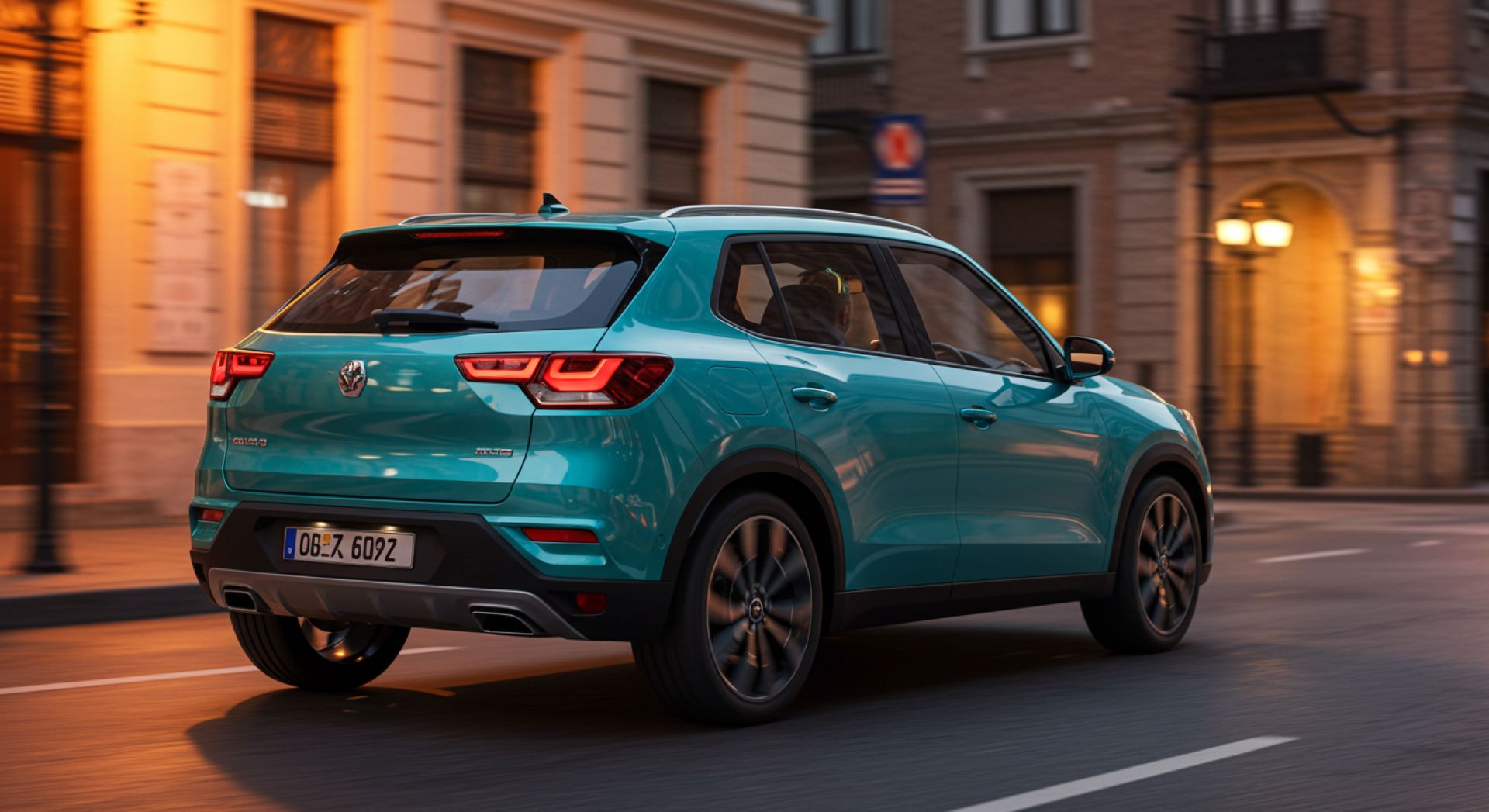
Shifts in Car Advertising Strategies
Evolution of Traditional Advertising
For decades, automotive advertising was dominated by television commercials, print ads, and radio jingles. These methods targeted broad demographics with one-size-fits-all messaging. However, Gen ZÔÇÖs fragmented media consumption has forced brands to rethink their strategies.
Digital-First Marketing Approaches
Technology and Innovation in Marketing
AI and Personalization
Artificial intelligence plays a significant role in Gen Z-focused advertising. From predictive analytics to personalized ad experiences, AI enables brands to fine-tune their messaging.
AR/VR and Interactive Experiences
Augmented and virtual reality are becoming staples in automotive advertising, offering Gen Z consumers a way to engage with products in a virtual space before making a purchase.
Gamification in Advertising
Car brands are integrating gaming elements into their marketing strategies. Example: BMWÔÇÖs in-game advertising within racing simulators to reach young, tech-savvy consumers.
Challenges and Considerations
Despite the potential of Gen Z-targeted marketing, brands face several hurdles:
Gen Z is reshaping car advertising in profound ways. From prioritizing authenticity to demanding interactive and immersive experiences, this generation expects more from brands than ever before. For automotive enthusiasts, these shifts signify a new era where passion for cars intersects with cutting-edge technology and values-driven branding.
As brands navigate this evolving landscape, staying attuned to Gen ZÔÇÖs expectations will be key to success. The future of car advertising is dynamic, digital, and deeply connected to the values of the next generation of drivers.
Breyten Odendaal
Specializing in high-performance automotive advertising and digital marketing solutions, delivering cutting-edge insights and the latest news shaping the automotive industry in South Africa.
More From Advertising

Automotive Advertising in 2026: Selling Confidence in a More Competitive Market
As South Africa’s vehicle market becomes more competitive, automotive advertising needs to do more than announce a price or specification. It needs to help buyers understand value, ownership costs and why a vehicle suits their lives.

Automotive Digital Ads in South Africa: A Shift
Exploring how South Africa’s automotive advertising evolved from print and broadcast to data-driven, programmatic digital ecosystems.

The Video Shift in Car Buying Decisions in SA
Explore how video content shapes car purchase decisions in South Africa, comparing short-form and long-form strategies for automotive marketers.