
In todayÔÇÖs competitive automotive landscape, the allure of a car isnÔÇÖt found solely under the hoodÔÇöit lies in the emotion, heritage, and lifestyle it promises. Over decades, the industry has witnessed a significant shift from a strict focus on horsepower and engineering prowess to the art of narrative-driven marketing. This article delves deep into how emotional storytelling has emerged as a powerful tool in car sales, engaging automotive enthusiasts by resonating with their dreams, memories, and aspirations. We explore the evolution of car marketing, dissect the psychological mechanisms behind narrative appeal, and analyze successful campaigns that have redefined the customerÔÇôbrand relationship.

From the moment a child lays eyes on a gleaming chrome grille or hears the rev of an engine for the first time, cars have always stirred something deep within us. They symbolize freedom, innovation, and personal expressionÔÇöemotions that technical specifications alone cannot capture. In a world saturated with information, where every manufacturer touts similar performance figures and design elements, it is the emotional narrative that cuts through the noise and forges a personal connection with potential buyers.
Historically, car marketing was all about precision engineering, efficiency, and the tangible benefits of advanced technology. But as consumers evolved, so did their expectations. TodayÔÇÖs automotive enthusiasts are not just looking for a machine; they seek a partner in adventure, a canvas for self-expression, and a storyteller that echoes their own life journeys. This shift has paved the way for emotional storytellingÔÇöa strategy that imbues vehicles with meaning far beyond their metal and mechanics.
In this article, we will explore the evolution of car marketing, from the early days of spec-driven promotions to the modern narrative-rich campaigns that blend heritage with hope. WeÔÇÖll dive into the psychological underpinnings of storytelling, unraveling why emotional narratives resonate on a deeper level than dry statistics ever could. By examining landmark campaigns from renowned brands, we will highlight how storiesÔÇöcrafted with authenticity, relatability, and aspirational themesÔÇöcan redefine brand loyalty and drive sales. We will then contrast the allure of emotional appeal with the traditional focus on technical details, drawing on research and real-world examples to underscore the undeniable impact of narrative marketing.
Moreover, in an age where digital platforms and social media reign supreme, we will uncover how these channels have become fertile ground for storytelling, allowing brands to interact with enthusiasts in a dynamic, two-way dialogue. Finally, we will look to the horizon, contemplating the future of automotive marketing and the emerging trends that promise to further blur the lines between technical innovation and emotional engagement.
This comprehensive exploration is intended not only for those who love cars but also for marketing professionals who wish to harness the power of narrative. By blending history, psychology, and case studies, our aim is to illustrate that while specs and features provide the foundation, it is emotional storytelling that builds the edifice of enduring brand relationships and, ultimately, drives car sales.
The Evolution of Car Marketing
The automotive industryÔÇÖs marketing journey has been as dynamic as the vehicles it promotes. In the early days of the automobile, advertisements were straightforwardÔÇöemphasizing durability, engine performance, and groundbreaking technological innovations. Manufacturers relied on data-driven arguments to showcase reliability and efficiency. Ads from the mid-20th century often featured engineers in lab coats, technical diagrams, and detailed lists of mechanical accomplishments, all designed to instill confidence in a burgeoning technology. Consumers, then, were more concerned with whether a car could get them from point A to point B safely and reliably.
As the market matured, however, a transformative shift occurred. The explosion of consumer culture in the 1960s and 1970s, alongside the rise of television, heralded a new era in advertisingÔÇöone where cars were not just products, but symbols of status, freedom, and rebellion. Iconic campaigns, such as those for the Ford Mustang or the Chevrolet Camaro, began to emphasize not only what the car could do but what it represented. The roar of an engine became synonymous with a youthful desire for freedom and independence. In these ads, the focus subtly shifted from mere technical prowess to the lifestyle and identity that owning a car could confer.
Moving into the 1980s and 1990s, globalization and technological advances further altered the landscape. Car manufacturers started to recognize that emotional connection was a potent differentiator in an increasingly crowded market. Companies like BMW and Mercedes-Benz rebranded themselves, presenting their vehicles as more than modes of transport; they were portrayed as extensions of the driverÔÇÖs personality. This era saw the advent of storytelling in automotive advertising: cinematic commercials that featured sweeping landscapes, evocative music, and narratives that invited viewers to imagine their own adventures behind the wheel.
Marketing experts began to understand that while technical specifications could be updated and improved, the emotional resonance of a story had a lasting impact on consumer memory. ÔÇ£We are not just selling a car; we are selling an experience,ÔÇØ noted one industry veteran during an international automotive conference. This sentiment underscored the industry's transition towards embracing emotion as a cornerstone of brand identity. Advertisements evolved from simply listing features to evoking a sense of belonging, pride, and aspiration. Stories of family road trips, first loves, and the pursuit of dreams became integral to a brandÔÇÖs narrative, weaving the car into the fabric of everyday life.
Contemporary car marketing is a hybrid of innovation and emotion. With the rise of digital media, car brands now have an array of platforms to tell their storiesÔÇöfrom high-budget television spots to interactive social media campaigns that invite user participation. This evolution reflects a broader cultural shift: consumers are no longer content with superficial claims or impersonal statistics. They crave authenticity and relatability. The evolution of car marketing is a testament to this changeÔÇödemonstrating that while the engineÔÇÖs power remains important, it is the heart behind the machine that truly captivates.
The historical transition has not been without its challenges. Brands had to balance the inherent technical complexity of their products with the need to communicate in simple, emotionally resonant ways. This balancing act required marketers to become adept storytellers, capable of translating engineering marvels into narratives that appealed to the human spirit. Today, the legacy of this evolution is evident in every well-crafted advertisement that invites consumers to not only admire a car but to dream about the possibilities it unlocks. The shift from spec sheets to story arcs signifies an industry that understands that in the end, people donÔÇÖt just buy carsÔÇöthey buy into a promise, a lifestyle, and an emotion.
Understanding Emotional Storytelling
Emotional storytelling in the automotive industry is the art of weaving narratives that resonate deeply with consumers, transforming a mere vehicle into a symbol of aspiration, freedom, and identity. This approach taps into the human need for connection, moving beyond the tangible benefits of speed, power, and precision to evoke feelings of nostalgia, adventure, and even personal transformation.
At its core, emotional storytelling is anchored in the psychological principles of empathy and identification. When a story speaks to our personal experiencesÔÇöbe it the thrill of a first road trip, the bittersweet memories of journeys past, or the anticipation of new adventuresÔÇöwe become emotionally invested. This investment goes beyond rational decision-making, as emotions play a critical role in shaping our perceptions and influencing our choices. Research in consumer psychology has repeatedly shown that emotional responses can drive buying behavior more effectively than dry, factual information. When a brand tells a story that aligns with our own hopes and dreams, it not only grabs our attention but also builds a lasting bond.
Authenticity is paramount in this narrative approach. Authentic storiesÔÇöthose that are rooted in genuine experiences, cultural heritage, or the brandÔÇÖs unique historyÔÇöare particularly potent. Consumers are adept at discerning between a well-crafted narrative and one that feels manufactured. Authenticity demands that the story be true to the brandÔÇÖs core values and consistent with its long-standing identity. For example, a luxury car brand with a heritage of craftsmanship and precision must ensure that its narrative reflects these qualities while also inviting the consumer to imagine a lifestyle enriched by the carÔÇÖs legacy.
Relatability is another cornerstone of effective emotional storytelling. A story that resonates is one that mirrors the viewerÔÇÖs own experiences or aspirations. Whether itÔÇÖs the depiction of a family embarking on a cross-country journey or an individual seeking the freedom to explore uncharted territories, relatable narratives make the brand more accessible. In this context, the car ceases to be just an inanimate object and becomes a trusted companion in lifeÔÇÖs journey. The narrative thus serves as a bridge between the technical world of automobiles and the emotional world of human experience.
Aspirational themes add an element of hope and possibility to the storytelling process. They invite consumers to envision a better, more fulfilling version of their livesÔÇöa future where the car is a catalyst for personal success and freedom. Aspirational narratives often incorporate elements of transformation, portraying the car as a means to break free from the mundane and embrace a more exciting, dynamic lifestyle. These stories tap into the universal desire for self-improvement and adventure, resonating particularly with audiences who view their vehicles as extensions of their personality and status.
The process of crafting these narratives involves a meticulous blend of creative vision and strategic insight. Marketers must distill the essence of the brandÔÇÖs identity into a compelling storyline that not only highlights the vehicleÔÇÖs physical attributes but also its symbolic value. This often involves selecting a central themeÔÇöbe it freedom, innovation, or legacyÔÇöand building a narrative arc that takes the consumer on an emotional journey. The narrative is then reinforced through visual imagery, music, and even the choice of spokesperson, all of which work in tandem to create a cohesive and immersive experience.
Digital technology has further enhanced the capacity for emotional storytelling. Today, brands leverage high-definition video, interactive web content, and social media platforms to share their stories in real time. These digital mediums allow for multi-layered storytelling where consumers can engage with the narrative at their own paceÔÇöwatching a cinematic commercial on YouTube, following behind-the-scenes glimpses on Instagram, or participating in live Q&A sessions on Facebook. This convergence of technology and storytelling not only broadens the reach of the narrative but also deepens the emotional connection with the audience.
In essence, emotional storytelling is not a departure from technical excellenceÔÇöit is a complement. While engineering innovations and performance metrics remain critical, they serve as the foundation upon which the emotional narrative is built. It is this fusion of heart and hardware that creates a brand identity capable of enduring in a competitive market. As consumers increasingly seek experiences over mere transactions, the brands that master the art of storytelling will find themselves at the forefront of automotive marketing, forging bonds that extend far beyond the showroom floor.
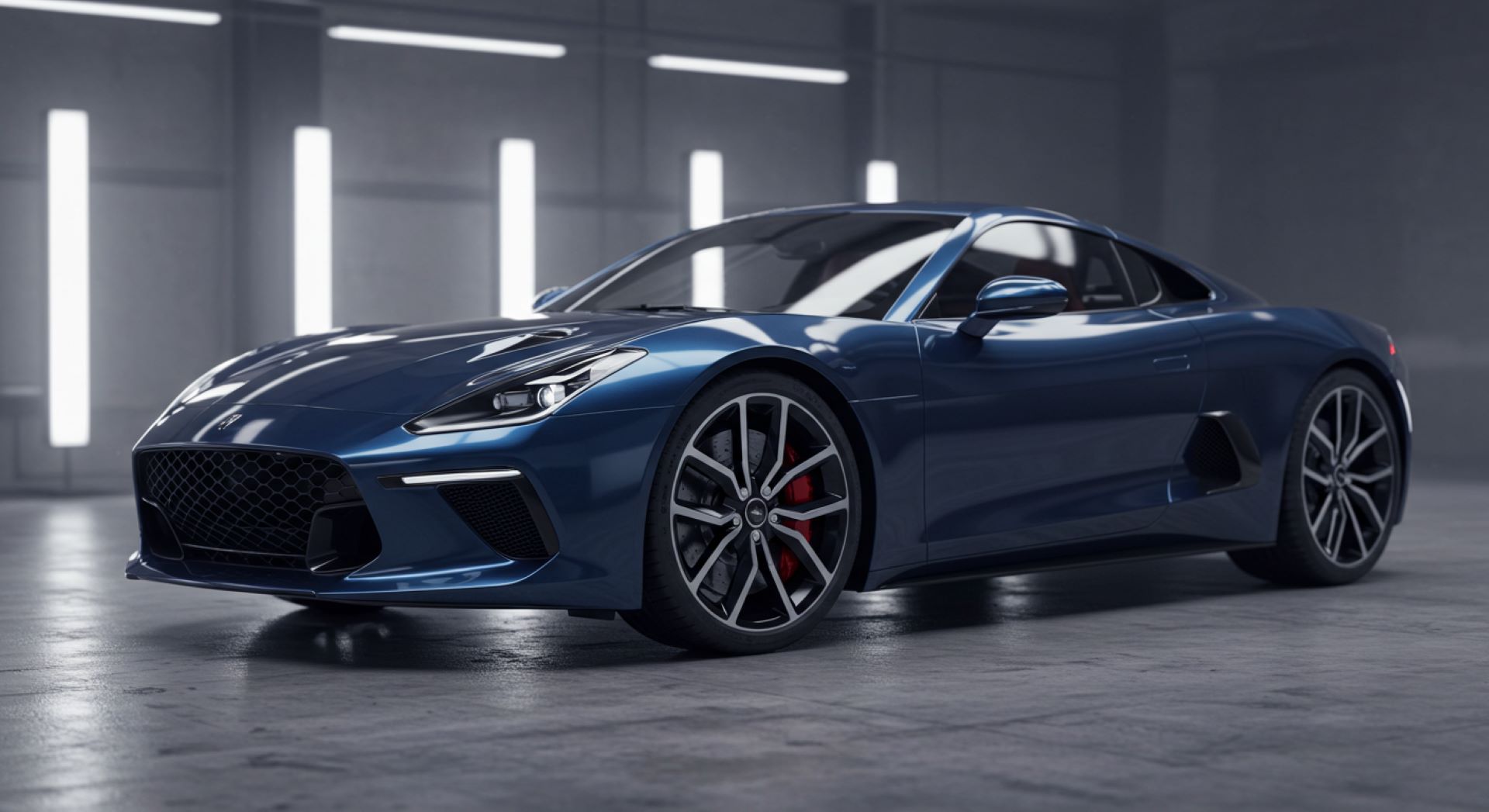
Comparing Specs and Features to Emotional Appeal
For decades, car marketing relied heavily on a detailed presentation of technical specificationsÔÇöhorsepower, torque, acceleration times, and cutting-edge engineering details were the currencies of persuasion. However, while these figures serve as essential benchmarks of performance, they often fail to capture the imagination of the consumer. Studies in consumer behavior suggest that while rational decision-making processes are initially engaged by technical details, the ultimate purchase decision is frequently swayed by emotional resonance.
When consumers are confronted with a spec sheet, they are given quantifiable data, yet numbers rarely evoke the same visceral excitement as a compelling story. Emotional storytelling transforms these cold figures into warm, relatable experiences. For instance, instead of merely listing a carÔÇÖs acceleration rate, a narrative might recount the exhilaration of accelerating on an open highwayÔÇöa moment that symbolizes freedom and possibility. Research indicates that ads tapping into emotions such as pride, nostalgia, and even vulnerability often generate a stronger brand affinity than those that focus solely on technical merits.
Moreover, a growing body of evidence points to the long-term benefits of emotional engagement. Brands that successfully integrate emotional storytelling into their marketing strategies tend to enjoy greater customer loyalty and advocacy. These consumers are more likely to share their positive experiences, thereby amplifying the brandÔÇÖs message organically across social platforms. In contrast, while specifications can inform, they rarely inspire. The shift from specs to stories is not about dismissing technology; itÔÇÖs about contextualizing technological prowess within the broader human experience.
Ultimately, while specifications may initially catch the eye of a potential buyer, it is the emotional narrative that lingers in the mind, cultivating a lasting connection and a deeper sense of brand commitment.
The Role of Social Media and Digital Platforms
In an era dominated by digital connectivity, social media and digital platforms have become indispensable channels for disseminating emotional narratives. Automotive brands now have unprecedented opportunities to engage with consumers in real time, offering immersive experiences that extend far beyond traditional advertising. Platforms such as YouTube, Instagram, and Facebook enable brands to share cinematic commercials, behind-the-scenes content, and user-generated stories that breathe life into their campaigns.
On YouTube, high-production-value videos allow brands to craft mini-films that capture the essence of a journeyÔÇöa road trip under starlit skies, the quiet moments of introspection during a drive, or the exhilaration of speed on a coastal highway. These videos are not only visually stunning but are also layered with narrative elements that evoke deep emotions. Instagram, with its focus on visual storytelling, provides a canvas for brands to share snapshots of life on the road. From candid images of scenic drives to short reels that capture fleeting moments of joy and adventure, Instagram helps create a personal, almost intimate connection between the brand and its followers.
Facebook and other social platforms serve as interactive forums where the conversation around these narratives can flourish. Through live events, Q&A sessions, and community groups, brands invite consumers to share their own stories, transforming the advertising process into a dynamic, two-way dialogue. This engagement not only humanizes the brand but also reinforces the emotional narrative by showcasing real-life testimonials and experiences.
Digital platforms also provide invaluable data on consumer behavior. Through analytics, brands can gauge which narratives resonate most, refining their storytelling strategies accordingly. This real-time feedback loop has allowed automotive marketers to experiment with various narrative formats, ensuring that each story is as authentic and impactful as possible. The convergence of technology and storytelling in the digital realm has not only broadened the reach of these narratives but has also deepened their impactÔÇöenabling brands to cultivate communities of loyal enthusiasts who view their vehicles as integral parts of their life stories.
The transformation is clear: where once the only medium for sharing car advertisements was print or television, todayÔÇÖs digital landscape offers an array of tools to create immersive, emotionally charged experiences. The immediacy of social media ensures that every narrative reaches a global audience, and the interactive nature of these platforms encourages consumers to become active participants in the story. This paradigm shift has redefined automotive marketing, proving that in the age of digital communication, emotional storytelling is not just an optionÔÇöit is a necessity.
The Future of Automotive Marketing
Looking ahead, the future of automotive marketing appears poised to further blur the boundaries between technology and emotion. As consumer expectations evolve and digital innovations continue to reshape the landscape, brands are expected to adopt even more personalized and immersive storytelling techniques. Advancements in augmented reality (AR) and virtual reality (VR) are already beginning to offer consumers the chance to experience a carÔÇÖs narrative in unprecedented waysÔÇöfrom virtual test drives that simulate a journey along scenic routes to immersive environments where users can interact with a brandÔÇÖs heritage.
Artificial intelligence and data analytics will likely play an increasingly pivotal role, enabling brands to tailor narratives to individual consumer profiles. Imagine a future where your next car commercial is not a one-size-fits-all production but a personalized story that reflects your own dreams and driving habits. This level of customization has the potential to further solidify the emotional bond between the consumer and the brand.
Sustainability will also become a core theme in automotive narratives. As environmental concerns continue to rise, brands will need to balance the allure of traditional performance with the growing demand for eco-friendly innovation. Future campaigns might center around the journey toward a more sustainable future, using emotional storytelling to highlight both technological breakthroughs and a brandÔÇÖs commitment to a greener planet.
In this rapidly evolving digital era, the interplay between specs and storytelling will continue to evolve, but one constant remains: consumers will always be drawn to stories that speak to their hearts. As technology advances and marketing channels diversify, emotional narratives will continue to be the key differentiator that transforms a car from a commodity into a cherished companion on the road of life.
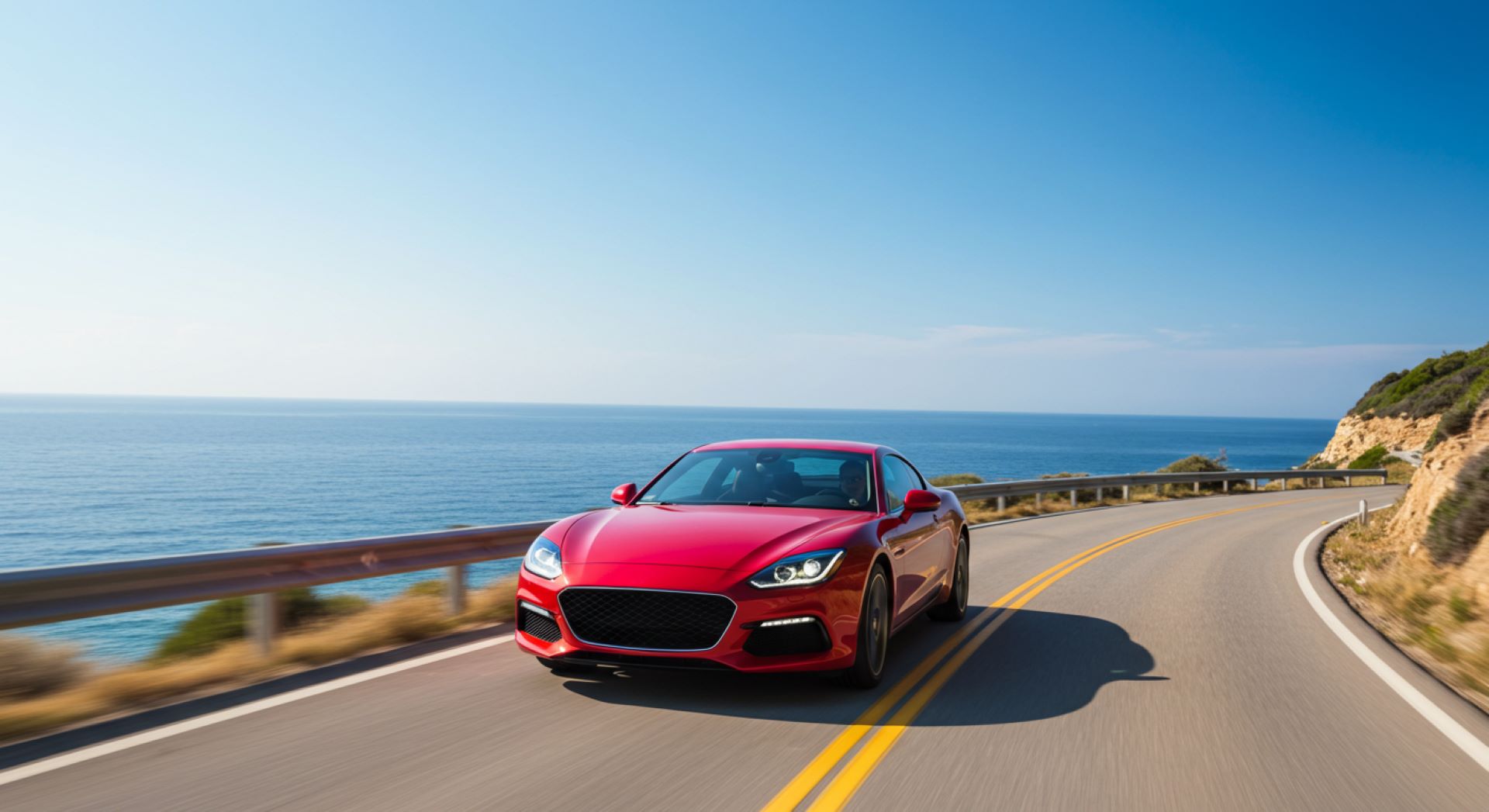
As we have explored, the evolution of automotive marketing has been marked by a decisive shift from an exclusive focus on technical specifications to an embrace of emotional storytelling. This transformation is driven by the need to connect with consumers on a deeper, more personal levelÔÇöone that resonates with their dreams, memories, and aspirations. In a market where every brand touts similar performance metrics, it is the stories behind the machines that capture our imagination and foster brand loyalty.
From AudiÔÇÖs reimagined narratives that celebrate technological advancement as a pathway to personal triumph, to BMWÔÇÖs road-trip sagas that turn driving into an art form, and VolvoÔÇÖs heritage-rich campaigns that evoke trust and community, these case studies illustrate the enduring power of emotion in shaping consumer behavior. While technical details remain crucial in validating a carÔÇÖs performance, they are the heartfelt storiesÔÇöcommunicated through cutting-edge digital platforms and social mediaÔÇöthat forge lasting bonds with audiences.
As the automotive industry hurtles toward an increasingly digital and sustainable future, marketers must continue to innovate in the realm of storytelling. The integration of AR, VR, and AI into narrative techniques promises to create even more personalized, immersive experiences for consumers. In this evolving landscape, emotional storytelling is not merely a trendÔÇöit is the future of automotive marketing. It transforms vehicles into symbols of aspiration and companions in lifeÔÇÖs journey, reminding us that beyond every finely tuned engine lies the promise of adventure, freedom, and human connection.
In conclusion, while specifications and features provide the necessary groundwork of trust and performance, it is the emotional narrative that builds the lasting relationships between brands and their consumers. For automotive enthusiasts, a car is more than a machineÔÇöit is an experience, a story, and ultimately, a part of who they are. The future belongs to those brands that not only innovate under the hood but also in the heart, using storytelling as the engine that drives both sales and a legacy of passion.
This article has provided an in-depth look at how emotional storytelling is reshaping car sales. By examining historical shifts, psychological principles, landmark campaigns, and future trends, it is clear that while specs and features are essential, it is the emotion behind every drive that truly sells a car. Embrace the story behind the steel and the spark behind the engine, for in that narrative lies the future of automotive marketing.
Breyten Odendaal
Specializing in high-performance automotive advertising and digital marketing solutions, delivering cutting-edge insights and the latest news shaping the automotive industry in South Africa.
More From Advertising

Automotive Advertising in 2026: Selling Confidence in a More Competitive Market
As South Africa’s vehicle market becomes more competitive, automotive advertising needs to do more than announce a price or specification. It needs to help buyers understand value, ownership costs and why a vehicle suits their lives.

Automotive Digital Ads in South Africa: A Shift
Exploring how South Africa’s automotive advertising evolved from print and broadcast to data-driven, programmatic digital ecosystems.

The Video Shift in Car Buying Decisions in SA
Explore how video content shapes car purchase decisions in South Africa, comparing short-form and long-form strategies for automotive marketers.