
There was once a time when car dealerships held an almost magical quality. The moment you walked through their doors, the scent of fresh leather interiors mixed with the metallic tang of brand-new vehicles, and the sound of engines purring to life as eager customers embarked on their test drives. The buying process was tactile, visceral, and deeply rooted in the very soul of car culture. For decades, enthusiasts and dreamers alike visited dealerships not just to purchase cars, but to experience a rite of passageÔÇöa connection between man and machine that was as real as the road ahead.
Fast forward to today, and the automotive world is in the midst of a digital revolution, driven by technology that is transforming how we buy cars. At the forefront of this revolution is augmented reality (AR)ÔÇöa tool that is redefining the car-buying journey. Imagine stepping into a dealership where you can virtually examine a carÔÇÖs every detail, see it in various colors and configurations, and even take it for a test drive, all without ever leaving the showroom floor. The nostalgia of yesteryear remains, but it is now paired with cutting-edge technology, creating an experience that blends the best of both worlds.
In this article, weÔÇÖll explore how augmented reality is helping dealerships enhance customer experiences, turning what was once a tactile interaction into a digital dream. From virtual showrooms to interactive features, AR is shaping the future of automotive retail, all while honoring the nostalgic traditions that have long defined car culture.

Historical Context
For many of us, car dealerships were not just places to buy vehiclesÔÇöthey were spaces that offered sensory experiences that could only be fully appreciated in person. There was something magical about stepping into a showroom, the shiny chrome of a new car catching the light as it reflected off the polished floors. The unmistakable scent of new leather, the hum of engines as they roared to life during a test drive, and the thrill of sliding into the driver's seatÔÇöall these sensations formed the backbone of car-buying memories.
In the early days, dealerships were intimate spaces where relationships with salespeople were built on trust, and the purchasing process was an exciting, often prolonged journey. The car-buying experience was a tactile one: customers would run their fingers along the seats, adjust the mirrors, and take a deep breath to inhale the scent of new car interiors. For enthusiasts, it was more than just a transactionÔÇöit was the celebration of a passion for engineering, design, and performance.
And yet, as technology has advanced, those hands-on experiences have become less of the focus. Over time, showroom spaces have expanded, and the role of salespeople has evolved, with digital and virtual elements slowly creeping in. However, the essence of those traditional experiences, with their deep emotional connections to both the car and the act of purchasing, still holds a powerful allure. It's a nostalgia that car enthusiasts continue to cherish and remember fondly, even as the industry moves into a new age of digital innovation.
Introducing Augmented Reality
Augmented reality (AR) is, in its simplest form, a technology that overlays digital information onto the real world. It takes the environment around you and superimposes virtual elementsÔÇöwhether itÔÇÖs a 3D model of a car or a virtual button that allows you to adjust the vehicleÔÇÖs featuresÔÇöinto your field of vision. Unlike virtual reality (VR), which immerses the user entirely in a computer-generated world, AR enhances the real world with digital overlays, making it an incredibly powerful tool for industries like automotive retail.
In recent years, AR has become a game-changer across many sectors, from education to gaming, and the automotive industry is no exception. For car dealerships, the possibilities are vast. With AR, customers can explore vehicles in an entirely new wayÔÇöby viewing detailed 3D models of the car, interacting with virtual customization tools, and experiencing features in a fully immersive environment. The technology offers a more personalized and intuitive way to engage with cars, allowing buyers to visualize their dream vehicle without ever setting foot in the driverÔÇÖs seat.
This wave of innovation follows a broader trend of digitalization that has swept through many industries. Companies in various fields have adopted AR to enhance customer experiences, and now, itÔÇÖs the automotive industryÔÇÖs turn to reap the rewards. Car enthusiasts, once accustomed to flipping through glossy brochures or waiting for test drive appointments, can now experience an entirely new level of interaction thatÔÇÖs as close to the real thing as possibleÔÇöwithout having to leave their homes or the showroom.
Current Dealership Practices with AR
Modern car dealerships are increasingly turning to augmented reality to enhance the customer experience, and the results are nothing short of revolutionary. Brands are leveraging AR to offer a variety of innovative tools and features that not only engage customers but also make the purchasing process more seamless.
For instance, some dealerships have begun integrating virtual showrooms where customers can use AR devices or apps to visualize different car models in real time. These virtual showrooms let buyers experience the car without the need to physically walk around each model, and the customization options are nearly limitless. Customers can choose a carÔÇÖs color, interior finish, and wheels, and see the changes appear instantly in 3D.
Other AR applications allow users to interact with the carÔÇÖs features in ways that were never possible before. Imagine a customer sitting in a car and using an AR headset to see a virtual display of the carÔÇÖs interior features. They could view detailed information about the vehicleÔÇÖs tech, including its infotainment system, safety features, and driving modes, all in a dynamic and interactive way.
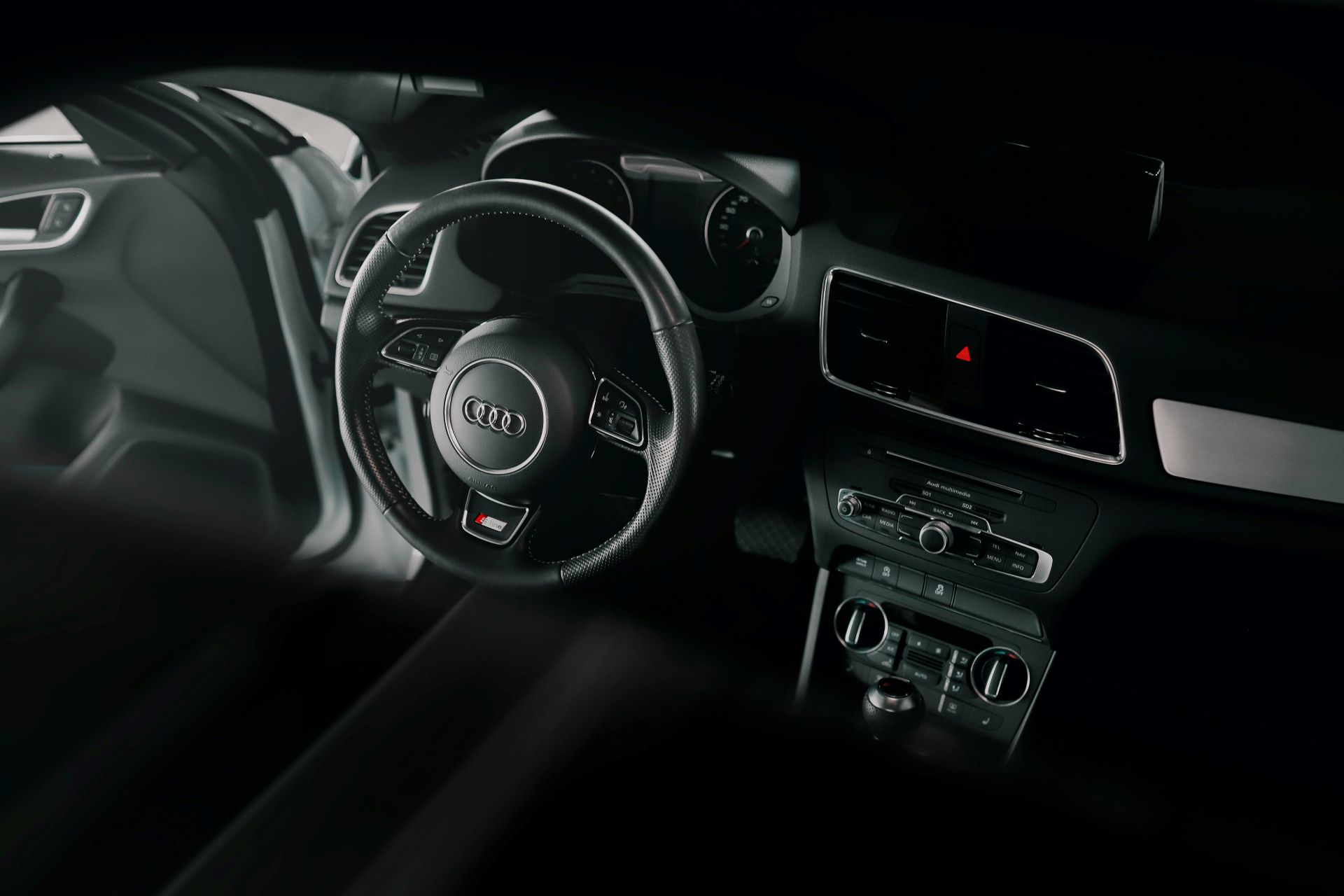
One example is AudiÔÇÖs Virtual Showroom, which allows customers to immerse themselves in a full-scale 3D model of their car. By pointing a device at a real-world space, customers can place a virtual car in the environment and see how it would look in their driveway, on the road, or parked in their garage.
Another leader in AR integration is BMW, which has partnered with several tech companies to offer its customers augmented reality-based car configuration tools. With their AR app, buyers can visualize 3D models of BMW cars, explore various configurations, and even experience the vehicleÔÇÖs performance features through interactive simulations. Customers can test-drive virtual vehicles in their own environments, without ever stepping foot on a test track.
These AR-driven experiences provide more than just convenienceÔÇöthey make the car-buying journey more immersive, personalized, and interactive, effectively bridging the gap between the showroom and the digital world.
Enhanced Customer Experience via AR
One of the most exciting aspects of augmented reality in the automotive industry is the way it transforms the customer experience. By providing a more immersive, hands-on approach to car shopping, AR is allowing buyers to engage with vehicles in ways that were previously unimaginable.
For example, AR can help customers visualize how a car will look in their driveway, see how different colors and features will change the carÔÇÖs overall appearance, or even simulate driving experiences to better understand a vehicleÔÇÖs performance capabilities. This ability to visualize a carÔÇÖs potential in real-world settings is a significant leap forward compared to the old days of static showrooms and flat brochures.
The emotional impact of AR canÔÇÖt be overstated. For many car buyers, purchasing a vehicle is an emotional decision, one that connects them to their sense of freedom, adventure, and individuality. AR enhances this emotional connection by offering an experience that is interactive, dynamic, and engaging. When customers see a car come to life before their eyesÔÇöwhether itÔÇÖs by visualizing different configurations, taking it on a virtual test drive, or examining its features through an interactive interfaceÔÇöthey develop a deeper emotional investment in the vehicle. ItÔÇÖs no longer just a car on a lot; itÔÇÖs their car, envisioned in ways they never thought possible.
Real-life anecdotes demonstrate the power of AR in the car-buying journey. Customers who have interacted with virtual car models through AR report feeling more confident in their decisions, as they have had the opportunity to see, touch, and virtually drive their dream vehicles before even stepping into the dealership.
Challenges and Limitations
While the potential for AR in dealerships is vast, there are certainly challenges to overcome. One of the main limitations is the cost. Developing AR technology, setting up virtual showrooms, and maintaining digital tools requires significant investment from dealerships and manufacturers alike. For smaller dealerships, these costs may be prohibitive, potentially limiting access to such innovations for all customers.
Another challenge is the learning curve. While younger, tech-savvy buyers may be quick to embrace AR, older customers or those less familiar with digital technology may feel overwhelmed by the shift. ItÔÇÖs crucial that dealerships find ways to simplify the experience and ensure that the technology remains accessible to everyone, regardless of their technological expertise.
Additionally, as much as AR can enhance the car-buying process, it cannot replace the human element. Car buyers still crave personal interaction, whether itÔÇÖs discussing vehicle features with knowledgeable staff or taking a test drive to feel the carÔÇÖs performance firsthand. Dealerships must strike a delicate balance between the digital and the personal, ensuring that AR enhances the experience without completely overshadowing the human connection that is so integral to the car-buying process.
Bridging the Past and the Future
While augmented reality is undeniably the future of car buying, itÔÇÖs important to acknowledge the rich traditions that have long been part of the automotive experience. The nostalgia of walking into a dealership, meeting with a friendly salesperson, and feeling the power of an engine roar to life is something that many automotive enthusiasts still hold dear. AR doesnÔÇÖt have to replace these traditionsÔÇöit can enhance them.
Dealerships can leverage AR to preserve the best parts of the old car-buying experience while offering the convenience and excitement of modern technology. Imagine a showroom where customers can enjoy the tactile experiences of the pastÔÇötouching leather seats, feeling the weight of the steering wheel, and taking a car for a test driveÔÇöwhile also using AR tools to visualize customization options and explore vehicle features in a new, interactive way.
The key is to create a seamless blend of the past and the future, where customers can engage with the car-buying experience on their own terms, whether that means stepping into the physical world or exploring the digital realm of AR.
As augmented reality becomes more integrated into the automotive retail experience, dealerships are embracing the future while maintaining a deep respect for the nostalgia of the past. AR is helping customers visualize their dream cars, make informed decisions, and immerse themselves in the car-buying process in ways that were once thought impossible.
By blending the emotional connection to the cars we love with the power of technology, AR is poised to redefine what it means to purchase a vehicle. For car enthusiasts, the experience of buying a car will be transformed, not only by the innovations of augmented reality but by the preservation of the rich history and nostalgia that has always made the journey so special.
Breyten Odendaal
Specializing in high-performance automotive advertising and digital marketing solutions, delivering cutting-edge insights and the latest news shaping the automotive industry in South Africa.
More From Advertising

Automotive Advertising in 2026: Selling Confidence in a More Competitive Market
As South Africa’s vehicle market becomes more competitive, automotive advertising needs to do more than announce a price or specification. It needs to help buyers understand value, ownership costs and why a vehicle suits their lives.

Automotive Digital Ads in South Africa: A Shift
Exploring how South Africa’s automotive advertising evolved from print and broadcast to data-driven, programmatic digital ecosystems.

The Video Shift in Car Buying Decisions in SA
Explore how video content shapes car purchase decisions in South Africa, comparing short-form and long-form strategies for automotive marketers.