
The Evolution of the Showroom Experience
There was a time when visiting a car dealership meant one thing: walking into a glass-and-chrome building, shaking hands with a salesperson, and perhaps being handed a set of keys for a quick test drive around the block. The focus was transactional, the atmosphere often clinical, and the primary goal was to move inventory rather than inspire emotion.
In the last decade, however, that image has shifted dramatically. Modern consumers, especially younger buyers, are seeking more than just a purchase ÔÇö they want an experience. Dealerships have recognised this shift and are responding by turning their spaces into immersive environments where lifestyle, culture, and brand storytelling take centre stage.
This transformation has been shaped by the convergence of several trends: the rise of experience-driven retail, the growing influence of social media, the premium placed on brand loyalty, and the need for automotive companies to differentiate themselves in a highly competitive market. What was once a one-dimensional space has evolved into a destination, blurring the lines between showroom, community hub, and lifestyle venue.
From Sales Floors to Social Spaces
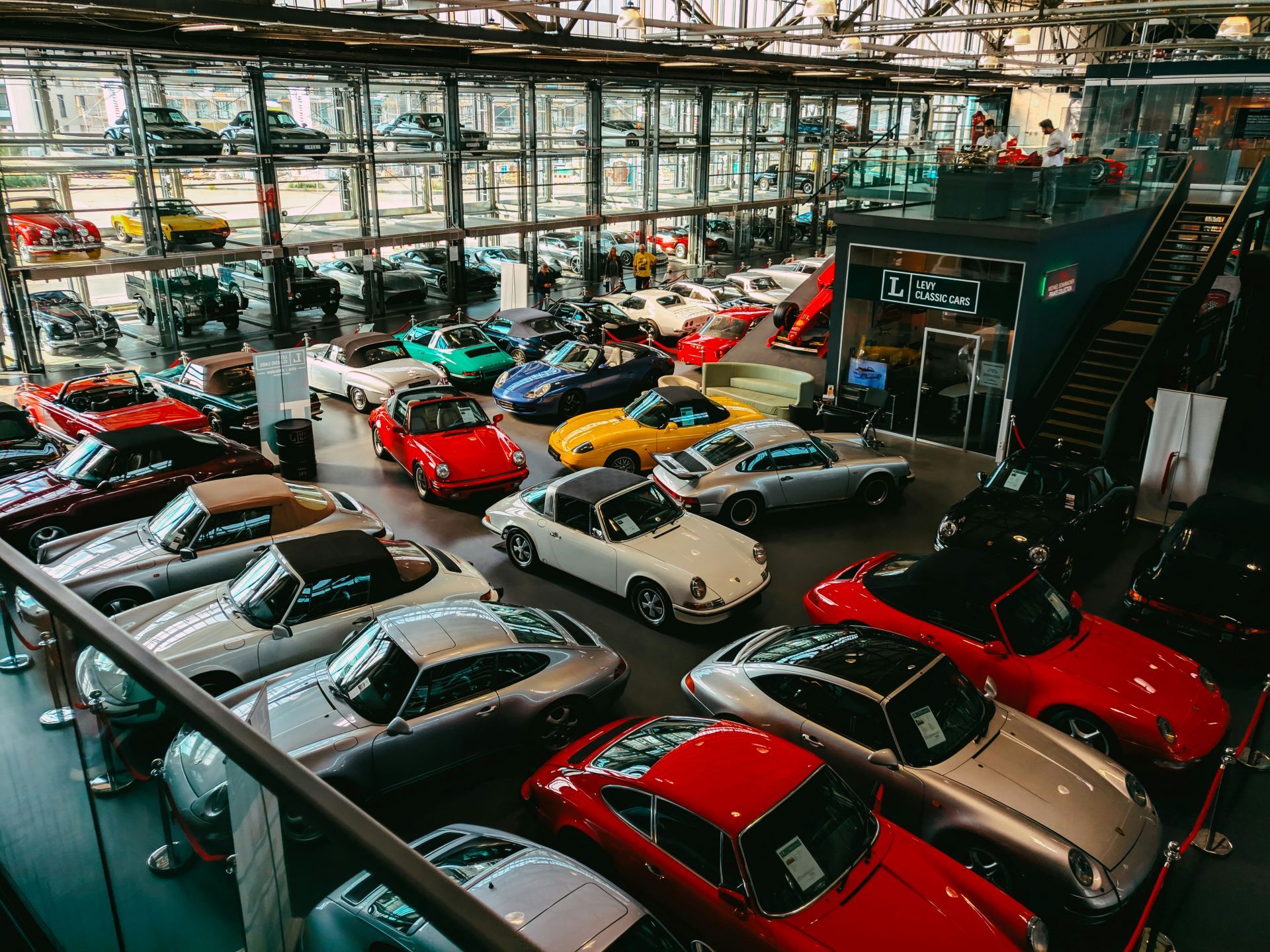
The traditional showroom layout ÔÇö rows of gleaming vehicles under bright lights ÔÇö still exists, but itÔÇÖs no longer the sole focus. Many dealerships now design their interiors with an emphasis on comfort and interaction. Instead of just desks and brochures, customers might find coffee bars, lounge areas, interactive displays, or even art installations.
This shift reflects a deeper understanding of the modern consumer psyche. Buyers want to feel a connection to the brand before they commit, and part of that connection comes from spending time in a space that feels inviting and inspiring. For premium brands, this might mean serving artisanal coffee while a jazz trio plays in the corner. For performance brands, it could mean hosting simulator races or exclusive previews of limited-edition models.
Some dealerships have gone further, integrating co-working spaces or partnering with local businesses to host collaborative pop-up events. ItÔÇÖs no longer uncommon to see a yoga class in a luxury SUV showroom or a wine-tasting event alongside a sports car launch. This isnÔÇÖt accidental ÔÇö itÔÇÖs a deliberate effort to place the dealership in the customerÔÇÖs lifestyle ecosystem, making it a place to visit even when no immediate purchase is planned.
The Role of Storytelling and Brand Identity
In this new landscape, the way a dealership tells its brand story is just as important as the cars it sells. Customers arenÔÇÖt just buying horsepower or leather interiors; theyÔÇÖre buying into a narrative. The dealership becomes a physical manifestation of that narrative, with every event, display, and interaction reinforcing the brandÔÇÖs personality.
An outdoor adventure brand might host off-road driving experiences in scenic locations, complete with campfire dinners and expert-led workshops. An urban mobility-focused brand could transform its dealership into a pop-art-inspired gallery, celebrating design and sustainability. By curating experiences that align with the brandÔÇÖs values, dealerships turn visitors into advocates.
The key is authenticity. An event that feels forced or purely promotional risks alienating the very audience it aims to attract. Successful dealerships ensure that the activities they host feel like a natural extension of the brandÔÇÖs ethos. This means thinking beyond the product and considering the broader lifestyle aspirations of their target market.
Technology as the Enabler of Immersion
No modern transformation would be complete without technology playing a starring role. Digital tools have elevated dealership events from simple gatherings to fully immersive experiences. Interactive screens allow visitors to customise vehicles in real time, augmented reality apps can place a new car in their driveway before theyÔÇÖve left the showroom, and VR test drives let customers explore faraway landscapes from the comfort of a lounge chair.
These tools donÔÇÖt just impress ÔÇö they engage. They give customers the freedom to explore the brand on their own terms, deepening their sense of ownership and connection. Furthermore, data captured through these interactive moments provides dealerships with valuable insights into customer preferences, enabling more personalised follow-ups.
Technology also bridges the gap between physical and virtual attendance. Live-streamed launches, virtual showroom tours, and online-exclusive previews ensure that the dealership experience isnÔÇÖt limited to those who can physically attend. This inclusivity widens the brandÔÇÖs reach while keeping its events relevant in a digital-first world.
Building Communities, Not Just Customer Lists
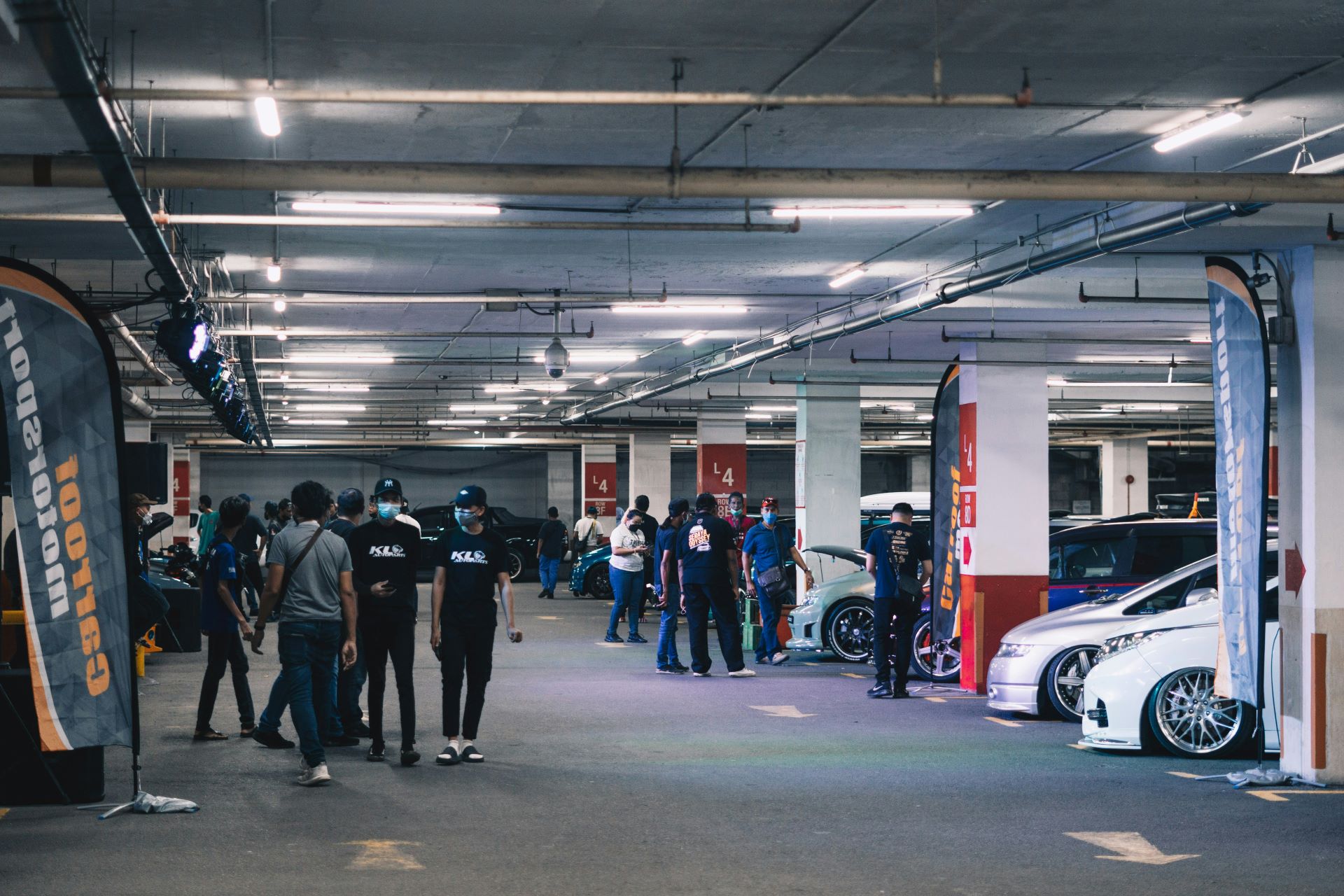
One of the most profound changes in dealership strategy has been the shift towards community building. In the past, marketing was often a one-way street ÔÇö dealerships broadcasted messages, and customers responded if they were interested. Now, the emphasis is on fostering two-way relationships.
Lifestyle-driven events play a crucial role in this. By hosting activities that go beyond the cars themselves ÔÇö charity runs, live music nights, art exhibitions, or networking evenings ÔÇö dealerships create shared experiences that form the foundation of a community. Customers start to associate the dealership not just with a purchase, but with memories and moments.
This community-centric approach also has a long-term business advantage. Loyal customers are far more likely to return for servicing, upgrades, and future purchases. They also become brand ambassadors, sharing their positive experiences on social media and influencing their own networks.
Partnerships That Broaden Appeal
The most successful lifestyle events rarely exist in isolation. Instead, dealerships are forming partnerships with complementary brands to expand their reach and enhance the experience. A high-performance sports car launch might feature a collaboration with a luxury watchmaker. A family SUV event could include activities organised by a premium outdoor gear company.
These partnerships benefit everyone involved. The dealership gains access to a new audience, the partner brand gains an immersive showcase, and customers enjoy a richer, more varied experience. Local businesses are often part of these collaborations too, which adds an authentic, community-driven touch that resonates with attendees.
Why the Future Is Experiential
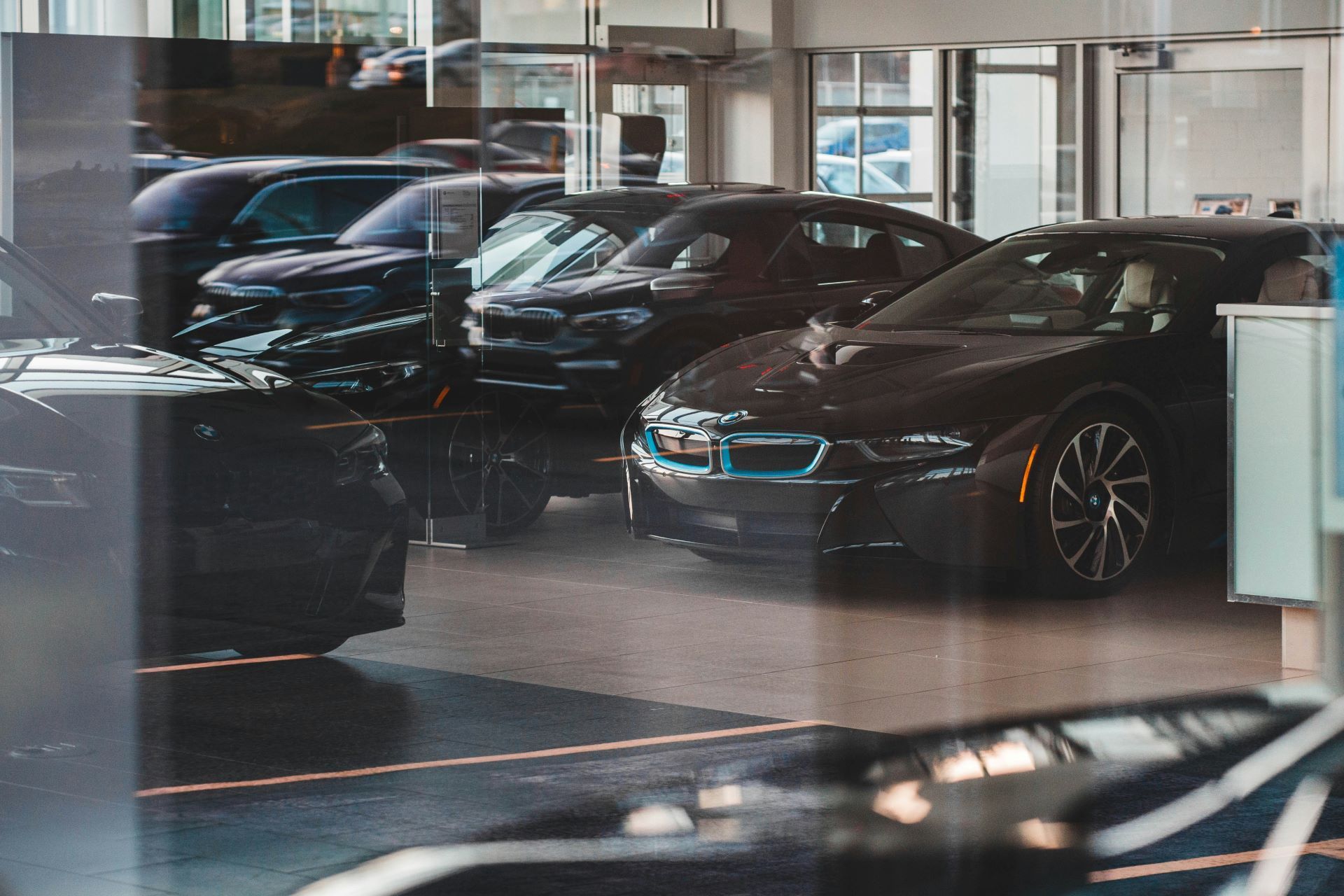
The shift from transactional to experiential isnÔÇÖt a passing trend ÔÇö itÔÇÖs the future of automotive retail. As more purchasing moves online, the physical dealership must justify its existence by offering something that canÔÇÖt be replicated on a screen. Lifestyle experiences deliver that.
They create emotional resonance, turning what could be a fleeting sales interaction into an ongoing relationship. They encourage brand loyalty in a competitive market and help dealerships stay relevant in an era where consumer expectations are constantly evolving.
The challenge for dealerships will be to keep innovating, ensuring that these events remain fresh, authentic, and aligned with customer values. The brands that succeed will be the ones that understand that they are no longer just selling cars ÔÇö they are curating lifestyles.
Breyten Odendaal
Specializing in high-performance automotive advertising and digital marketing solutions, delivering cutting-edge insights and the latest news shaping the automotive industry in South Africa.
More From Advertising
Automotive Advertising in 2026: Selling Confidence in a More Competitive Market
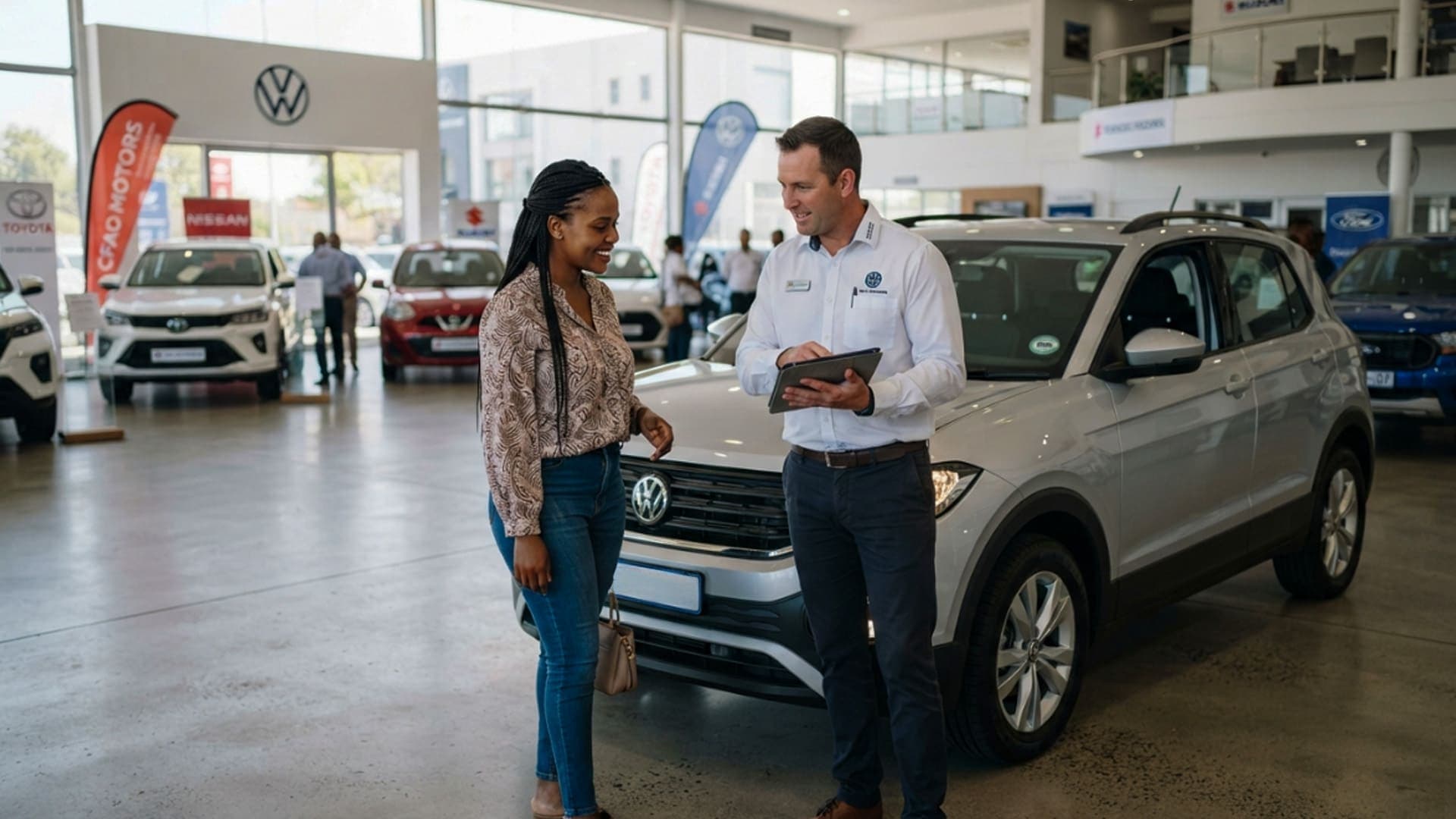
As South Africa’s vehicle market becomes more competitive, automotive advertising needs to do more than announce a price or specification. It needs to help buyers understand value, ownership costs and why a vehicle suits their lives.

Automotive Digital Ads in South Africa: A Shift
Exploring how South Africa’s automotive advertising evolved from print and broadcast to data-driven, programmatic digital ecosystems.

The Video Shift in Car Buying Decisions in SA
Explore how video content shapes car purchase decisions in South Africa, comparing short-form and long-form strategies for automotive marketers.