
Nostalgia is one of the most powerful emotional currencies in automotive marketing, but it is also one of the most dangerous. Used well, it creates instant emotional resonance, cultural depth and brand continuity. Used poorly, it freezes a brand in time, making it feel timid, derivative or creatively bankrupt. The difference between the two is not whether a brand looks to its past, but how it frames that past in the present.
Modern automotive marketing has learned a crucial lesson. People do not want yesterdayÔÇÖs car back. They want yesterdayÔÇÖs feeling, filtered through todayÔÇÖs technology, values and expectations. The industryÔÇÖs most successful nostalgia-driven campaigns understand this distinction intimately. They do not recreate history. They reinterpret it.
What follows is an exploration of how automotive brands are using nostalgia as a forward-facing tool rather than a rear-view mirror. This is not about retro styling alone. It is about emotional memory, brand myth-making, product design, storytelling and cultural relevance, all woven together to create cars that feel rooted rather than regressive.
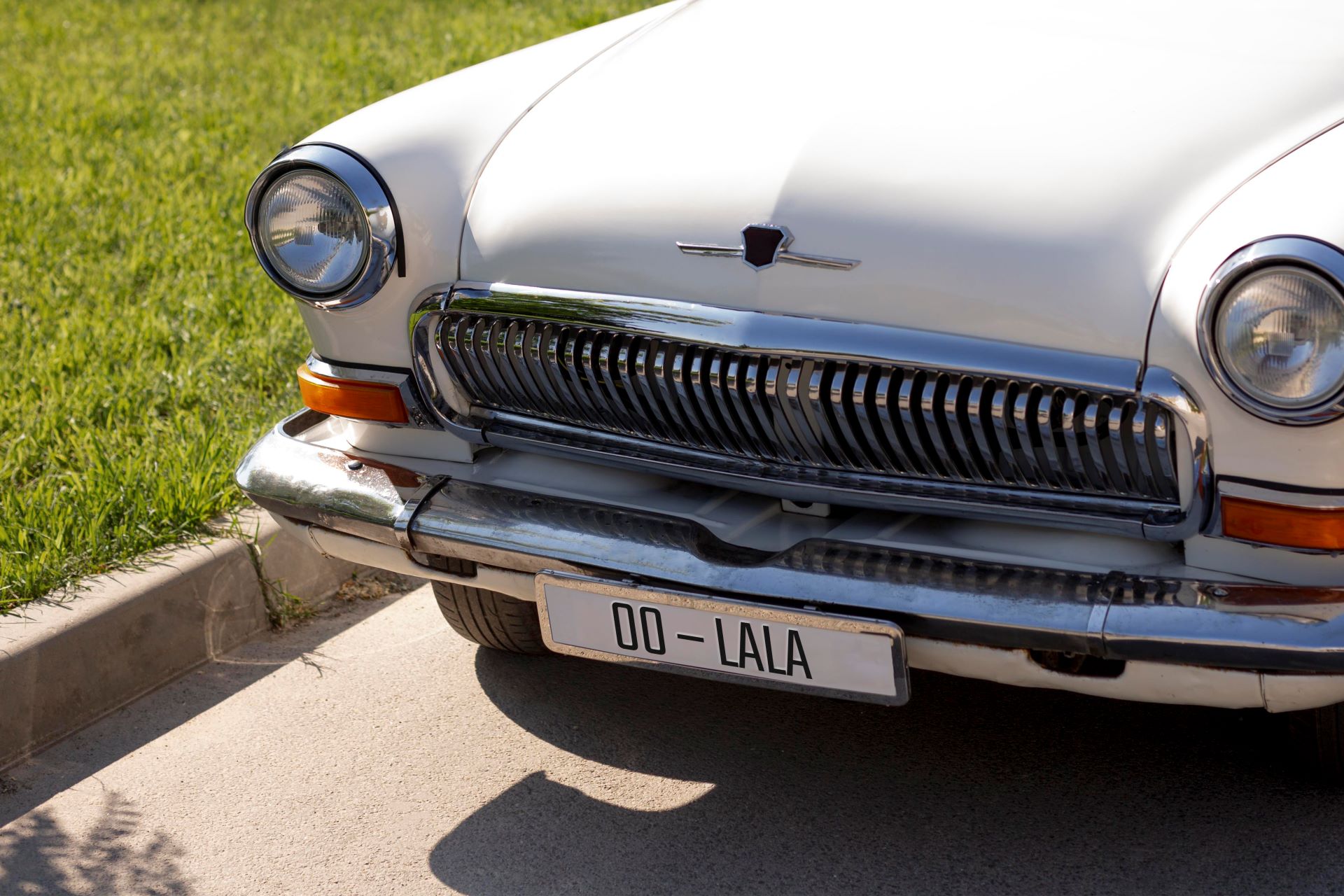
Nostalgia as Emotional Memory, Not Historical Accuracy
At its core, nostalgia marketing in the automotive world is less about accuracy and more about memory. Memory is selective, emotional and imperfect. People remember how a car made them feel far more vividly than how it actually drove, handled or performed. Brands that understand this lean into emotional recall rather than mechanical replication.
This is why modern nostalgia does not obsess over recreating exact silhouettes, dimensions or materials. Instead, it extracts symbolic elements. A headlight shape that triggers recognition. A body line that suggests motion. A nameplate that carries emotional weight. These cues act as emotional shorthand, activating memory without demanding historical fidelity.
The Volkswagen ID. Buzz is a prime example. It does not attempt to be a 1960s microbus in disguise. It does not replicate the driving experience, the proportions or the mechanical simplicity of its ancestor. Instead, it distils the microbusÔÇÖs cultural role. Freedom. Togetherness. Optimism. Then it expresses those ideas through electric propulsion, modern safety systems and contemporary interior design.
In marketing terms, this approach respects the past without being beholden to it. The brand does not say ÔÇ£we are returning to who we were.ÔÇØ It says ÔÇ£this is who we have always been, expressed differently.ÔÇØ
That subtle shift in messaging is everything.
Why Pure Retro Fails in Modern Automotive Markets
Pure retro rarely works in the automotive industry, and when it does, it is usually short-lived. Cars are not fashion accessories. They are regulated machines operating within strict safety, emissions and usability constraints. Attempting to recreate the past too literally often results in compromises that feel artificial or uncomfortable.
More importantly, pure retro tends to alienate younger audiences. While older buyers may feel an emotional pull toward designs they recognise, younger consumers have no lived memory of those vehicles. To them, overly retro designs can feel like museum pieces rather than meaningful products.
From a marketing perspective, this creates a dangerous narrowing of audience. The car becomes a nostalgia object for a shrinking demographic instead of a living brand expression that evolves with culture.
The automotive industry has seen several examples of this. Vehicles that leaned too heavily on retro aesthetics without offering meaningful innovation often enjoyed an initial surge of attention before fading quietly from relevance. The novelty wears off. The emotional hook becomes shallow once the car is experienced in daily life.
Modern nostalgia avoids this trap by embedding heritage cues within forward-looking narratives. The past is present, but it is never the main character.
The Shift From Retro Design to Heritage DNA
One of the most important evolutions in automotive nostalgia marketing is the move away from surface-level retro styling toward deeper heritage DNA. Instead of asking ÔÇ£how did our old cars look?ÔÇØ, brands now ask ÔÇ£what did our old cars stand for?ÔÇØ
This reframing opens far more creative possibilities.
A brand known historically for ruggedness may express nostalgia through durability messaging, adventurous storytelling and all-terrain capability rather than boxy retro styling. A brand associated with motorsport heritage may channel nostalgia through performance benchmarks, driving dynamics and competitive narratives rather than vintage liveries.
Porsche exemplifies this approach. While the 911ÔÇÖs silhouette remains recognisable, PorscheÔÇÖs nostalgia is not about recreating the past. It is about continuity. Each generation evolves technologically while maintaining an unbroken visual and philosophical thread. The marketing narrative reinforces this idea relentlessly. The car is always changing, but it is always a 911.
This is nostalgia as lineage rather than imitation.
From a copywriting and brand strategy perspective, this approach is far more sustainable. It allows the brand to honour its history without limiting its future. The past becomes a foundation, not a ceiling.
Emotional Callbacks as Cultural Anchors
Successful automotive nostalgia often works because it taps into broader cultural memory, not just brand history. Cars are deeply embedded in peopleÔÇÖs lives. They appear in films, music, advertising, family stories and personal milestones. Brands that understand this position their vehicles as cultural artefacts rather than isolated products.
When Ford revived the Bronco, it did not simply bring back an off-road nameplate. It reactivated an entire cultural image. Adventure. Rebellion. American landscapes. The marketing leaned heavily into this emotional space while pairing it with modern off-road technology, digital interfaces and lifestyle branding.
The Bronco does not pretend the world has not changed. Instead, it positions itself as a tool for navigating a changed world with the same adventurous spirit people associate with its past.
This is where emotional callbacks are most effective. They act as anchors in a fast-moving cultural environment. In an era of electrification, autonomy and digitalisation, nostalgia reassures consumers that some brand values remain constant.
From a marketing standpoint, this emotional stability builds trust. Trust, in turn, supports innovation.
Innovation as the Price of Nostalgia
One of the most important rules in modern automotive nostalgia is that emotional callbacks must be earned through innovation. Consumers are far more forgiving of nostalgic design or messaging when it is paired with genuinely advanced technology.
This is not accidental. Innovation justifies nostalgia by proving the brand is not hiding from the future. Instead, it is bringing its identity forward into new territory.
Electric vehicles have become a particularly fertile space for this strategy. EV platforms free designers from many traditional constraints, allowing heritage-inspired elements to be reimagined in fresh ways. At the same time, EV technology signals progress, sustainability and modernity.
The contrast is powerful. A familiar name or shape paired with silent propulsion and cutting-edge software creates cognitive tension in a good way. It feels both comforting and exciting.
From a communications perspective, this allows brands to speak to multiple emotional needs at once. Nostalgia addresses emotional security. Innovation addresses rational justification. Together, they form a persuasive narrative that neither could achieve alone.
The Role of Storytelling in Modern Nostalgia Marketing
Nostalgia without storytelling is decoration. Storytelling is what turns heritage cues into meaning.
Automotive brands that use nostalgia effectively invest heavily in narrative structure. They contextualise their callbacks within broader brand stories that explain why the past matters today. This often involves reframing historical moments as origin stories for current innovation.
A brand might revisit its first motorsport victory not to celebrate speed for its own sake, but to reinforce a long-standing commitment to engineering excellence. Another might reference early utilitarian models to justify a modern focus on versatility and modular design.
These stories are rarely told in isolation. They are woven across campaigns, product launches, social content and experiential marketing. The repetition builds familiarity without redundancy.
For copywriters and strategists, this approach requires discipline. Nostalgia must serve a narrative purpose. Every reference to the past should answer an implicit question. Why does this matter now?
When that question is left unanswered, nostalgia becomes hollow.
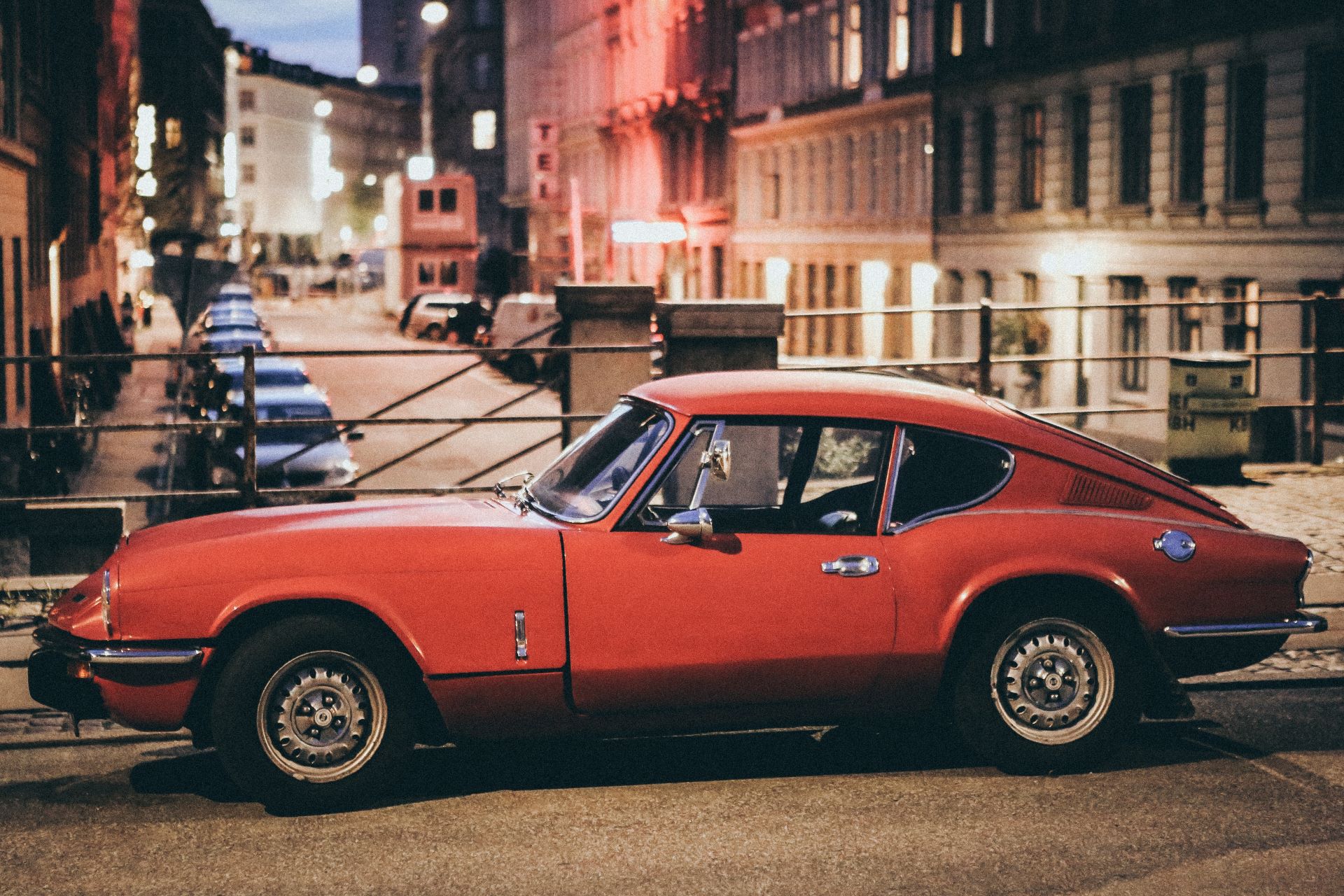
Avoiding the Trap of Sentimental Marketing
Sentimentality is nostalgiaÔÇÖs lesser cousin, and it is one of the biggest risks in automotive marketing. Sentimental campaigns often focus too heavily on emotional warmth without connecting it to product truth or brand evolution.
This can manifest as overly soft storytelling, excessive focus on ÔÇ£the good old days,ÔÇØ or campaigns that feel emotionally manipulative rather than authentic. While these approaches may generate short-term attention, they often undermine long-term brand credibility.
Modern audiences are highly attuned to authenticity. They can sense when nostalgia is being used as a shortcut rather than a strategy. This is especially true in the automotive sector, where purchase decisions involve significant financial and emotional investment.
Brands that avoid sentimentality do so by grounding their emotional callbacks in tangible progress. The past is acknowledged, but the emphasis remains on what the brand is doing now and where it is going next.
This balance is subtle but critical. Nostalgia should feel like confidence, not comfort-seeking.
Design Language as a Nostalgic Dial, Not a Switch
One of the most sophisticated uses of nostalgia in automotive marketing lies in design language. Instead of flipping a retro switch on or off, successful brands treat nostalgia as a dial that can be adjusted.
Small design elements can carry enormous emotional weight. A grille shape. A lighting signature. A colour palette. These cues allow designers to reference heritage without overwhelming the overall form.
This approach is particularly effective in global markets where different regions may respond differently to nostalgia. Subtlety allows brands to maintain broad appeal while still offering depth for those who recognise the references.
From a marketing standpoint, this layered design language creates opportunities for storytelling at multiple levels. Casual observers see a modern vehicle. Enthusiasts see lineage. Brand loyalists see continuity.
Each audience feels seen without the brand having to choose one at the expense of another.
Nostalgia and Brand Confidence
Perhaps the most overlooked aspect of nostalgia marketing is the role of brand confidence. Only brands that are secure in their identity can afford to reference their past without being defined by it.
When a brand uses nostalgia timidly, it often signals uncertainty. The messaging feels defensive, as if the brand is seeking validation from its history rather than building on it. Confident nostalgia, by contrast, feels effortless. The past is referenced casually, almost in passing, because the brand does not need to prove itself.
This confidence is communicated through tone, pacing and emphasis. The past is acknowledged, not celebrated excessively. The future is presented as a natural continuation, not a radical departure.
From a copywriting perspective, this means avoiding language that frames heritage as a lifeline. Phrases that suggest ÔÇ£returning to rootsÔÇØ or ÔÇ£going back to what made us greatÔÇØ can unintentionally imply decline. More effective language frames heritage as momentum rather than recovery.
The difference is subtle, but audiences feel it instinctively.
The Strategic Value of Nameplates
Few elements carry as much nostalgic weight as a nameplate. In the automotive world, names are emotional containers. They carry memories, expectations and cultural associations that can span generations.
Reviving a nameplate is therefore one of the most powerful, and risky, forms of nostalgia marketing. When done well, it provides instant recognition and emotional connection. When done poorly, it invites unfavourable comparisons and disappointment.
The key to successful nameplate revival lies in reinterpretation. The revived vehicle does not need to match its predecessor in form or function, but it must align with the underlying promise of the name.
If a nameplate historically represented accessibility, the modern version should reflect that spirit, even if the technology and design are radically different. If it represented performance, the modern iteration must deliver on that promise in contemporary terms.
Marketing plays a crucial role here. The narrative must clearly articulate how the nameÔÇÖs meaning has evolved rather than pretending it has remained static. This gives audiences permission to accept change without feeling betrayed.
Nostalgia in the Age of Electrification
Electrification has fundamentally changed the way automotive brands engage with nostalgia. The mechanical elements that once defined brand character, engine sound, vibration, mechanical feedback, are disappearing. In their place, brands must find new ways to express identity.
This has paradoxically made nostalgia more important, not less. As vehicles become quieter and more technologically similar, emotional differentiation becomes critical. Heritage offers a way to humanise advanced technology.
Marketing narratives increasingly position electrification as the next chapter in a long story of innovation. Brands highlight historical moments of engineering bravery or technological leadership to contextualise their EV strategies.
This framing reassures consumers that electrification is not an abandonment of brand identity, but its logical evolution.
From a messaging standpoint, this approach reduces resistance to change. The future feels less intimidating when it is presented as familiar.
Balancing Global Consistency and Local Memory
Automotive brands operate globally, but nostalgia is often local. A model that evokes strong emotional memories in one market may be irrelevant in another. Successful global marketing strategies acknowledge this tension.
Rather than building entire campaigns around specific historical references, many brands use adaptable frameworks. The core narrative focuses on universal themes such as freedom, progress or craftsmanship, while local markets layer in relevant historical touchpoints.
This modular approach allows nostalgia to feel authentic without fragmenting the global brand story. It also gives local marketers the flexibility to draw on culturally specific memories without contradicting the broader positioning.
For copywriters, this means writing narratives that are open rather than prescriptive. The past is referenced in ways that invite localisation rather than demand uniform interpretation.
Measuring the Effectiveness of Nostalgia Marketing
Despite its emotional nature, nostalgia marketing in the automotive sector is increasingly data-informed. Brands track not only awareness and engagement, but sentiment, brand association shifts and long-term loyalty indicators.
Effective nostalgia campaigns tend to strengthen multiple metrics simultaneously. They increase brand warmth without diluting perceptions of innovation. They boost recognition without reducing perceived relevance.
When nostalgia fails, the data often reveals a mismatch. Engagement may spike, but consideration drops. Awareness may increase, but sentiment becomes polarised. These signals indicate that the emotional callback is not aligned with product reality or future positioning.
Savvy marketers use these insights to refine their approach. Nostalgia becomes a strategic lever rather than a creative indulgence.
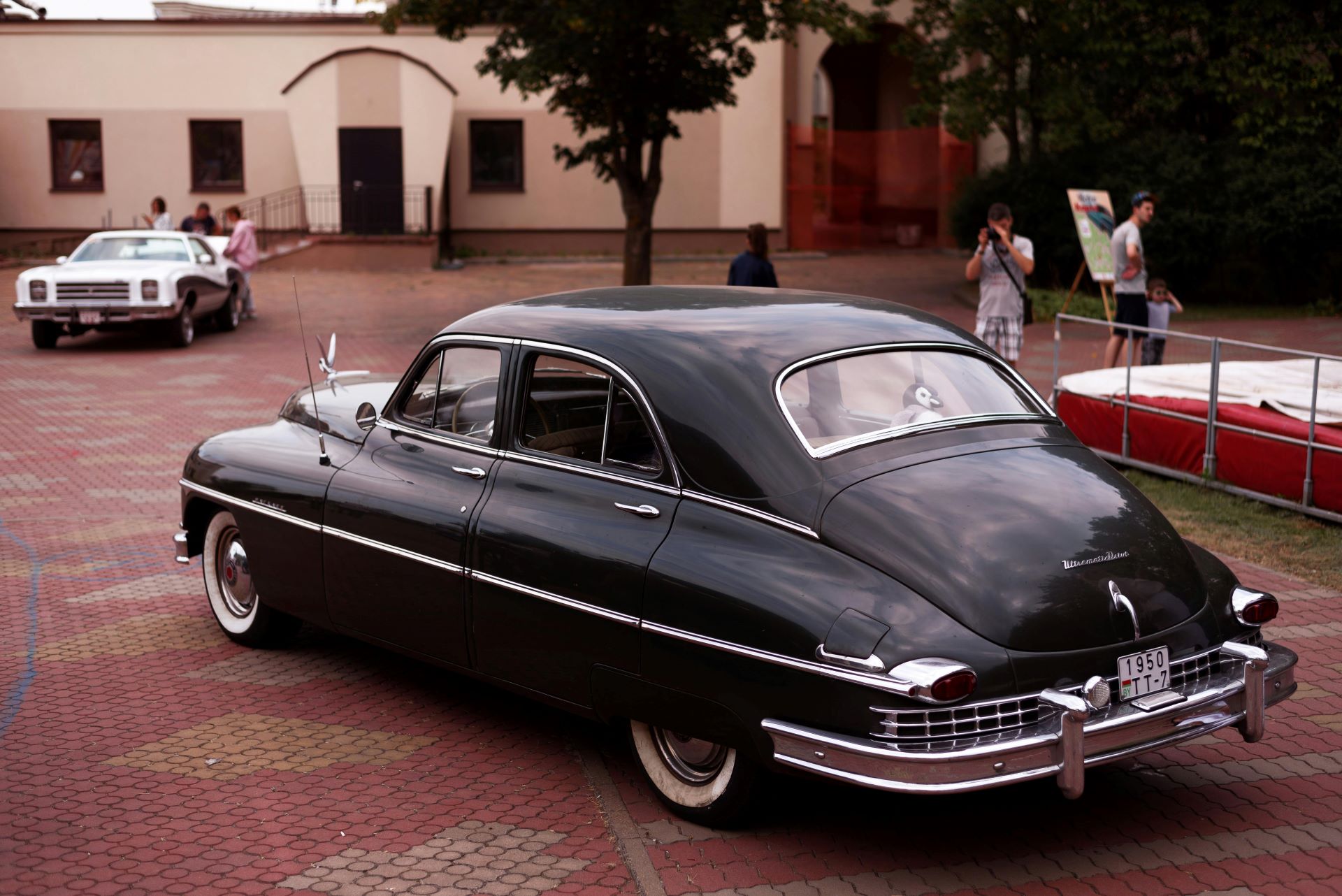
Nostalgia as Continuity, Not Comfort
The most successful automotive nostalgia marketing today shares a common philosophy. Nostalgia is not used to escape the future, but to move through it with confidence. The past provides continuity, not comfort.
This distinction matters. Comfort seeks safety. Continuity builds trust. Automotive brands that understand this difference create campaigns that feel emotionally rich without being emotionally needy.
They remind audiences where the brand comes from while clearly showing where it is going. The emotional callback is not the destination. It is the bridge.
In an industry defined by transformation, this approach has become one of the most effective ways to balance heritage and progress. Retro can feel modern when handled carefully, but only when innovation leads and nostalgia follows.
The future of automotive marketing will not belong to brands that recreate yesterday. It will belong to those that remember it well enough to move beyond it.
Breyten Odendaal
Specializing in high-performance automotive advertising and digital marketing solutions, delivering cutting-edge insights and the latest news shaping the automotive industry in South Africa.
More From Advertising

Automotive Advertising in 2026: Selling Confidence in a More Competitive Market
As South Africa’s vehicle market becomes more competitive, automotive advertising needs to do more than announce a price or specification. It needs to help buyers understand value, ownership costs and why a vehicle suits their lives.

Automotive Digital Ads in South Africa: A Shift
Exploring how South Africa’s automotive advertising evolved from print and broadcast to data-driven, programmatic digital ecosystems.

The Video Shift in Car Buying Decisions in SA
Explore how video content shapes car purchase decisions in South Africa, comparing short-form and long-form strategies for automotive marketers.