
Walk into a car dealership and, before a single badge or brochure catches your eye, you already know where the brand wants to sit in the social order. The ceiling height, the smell of the space, the way light lands on sheet metal, even how long it takes to find a salesperson all quietly speak. Architecture is doing the talking long before marketing copy or price tags enter the conversation. In automotive retail, buildings are not neutral containers for cars. They are active storytellers, shaping perception and signalling status with a clarity that words alone rarely achieve.
This is not accidental. As vehicles themselves converge in quality, technology and performance, the physical environment has become one of the most powerful ways for brands to differentiate themselves. Dealership architecture now carries a strategic burden once reserved for design studios and advertising agencies. It must express heritage, ambition and hierarchy in concrete, glass and steel. In many markets, it has become one of the most consistent and controlled brand touchpoints, especially as digital journeys grow and traditional advertising fragments.
Understanding how architecture signals status in the automotive world means reading buildings the same way one reads a carÔÇÖs silhouette or interior. Proportion, material choice, spatial flow and even silence are all part of the message. What follows is an exploration of how car brands use physical space as a form of marketing language, and why the dealership has evolved into one of the most important brand statements a manufacturer can make.
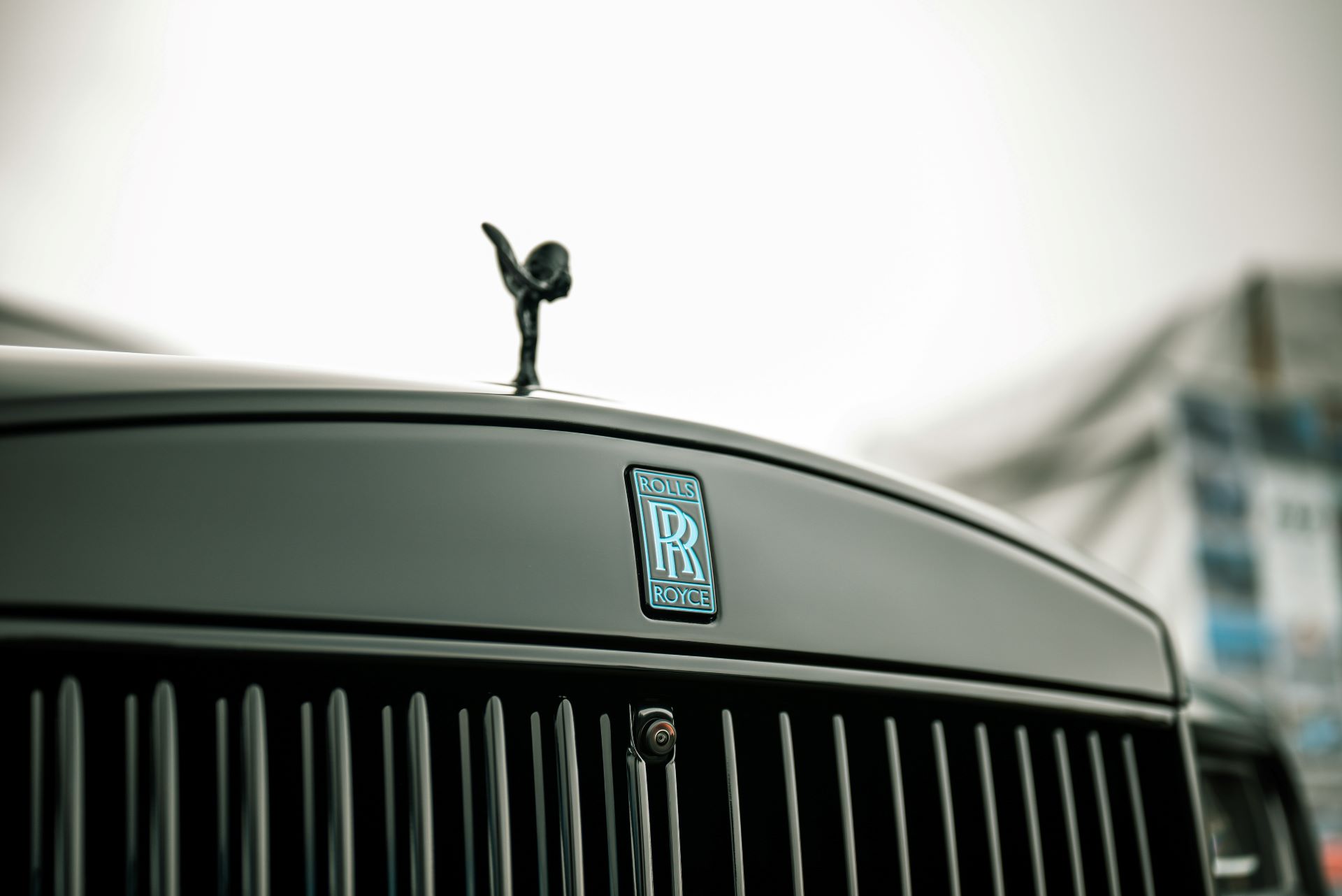
Architecture as the First Impression Engine
Status in the automotive world is about more than price. It is about perceived authority, confidence and restraint. Architecture excels at communicating these ideas instantly. A dealershipÔÇÖs exterior often sets expectations before a visitor even parks. Low-slung buildings with expansive glass fa├ºades suggest openness and modernity, while monumental forms with controlled access points hint at exclusivity and power.
Luxury brands understand this intuitively. They favour buildings that feel composed rather than busy, where space is allowed to breathe and visual noise is deliberately reduced. The message is subtle but firm: this brand does not need to shout. By contrast, mass-market brands often lean into accessibility, with bold signage, wide entrances and visible activity that signals volume and value. Neither approach is inherently superior, but each carefully calibrates status through spatial cues.
Even the act of arrival is choreographed. Driveways are angled to frame vehicles at their best, forecourts are designed to slow the pace, and parking areas are positioned to guide sightlines towards hero models. Architecture here functions like a cinematic establishing shot, orienting the visitor emotionally before the story unfolds.
The Dealership as a Three-Dimensional Brand Book
In the past, brand guidelines lived on paper. Today, they increasingly live in built form. Many global automotive brands operate strict architectural programmes that dictate everything from façade materials to furniture finishes. These standards ensure that a dealership in Johannesburg, Tokyo or Munich feels unmistakably part of the same brand family.
This consistency reinforces status by suggesting scale and control. A brand that can impose architectural discipline across continents signals organisational maturity and confidence. Customers may not consciously notice the repetition of materials or layouts, but they feel the coherence. It reassures them that they are dealing with an entity that knows exactly who it is.
At the same time, the most effective dealership designs avoid becoming sterile. They allow for local adaptation, often through landscaping, art or subtle material shifts. This balance between global uniformity and local relevance adds another layer to the status conversation. It communicates that the brand is both powerful and culturally aware, a global player that still understands place.
Material Choices and the Language of Value
Materials are one of the most direct ways architecture signals status. Stone, timber, leather and brushed metal carry very different emotional weights to plastic laminates and painted steel. Automotive brands select materials with the same care they apply to interior trims, often mirroring the finishes found inside their vehicles.
Premium brands tend to favour honest materials used generously. Large expanses of natural stone or wood convey permanence and investment. The fact that these materials age gracefully also plays into long-term brand perception. A dealership that looks better after ten years suggests a brand built for endurance rather than trend-chasing.
More accessible brands often opt for lighter, modular materials that can be refreshed easily. This is not a weakness but a strategic choice, signalling agility and relevance. In the status hierarchy, it positions the brand as dynamic and customer-focused rather than elite and aloof.
Lighting works hand in hand with materials. Soft, indirect lighting elevates surfaces and reduces visual fatigue, while harsher lighting prioritises visibility and efficiency. The difference is immediately felt, even if it is not consciously analysed. Status lives in these micro-decisions.
Scale, Proportion and the Psychology of Space
One of the most powerful architectural tools is scale. High ceilings, wide corridors and generous spacing between vehicles create a sense of abundance. They slow visitors down, encouraging contemplation rather than transaction. This is a common tactic among luxury brands, where the goal is not to move units quickly but to build desire and confidence.
In contrast, tighter layouts with clear pathways and visible desks signal efficiency. They reassure customers that help is readily available and that the process will be straightforward. Again, status is being communicated not through opulence but through clarity and purpose.
Proportion also influences how customers perceive themselves within the space. Monumental architecture can make visitors feel small, which may reinforce a sense of exclusivity but risks intimidation. Brands that master status often soften scale with warmth, using human-centred details like seating areas, caf├®s or curated displays to restore balance. The result is a space that feels elevated without being unwelcoming.
Transparency, Glass and Trust Signalling
The widespread use of glass in modern dealerships is not purely aesthetic. Transparency has become a proxy for trust. Floor-to-ceiling windows allow passers-by to see vehicles, people and activity, reducing the sense of mystery that once surrounded car buying.
For premium brands, glass is often paired with restraint. Clean lines and minimal framing suggest confidence in the product. There is nothing to hide, and no need for visual clutter. This transparency supports a status narrative built on credibility and self-assurance.
Mass-market brands use glass differently, often to showcase energy and volume. Brightly lit showrooms act as beacons, signalling availability and momentum. The architecture here reassures customers that the brand is active and invested in the community.
In both cases, transparency shapes perception long before a salesperson speaks. It sets emotional expectations that align with broader brand positioning.

Service Areas as Status Statements
Interestingly, status signalling does not stop at the showroom. Service areas, traditionally hidden from view, have become important brand stages. Premium brands increasingly expose their workshops through glass partitions, framing technicians as skilled craftsmen rather than anonymous labour.
This architectural choice elevates aftersales from necessity to experience. It reassures customers that their investment is being cared for by experts in a controlled, professional environment. The message is clear: status is maintained not only at the point of sale but throughout ownership.
More mainstream brands also benefit from improved service architecture, though the emphasis is often on efficiency and transparency. Clear signage, comfortable waiting areas and visible workflow communicate respect for the customerÔÇÖs time. In the hierarchy of status, reliability and honesty carry significant weight.
From Transactional Spaces to Lifestyle Environments
As automotive marketing shifts from selling products to selling lifestyles, dealership architecture has followed. Many brands now design spaces that feel closer to galleries, lounges or caf├®s than traditional retail outlets. This evolution reflects a broader understanding of status as cultural relevance rather than sheer luxury.
Premium urban dealerships might include curated exhibitions, coffee bars or event spaces, positioning the brand as part of a customerÔÇÖs social world. The architecture supports this by creating flexible zones that can host launches, talks or community gatherings. Status here is about belonging and taste, not intimidation.
Even non-luxury brands have embraced this approach, albeit at a different scale. Comfortable seating, digital configurators and relaxed lighting soften the buying process and signal modernity. The building becomes a place to explore rather than negotiate, reshaping how status is experienced.
Digital Integration and the Physical-Digital Balance
Modern dealership architecture must also accommodate digital touchpoints without letting them dominate. Large screens, interactive walls and connected workstations are now common, but how they are integrated matters greatly for perception.
High-status environments tend to embed technology discreetly. Screens are flush with walls, interfaces are calm, and digital tools support conversation rather than replace it. This restraint reinforces a sense of sophistication and control.
In contrast, overt displays of technology can signal innovation and accessibility. For younger or tech-forward brands, visible digital elements communicate relevance and progress. Once again, architecture acts as a translator, aligning technological presence with brand status.
Heritage, Memory and Architectural Continuity
For brands with long histories, architecture offers a way to anchor status in heritage. References to past design languages, materials or motifs can be subtly woven into modern dealership designs. This continuity reassures customers that the brandÔÇÖs status is earned over time rather than manufactured overnight.
Such references are rarely literal. Instead of nostalgic replicas, they appear as proportions, textures or spatial rhythms that echo earlier eras. The result is a sense of lineage that feels authentic rather than forced.
Younger brands face a different challenge. Without deep archives, they often use bold, forward-looking architecture to signal confidence and ambition. Clean, futuristic forms suggest a brand writing its own history, staking a claim in the status landscape through innovation.
Regional Context and Cultural Sensitivity
Status is not universal. What signals prestige in one market may feel cold or excessive in another. Successful automotive architecture responds to regional expectations while maintaining core brand values.
In some markets, formality and grandeur reinforce trust. In others, warmth and approachability carry more weight. Brands that understand this nuance adapt their architectural expression accordingly, adjusting scale, materials and layouts without diluting identity.
This sensitivity enhances status by demonstrating cultural intelligence. It shows that the brand is not imposing a one-size-fits-all vision, but engaging thoughtfully with local audiences. Architecture becomes a dialogue rather than a monologue.
The Economics Behind the Aesthetics
Behind every architectural decision lies a commercial reality. Dealerships must be profitable, flexible and compliant with regulations. Status signalling must therefore coexist with operational efficiency.
The most effective designs achieve this balance seamlessly. Storage is concealed, staff circulation is efficient, and customer journeys are intuitive. When these elements work well, the space feels effortless. That effortlessness is itself a status marker, suggesting that complexity has been mastered and tamed.
Conversely, poorly resolved architecture undermines brand perception quickly. Cramped offices, confusing layouts or visible cost-cutting send signals that no amount of marketing can fully counteract. In this sense, architecture is unforgiving. It reveals priorities with brutal honesty.
Why Architecture Matters More Than Ever
As automotive retail continues to evolve, physical spaces face new scrutiny. Online research, direct sales models and subscription services all challenge the traditional dealership. Yet rather than making architecture irrelevant, these shifts increase its importance.
When customers visit a dealership less frequently, each visit carries more weight. The space must justify its existence by offering something digital channels cannot. Status, atmosphere and emotional resonance become critical differentiators.
Architecture answers this challenge by creating memorable, meaningful encounters. It turns the dealership into a brand experience rather than a sales outlet. In doing so, it reinforces status not through exclusivity alone, but through depth and intention.

The Silent Salesperson
Ultimately, dealership architecture functions as a silent salesperson. It shapes expectations, frames interactions and lingers in memory long after the visit ends. Unlike advertising, it cannot be switched off or skipped. It is always present, always communicating.
For car brands, this makes architecture one of the most potent tools in the marketing arsenal. It translates abstract brand values into physical reality, allowing customers to feel status rather than be told about it.
In a world where products converge and messages multiply, the buildings that house cars may be doing more persuasive work than any headline or tagline. They stand quietly on street corners and highways, signalling who a brand is and where it believes it belongs. And for customers, that message is often understood instantly, long before the engine is started.
Breyten Odendaal
Specializing in high-performance automotive advertising and digital marketing solutions, delivering cutting-edge insights and the latest news shaping the automotive industry in South Africa.
More From Advertising

Automotive Advertising in 2026: Selling Confidence in a More Competitive Market
As South Africa’s vehicle market becomes more competitive, automotive advertising needs to do more than announce a price or specification. It needs to help buyers understand value, ownership costs and why a vehicle suits their lives.

Automotive Digital Ads in South Africa: A Shift
Exploring how South Africa’s automotive advertising evolved from print and broadcast to data-driven, programmatic digital ecosystems.

The Video Shift in Car Buying Decisions in SA
Explore how video content shapes car purchase decisions in South Africa, comparing short-form and long-form strategies for automotive marketers.