
In todayÔÇÖs fast-evolving automotive landscape, digital experiences are no longer an optional extra but a critical expectation among consumers. From interactive infotainment systems to fully integrated connectivity solutions, the car of the future is rapidly taking shape right before our eyes. As consumer lifestyles become increasingly digital, the traditional driving experience is being reimagined to incorporate cutting-edge technologies that blend mobility with connectivity. This transformation is driven not only by technological advancements but also by a shift in consumer prioritiesÔÇöwhere convenience, personalization, and seamless digital integration are paramount.
Car manufacturers, both established and emerging, are racing to innovate, investing heavily in digital technologies that elevate the driving experience. These initiatives range from advanced driver-assistance systems (ADAS) to immersive digital retail platforms, each designed to meet the growing expectations of tech-savvy automotive enthusiasts. In this article, we explore how car brands are responding to consumer demand for digital experiences, examining the historical evolution of technology in vehicles, the breakthrough innovations redefining the industry, and the challenges that come with this rapid digital transformation.
The Rise of Digital in the Automotive Industry
The journey of digital integration in the automotive sector has been a long and transformative one. In the early days, cars were primarily mechanical marvels with minimal electronic intervention. However, as technology progressed through the late 20th and early 21st centuries, vehicles began to incorporate rudimentary digital systemsÔÇöranging from basic onboard diagnostics to early navigation aids. This gradual evolution set the stage for the more sophisticated digital enhancements we witness today.
Recent years have seen a surge in technological innovations that have dramatically altered the automotive landscape. Modern vehicles now feature high-definition touchscreens, sophisticated connectivity solutions, and even artificial intelligence-driven systems that enhance safety and user convenience. According to a recent study by McKinsey, over 60% of automotive consumers now list digital features as a top priority when considering a new vehicle. This statistic underscores a clear shift in consumer expectations: the car is no longer just a mode of transportation but a hub of digital engagement.
The rise in digital integration can also be attributed to the broader digital transformation occurring across all industries. As consumers become more comfortable with digital platforms in other areas of lifeÔÇöfrom banking to entertainmentÔÇötheir expectations for in-car technology naturally follow suit. Car brands have recognized this trend and are investing in research and development to ensure that their digital offerings not only meet but exceed these evolving expectations.
Key Digital Innovations by Car Brands
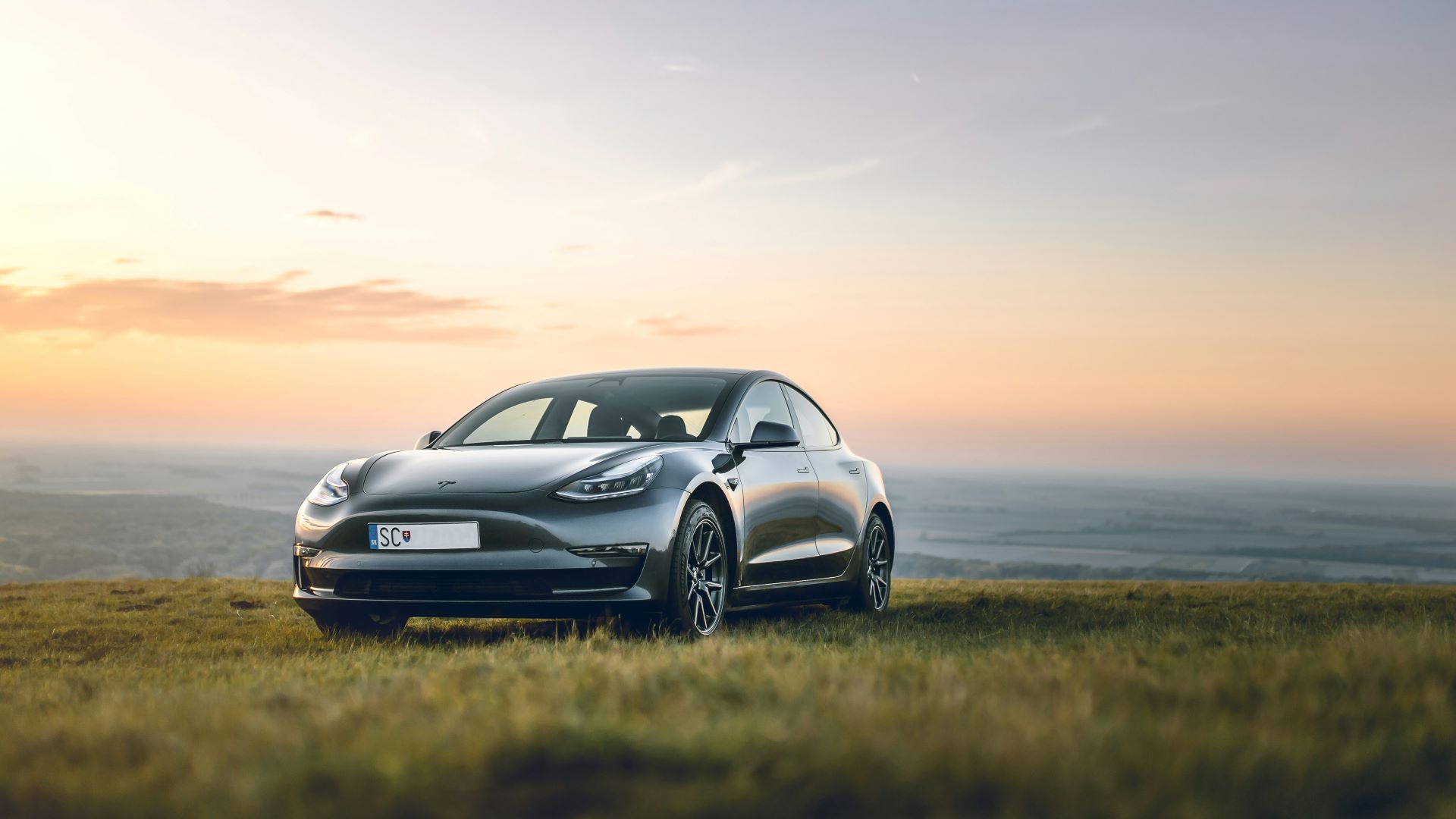
Leading car brands have taken bold steps to integrate digital innovations that enhance every aspect of the driving experience. One of the most notable advancements is in infotainment systems. Modern infotainment units offer seamless integration with smartphones, voice-activated controls, and personalized content that adjusts to the userÔÇÖs preferences. For instance, TeslaÔÇÖs large touchscreen interfaces and over-the-air updates have set a benchmark for interactive and evolving in-car systems.
Connectivity is another area where digital innovation is making significant strides. Car brands are now embedding vehicles with robust connectivity solutions that enable real-time data sharing, advanced navigation, and even remote diagnostics. General Motors, for example, has leveraged its OnStar service to provide not just safety features but also sophisticated connectivity solutions that keep drivers informed and connected.
Autonomous features are also gaining traction. While fully self-driving cars are still in the testing phase for many manufacturers, the integration of advanced driver-assistance systems (ADAS) has significantly improved safety and convenience. Systems like adaptive cruise control, lane-keeping assistance, and collision avoidance are now commonplace in many new models.
Digital retail channels represent another revolutionary shift. Traditional dealership models are increasingly complementedÔÇöor even replacedÔÇöby online platforms that allow consumers to customize, purchase, and receive their vehicles with minimal physical interaction. Brands such as Volvo and Ford are actively exploring these digital sales avenues, reflecting a broader trend towards a seamless, digital-first customer journey.

Case Studies of Brands Leading the Digital Charge
Tesla: Pioneering the Digital Revolution
Tesla has emerged as a trailblazer in integrating digital technology into the automotive experience. Its approach is centered on continuous innovation, with a focus on software-driven improvements that can be deployed over-the-air. TeslaÔÇÖs vehicles are equipped with a sophisticated suite of sensors and onboard computers that facilitate advanced autopilot functionalities and seamless connectivity. This commitment to digital innovation has not only redefined the driving experience but has also bolstered TeslaÔÇÖs market performance, positioning the company as a leader in the electric and autonomous vehicle sectors.
BMW: Merging Luxury with Cutting-Edge Tech
BMW has long been synonymous with luxury and performance, and its digital transformation efforts have only enhanced this reputation. The brandÔÇÖs iDrive system, one of the earliest digital interfaces in luxury vehicles, continues to evolve with regular updates and enhanced functionalities. BMWÔÇÖs integration of digital solutions extends to features like augmented reality head-up displays, which project critical driving information directly onto the windshield, thereby improving safety and driver engagement. These innovations have contributed to maintaining BMWÔÇÖs competitive edge in a rapidly digitalizing market.
Audi: Crafting a Digital Ecosystem
AudiÔÇÖs strategy revolves around creating an interconnected digital ecosystem that enhances both driver and passenger experiences. The brand has made significant investments in digital cockpit technology, offering highly customizable interfaces that cater to individual driver preferences. AudiÔÇÖs MMI (Multi Media Interface) system is a prime example, integrating navigation, entertainment, and vehicle settings into a cohesive digital experience. Moreover, Audi is at the forefront of incorporating 5G connectivity, which promises to unlock new dimensions of in-car interactivity and real-time data processing.
Ford: Embracing Digital Retail and Connectivity
Ford has taken a dual approach by enhancing in-car digital features and revolutionizing the purchasing process. With initiatives like the FordPass app, the company provides users with remote control over various vehicle functions, as well as access to detailed maintenance information and driving analytics. Additionally, Ford has been pioneering digital retail channels that allow customers to configure and purchase vehicles online. This comprehensive digital strategy has not only improved consumer satisfaction but has also significantly bolstered FordÔÇÖs market presence in an increasingly tech-driven environment.
Challenges in Implementing Digital Experiences
Despite the promising advancements, the road to a fully integrated digital automotive future is not without its challenges. One of the most significant concerns for car manufacturers is cybersecurity. As vehicles become more connected, they also become potential targets for cyber-attacks. Ensuring that digital systems are robust and secure is paramount, and car brands must invest heavily in cybersecurity measures to protect both consumer data and vehicle integrity.
Data privacy is another critical issue. With cars now collecting vast amounts of dataÔÇöfrom driving habits to location trackingÔÇöthere is an inherent risk of misuse or unauthorized access. Car manufacturers must navigate a complex regulatory landscape, ensuring that their digital systems comply with data protection laws while still delivering personalized experiences.
Moreover, technology reliability remains a concern. Digital systems, while offering immense benefits, can sometimes fail or require frequent updates. Balancing the integration of cutting-edge digital features with the need for reliability and ease of use is a constant challenge. Car brands must design systems that are not only innovative but also intuitive and dependable, without compromising the traditional values of craftsmanship and mechanical excellence that many consumers still cherish.
Lastly, there is the challenge of balancing digitalization with the essence of the driving experience. While technology can enhance convenience and safety, there is a risk that over-digitalization may detract from the pure, visceral pleasure of driving. Manufacturers are tasked with finding the sweet spot where digital innovation complements rather than overshadows the intrinsic qualities of automotive design and performance.
The Future of Digital in Automotive
Looking ahead, the trajectory of digital experiences in the automotive industry appears poised for even greater transformation. Experts predict that emerging technologies such as 5G, artificial intelligence, and augmented reality will further redefine the in-car experience. The advent of 5G, for instance, promises to deliver ultra-fast connectivity, enabling real-time data processing and smoother integration of digital services. This could lead to significant advancements in areas like autonomous driving and interactive infotainment systems.
Artificial intelligence is set to play a pivotal role in personalizing the driving experience. Future vehicles may leverage AI to learn individual driving habits, adjust settings automatically, and even predict maintenance needs before issues arise. Such innovations could transform vehicles into smart, responsive entities that offer a bespoke driving experience tailored to each user.
Augmented reality (AR) is another technology on the horizon that could revolutionize automotive interfaces. AR could be used to project critical information onto the windshield or even provide immersive navigation experiences that overlay real-world visuals with digital enhancements. This blend of reality and digital augmentation promises to make driving not only safer but also more engaging.
As car brands continue to innovate, we can expect a future where the line between digital and physical driving experiences becomes increasingly blurred. The focus will likely shift towards creating ecosystems that integrate seamlessly with our digital lives, ensuring that every journey is enhanced by connectivity, personalization, and advanced technological features.
Digital innovation is no longer just an add-on feature in the automotive industryÔÇöit has become a fundamental driver of consumer satisfaction and market competitiveness. As explored, car brands like Tesla, BMW, Audi, and Ford are leading the charge by integrating sophisticated digital technologies that redefine the driving experience. However, challenges such as cybersecurity, data privacy, and the balance between tradition and innovation continue to shape the journey.
The future of automotive digitalization is brimming with potential, with emerging technologies set to further revolutionize how we interact with our vehicles. As car brands navigate this dynamic landscape, the continuous pursuit of digital excellence will be essential for staying competitive and meeting the ever-evolving demands of automotive enthusiasts. The road ahead promises exciting developments that will undoubtedly transform our concept of mobility, inviting us to envision a future where driving is as much about digital empowerment as it is about mechanical prowess.
In a world where digital and physical experiences merge seamlessly, the automotive industry stands at the precipice of a new eraÔÇöone defined by connectivity, intelligence, and transformative innovation. Whether through enhanced safety features, personalized interfaces, or groundbreaking retail channels, car brands are not just adapting to change; they are actively shaping the future of mobility.
Breyten Odendaal
Specializing in high-performance automotive advertising and digital marketing solutions, delivering cutting-edge insights and the latest news shaping the automotive industry in South Africa.
More From Advertising
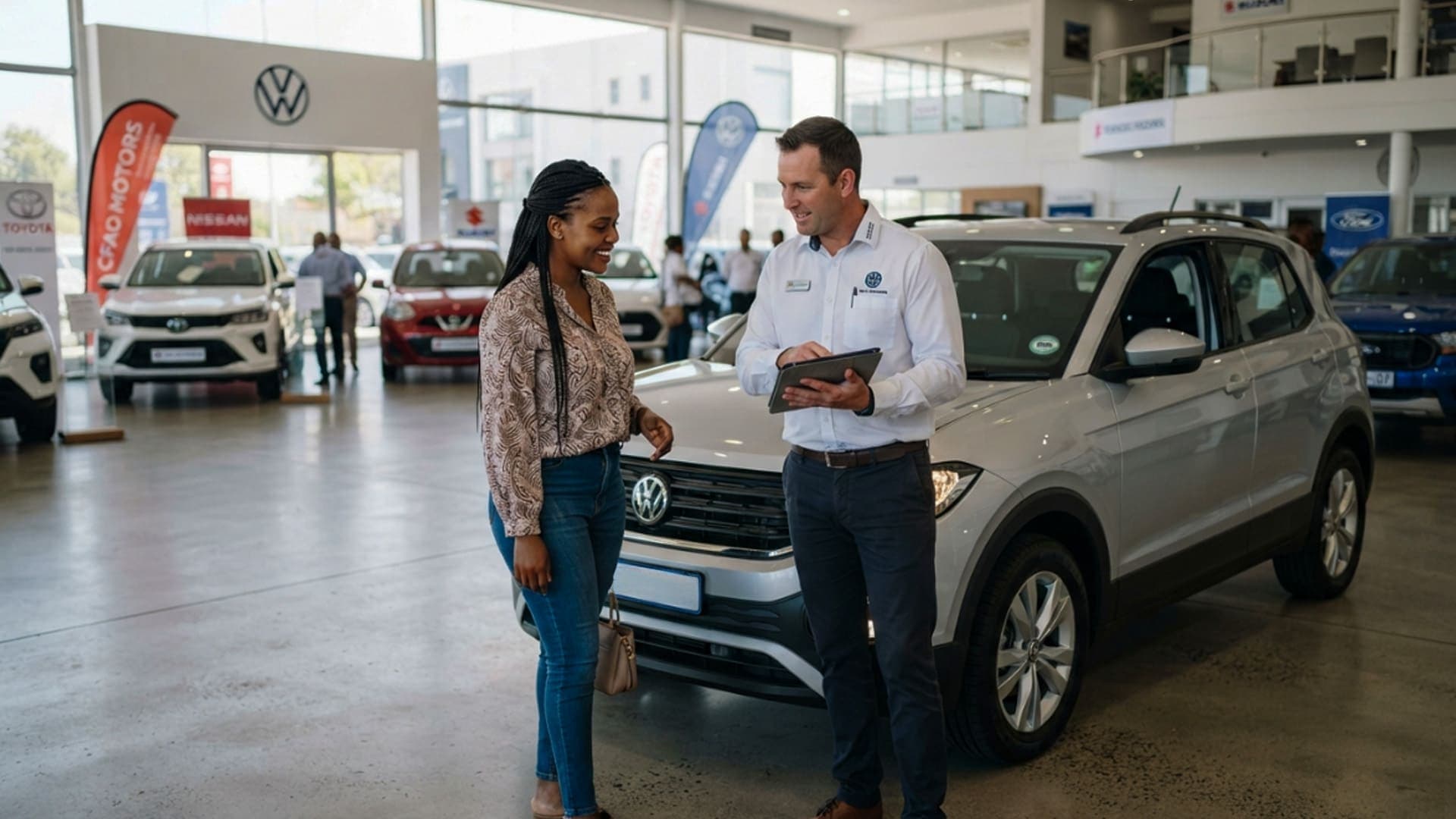
Automotive Advertising in 2026: Selling Confidence in a More Competitive Market
As South Africa’s vehicle market becomes more competitive, automotive advertising needs to do more than announce a price or specification. It needs to help buyers understand value, ownership costs and why a vehicle suits their lives.

Automotive Digital Ads in South Africa: A Shift
Exploring how South Africa’s automotive advertising evolved from print and broadcast to data-driven, programmatic digital ecosystems.

The Video Shift in Car Buying Decisions in SA
Explore how video content shapes car purchase decisions in South Africa, comparing short-form and long-form strategies for automotive marketers.