
The Glamorous Intersection of Cars and Cinema
The gleaming sheen of a luxury car, the roar of an engine, and the flash of headlights cutting through the nightÔÇöthere is a unique kind of magic that happens when a car takes center stage in a film. ItÔÇÖs not just about getting from point A to point B on screen; cars in films are often symbols of power, freedom, and style. In many cases, they become as iconic as the actors who drive them. But behind this seemingly effortless integration lies a high-stakes collaboration between car manufacturers and film studios, a partnership that has shaped both industries for decades.
Product placement, the art of strategically embedding brands within a movieÔÇÖs storyline, is a well-known tactic in the entertainment world. For car brands, these partnerships offer far more than a fleeting moment of screen time. They represent a chance to reach millions of viewers, reinforce brand identity, and drive consumer desire. This collaboration, born out of necessity and enhanced by technology, has evolved from the days of simple vehicle appearances to intricate, multifaceted relationships that drive both cinematic creativity and automotive marketing.
The Symbiotic Relationship: A Win-Win Collaboration
At the heart of car-product placement is a symbiotic relationship that benefits both car manufacturers and filmmakers. For car companies, the big screen offers an unparalleled stage to showcase their vehicles to global audiences. A car placed in the right film can elevate the brandÔÇÖs prestige, making it synonymous with excitement, luxury, or adventure. On the flip side, film studios gain from these partnerships in more ways than one. Not only does the presence of a high-end car add authenticity and glamour to a story, but these collaborations can also come with financial backing, making them mutually beneficial on multiple levels.
Consider the James Bond franchise and its iconic partnership with Aston Martin. The sleek, sophisticated Aston Martin DB5 has been synonymous with 007ÔÇÖs adventures since Goldfinger (1964). Its sleek lines and technical gadgets make it the perfect fit for a spy thriller, while also elevating the car to legendary status. Similarly, the Fast & Furious franchise has cultivated a deeply ingrained car culture, with every new film showcasing exotic vehicles that enthusiasts crave. For car brands like Dodge, Nissan, and Toyota, their vehicles are showcased in high-speed chases, offering them a chance to connect with fans of action-packed films while also boosting sales.
But itÔÇÖs not just about the vehicles; itÔÇÖs about the lifestyle they represent. The Fast & Furious cars symbolize rebellion and a fast-paced lifestyle, while BondÔÇÖs Aston Martins exude luxury, espionage, and sophistication. These collaborations give car brands the chance to embody powerful emotions and narratives, something that traditional marketing simply cannot replicate.
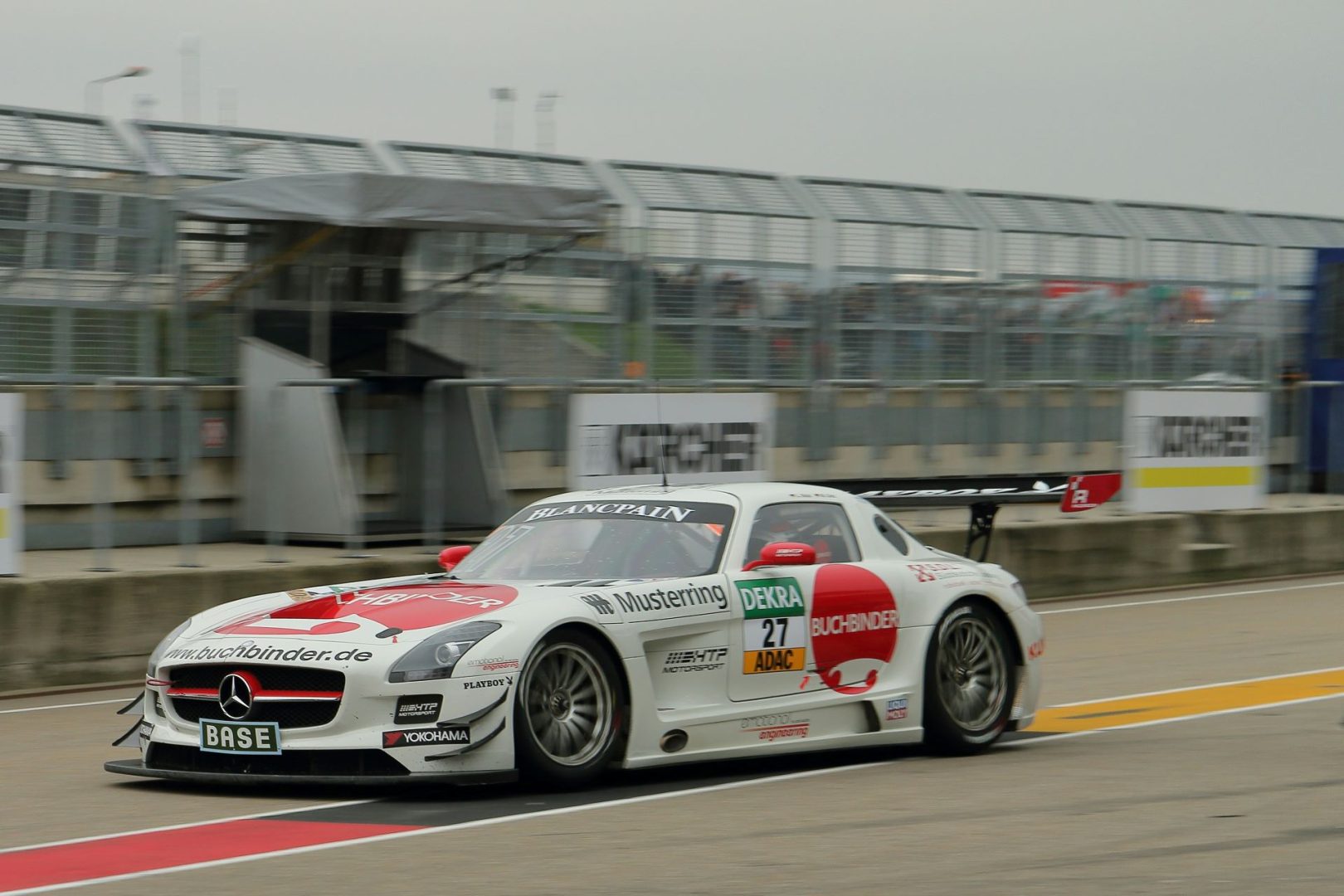
Inside the Negotiation Room: Behind the Scenes of Product Placement Deals
While we see the end result on screen, the behind-the-scenes negotiation process that leads to a carÔÇÖs placement in a film is far from glamorous. Car manufacturers and film studios work closely together to ensure that the product placement aligns with the movieÔÇÖs storyline, tone, and target audience. ItÔÇÖs a delicate dance of aligning brand image with cinematic vision.
For car companies, itÔÇÖs not just about putting their cars in filmsÔÇöthey need to ensure that the vehicles are showcased in a way that enhances their image. The car must match the filmÔÇÖs narrative and fit seamlessly into the characterÔÇÖs lifestyle. For example, a luxury brand like Rolls-Royce wouldnÔÇÖt be seen racing through the streets in a high-octane action scene in a way that could damage its image of elegance and exclusivity. Similarly, muscle cars like the Dodge Charger are more suited to gritty, action-packed sequences rather than romantic dramas.
On the studioÔÇÖs side, the value of having a car brand involved extends beyond just the vehicleÔÇÖs visibility. Car brands often contribute financially to film productions, offering sponsorship deals that cover costs in exchange for their productÔÇÖs prominent placement. In some cases, car companies provide cars for specific scenes, or even help design custom vehicles for the film. For instance, the futuristic cars featured in Blade Runner 2049 were custom-designed by car manufacturers to fit the world of the film while showcasing cutting-edge automotive technology. These collaborations often extend beyond product placement and into the world of creative design, allowing car brands to directly influence the final product.
Anecdotes of these behind-the-scenes negotiations often reveal the lengths to which car manufacturers will go to secure prime screen time. In the case of the Transformers franchise, Chevrolet went so far as to develop a specially designed Camaro just to feature in the films, making the car a central character in the series. These collaborations go beyond product placementÔÇöthey become integral to the filmÔÇÖs identity.
Dramatic Success Stories: Iconic Car Placements That Transformed Brands
Some of the most dramatic success stories in product placement have come from the silver screen. Perhaps the most famous example of car-product placement is the 007 franchiseÔÇÖs partnership with Aston Martin. From the moment Sean Connery drove the DB5 in Goldfinger, the car was elevated to an almost mythical status, a symbol of both luxury and danger. The vehicle became so iconic that it was featured in nearly every subsequent Bond film, transforming Aston Martin into a global symbol of sophistication and power.
Similarly, the Fast & Furious franchise has arguably done more to elevate the popularity of certain car models than traditional advertising ever could. The Dodge Charger, driven by Vin DieselÔÇÖs character Dominic Toretto, is one of the most recognizable vehicles in cinema history. It embodies the franchiseÔÇÖs themes of family, loyalty, and living life in the fast lane. For Dodge, the placement became a powerful marketing tool, reinvigorating the brandÔÇÖs image among younger, performance-oriented audiences.
Then thereÔÇÖs the case of the DeLorean from Back to the Future (1985). The carÔÇÖs appearance in the film wasnÔÇÖt just a product placement; it became a central part of the storyÔÇÖs magic. Today, the DeLorean remains an emblem of 1980s pop culture and a symbol of time travel, an association that continues to keep the brand alive in the minds of fans.
These examples show how car placements can transcend mere marketing to become part of cinematic history. The impact on brand perception and sales can be monumental, particularly when the vehicle becomes an integral part of the filmÔÇÖs success.
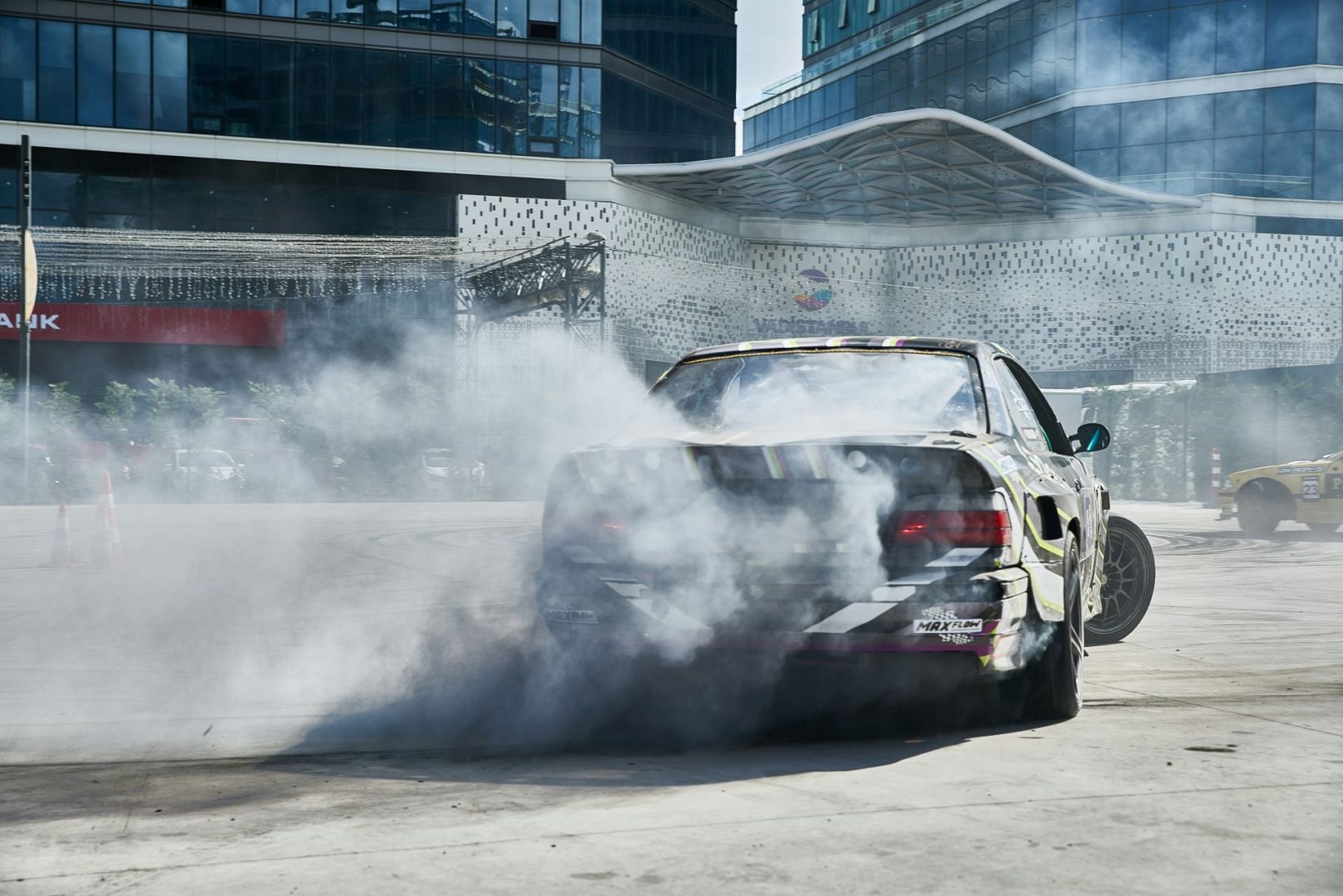
Pitfalls and Controversies: When Product Placement Backfires
While car-product placement can be a lucrative and powerful tool, itÔÇÖs not without its risks. When done poorly, it can lead to audience skepticism, creating the opposite of the desired effect. Over-commercialization can break the immersion of a film, turning the viewing experience into an advertisement rather than a cinematic journey.
Take, for instance, the backlash that occurred when the Transformers franchise was accused of excessive product placement. Critics argued that the film felt more like a commercial for Chevrolet than a coherent narrative. The excessive focus on carsÔÇöat times even stopping the action to highlight the vehiclesÔÇödetracted from the story and alienated viewers.
Similarly, some films have faced criticism for being ÔÇ£too on the noseÔÇØ with their product placement. When a carÔÇÖs appearance feels forced or unnecessary, it can damage the authenticity of the film and, by extension, the brand itÔÇÖs meant to promote. For example, The Italian Job (2003) faced some criticism for its heavy reliance on Mini Coopers, with some feeling that the cars were featured more as a selling point than as integral to the story.
Despite these pitfalls, filmmakers and car brands have learned to fine-tune their product placement strategies. The key is subtletyÔÇöintegrating the car into the filmÔÇÖs world in a way that feels natural, enhancing the narrative rather than detracting from it.
The Future of Car Product Placement: Digital, Virtual, and Beyond
As technology continues to advance, so too does the future of car-product placement. With the rise of virtual and augmented reality, car brands are beginning to explore new ways to engage audiences. Imagine experiencing a high-speed chase in a fully immersive VR environment, where the car youÔÇÖre driving is a state-of-the-art model from your favorite brand. Or envision a movie thatÔÇÖs entirely set in the metaverse, where digital cars are integrated into the storyline, offering brands a whole new platform to reach consumers.
Streaming platforms also open new avenues for product placement. Shows and films on Netflix or Hulu are not constrained by traditional commercial breaks or product placement rules. The ability to seamlessly integrate cars into a filmÔÇÖs narrative, and even allow viewers to interact with them digitally, could become the next frontier in car-marketing.
As the car industry moves toward electric and autonomous vehicles, we can also expect to see more EVs featured in films, signaling a shift toward sustainability and innovation in automotive product placement. Brands like Tesla, Rivian, and Lucid Motors will likely play an increasingly prominent role in films that portray a future of green technology and eco-conscious living.

The Enduring Power of Cars in Film
The relationship between cars and cinema is one that continues to evolve, driven by technological advances, shifting cultural trends, and the ever-growing desire for compelling storytelling. From iconic vehicles that have become legends to the new digital platforms that allow for unprecedented interactivity, the power of car-product placement in films remains undeniable.
Whether through the luxury of an Aston Martin, the muscle of a Dodge Charger, or the futuristic allure of an electric car, these partnerships will continue to fuel the dreams of automotive enthusiasts and cinema lovers alike. As technology and storytelling evolve, so too will the role of cars in films, driving both industries into a thrilling new future.
Breyten Odendaal
Specializing in high-performance automotive advertising and digital marketing solutions, delivering cutting-edge insights and the latest news shaping the automotive industry in South Africa.
More From Advertising

Automotive Advertising in 2026: Selling Confidence in a More Competitive Market
As South Africa’s vehicle market becomes more competitive, automotive advertising needs to do more than announce a price or specification. It needs to help buyers understand value, ownership costs and why a vehicle suits their lives.

Automotive Digital Ads in South Africa: A Shift
Exploring how South Africa’s automotive advertising evolved from print and broadcast to data-driven, programmatic digital ecosystems.

The Video Shift in Car Buying Decisions in SA
Explore how video content shapes car purchase decisions in South Africa, comparing short-form and long-form strategies for automotive marketers.