The Engines That Truly Drive Us
Automotive marketing has always been powered by far more than steel, torque figures and spec sheets. Cars may be mechanical creations, but car advertising is a psychological dance, one that relies on deeply embedded human impulses. Beneath every glossy TV spot, billboard, pre-roll ad or experiential activation lies an emotional spark that makes the message land. When a campaign works, itÔÇÖs rarely because of the features aloneÔÇöitÔÇÖs because it strikes a nerve, touches a need, alters a mood or mirrors an internal truth the buyer already feels.
At the heart of this emotional engine lie three primal forces: fear, freedom and power. These are not merely marketing levers but core human drivers baked into our biology. They determine how we react to threat, how we seek possibility and how we negotiate dominance or autonomy in the world around us. In automotive communication, these three forces have quietly shaped decades of campaigns, from the earliest print ads that appealed to caution or aspiration, to modern digital content that speaks to self-actualisation, environmental anxiety, social identity and performance thrill.
Yet, mastering these three emotions is both an art and a moral responsibility. Used well, they create resonant, lasting advertising that inspires confidence and supports informed decisions. Used recklessly, they tip into manipulation, fearmongering, or shallow machismoÔÇösummoning metaphorical demons that misguide consumers or distort brand identity.
This article unpacks each of these primal emotions in the context of automotive marketing, examining why they are so potent, how brands have historically applied them, and how modern marketers can harness these forces in ethical, intelligent and authentically human ways. The aim is not only to reveal why fear, freedom and power are the secret sauce behind most car ads, but to show how you can use them to improve your creative work without letting them consume the message.

The Emotional Engine Room of Automotive Advertising
Before exploring each emotion in detail, it is important to understand why automotive marketing uniquely lends itself to these primal triggers. Cars are not just transportation. They are extensions of identity, symbols of competence, tools for survival, enablers of life stages and catalysts for personal transformation. A vehicle unlocks a specific emotional world for each buyer, and often, that emotional world is far more influential than the carÔÇÖs physical attributes.
For instance, safety ratings are measurable, but the feeling of protection is emotional. Range and performance statistics are quantifiable, but the sense of freedom they create is experiential. Torque, acceleration and handling can be graphed, but the thrill of control and mastery lives in the bloodstream, not the spec sheet.
Automotive marketing sits at the crossroads of logic and instinct, but the emotional side of the equation frequently wins. That is why primal emotions hold such sway. They allow consumers to picture themselves inside a narrativeÔÇöwhether that narrative is about escaping danger, escaping monotony or escaping limits. And so, as brands craft their messages, they are not merely selling vehicles. They are selling emotional responses that predate modern society.
The key is to wield these emotions intentionally and transparently. That is where many campaigns either rise to greatness or fall into the realm of manipulation. To understand how to avoid the latter, let us examine how each primal emotion operatesÔÇöand why they matter now more than ever.
Fear: The Oldest, Sharpest Tool in the Automotive Arsenal
Why Fear Works
Fear is a survival mechanism. It evolved to keep us alive by sharpening our attention to threats. In marketing, fear is not about terrorÔÇöit is about alertness, risk awareness and the instinct to protect what matters. For automotive brands, this has historically translated into campaigns that highlight safety, reliability, stability and protection of family.
Fear in car ads rarely announces itself as fear. It masquerades as responsibility. It whispers, ÔÇ£Be prepared.ÔÇØ It nudges consumers to consider what could happen on the road, and which choice makes them feel more secure.
The Safety Narrative: A Decades-Old Powerhouse
The automotive industry has long used fear-adjacent messaging to sell safety innovations. From VolvoÔÇÖs seatbelt campaigns to the modern emphasis on ADAS systems and crash-test ratings, fear is implicit in every statistic about collision avoidance and passenger protection. The message is not ÔÇ£You are unsafe,ÔÇØ but rather ÔÇ£You could be safer.ÔÇØ
This shift in toneÔÇöfrom alarmist to reassuringÔÇöreflects mature application of the fear principle. The brand becomes the antidote to danger rather than the messenger of doom.
Emotional Territory Fear Unlocks
Fear-based automotive messaging often taps into multiple layers of emotion:
The instinct to protect loved ones
Anxiety over unpredictable roads
Fear of mechanical failure
Concern about crime, weather or infrastructure
Worry about personal competence behind the wheel
Car buyers may not openly admit these concerns, but they are universally felt, making fear a potent but delicate emotional lever.
When Fear Backfires
Fear becomes unethical or ineffective when it overplays the threat or distorts reality to provoke anxiety. This includes campaigns that sensationalise accidents, imply moral failing for not choosing a specific feature, or suggest catastrophic outcomes as a default.
Another pitfall is leaning so heavily into fear that the brand becomes associated with negativity. Customers want reassurance, not reminders of trauma. Automotive messaging should resolve fear, not amplify it.
Ethical, Effective Use of Fear Today
Modern automotive brands succeed when they frame safety not as a response to fear, but as an enabler of confidence and peace of mind. The key is positioningÔÇöfear is the problem, not the core message. The car becomes the solution, the comfort, the shield that empowers rather than frightens.
TodayÔÇÖs best practitioners use fear sparingly, with emotional intelligence. They acknowledge risk, but they always lead with resilience, not dread.
Freedom: The Mythic Heartbeat of the Open Road
Why Freedom Resonates
Cars have always symbolised escape. The first automobile ads sold not horsepower, but possibility. Cars represented liberation from physical limitation, social confinement and geographic boundaries. Even as the world urbanises and mobility shifts toward electrification, shared transport and AI assistance, the emotional promise of the open road remains deeply embedded in the automotive psyche.
Freedom, more than any other emotion, is the backbone of aspirational car marketing. It invites consumers into a personal story where the vehicle becomes the key to experiences otherwise inaccessible.
Freedom in Urban Contexts
Interestingly, the meaning of freedom has evolved dramatically. For city dwellers, freedom may no longer signify long-distance road trips or scenic highways. Instead, it manifests as the ability to navigate chaos, find parking, escape congestion or commute reliably.
For electric vehicles, freedom becomes range confidence, charging convenience and independence from fuel volatility. The core feeling is unchanged, but the triggers have evolved.
The Freedom Narrative in Automotive History
From classic ÔÇ£See the USA in Your ChevroletÔÇØ Americana to modern South African ads that showcase long-distance journeys through remote landscapes, freedom stories are nearly universal. Automotive brands rely on the imagery of travel, exploration and possibilityÔÇöregardless of whether most buyers actually take those long drives.
Even performance-focused ads use freedomÔÇöfreedom from sluggishness, from hesitation, from mechanical limits. Meanwhile, luxury brands appeal to freedom from discomfort, from noise, from compromise.
Emotional Territory Freedom Unlocks
Freedom-based messaging inspires an expansive emotional palette:
A sense of potential
Relief from confinement
Self-expression and identity
Spontaneity
Adventure and curiosity
Control over oneÔÇÖs own time
Freedom is inherently positive, making it one of the safest and most inspiring emotions to use in car advertising.
When Freedom Turns Into Fantasy
The danger with freedom is excess. Overpromising leads to disillusionment. Suggesting that every drive is an epic adventure creates unrealistic expectations. When freedom becomes too abstract or cinematic, it loses connection to the buyerÔÇÖs real daily life.
TodayÔÇÖs consumers value authenticity, and that means freedom messaging must align with genuine product capability. A small urban EV cannot credibly sell itself on cross-continental travel fantasies. But it can sell flexibility, agility and independence from fuel queues.
Ethical, Effective Use of Freedom Today
Modern consumers respond best to grounded freedomÔÇöfreedom that feels accessible, personal and relevant. It might be the freedom of silence in an EV cabin, freedom from maintenance headaches, or freedom to choose greener mobility without compromise.
Freedom is most powerful when it is honest. When it reflects real life, not a hollow cinematic trope.
Power: The Emotion That Moves Metal
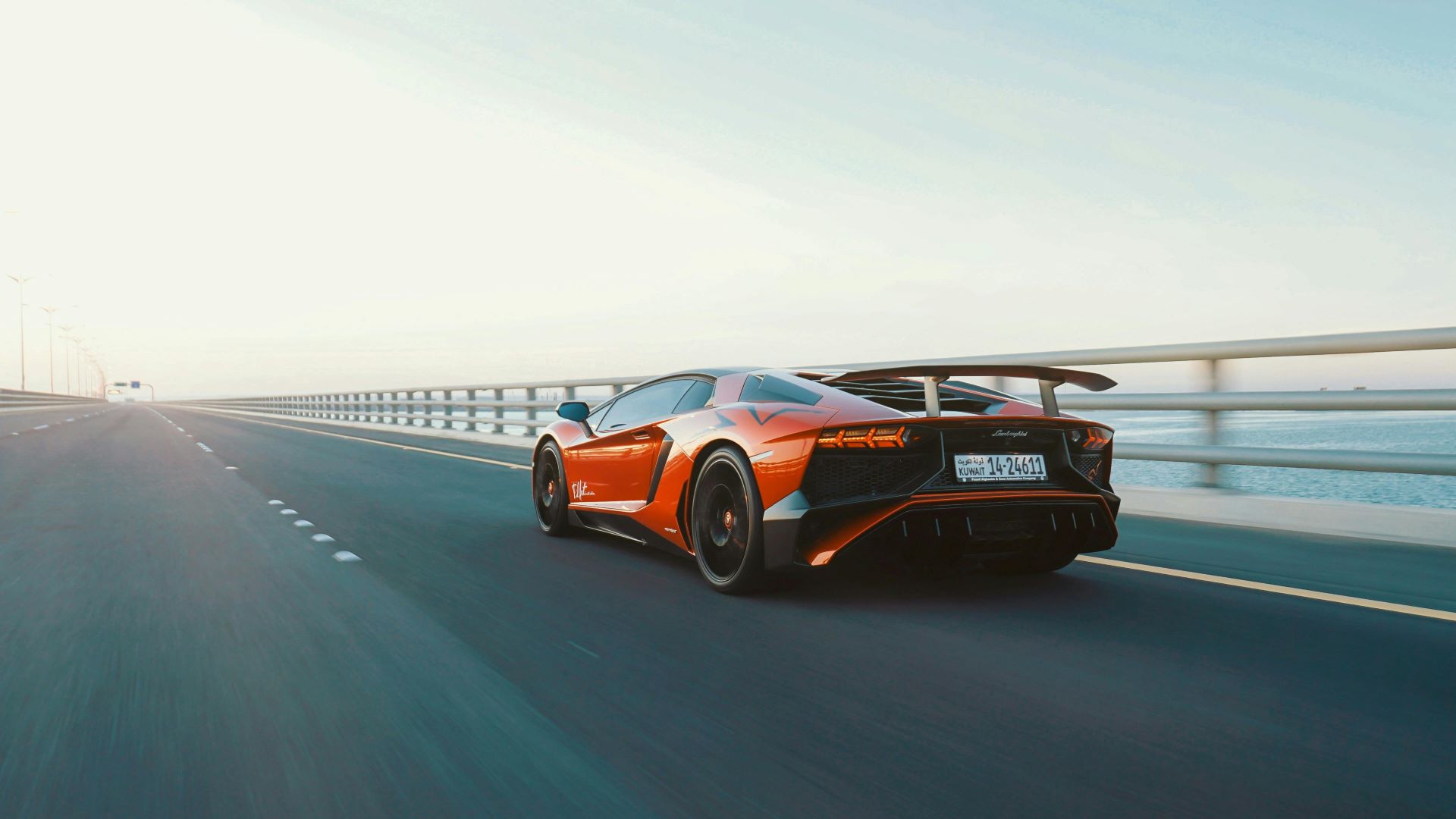
Why Power Is Primal
Power is deeply human. It speaks to autonomy, capability, confidence and mastery. In automotive culture, power has always been linked to performance, speed and control. But true automotive power extends far beyond engine output.
Power is about feeling equipped. ItÔÇÖs about competence. ItÔÇÖs about dominance when needed, stability when demanded, and assurance in situations that require quick response.
The Evolution of Power Messaging
Historically, power messaging was simple: bigger engines, faster speeds, more aggressive styling. As environmental consciousness and urbanisation evolved buyer expectations, automotive marketers had to redefine power. Today, power is just as likely to refer to:
Intelligent traction management
Battery capability
Seamless software integration
Driver-assist technology
Adaptive performance
Efficient torque delivery
Control in slippery or unpredictable terrain
Power has become multidimensional. It is no longer just the roar of combustionÔÇöit is the quiet force of technology, intelligence and efficiency working together.
Emotional Territory Power Unlocks
Power-based messaging taps into deeply internal feelings:
Confidence
Competence
Mastery of environment
Pride and self-worth
Capability under pressure
Social status
Personal achievement
These emotions remain potent, especially in markets where a vehicle is tied to identity or professional capability.
When Power Becomes Toxic
Power messaging crosses ethical boundaries when it glorifies reckless driving, aggression or domination of others. Campaigns that imply superiority through intimidation or irresponsible speed not only create moral issues but misrepresent brand values.
Moreover, ignoring the societal shift toward responsibility and sustainability results in campaigns that feel tone-deaf or outdated. Power must evolve alongside culture.
Ethical, Effective Use of Power Today
The most relevant expression of power today is responsible powerÔÇövehicles that offer capability without harm, strength without arrogance, and performance without excess.
This includes EVs with instant torque, SUVs with intelligent terrain systems, hatchbacks with agile city handling and sedans with advanced stability control. Power becomes purposeful rather than performative.
The key is reframing power as empowermentÔÇönot domination.
The Triad in Harmony: How Fear, Freedom and Power Interact
Using each emotion individually can be effective, but the strongest automotive campaigns often combine them subtly. The interplay of fear, freedom and power forms a narrative arc that mirrors human psychology.
Fear highlights the problem.
Power provides the solution.
Freedom delivers the emotional reward.
A safety-focused ad might begin with subtle cues of potential risk (fear), showcase intelligent safety features (power), and end with a sense of serene, uninterrupted mobility (freedom).
A performance-focused ad might tap into fear of limitation or mediocrity, then present a vehicle that overcomes those limits through power, which leads to the freedom of effortless performance.
A sustainability-focused EV campaign might evoke fear of environmental decline, introduce the power of clean technology, and conclude with the freedom of guilt-free mobility.
This triad works because it mirrors the psychological journey every buyer experiences: concern  confidence  liberation.
Avoiding the Demons: Ethical Emotional Marketing in the Automotive Era
Emotion-based advertising becomes problematic when the message manipulates, distorts or coerces. The ÔÇ£demonsÔÇØ in this context are exaggeration, dishonesty, fearmongering, toxic bravado and emotional exploitation. To use primal emotions responsibly, automotive marketers must adopt principles that maintain credibility and trust.
These principles include:
Transparency in capability
Honesty in performance claims
Respect for real-world driving conditions
Avoidance of shock tactics
Consistency between emotional messaging and product truth
Cultural sensitivity, especially in diverse markets like South Africa
The goal is to inspire, not mislead; empower, not provoke.
The Modern Consumer: More Informed, More Skeptical, More Emotionally Aware
TodayÔÇÖs automotive buyer is exposed to unprecedented volumes of information. They research safety ratings, watch reviews, compare specs, scroll through forums and analyse brand reputation. Emotional messaging still worksÔÇöbut only when paired with credibility.
Consumers are quick to detect manipulation, and fear-based scare tactics or inflated power fantasies lose effectiveness in this environment. Freedom, too, must be grounded in authenticity. There is still tremendous appetite for emotional storytelling, but it must align with consumer intelligence.
The Future: Emotion-Driven Marketing in an Electrified, Autonomous World
As the automotive landscape transforms, so too will emotional storytelling. Electric mobility will reshape how power is perceived. Autonomous capabilities will reshape how fear is addressed. Urbanisation and digital ecosystems will reshape how freedom is defined.
Yet, the primal emotional core will remain. Humans will still feel concern, seek capability and crave autonomy. It is the marketerÔÇÖs task to interpret these timeless emotions in a modern context.
The coming decade will likely introduce new emotional textures:
Fear of digital vulnerability
Freedom from operational tasks through automation
Power expressed through intelligent, predictive systems
Marketers who understand these shifts and translate them into human-centred communication will lead the next chapter of automotive storytelling.
Emotion Is the Real Fuel
Cars move bodies; automotive advertising moves minds. Fear, freedom and power are the foundational emotional currents that have shaped car marketing for generationsÔÇöand will continue to do so. They are not tricks. They are truths. But they must be handled with respect.
Fear must be acknowledged but not weaponised.
Freedom must be promised but never overstated.
Power must be expressed but never abused.
When wielded responsibly, these primal emotions enable messages that resonate, persuade and endure. They create campaigns that feel both ambitious and honest, cinematic yet grounded, emotional yet rationally defensible.
That is how automotive advertising transcends mere promotion and becomes meaningful communicationÔÇöhow brands earn trust, build legacy and inspire genuine connection.
In the end, the real art lies not in summoning demons, but in understanding the human heart well enough to never need them.
Breyten Odendaal
Specializing in high-performance automotive advertising and digital marketing solutions, delivering cutting-edge insights and the latest news shaping the automotive industry in South Africa.
More From Advertising

Automotive Advertising in 2026: Selling Confidence in a More Competitive Market
As South Africa’s vehicle market becomes more competitive, automotive advertising needs to do more than announce a price or specification. It needs to help buyers understand value, ownership costs and why a vehicle suits their lives.

Automotive Digital Ads in South Africa: A Shift
Exploring how South Africa’s automotive advertising evolved from print and broadcast to data-driven, programmatic digital ecosystems.

The Video Shift in Car Buying Decisions in SA
Explore how video content shapes car purchase decisions in South Africa, comparing short-form and long-form strategies for automotive marketers.