
The Age of the Connected Vehicle
In an era where every interaction is data-driven, the automotive industry is undergoing a subtle but profound transformation. Vehicles have evolved from mere transportation machines into connected platforms, capable of generating and transmitting vast amounts of real-time information. Every journey, from daily commutes to road trips, contributes to a digital footprint, which automotive brands can harness to better understand their customers.
Personalized marketing, once the exclusive domain of tech giants and e-commerce platforms, is now a critical component of automotive brand strategy. Leveraging connected car data allows manufacturers and dealerships to deliver highly targeted, contextually relevant messaging to individual drivers. This approach is reshaping everything from sales strategies to service communications, loyalty programs, and even in-car experiences.
Unlike traditional marketing, which relies on broad demographic segments and generalized messaging, data-driven automotive marketing delivers precision. The car becomes a communication channel itself, enabling brands to interact with drivers in real-time, providing recommendations, alerts, and offers that are as dynamic and unique as the vehicleÔÇÖs journey.
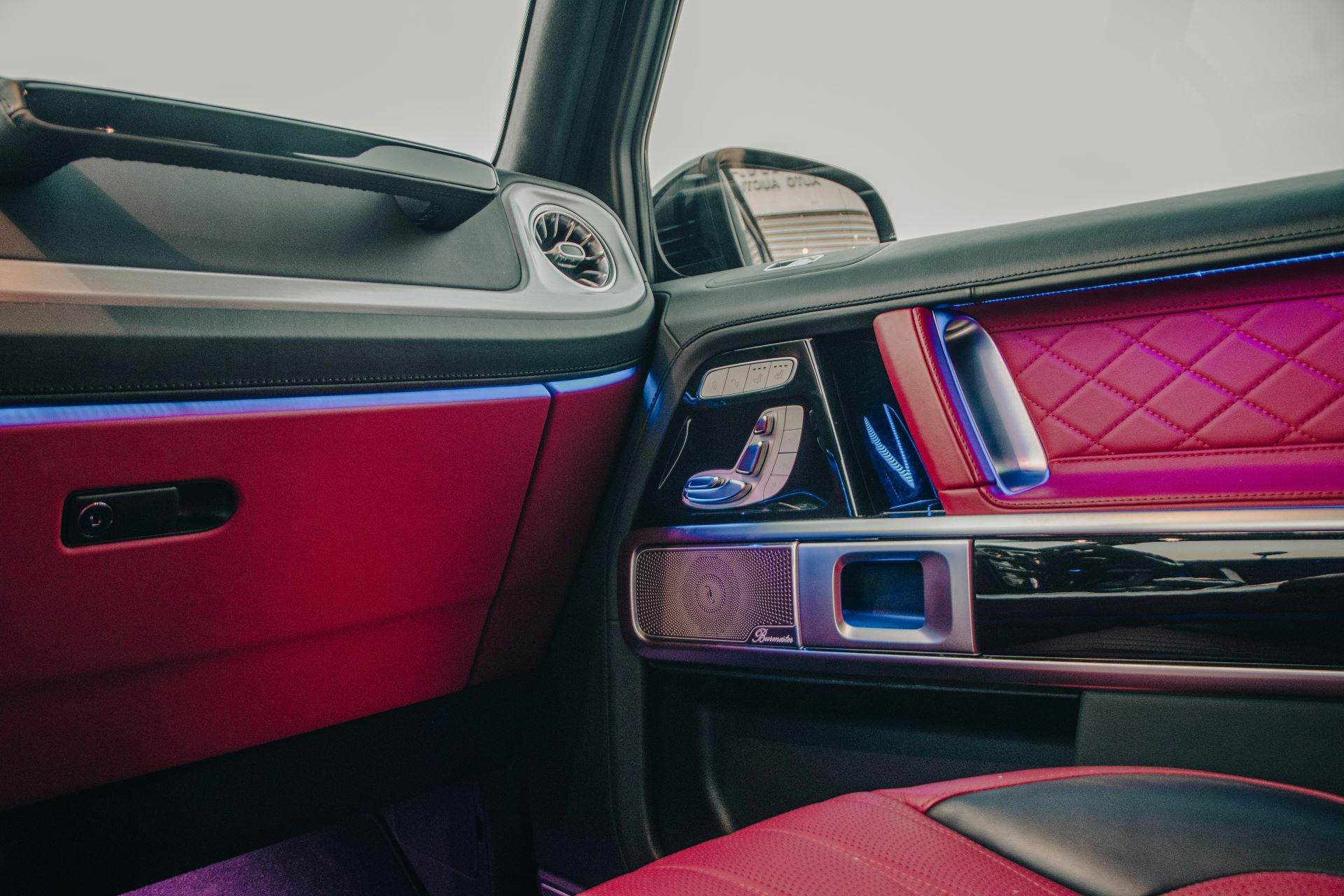
Understanding Connected Car Data
Connected car data encompasses a wide array of information points, collected from onboard sensors, telematics systems, infotainment interfaces, and cloud-based services. The spectrum ranges from driving habits and vehicle health metrics to location patterns, multimedia usage, and environmental conditions.
Driving behavior is one of the most valuable datasets for marketers. Metrics such as acceleration, braking patterns, cornering frequency, and average trip length provide insights into driver preferences, risk profiles, and lifestyle tendencies. This allows brands to anticipate the kind of vehicles or services that resonate most with individual customers.
Location data offers another powerful layer. Brands can identify frequent routes, preferred destinations, and geographic trends that inform localized campaigns. For example, a driver who regularly visits coastal towns may receive marketing content for adventure or lifestyle-oriented vehicles, whereas urban commuters might be targeted with content highlighting efficiency, connectivity, and parking-friendly designs.
Vehicle health and maintenance data also play a key role. Predictive alerts for upcoming services, tire replacements, or software updates not only enhance the ownership experience but provide opportunities for highly contextual marketing. A driver notified about an imminent oil change can simultaneously receive a tailored offer for an upgrade to a higher-grade service package or accessory.
The Mechanics of Personalization
The real magic of connected car data lies in its ability to fuel personalization at scale. Advanced analytics and AI-driven algorithms sift through terabytes of raw data, identifying patterns and segmenting customers with a level of granularity previously unattainable.
Automotive brands are increasingly using this intelligence to tailor the customer journey. Consider onboarding: when a new vehicle is registered, brands can immediately personalize welcome communications, suggesting features and services based on the ownerÔÇÖs specific usage patterns. Recommendations might include infotainment tutorials for tech-savvy users, fuel-efficient driving tips for long-distance commuters, or accessory suggestions aligned with lifestyle preferences.
Dynamic offers represent another frontier. Brands can adjust pricing, promotions, and content delivery based on live vehicle data. A driver approaching a long road trip might receive a special offer for a performance upgrade or complimentary maintenance package. Similarly, in-app notifications can highlight features the driver hasnÔÇÖt used yet, encouraging engagement and upselling opportunities without ever feeling intrusive.
Even content consumption is becoming personalized. Infotainment systems and connected apps allow brands to push curated news, music, and lifestyle content based on preferences inferred from driving patterns. Over time, these interactions build a more intimate, value-driven relationship between the driver and the brand, increasing loyalty and retention rates.
Case Studies: Automotive Brands Leading the Way
Several leading brands have emerged as pioneers in leveraging connected car data for personalized marketing, each taking a unique approach to integrate data intelligence into their strategies.
One notable example is Tesla, which uses its connected ecosystem to continuously refine vehicle software and driver interactions. The company collects real-time telemetry data to optimize performance, suggest software upgrades, and send personalized alerts about battery usage or maintenance needs. This data also informs marketing strategies, allowing Tesla to present targeted messages about new features or services, enhancing the overall ownership experience.
BMW is another standout, with its ÔÇ£ConnectedDriveÔÇØ platform enabling predictive services and personalized recommendations. The system analyzes driver behavior and location data to suggest tailored navigation, offers for nearby services, and reminders for vehicle maintenance. BMW also integrates these insights into CRM systems, allowing dealerships to deliver bespoke communications to individual drivers, effectively bridging digital intelligence with physical sales touchpoints.
Meanwhile, traditional manufacturers like Ford and General Motors are experimenting with connected apps and loyalty programs that leverage usage data. FordPass, for instance, allows drivers to track vehicle health, fuel levels, and driving habits, while simultaneously delivering personalized offers on service packages, accessories, and financing options. GMÔÇÖs OnStar platform similarly combines safety and telematics data to create a seamless pipeline for marketing interventions, ensuring that communications are timely, relevant, and value-driven.
Advanced Data Integration for Hyper-Personalization
As connected car ecosystems evolve, automotive brands are moving beyond simple segmentation to hyper-personalized marketing. Hyper-personalization leverages not only raw vehicle data but also external contextual inputs, including weather, traffic, social trends, and local events. By combining these datasets, brands can craft messages that feel less like marketing and more like a natural extension of the driving experience.
Consider the integration of telematics with smartphone and wearable data. By understanding the driverÔÇÖs daily routines, commuting patterns, and even exercise habits, brands can create recommendations that align with both lifestyle and vehicle usage. For instance, a driver who frequently stops at coffee shops during morning commutes may receive an offer for a premium subscription to a fuel-efficient or hybrid model, paired with a loyalty reward for nearby locations. Such contextual intelligence strengthens brand relevance, turning generic promotions into moments of meaningful engagement.
Moreover, connected vehicles are increasingly integrated into the broader Internet of Things (IoT). Smart home devices, city infrastructure, and even public transportation systems can feed into a vehicleÔÇÖs data ecosystem. Automotive brands can leverage these connections to anticipate customer needs proactively. Imagine a scenario where a vehicle recognizes an unusually heavy traffic pattern ahead and prompts the driver with a tailored in-car playlist, alternative route suggestions, or even promotional offers for roadside services. This seamless integration blurs the line between marketing and service, reinforcing brand value without interrupting the driver.
Cloud-based platforms play a critical role in enabling these sophisticated data operations. Automotive brands now rely on advanced AI and machine learning frameworks to continuously analyze real-time data streams. These systems not only identify patterns but also predict future behavior, allowing marketers to anticipate needs rather than react to them. Over time, the insights gathered from connected car ecosystems evolve, enabling increasingly nuanced and precise communication strategies.

Ethical Considerations and Data Privacy
While the potential of connected car data is immense, automotive brands face an equally significant responsibility: managing data ethically and respecting consumer privacy. Drivers are increasingly aware of how personal data can be used, and trust has become a cornerstone of effective personalization.
Transparency is paramount. Brands must clearly communicate what data is being collected, how it will be used, and the tangible benefits for the driver. Consent mechanisms should be granular, allowing drivers to opt in or out of specific types of data sharing. For instance, a driver may be comfortable sharing vehicle health metrics for predictive maintenance but reluctant to share location history for marketing purposes. Brands that respect these boundaries and provide meaningful control over data usage are more likely to earn long-term loyalty.
Data security is another crucial consideration. Connected vehicles are complex digital systems with multiple potential points of vulnerability. Ensuring robust encryption, secure data transmission, and rigorous storage protocols protects both the customer and the brand. Any breach not only damages trust but can have lasting reputational and financial consequences.
Finally, ethical personalization requires careful attention to balance. Overly aggressive marketing can feel intrusive, undermining the positive experiences connected car data is meant to enhance. Automotive brands must navigate the delicate line between relevance and intrusion, delivering messages that feel genuinely helpful, timely, and aligned with the driverÔÇÖs interests.
From Ownership to Experience: Redefining Automotive Marketing
The integration of connected car data is shifting the focus of automotive marketing from product-centric to experience-centric approaches. The vehicle itself becomes both a platform and a communication channel, allowing brands to interact with drivers at multiple touchpoints throughout the ownership lifecycle.
Marketing messages are no longer limited to the showroom or email campaigns. In-car notifications, app-based interactions, and service reminders become personalized touchpoints, transforming routine engagements into opportunities for brand differentiation. By aligning messaging with real-world driving behavior, brands reinforce value at every stageÔÇöpurchase, usage, maintenance, and even resale.
Loyalty programs are evolving in parallel. Connected car data enables dynamic reward systems that recognize and incentivize specific behaviors. Eco-conscious drivers may receive credits for fuel-efficient habits, while frequent service participants might unlock VIP maintenance offers. These programs extend beyond conventional discounting strategies, creating a sense of personalized recognition that fosters emotional attachment and brand advocacy.
The shift to experience-driven marketing also encourages innovation in communication formats. Augmented reality (AR) dashboards, gamified in-car challenges, and interactive infotainment content allow brands to engage customers in immersive, memorable ways. By embedding marketing within the vehicle experience itself, brands transcend traditional boundaries, ensuring relevance in an increasingly competitive market.
The Future of Data-Driven Automotive Marketing
Looking ahead, the possibilities for connected car marketing are only set to expand. With the rise of autonomous vehicles, AI-driven personalization, and even more sophisticated telematics, brands will be able to anticipate needs with unprecedented precision.
Autonomous vehicles, in particular, promise a paradigm shift. As drivers transition into passengers, the vehicle experience becomes a space for engagement, entertainment, and shopping. Automotive brands can leverage connected data to curate content, suggest services, and facilitate seamless transactionsÔÇöall tailored to individual preferences and habits. Imagine a scenario where a vehicle recommends a scenic detour with points of interest based on prior travel history, or prompts a personalized wellness break during a long commute. The car itself becomes a concierge, guided by intelligent marketing strategies.
Artificial intelligence will further enhance predictive capabilities. Machine learning algorithms can detect subtle shifts in driver behavior, identifying opportunities for personalized messaging before the customer is even consciously aware of their needs. This level of foresight allows brands to create hyper-relevant offers, maintain loyalty, and anticipate competitive threats proactively.
Finally, collaboration between automotive manufacturers and third-party ecosystem partnersÔÇöranging from retail and hospitality to insurance and energy providersÔÇöwill open new avenues for integrated marketing. Connected car data enables contextually relevant cross-industry offerings, allowing drivers to enjoy seamless, personalized experiences that extend beyond the vehicle itself.
Strategic Takeaways for Automotive Brands
The connected car era has transformed marketing from a one-size-fits-all approach to a dynamic, highly personalized discipline. By leveraging vehicle-generated data, brands can craft contextually relevant messages that resonate with individual drivers, enhancing engagement, loyalty, and lifetime value.
Key strategies include investing in advanced analytics and AI to interpret complex datasets, integrating vehicle data with broader IoT and lifestyle inputs, and prioritizing transparency and consent to maintain trust. Brands that strike the right balance between personalization and privacy will position themselves as both innovative and customer-centric, setting new benchmarks for engagement in the automotive sector.
Ultimately, connected car data is more than a marketing toolÔÇöit is a bridge between the driver and the brand, transforming ownership into a continuous, intelligent, and highly personalized experience. For automotive marketers, the challenge lies not only in leveraging the data effectively but in crafting narratives, offers, and experiences that make each journey meaningful. Those who succeed will not only influence purchase decisions but redefine what it means to connect with a driver in the modern automotive landscape.
Breyten Odendaal
Specializing in high-performance automotive advertising and digital marketing solutions, delivering cutting-edge insights and the latest news shaping the automotive industry in South Africa.
More From Advertising
Automotive Advertising in 2026: Selling Confidence in a More Competitive Market
As South Africa’s vehicle market becomes more competitive, automotive advertising needs to do more than announce a price or specification. It needs to help buyers understand value, ownership costs and why a vehicle suits their lives.

Automotive Digital Ads in South Africa: A Shift
Exploring how South Africa’s automotive advertising evolved from print and broadcast to data-driven, programmatic digital ecosystems.

The Video Shift in Car Buying Decisions in SA
Explore how video content shapes car purchase decisions in South Africa, comparing short-form and long-form strategies for automotive marketers.