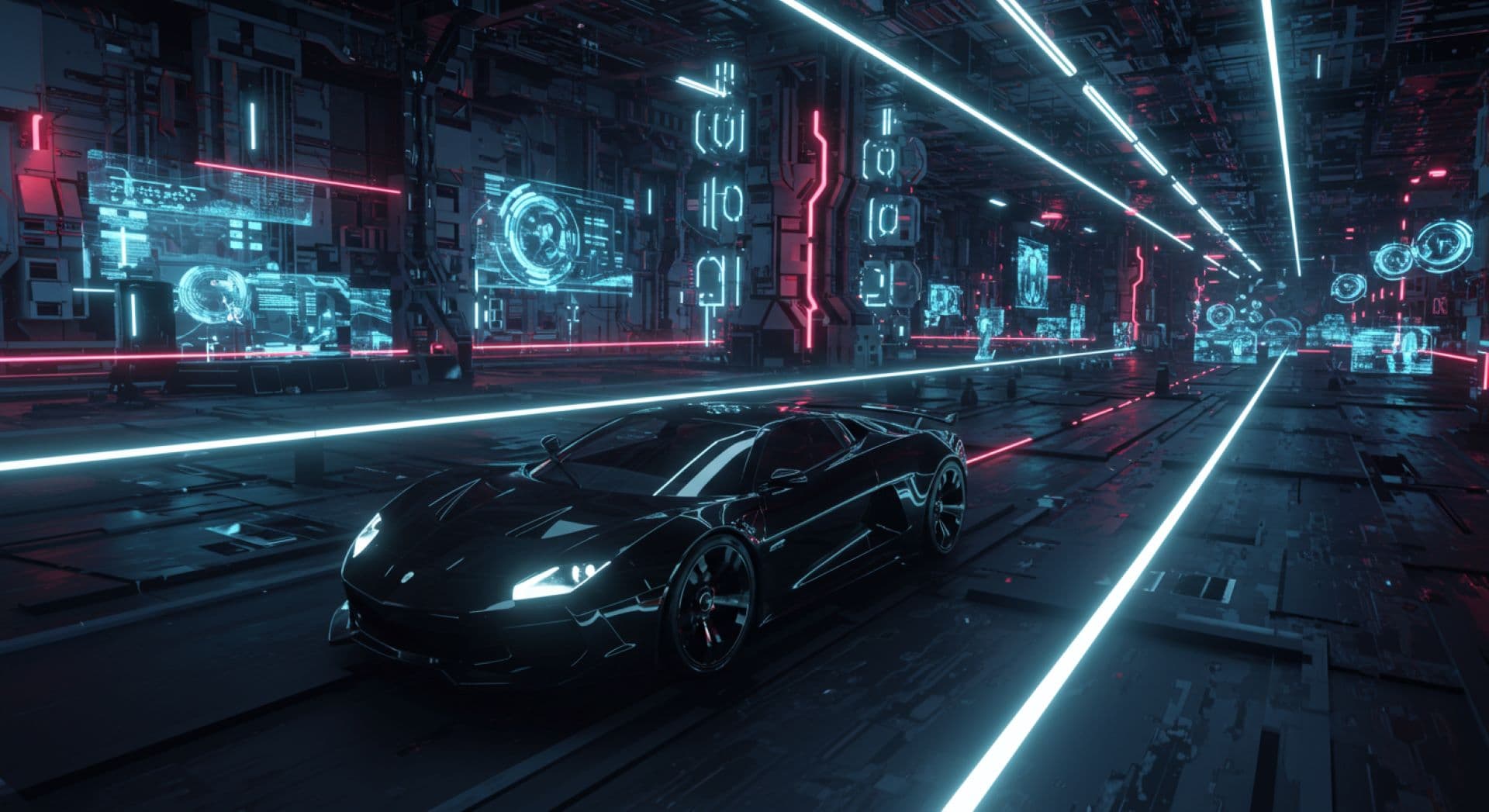
The automotive industry has always been at the forefront of innovation, embracing new technologies to enhance customer experiences and push the boundaries of advertising. Today, as the digital landscape evolves, brands are turning their attention to the metaverseÔÇöan immersive, virtual world where creativity knows no limits. Automotive enthusiasts now find themselves in a dynamic new era where car launches, test drives, and brand engagement happen in virtual realms.
The metaverse, a convergence of virtual and augmented reality, blockchain technology, and digital ecosystems, is reshaping industries worldwide. From fashion to real estate, businesses are leveraging this new digital frontier to engage with consumers like never before. But what does this mean for the automotive sector? This article explores how major car manufacturers are utilizing the metaverse for advertising, the benefits and challenges they face, and what the future holds for digital automotive marketing.
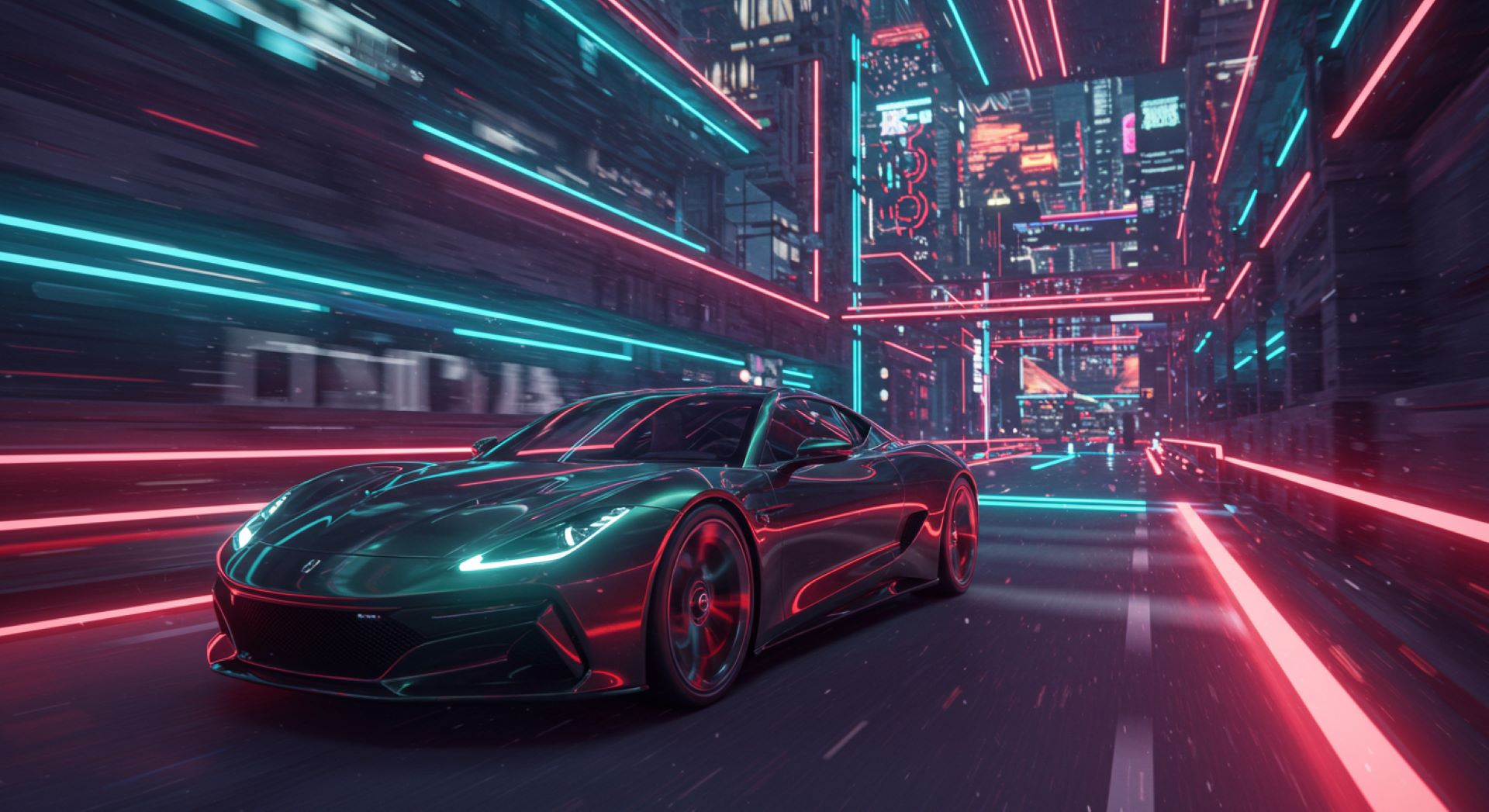
Background on the Metaverse
The metaverse is a vast, interactive digital space where users can socialize, explore, and create. Built on technologies like virtual reality (VR), augmented reality (AR), and blockchain, this immersive world allows brands to establish unique consumer experiences. Unlike traditional digital advertising, which relies on two-dimensional interfaces, the metaverse enables users to engage with brands in a highly interactive, three-dimensional environment.
Over the past decade, the metaverse has gained traction as major platforms like Decentraland, The Sandbox, and Roblox have provided brands with virtual real estate to showcase their products. Social interactions, digital economies, and gamification are now key aspects of this evolving space, making it a prime opportunity for automotive brands to innovate in their marketing strategies.
Automotive IndustryÔÇÖs Shift Towards Digital
The digital transformation of the automotive industry has been a gradual yet revolutionary shift. Traditional advertising methodsÔÇöbillboards, print ads, and television commercialsÔÇöhave given way to digital-first strategies. Brands have embraced social media campaigns, influencer partnerships, and interactive websites to reach tech-savvy consumers.
With digital showrooms and online configurators already a norm, the metaverse presents the next logical step. It allows brands to go beyond static advertising and offer fully immersive experiencesÔÇövirtual test drives, branded digital collectibles, and even metaverse-exclusive car models. Automotive companies recognize that todayÔÇÖs consumers crave engagement, and the metaverse provides a perfect playground for interactive storytelling.
Case Studies of Automotive Brands in the Metaverse
1. BMWÔÇÖs Virtual Showrooms and NFT Integration
BMW has embraced the metaverse by creating virtual showrooms where users can explore new models in a hyper-realistic digital space. Through partnerships with metaverse platforms, BMW offers interactive experiences where potential customers can customize vehicles, participate in virtual test drives, and even purchase branded NFTs (non-fungible tokens) as exclusive digital assets.
2. Mercedes-BenzÔÇÖs Luxury Experience in Decentraland
Mercedes-Benz has taken brand engagement to a new level with its luxury-themed virtual space in Decentraland. Here, users can attend exclusive events, explore concept cars, and engage in gamified experiences that highlight the brandÔÇÖs innovation. This digital presence strengthens Mercedes-BenzÔÇÖs positioning as a forward-thinking luxury automaker.
3. HyundaiÔÇÖs Metamobility Initiative
Hyundai has coined the term "Metamobility," referring to its vision of integrating mobility solutions within the metaverse. The brand launched Hyundai Mobility Adventure on Roblox, allowing users to interact with digital versions of its vehicles, test futuristic features, and engage with brand ambassadors in an immersive environment.
4. NissanÔÇÖs Virtual Test Drive Campaigns
Nissan has leveraged VR technology to offer consumers virtual test drives in the metaverse. By creating lifelike driving simulations, the brand provides potential buyers with a hands-on experience without ever stepping into a physical showroom. This strategy not only enhances customer engagement but also reduces the barriers to exploring new vehicle models.
Benefits of the Metaverse for Automotive Advertising
The integration of automotive advertising into the metaverse offers several advantages:
Challenges and Considerations
Despite its potential, the metaverse presents several challenges for automotive brands:
To overcome these hurdles, brands must adopt scalable strategies, partner with established metaverse platforms, and ensure accessibility for a broader audience.
Future of Automotive Advertising in the Metaverse
The future of automotive advertising within the metaverse is promising, with continuous advancements in AI, VR, and blockchain technologies. As more brands invest in digital experiences, we can expect:
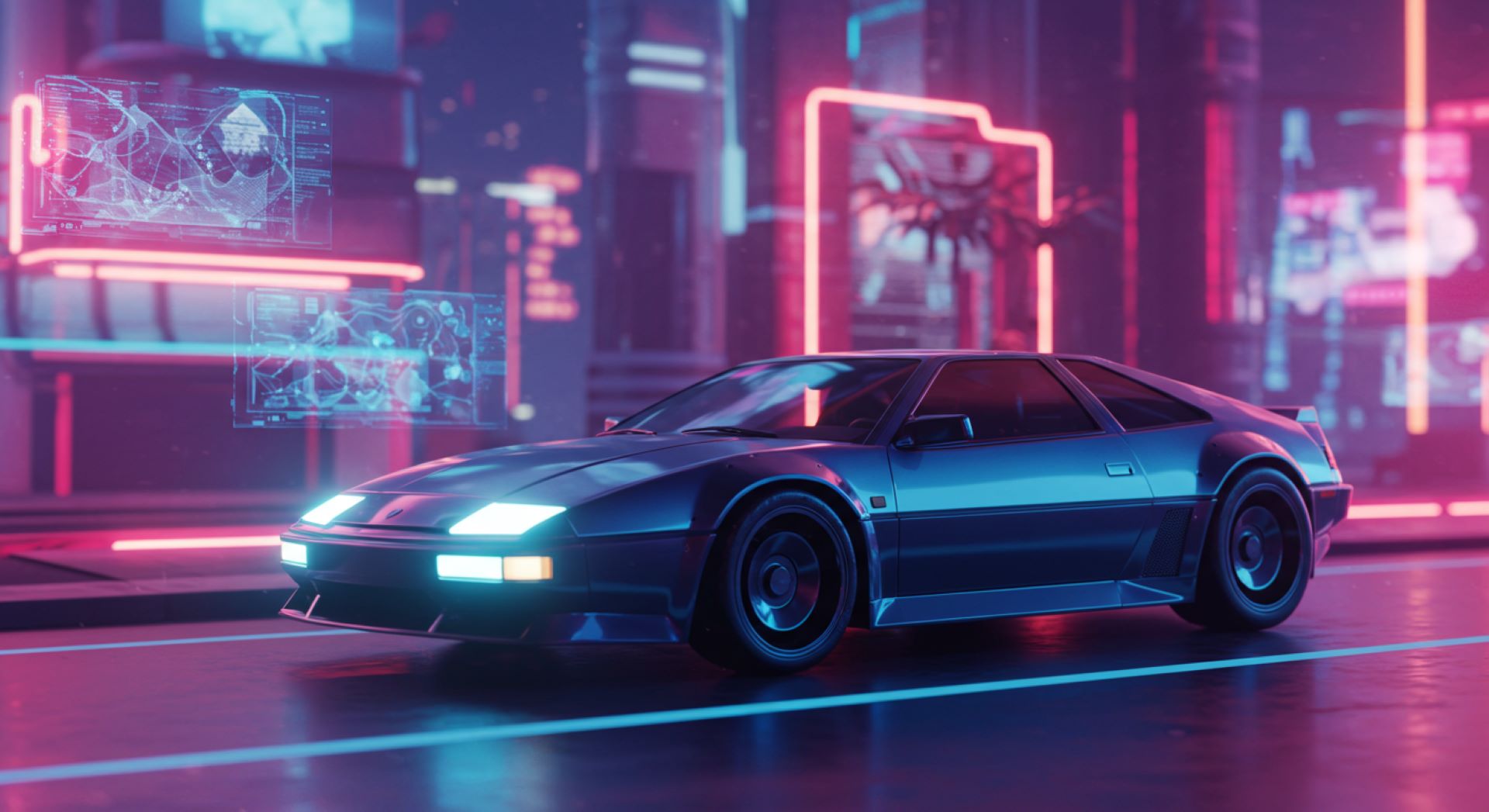
The metaverse is revolutionizing how automotive brands interact with consumers, offering immersive experiences that redefine advertising. From virtual showrooms to NFT collectibles and interactive test drives, companies are leveraging this digital frontier to create lasting impressions. While challenges remain, the potential for growth is immense, and the coming years will see even greater innovation in automotive advertising.
As technology advances and consumer behaviors evolve, one question remains: how will you experience your next dream carÔÇöin a physical showroom or a metaverse world? The road to the future is digital, and the journey has only just begun.
Breyten Odendaal
Specializing in high-performance automotive advertising and digital marketing solutions, delivering cutting-edge insights and the latest news shaping the automotive industry in South Africa.
More From Advertising

Automotive Advertising in 2026: Selling Confidence in a More Competitive Market
As South Africa’s vehicle market becomes more competitive, automotive advertising needs to do more than announce a price or specification. It needs to help buyers understand value, ownership costs and why a vehicle suits their lives.

Automotive Digital Ads in South Africa: A Shift
Exploring how South Africa’s automotive advertising evolved from print and broadcast to data-driven, programmatic digital ecosystems.

The Video Shift in Car Buying Decisions in SA
Explore how video content shapes car purchase decisions in South Africa, comparing short-form and long-form strategies for automotive marketers.