
The automotive industry is undergoing a significant transformation, not only in terms of vehicle design and technology but also in the way brands engage with consumers. Traditional marketing methods, such as print ads and TV commercials, have given way to more immersive and interactive strategies. Automotive brands are increasingly turning to experiential marketing, an innovative approach that allows them to create memorable, hands-on experiences for consumers. By moving beyond passive advertising, these brands are forging deeper emotional connections with their audience, driving consumer loyalty, and ultimately influencing purchase decisions. In an era where customer experience is paramount, the power of experiential marketing is undeniable. In this article, we will explore how automotive brands are harnessing this marketing tool to captivate consumers and differentiate themselves in a highly competitive market.

Defining Experiential Marketing
Experiential marketing is a strategy that focuses on creating unique, interactive experiences that engage consumers on a sensory and emotional level. Unlike traditional marketing, which aims to deliver a message through passive channels, experiential marketing invites consumers to actively participate in brand experiences, allowing them to connect with the brand in meaningful ways. In the automotive industry, this can take many forms, from test-driving events to virtual reality (VR) showcases, where consumers can immerse themselves in the brandÔÇÖs story and values.
The effectiveness of experiential marketing lies in its ability to create lasting impressions. Consumers are more likely to remember a brand if they have experienced it firsthand, especially if the experience was engaging and enjoyable. Automotive brands, in particular, benefit from experiential marketing as it allows them to showcase the emotional and aspirational aspects of their productsÔÇöqualities that resonate deeply with car enthusiasts.
Key Elements of Effective Experiential Marketing
For automotive brands to successfully engage consumers through experiential marketing, certain key elements must be present in their campaigns.
Personalization
Personalization is crucial in ensuring that consumers feel connected to the brand on a deeper level. Automotive brands that can tailor their experiences to individual preferences, such as offering bespoke driving experiences or customized vehicle configurations, are more likely to leave a lasting impression. Personalization helps consumers feel valued and fosters a stronger emotional bond with the brand.
Emotional Connection
Creating an emotional connection is one of the most powerful aspects of experiential marketing. Automotive brands that can evoke strong emotional responsesÔÇöwhether through the thrill of driving, the luxury of the brandÔÇÖs heritage, or the excitement of a new releaseÔÇöare more likely to inspire consumer loyalty. An emotionally charged experience often leads to positive word-of-mouth and long-term brand advocacy.
Immersion
The more immersive the experience, the stronger the impact it will have on consumers. Automotive brands are leveraging technology such as augmented reality (AR), VR, and interactive digital displays to create environments where consumers can engage fully with the brand. Whether itÔÇÖs testing a vehicle in a VR simulation or attending a live event where they can physically interact with the product, immersion is key to driving engagement.
Technology Integration
Incorporating technology into experiential marketing campaigns allows automotive brands to provide interactive and innovative experiences that would not be possible in the physical world alone. Technologies like AR and VR can simulate driving scenarios, allowing consumers to experience the vehicleÔÇÖs features in an engaging and informative way. This integration of technology also appeals to younger, more tech-savvy audiences who are accustomed to high-tech interactions in all aspects of their lives.
The Role of Technology
Modern technology has revolutionized experiential marketing, especially in the automotive sector. Virtual and augmented reality have allowed consumers to step into digital environments where they can explore cars from every angle, test out driving simulations, and experience a vehicleÔÇÖs performance in ways that were previously unimaginable. Brands are also using social media platforms to amplify the reach of these experiences, encouraging users to share their experiences with their networks.
Additionally, data analytics is playing a pivotal role in shaping these campaigns. By analyzing consumer behavior, preferences, and interactions, automotive brands can refine their strategies and deliver even more personalized experiences. Technology is not only reshaping the way consumers interact with brands but also enhancing the quality of these interactions, leading to deeper engagement and stronger brand loyalty.
Consumer Engagement and Impact
Experiential marketing offers automotive brands an invaluable opportunity to engage consumers in a way that traditional advertising cannot. Through hands-on experiences, consumers become active participants in the brandÔÇÖs story, which leads to stronger emotional connections and, ultimately, brand loyalty. These campaigns also have a significant impact on purchase decisions. Consumers who have participated in an immersive brand experience are far more likely to consider purchasing from that brand, as they feel more connected to its values and products.
By creating memorable experiences, automotive brands are fostering long-term relationships with their customers, who are not only more likely to return but also to advocate for the brand within their social circles.
Challenges and Considerations
While experiential marketing offers tremendous potential, there are challenges that automotive brands must consider. One of the main difficulties is the high cost of creating immersive, large-scale experiences. Additionally, ensuring that these experiences are consistent across various platforms and locations can be logistically complex.
To overcome these challenges, brands should focus on scalability and ensure that they can deliver a consistent message across all touchpoints, whether online or in-person. Additionally, they should invest in data analytics to monitor consumer behavior and adjust their campaigns in real-time, ensuring maximum effectiveness.
Experiential marketing is fast becoming a key strategy for automotive brands seeking to engage and retain consumers. By providing immersive, personalized, and emotionally resonant experiences, brands are able to differentiate themselves in a competitive market while building lasting consumer loyalty. As technology continues to evolve, the opportunities for creating innovative, engaging campaigns will only increase, allowing automotive brands to connect with their audiences in even more profound ways. Moving forward, experiential marketing will play a critical role in shaping the future of consumer engagement in the automotive industry.
Breyten Odendaal
Specializing in high-performance automotive advertising and digital marketing solutions, delivering cutting-edge insights and the latest news shaping the automotive industry in South Africa.
More From Advertising
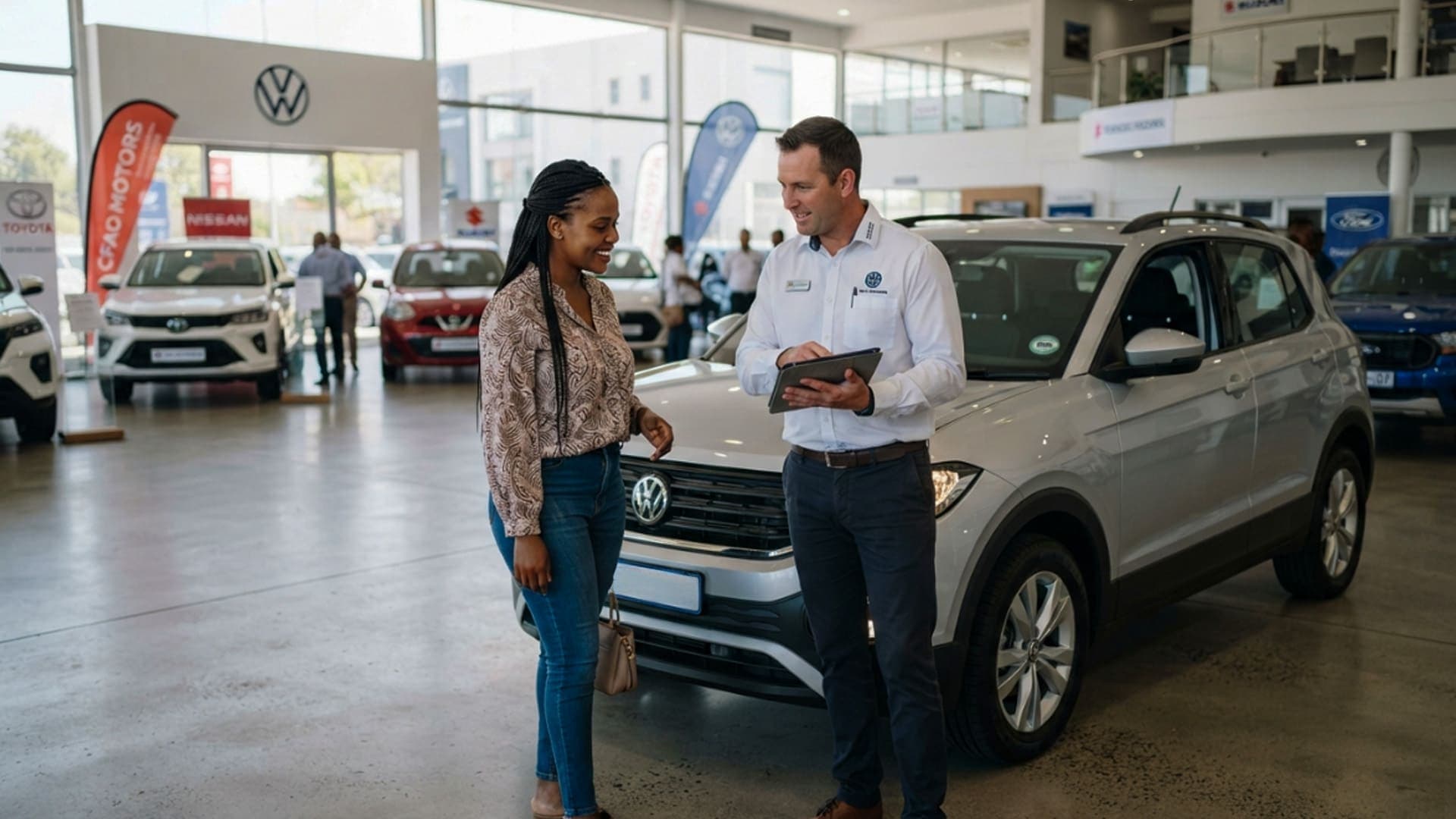
Automotive Advertising in 2026: Selling Confidence in a More Competitive Market
As South Africa’s vehicle market becomes more competitive, automotive advertising needs to do more than announce a price or specification. It needs to help buyers understand value, ownership costs and why a vehicle suits their lives.

Automotive Digital Ads in South Africa: A Shift
Exploring how South Africa’s automotive advertising evolved from print and broadcast to data-driven, programmatic digital ecosystems.

The Video Shift in Car Buying Decisions in SA
Explore how video content shapes car purchase decisions in South Africa, comparing short-form and long-form strategies for automotive marketers.