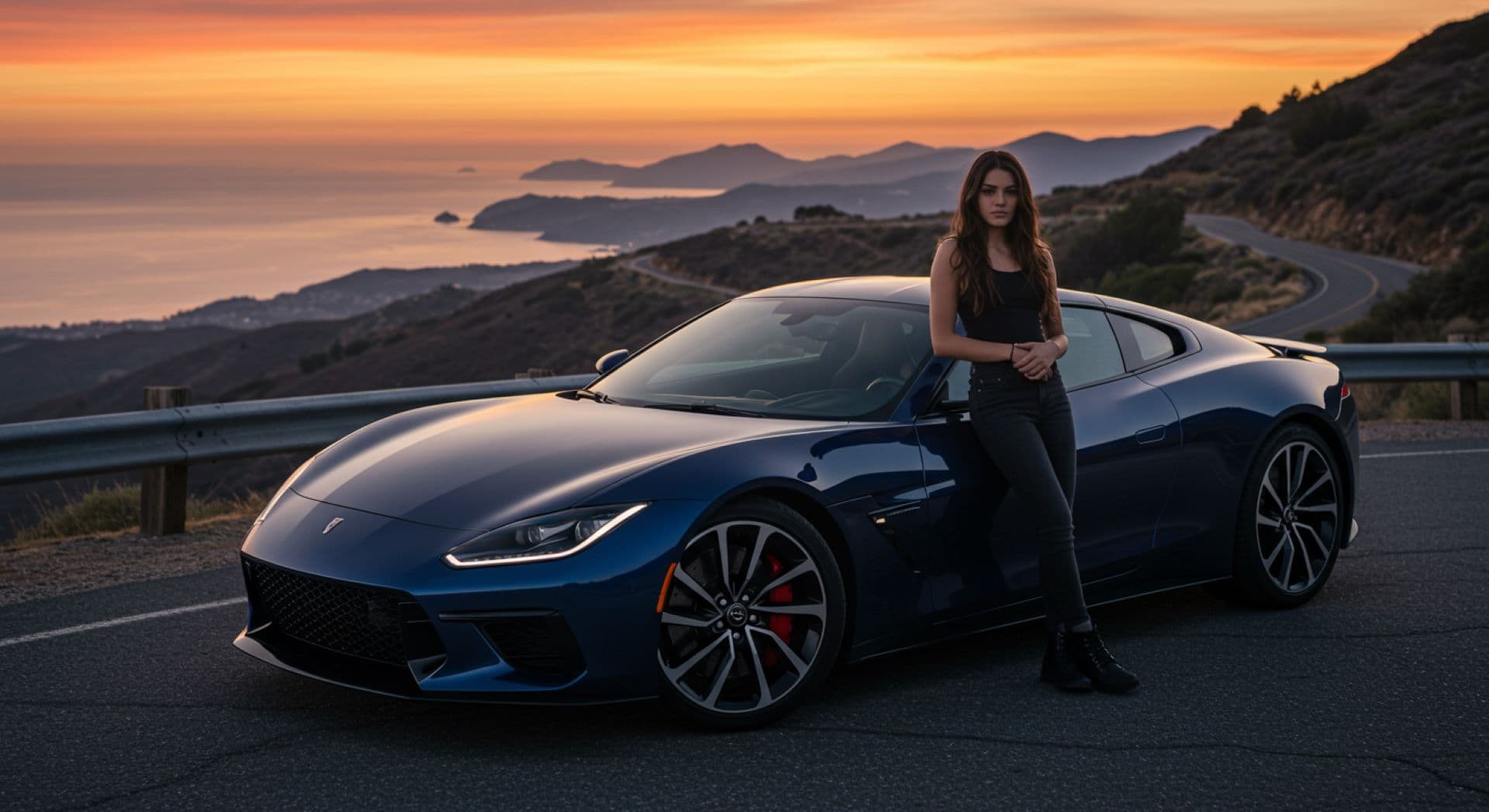
The Evolution of Automotive Design in the Global Marketplace
Automotive design has long been a critical component in shaping the identity and success of a brand. From sleek, aerodynamic shapes to cutting-edge interior technologies, design has always been about more than just aesthetics. It is a powerful tool that automakers use to speak directly to the desires and aspirations of modern consumers. Today, car buyers are no longer just looking for reliability and performance; they are increasingly concerned with a vehicle's design, reflecting broader global design trends that align with their lifestyles.
The automotive industryÔÇÖs response to these evolving consumer expectations is nothing short of revolutionary. As manufacturers push the envelope to stay relevant, the industry has become more interconnected than ever before. Automakers are tapping into global design trends to create vehicles that resonate with diverse markets. Whether itÔÇÖs minimalist interiors, sustainable materials, or the seamless integration of technology, these design elements are shaping the future of the automobile in unprecedented ways.
In this article, we will explore how automakers are leveraging global design trends to appeal to modern consumers. WeÔÇÖll dive into the historical context, identify the major trends defining the industry today, and examine how companies are successfully implementing these trends in their models. We will also analyze the impact these trends have on consumer behavior, the role of technological advancements, and the challenges automakers face in staying ahead of the curve. By understanding these dynamics, we can gain a clearer picture of what drives the car designs of tomorrow.
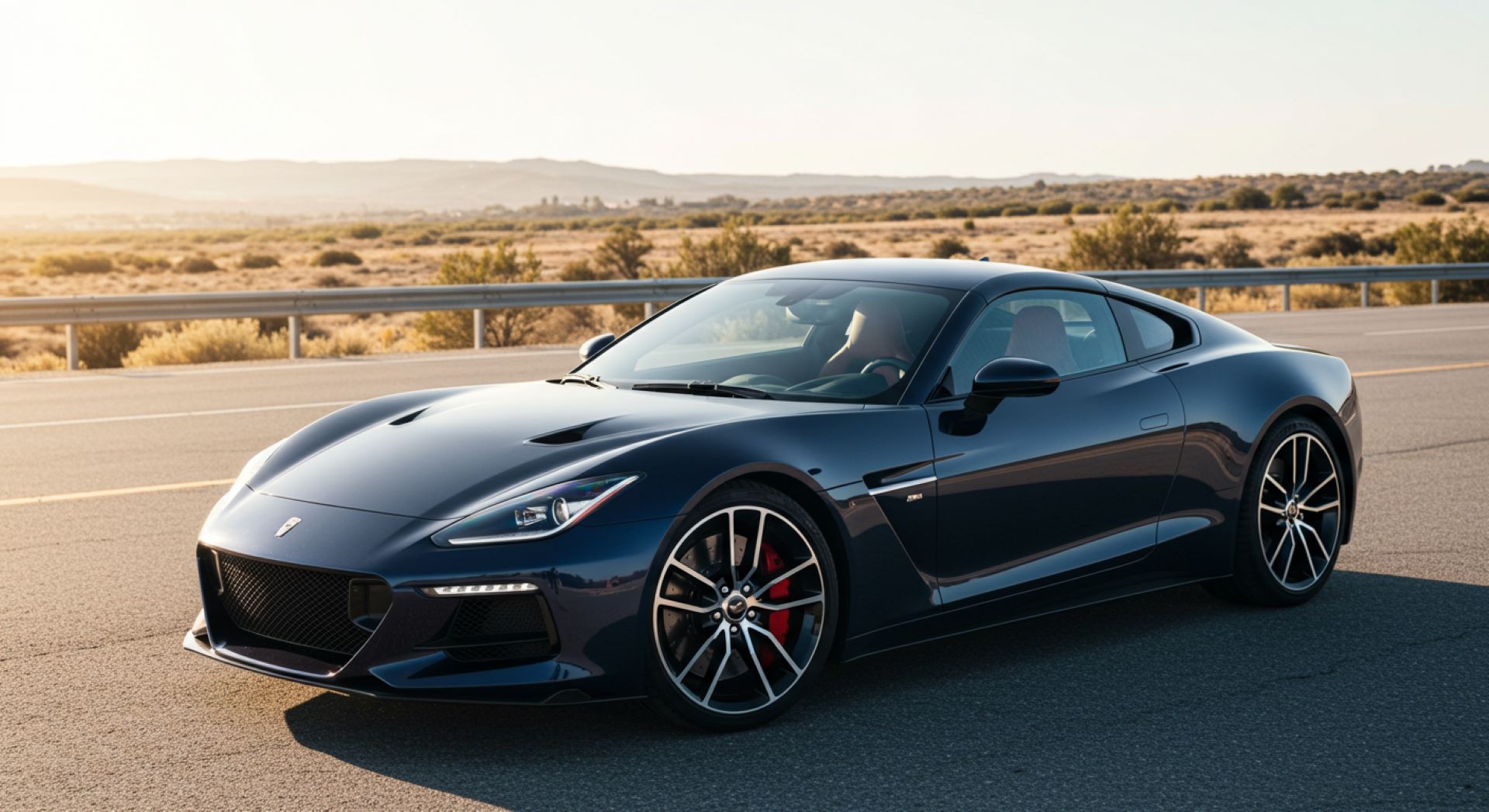
Historical Perspective: A Legacy of Design Innovation
The journey of automotive design has been as dynamic as the vehicles it produces. From the early days of the automobile, design was a practical affair, with functionality at the forefront. Early cars, such as the Ford Model T, prioritized utility and affordability over style. However, as the automotive market grew and competition intensified, automakers began to realize the significance of design in attracting buyers.
The 1930s ushered in the era of streamlined designs, with sleek, curvaceous bodies that emphasized speed and elegance. Influenced by aerodynamics, cars like the Chrysler Airflow and the Cadillac V-16 offered a glimpse into the future of automotive form and function. These cars were not just machines; they were symbols of progress, power, and status.
The 1950s and 1960s saw the rise of the "Jet Age" with tailfins, chrome details, and bold color schemes. The designs of this era reflected the optimism and post-war boom that characterized the times. Iconic models such as the Chevrolet Corvette and Ford Thunderbird represented American automotive pride and innovation.
The 1980s and 1990s brought a shift towards more conservative, boxy designs, a response to the need for practicality and cost-efficiency amid global oil crises and economic uncertainty. The automotive world also began to embrace technological advancements during this period, paving the way for more sophisticated in-car electronics.
By the 2000s, a wave of global influences began to emerge in car design. As markets became more interconnected, automakers increasingly incorporated elements from around the world. European design, with its focus on precision and elegance, merged with American boldness and Japanese efficiency. Today, the automotive landscape is shaped by a blend of historical design influences, consumer demands, and technological innovation.
Current design trends reflect the growing consumer desire for vehicles that are not only functional and efficient but also visually striking and technologically advanced. The intersection of history and modernity continues to define the evolution of automotive design.
Identifying Modern Global Design Trends
As the automotive industry evolves, so too do the design trends that define the vehicles on the market. Today, three key trends dominate the industry: minimalism, sustainability, and the integration of technology. These trends are not just fleeting fads but rather reflections of broader shifts in global culture and consumer behavior.
Minimalism and Clean Aesthetics
The rise of minimalist design is a response to the growing desire for simplicity and functionality in daily life. Consumers, particularly in urban environments, are seeking products that emphasize clarity and purpose. In automotive design, this manifests in cleaner lines, reduced ornamentation, and an overall sense of calm and order within the vehicle's interior and exterior.
Automakers like Volvo and Tesla have embraced this approach, favoring minimalist interiors with fewer physical buttons and switches, relying instead on touchscreen interfaces and voice commands to enhance usability. The focus is on creating a serene and intuitive experience, which is particularly appealing to modern consumers who seek simplicity and convenience in an increasingly complex world.
Sustainability: The Drive Toward Eco-Friendly Design
Sustainability is another driving force in the automotive design world. With climate change and environmental concerns at the forefront of global discussions, consumers are becoming more conscious of the environmental impact of their purchases. Automakers are responding by integrating sustainable materials and producing eco-friendly vehicles.
Tesla, for example, leads the charge with its electric vehicles, while BMW and Audi have introduced hybrid and fully electric models with interiors made from recycled materials and renewable fabrics. This trend towards sustainability not only appeals to environmentally conscious consumers but also meets the regulatory demands for lower emissions and reduced carbon footprints.
Technological Integration and Smart Features
The incorporation of advanced technology is perhaps the most transformative design trend in the automotive industry today. With the rise of autonomous driving, smart features, and connected vehicles, modern cars are becoming more than just modes of transportationÔÇöthey are becoming integrated hubs for digital life.
Automakers are increasingly incorporating artificial intelligence (AI), advanced infotainment systems, and driver-assistance technologies into their designs. Brands like Mercedes-Benz and Audi are integrating these features seamlessly into their cars, ensuring that technology enhances the driving experience without overwhelming the user.
The focus is on connectivityÔÇöboth in terms of the carÔÇÖs internal systems and its integration with other smart devices in the consumer's ecosystem. This trend is shaping a future where the vehicle is not only a car but a part of a larger technological network.
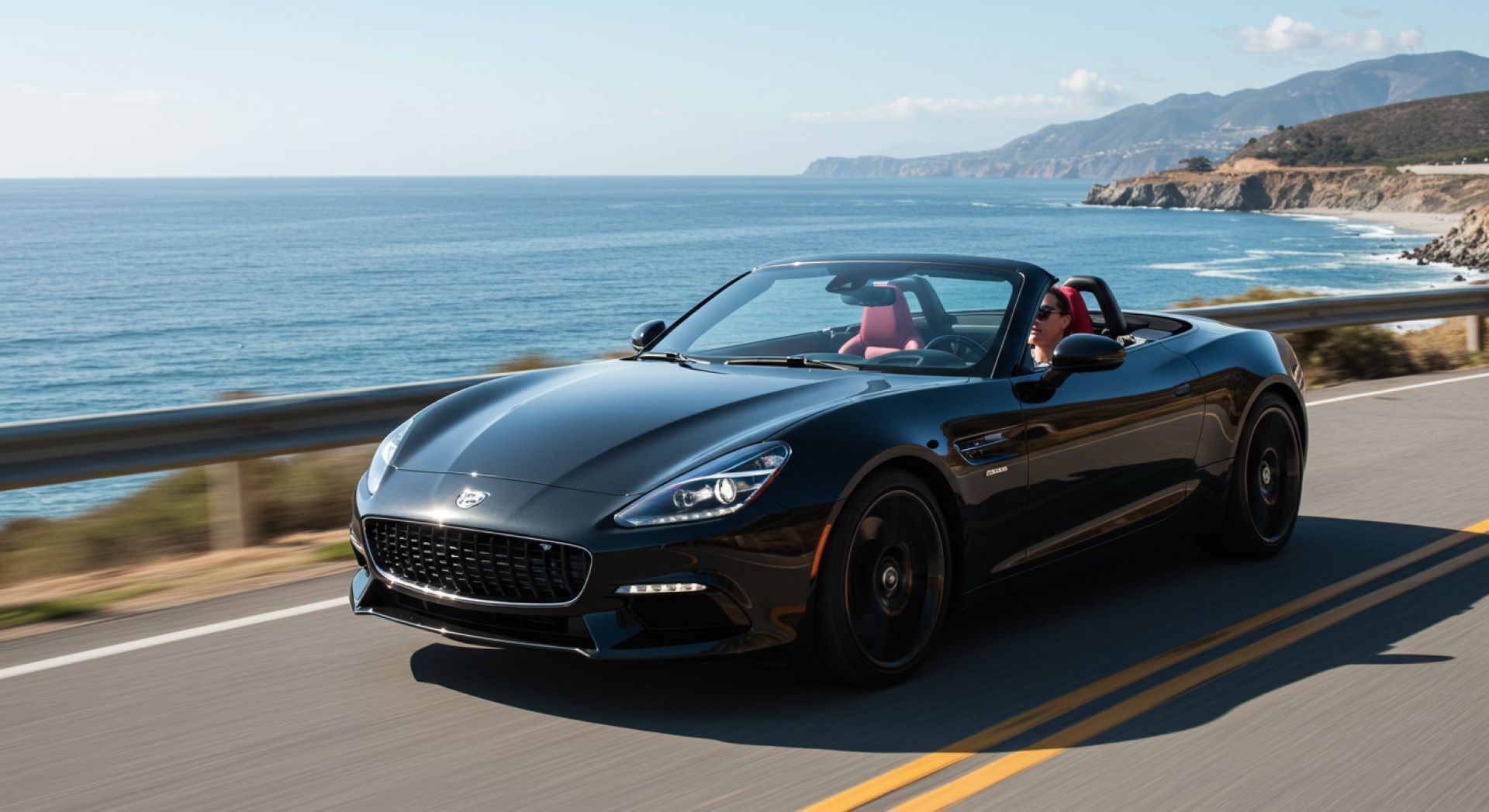
Impact on Consumer Behavior: The Psychological Appeal of Design
Modern consumers are not just purchasing a car; they are investing in an experience. The design of a vehicle plays a critical role in shaping emotional connections, influencing purchasing decisions, and even affecting brand loyalty.
For many consumers, a car is an extension of their personal identity. A sleek, minimalist design may appeal to those who value simplicity, while an eco-friendly design may attract buyers with strong environmental concerns. Technological innovations, such as autonomous driving and connectivity, can make a car feel like a cutting-edge extension of the modern digital lifestyle.
Automakers are also responding to the psychological desires of consumers, offering cars that not only meet functional needs but also evoke certain emotions. Whether it's the thrill of driving a performance car or the comfort and serenity of a well-designed electric vehicle, modern design taps into deep emotional triggers that drive consumer behavior.
Technological Advancements and Design: A Symbiotic Relationship
As technology continues to evolve, it has a profound impact on the way cars are designed. The integration of smart technologies into automotive design is reshaping the industry, with consumers now expecting their vehicles to function as part of a broader technological ecosystem.
Key advancements in automotive technology include electric powertrains, autonomous driving systems, and advanced infotainment solutions. These innovations are not just changing how cars operate but also how they are designed. For instance, the absence of a traditional engine in electric vehicles allows for more flexible interior layouts, while autonomous driving technology frees up space for new features such as lounge-style seating.
The future of automotive design will likely be defined by a deepening integration of AI, machine learning, and IoT (Internet of Things) technologies. As vehicles become more connected and intelligent, the design will evolve to ensure that technology enhances both the user experience and the overall driving environment.
Challenges in Adopting Global Trends
While global design trends present exciting opportunities, automakers also face significant challenges in adopting these trends. For one, cost remains a major obstacle. Sustainable materials and advanced technologies can be expensive, and implementing these features often results in higher manufacturing costs.
Cultural differences also play a role in design decisions. What appeals to consumers in one region may not have the same impact in another. For example, minimalist design is highly valued in Scandinavian countries, but it may not resonate as strongly in markets where a more opulent or feature-rich design is preferred.
Regulatory barriers can also be challenging, particularly when it comes to adopting new technologies or materials. Different countries have varying safety and emissions standards, and ensuring that global design trends comply with these regulations can complicate the design process.
Future Outlook: A Glimpse Into the Future of Automotive Design
The future of automotive design is undoubtedly exciting. As consumer preferences evolve, so too will the trends that shape the vehicles of tomorrow. Electric vehicles will continue to dominate, with more automakers producing eco-friendly models that incorporate innovative technologies and sustainable materials.
In addition to sustainability, we can expect to see further integration of smart technologies, including AI-driven personalization, augmented reality dashboards, and advanced driver-assistance systems. These innovations will not only enhance the driving experience but will also create new ways for automakers to differentiate their models.
As global design trends continue to evolve, the automotive industry will remain at the forefront of innovation, adapting to changing consumer needs and pushing the boundaries of what a vehicle can be.
The Road Ahead for Automotive Design
The automotive industry is in the midst of a transformative design revolution. As automakers tap into global design trends, they are creating vehicles that are more than just modes of transportationÔÇöthey are reflections of modern lifestyles, values, and technological advancements. From minimalist aesthetics to cutting-edge smart features, the future of car design is shaping up to be both exciting and unpredictable.
For automakers, staying ahead of the curve in design is not just a matter of keeping up with trends; itÔÇÖs a matter of anticipating the desires and expectations of tomorrowÔÇÖs consumers. As technology advances and consumer tastes continue to shift, the automotive industry will undoubtedly continue to evolve, ensuring that design remains a central pillar in the success of the worldÔÇÖs leading car manufacturers.
Breyten Odendaal
Specializing in high-performance automotive advertising and digital marketing solutions, delivering cutting-edge insights and the latest news shaping the automotive industry in South Africa.
More From Advertising

Automotive Advertising in 2026: Selling Confidence in a More Competitive Market
As South Africa’s vehicle market becomes more competitive, automotive advertising needs to do more than announce a price or specification. It needs to help buyers understand value, ownership costs and why a vehicle suits their lives.

Automotive Digital Ads in South Africa: A Shift
Exploring how South Africa’s automotive advertising evolved from print and broadcast to data-driven, programmatic digital ecosystems.

The Video Shift in Car Buying Decisions in SA
Explore how video content shapes car purchase decisions in South Africa, comparing short-form and long-form strategies for automotive marketers.