
The electric vehicle (EV) revolution is well underway. With advancements in battery technology, charging infrastructure, and sustainability efforts, the global shift towards electrification is accelerating. However, one persistent concern remains a roadblock for many potential EV buyers: range anxiety.
Range anxiety refers to the fear that an electric vehicle will run out of power before reaching a charging station. This concern, while often based on outdated perceptions, continues to shape consumer hesitancy. Automakers recognize this challenge and are implementing strategic marketing campaigns to reassure consumers and highlight the reliability of EVs.
Marketing plays a crucial role in transforming public perception. Through compelling storytelling, innovative advertising, and real-world demonstrations, automakers are actively shifting the narrative around EV range and charging accessibility. This article explores the different ways automakers are addressing range anxiety through technology, infrastructure, and creative marketing approaches.
Understanding Range Anxiety
Defining the Issue
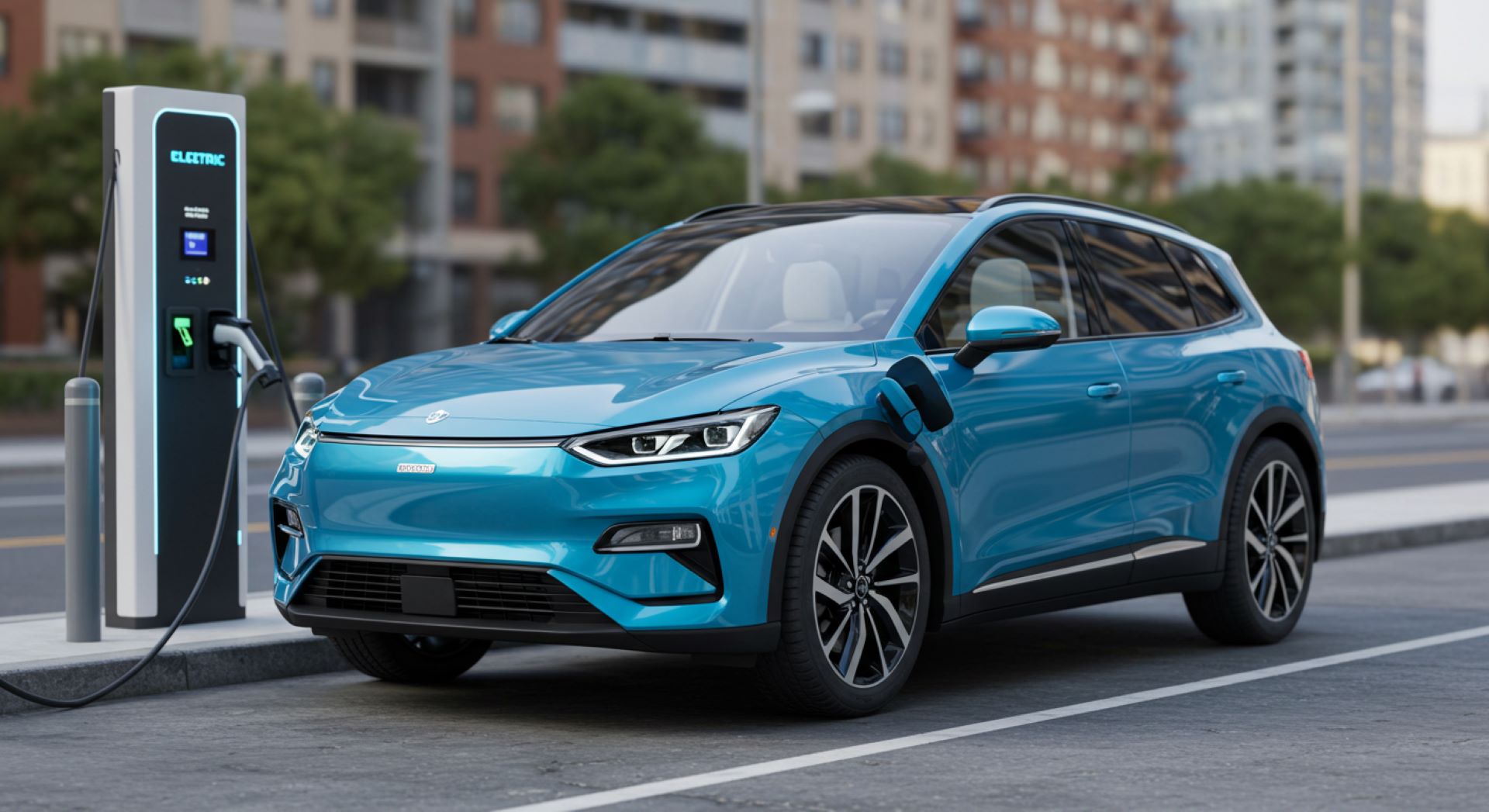
Range anxiety is one of the biggest psychological barriers to EV adoption. Unlike traditional internal combustion engine (ICE) vehicles, which can be refueled quickly at numerous petrol stations, EVs require charging, which can take longer and requires specific infrastructure. Many consumers fear running out of power, especially on long journeys.
Common Misconceptions
Some of the most common misconceptions fueling range anxiety include:
The Reality: Data & Statistics
Recent studies show that range anxiety is more psychological than practical. According to the International Energy Agency (IEA), the average daily driving distance in many countries is well below the capabilities of modern EVs. Furthermore, continuous improvements in charging networks are alleviating concerns about accessibility.
A 2023 survey by McKinsey & Company found that 65% of potential EV buyers cite range anxiety as a major concern, but 80% of current EV owners report their range needs are met without issue. These statistics highlight the importance of marketing in bridging the gap between perception and reality.
Innovations in Battery Technology
Extending Driving Range
Automakers are constantly improving battery efficiency to push the limits of EV range. Modern EVs, such as the Tesla Model S Plaid (with over 390 miles of range) and the Lucid Air Grand Touring (over 500 miles), demonstrate the significant advancements in battery technology.
Leading Automakers in Battery Innovation
Marketing the Range
Automakers leverage battery advancements in their advertising, emphasizing durability and efficiency. TeslaÔÇÖs "Go Anywhere" campaign showcases real-world journeys to reassure potential buyers. Lucid Motors highlights its class-leading range in premium branding efforts, while Ford uses real customer testimonials to emphasize the practicality of the Mustang Mach-E.
Infrastructure Developments
Expansion of Charging Networks
A growing network of public chargers is essential for addressing range anxiety. Governments and automakers alike are investing in infrastructure expansion to make charging as convenient as refueling a traditional car.
Key Developments:
Marketing Charging Convenience
Automakers are integrating charging solutions into their marketing efforts, showcasing interactive maps, app-based tools, and partnerships. For instance, Mercedes-Benz highlights Plug & Charge technology in its campaigns, while Hyundai uses digital content to educate consumers on its fast-charging network.
Creative Marketing Strategies
Changing the Narrative
To shift perceptions, automakers employ innovative marketing techniques:
Notable Campaigns
Educating Consumers: Workshops and Test Drives
Hands-on Experience
Consumer education is a powerful tool. Automakers host:
Examples
Case Studies and Success Stories
Tesla: Redefining EV Perceptions
TeslaÔÇÖs success is largely attributed to its ability to market range confidence. By continuously expanding its Supercharger network and emphasizing over-the-air software updates that improve efficiency, Tesla reassures buyers.
Hyundai: Tackling Range Anxiety Head-On
HyundaiÔÇÖs IONIQ 5 campaign directly addresses range concerns, using real-life testimonials from owners who have switched from petrol to electric.
GM: Showcasing the Ultium Advantage
GM's marketing for its Ultium battery platform highlights modularity and efficiency, reassuring consumers about EV longevity and range.
Overcoming range anxiety is critical to the widespread adoption of EVs. Through advancements in battery technology, charging infrastructure, and strategic marketing, automakers are successfully addressing consumer concerns. As marketing continues to evolve, real-world demonstrations, influencer engagement, and immersive experiences will further reshape public perception. With ongoing innovation and consumer education, EVs are well on their way to becoming the mainstream choice for drivers worldwide.
Breyten Odendaal
Specializing in high-performance automotive advertising and digital marketing solutions, delivering cutting-edge insights and the latest news shaping the automotive industry in South Africa.
More From Advertising

Automotive Advertising in 2026: Selling Confidence in a More Competitive Market
As South Africa’s vehicle market becomes more competitive, automotive advertising needs to do more than announce a price or specification. It needs to help buyers understand value, ownership costs and why a vehicle suits their lives.

Automotive Digital Ads in South Africa: A Shift
Exploring how South Africa’s automotive advertising evolved from print and broadcast to data-driven, programmatic digital ecosystems.

The Video Shift in Car Buying Decisions in SA
Explore how video content shapes car purchase decisions in South Africa, comparing short-form and long-form strategies for automotive marketers.