
In todayÔÇÖs society, pets have become more than just companions; they are integral members of the family. A growing trend of pet ownership, particularly in markets like the United States and Europe, is influencing a wide range of industries, and the automotive sector is no exception. As pet owners increasingly demand vehicles that cater to their furry friends, automakers are recognizing the need to integrate pet-friendly features into their designs. This shift represents a substantial market opportunity for brands looking to attract loyal customers who want to ensure their pets' comfort and safety on the road.
The pet marketÔÇÖs value continues to rise, and it is not just limited to pet food and supplies; it extends to vehicles as well. A car that is designed with pets in mind not only provides convenience for pet owners but also enhances the overall driving experience. Features like built-in pet restraints, spacious cargo areas, and easy-to-clean interiors are becoming essential selling points for many consumers. As a result, automakers are working diligently to cater to this demand.
This article delves into the pet-friendly features that automakers are implementing to appeal to this growing demographic. We will examine market trends, explore specific features currently being integrated, highlight case studies of automakers that have successfully tapped into the pet-friendly market, and look at future innovations that may shape the way we think about traveling with pets in vehicles.
Market Analysis
The market for pet-friendly vehicles has grown significantly over the past decade. According to the American Pet Products Association, 67% of U.S. households, or about 85 million families, own a pet. This statistic alone highlights the massive potential for automakers to cater to this demographic. A survey conducted by AAA and Kurgo found that nearly 60% of pet owners take their pets on road trips, and 17% travel with their pets every week. These figures underline the importance of vehicle features that accommodate pets, signaling a clear demand for pet-friendly options.
In recent years, automakers have conducted their own research to better understand consumer needs in this area. For example, FordÔÇÖs collaboration with pet product brands to design the Ford Ranger Pet Package was based on insights from surveys that indicated 73% of pet owners considered their pets' needs when purchasing a vehicle. This awareness is further reflected in the rise of vehicles with pet-specific features and the development of vehicle models designed with these consumers in mind.
Beyond simple functionality, pet owners are increasingly looking for vehicles that offer peace of mind, safety, and convenience. A report by J.D. Power highlights that 70% of pet owners consider safety features like pet seatbelts and harnesses essential when buying a vehicle. Comfort features such as air conditioning vents in the back seat, sunshades, and ample cargo space are also top priorities. With these demands in mind, automakers are actively designing cars that address both the pet and owner experience.
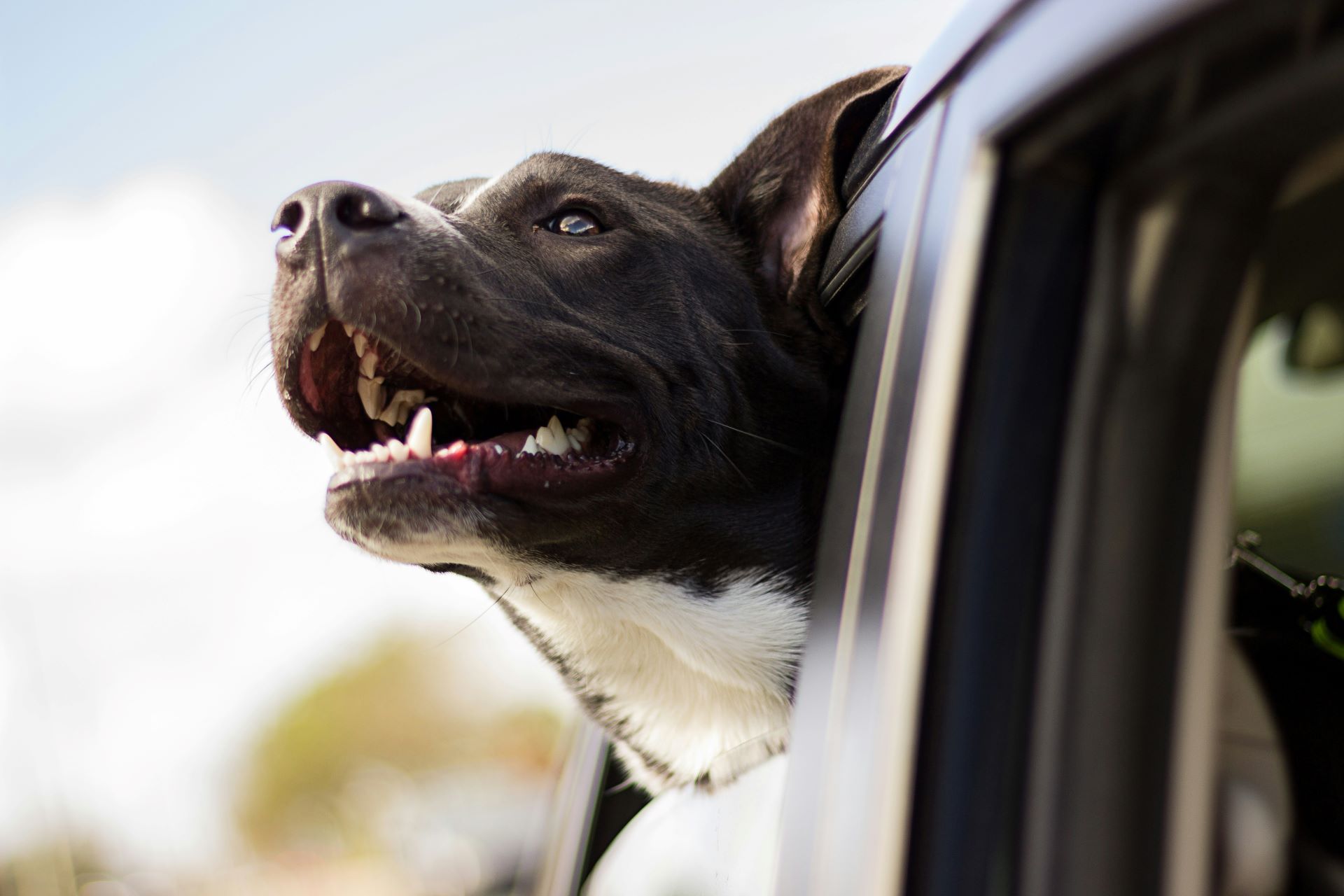
Pet-Friendly Features
Automakers have introduced a variety of pet-friendly features, many of which can be categorized into three key areas: safety, comfort, and convenience. These features are designed not only to ensure that pets have a smooth and secure ride but also to make life easier for pet owners.
Safety Features
Safety is one of the top concerns for pet owners when traveling with their animals. As a result, automakers are focusing on integrating advanced safety features specifically designed for pets. One of the most common features is the pet seatbelt or harness system, which helps to prevent pets from moving around in the car and protects them in case of an accident. Many manufacturers, such as Volvo and Subaru, offer pet-friendly seatbelt attachments that can be integrated into existing harnesses.
Another safety feature is the pet crate or carrier system, which offers a secure, enclosed space for pets during travel. Some automakers, like Honda with its Dog-Friendly Honda Element, have integrated custom dog crates that fit seamlessly into the vehicleÔÇÖs cargo area, providing a stable and safe environment for pets.
Comfort Features
Pet comfort is another crucial consideration. Many automakers now offer vehicles with features such as pet-friendly air conditioning, heated seats, and sunshades to ensure that pets are kept at the ideal temperature during trips. The Ford F-150, for example, includes rear-seat air vents that can be adjusted to keep pets comfortable in the back seat.
Additionally, pet-friendly materials are being used more frequently in car interiors. Stain-resistant fabrics, waterproof materials, and easy-to-clean upholstery are all increasingly standard features in vehicles designed with pets in mind. These features make it easier to keep the car clean after a trip to the dog park or a muddy hiking adventure.
Convenience Features
Convenience features, such as foldable rear seats, low entry points, and wide-opening doors, make it easier for pets to enter and exit vehicles. Automakers like Subaru and Nissan have incorporated low floor heights in their SUVs and crossovers, making it easier for pets to jump in and out. Some vehicles also include dog-specific accessories, like collapsible water bowls, pet seat covers, and storage compartments for pet food and toys.
Case Studies of Automakers
Several automakers have successfully marketed vehicles designed with pets in mind, positioning themselves as the go-to brands for pet owners. These companies have not only integrated practical features into their models but also developed marketing strategies to engage with pet-loving consumers.
Subaru
Subaru has long been a leader in the pet-friendly vehicle market. The brandÔÇÖs Subaru Outback and Subaru Forester models are particularly popular among pet owners, thanks to their spacious interiors, low cabin heights, and cargo area that can easily accommodate pet crates. Subaru has even partnered with animal shelters in various campaigns, including its ÔÇ£Share the LoveÔÇØ event, where a portion of proceeds goes to animal charities. SubaruÔÇÖs marketing efforts focus heavily on its commitment to pet-friendly features, making it a trusted choice among pet owners.
Volvo
VolvoÔÇÖs reputation for safety extends to its pet-friendly features as well. The Swedish automakerÔÇÖs XC60 and V90 Cross Country models are popular choices for pet owners due to their spacious and adaptable cargo areas. Volvo has gone one step further by developing a range of accessories, including pet seat belts, pet barriers, and travel mats designed to keep pets secure and comfortable on the road. The brandÔÇÖs focus on both safety and comfort for pets has cemented its status as a top choice for responsible pet owners.
Ford
Ford has capitalized on the pet-friendly market with its innovative Ford Ranger Pet Package. This package includes features like a built-in dog crate, a pet ramp, and a portable water bowl, all designed for easy use by pet owners. The company has also partnered with the pet care brand Kurgo to offer specialized accessories for pet owners, further solidifying its commitment to meeting the needs of pet lovers.
Honda
Honda has made significant strides in designing pet-friendly vehicles with the Honda Element and its dedicated dog-friendly features. The ElementÔÇÖs rear seats fold flat to create an open space for pets, and it offers a non-slip flooring option to make it easier for pets to move around. HondaÔÇÖs focus on the dog-friendly market has helped it stand out among automakers catering to pet owners.
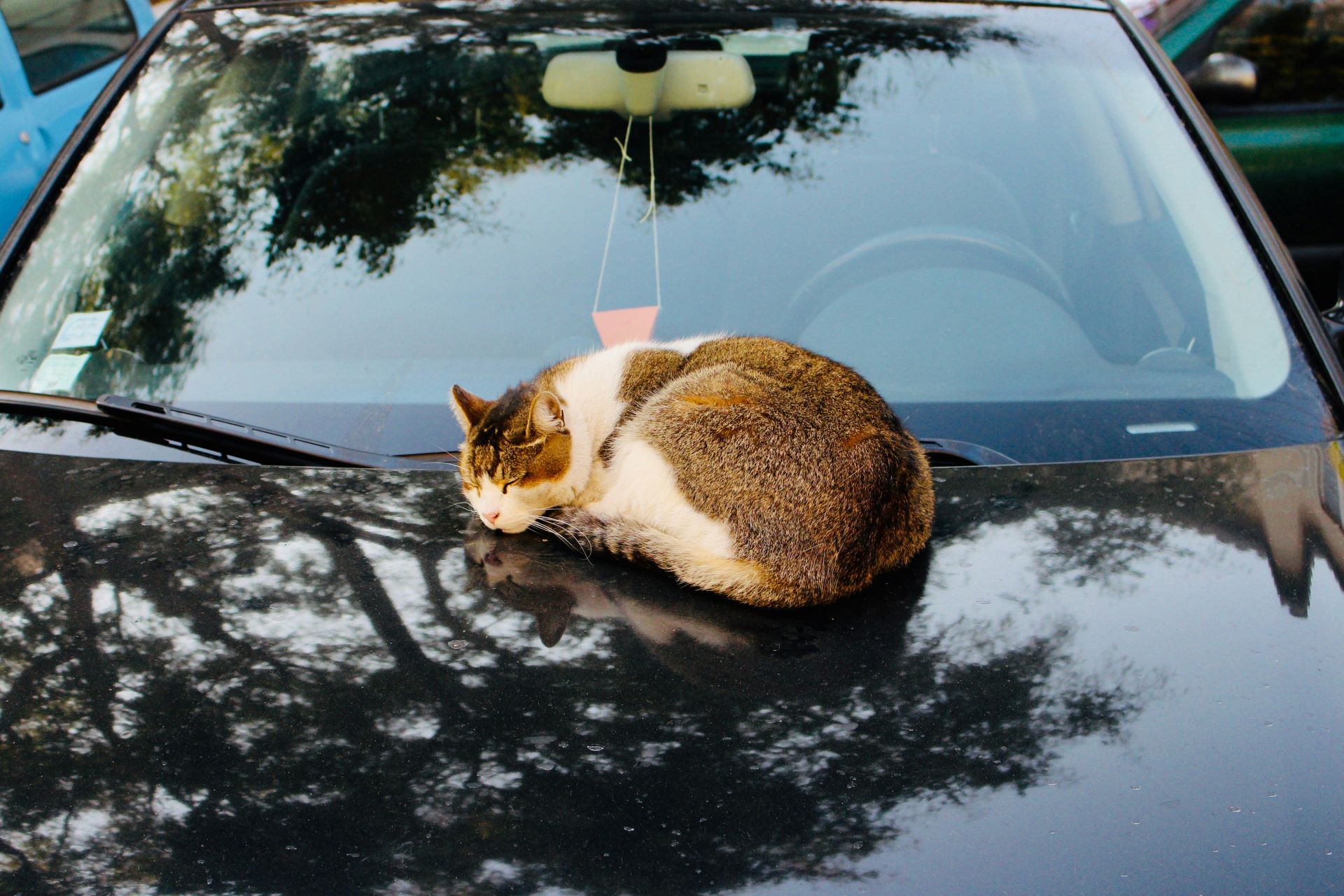
Consumer Perspectives
Consumers who own pets have increasingly become vocal advocates for vehicles that cater to their petsÔÇÖ needs. Many pet owners say they consider their pets when making a vehicle purchase, with some even stating that they would choose a vehicle based on its pet-friendly features alone. Pet owners appreciate when automakers offer features that prioritize the safety and comfort of their animals, such as pet restraints, adjustable air conditioning, and easy-to-clean interiors.
However, some consumers have pointed out areas for improvement. For example, while pet seatbelts and harnesses are helpful, some owners feel that they could be more advanced or tailored to different types of pets, including larger dogs. Others have requested more versatile storage compartments for pet accessories and more customizable pet-friendly features that can be adapted based on the petÔÇÖs size and behavior.
Innovations and the Future
Looking toward the future, automakers are continuously exploring new technologies and innovations that could further enhance pet-friendliness in vehicles. Autonomous vehicles, for example, may offer entirely new possibilities for pet travel, with cars designed to provide pets with even more space and comfort. Some companies are also working on AI-driven climate control systems that can automatically adjust the temperature based on the number of pets in the vehicle or their specific preferences.
Additionally, there are prototypes and concept cars that feature built-in pet grooming stations, pet entertainment systems, and even pet-friendly tracking devices that connect to a smartphone. As pet ownership continues to rise, itÔÇÖs likely that these innovations will become more common in the next 5-10 years, allowing pet owners to enjoy seamless travel experiences with their animals.
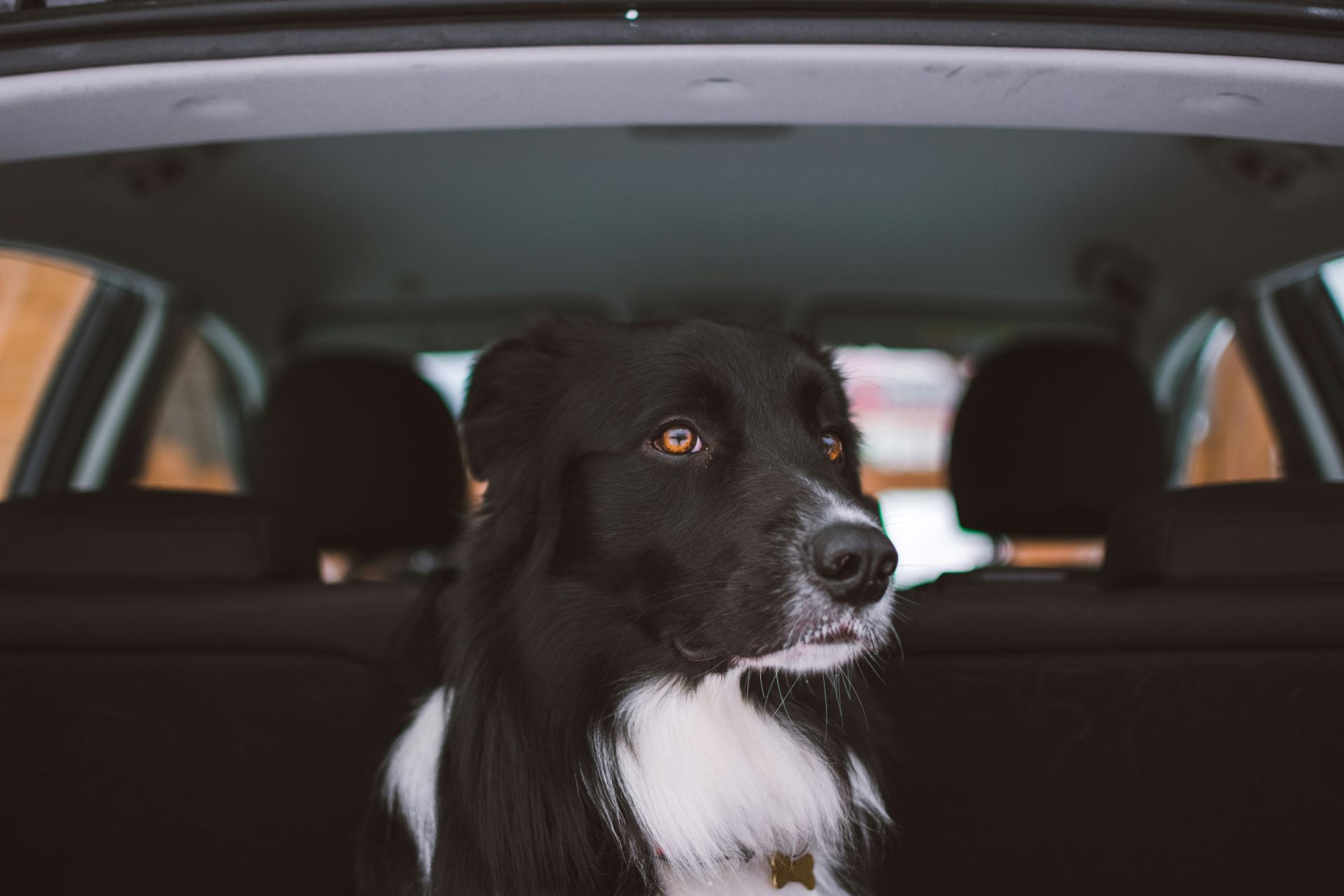
As pet ownership continues to grow, the automotive industry is responding with a variety of pet-friendly features designed to ensure the safety, comfort, and convenience of both pets and their owners. From safety restraints and climate control systems to innovative storage options and specialized accessories, automakers are increasingly recognizing the importance of catering to this market. As consumers demand more pet-friendly features, automakers will continue to innovate, shaping the future of travel for pet owners and their furry companions. For automotive enthusiasts, these advancements represent a new way of experiencing cars that is not just about drivingÔÇöbut also about making the journey enjoyable for the whole family, pets included.
Breyten Odendaal
Specializing in high-performance automotive advertising and digital marketing solutions, delivering cutting-edge insights and the latest news shaping the automotive industry in South Africa.
More From Advertising

Automotive Advertising in 2026: Selling Confidence in a More Competitive Market
As South Africa’s vehicle market becomes more competitive, automotive advertising needs to do more than announce a price or specification. It needs to help buyers understand value, ownership costs and why a vehicle suits their lives.

Automotive Digital Ads in South Africa: A Shift
Exploring how South Africa’s automotive advertising evolved from print and broadcast to data-driven, programmatic digital ecosystems.

The Video Shift in Car Buying Decisions in SA
Explore how video content shapes car purchase decisions in South Africa, comparing short-form and long-form strategies for automotive marketers.