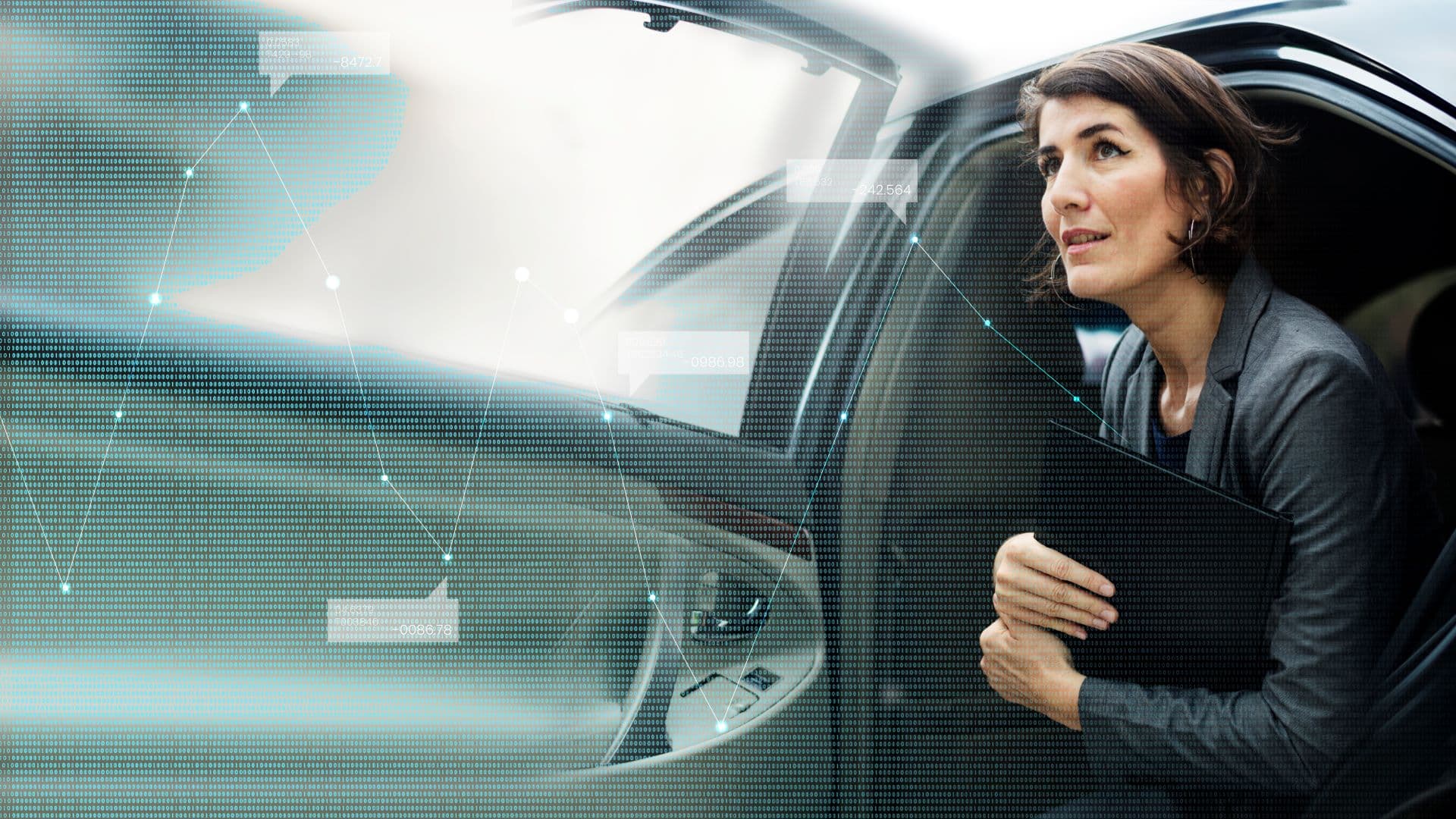
The automotive industry has always been at the forefront of innovationÔÇöfrom the first assembly lines to the latest electric vehicles. But in the last decade, a quieter revolution has taken hold, reshaping not the cars themselves, but the way they are marketed. Artificial Intelligence, once a futuristic concept in marketing, is now an indispensable tool for automotive brands, transforming the art of advertising into a science of precision.
The Rise of AI in Automotive Marketing
Traditional car advertising relied heavily on broad demographics and one-size-fits-all messaging. Television spots, print ads, and billboards reached a mass audience, hoping to capture the interest of potential buyers. While these campaigns were effective in brand building, they often lacked personalization, leaving valuable sales opportunities untapped.
Enter AI. Advanced algorithms now analyze mountains of consumer data, identifying patterns that human marketers could never detect. From browsing behavior on automotive websites to engagement with social media posts, AI tools can predict what individual consumers want before they even articulate it. This predictive capability allows marketers to create personalized experiences at scaleÔÇöa concept once thought impossible.
Personalization at Scale: Beyond Demographics
In automotive marketing, personalization is no longer just about age, gender, or location. AI-driven platforms can segment audiences based on interests, online behavior, and even their stage in the car-buying journey. For instance, a family researching SUVs might see ads highlighting safety and cargo space, while a sports car enthusiast encounters content emphasizing performance and design.
This hyper-targeted approach not only increases engagement but also improves conversion rates. Potential buyers are no longer bombarded with irrelevant messages; instead, they receive content that resonates with their specific needs and desires, creating a sense of connection with the brand.
Optimizing Campaigns in Real Time
AI doesnÔÇÖt just personalizeÔÇöit optimizes. Machine learning models continuously analyze the performance of ad campaigns, making adjustments in real time. If a particular video ad is resonating with a subset of consumers, AI can automatically allocate more budget to that channel. Conversely, underperforming campaigns are scaled back or reworked without manual intervention.
For automotive brands, where high-ticket purchases demand precise timing and messaging, this agility is invaluable. Marketers can test multiple creative variations simultaneously, identifying which combination of visuals, copy, and placement drives the most leads. The result is a more efficient use of advertising spend and better ROI.
AI-Powered Creative: Designing the Future
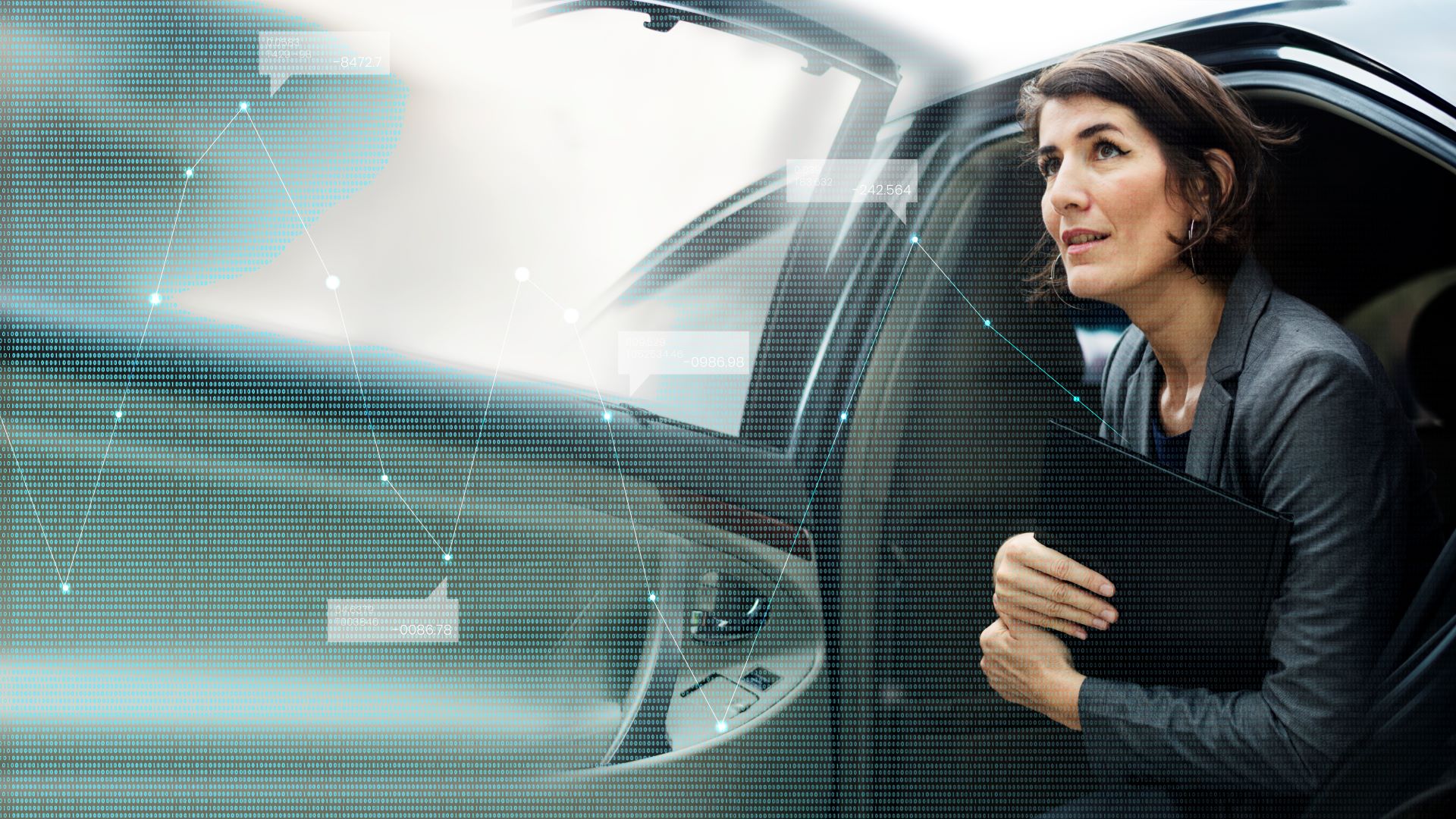
Beyond optimization, AI is also influencing creative development. Generative AI tools can create dynamic ad content tailored to individual viewers, generating everything from personalized email copy to customized video ads. For example, an AI system can produce a video showing a userÔÇÖs preferred car model in their favorite color, driving through a simulated city based on their location.
Such innovations blur the line between marketing and user experience. Automotive brands are no longer just selling carsÔÇötheyÔÇÖre selling a vision, a lifestyle, and a personalized story for each consumer.
Harnessing Predictive Analytics
One of AIÔÇÖs most transformative applications is predictive analytics. By examining historical data and current trends, AI can forecast demand for specific models, anticipate shifts in consumer preferences, and even identify emerging market segments. Brands can then tailor campaigns proactively, rather than reactively, staying one step ahead of competitors.
For instance, if data suggests rising interest in electric vehicles among urban commuters, marketers can prioritize EV-focused content for that demographic. Predictive insights allow automotive brands to allocate resources strategically, ensuring their messaging hits the right audience at the right time.
The Ethical Dimension
As AI becomes more integrated into automotive advertising, brands must navigate ethical considerations. Personalized ads rely on vast amounts of consumer data, raising questions about privacy and consent. Transparency and responsible data handling are essential to maintain consumer trust. Forward-thinking automotive brands are establishing clear guidelines, ensuring AI enhances customer experience without overstepping boundaries.
Challenges and Limitations
While AI offers unprecedented capabilities, it is not without limitations. Algorithms can only work with the data provided, and biases in datasets can lead to skewed targeting. Furthermore, human creativity remains essentialÔÇöAI excels at optimization and personalization but cannot replace the nuanced storytelling that builds emotional connections with a brand.
Successful automotive marketing leverages AI as a tool, not a replacement. By combining analytical power with human insight, brands can create campaigns that are both precise and deeply engaging.
Looking Ahead: AI and Automotive Innovation
The future of automotive advertising is inseparable from AI. From augmented reality test drives to voice-activated digital assistants delivering personalized car recommendations, the possibilities are endless. AI is enabling marketers to understand consumers on an unprecedented level, turning data into meaningful, actionable insights.
Automotive brands that embrace AI today are not just optimizing campaignsÔÇöthey are reimagining the way people interact with cars, transforming marketing into a seamless, personalized journey. In this new era, the most successful brands will be those that combine technology with creativity, precision with storytelling, and innovation with empathy.
AI is not just changing automotive adsÔÇöit is redefining them, making every interaction smarter, every message more relevant, and every brand experience more human.
Breyten Odendaal
Specializing in high-performance automotive advertising and digital marketing solutions, delivering cutting-edge insights and the latest news shaping the automotive industry in South Africa.
More From Advertising

Automotive Advertising in 2026: Selling Confidence in a More Competitive Market
As South Africa’s vehicle market becomes more competitive, automotive advertising needs to do more than announce a price or specification. It needs to help buyers understand value, ownership costs and why a vehicle suits their lives.

Automotive Digital Ads in South Africa: A Shift
Exploring how South Africa’s automotive advertising evolved from print and broadcast to data-driven, programmatic digital ecosystems.

The Video Shift in Car Buying Decisions in SA
Explore how video content shapes car purchase decisions in South Africa, comparing short-form and long-form strategies for automotive marketers.