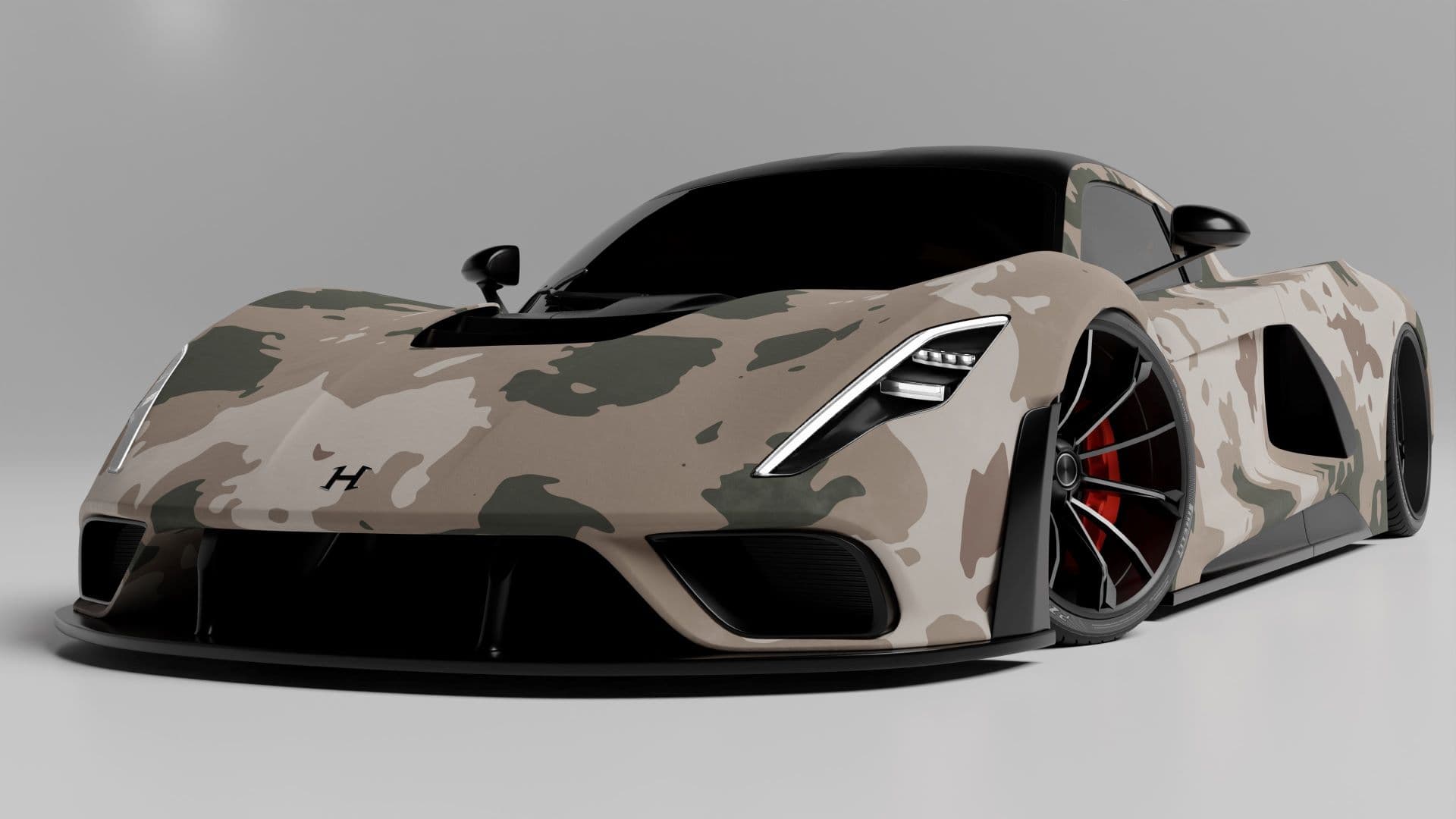
The roar of an engine, the gleam of polished metal, and a futuristic landscape all blending seamlessly into an awe-inspiring visual journey. ItÔÇÖs hard to deny that todayÔÇÖs car advertisements are nothing like what we once knew. Cars defy gravity, speed through fantastical worlds, and become stars of cinematic masterpieces in ways we could never have imagined just a decade ago. These striking visuals are the result of an evolution in how we market vehicles to consumersÔÇöan evolution driven by 3D animation and visual effects (VFX).
In this article, weÔÇÖll dive deep into the intersection of technology and automotive advertising, exploring how the transformative powers of 3D animation and VFX are redefining how cars are presented to an audience. From digital landscapes that break the laws of physics to storytelling that tugs at the heartstrings, these technologies are shaping the future of car ads in profound ways.

The Evolution of Car Advertisements
Automotive advertising has always been at the forefront of creativity. From the black-and-white days of film to the explosion of color and sound in the '60s, car commercials have evolved with the times. In the early years, automakers relied heavily on traditional filming techniques: close-ups of gleaming chrome, sweeping road shots, and catchy jingles. These methods worked well for decades, but as consumer expectations grew, so did the need for innovation.
In the late '90s and early 2000s, the advent of computer-generated imagery (CGI) began changing the game. Suddenly, car ads could show vehicles performing impossible featsÔÇödancing through cityscapes, soaring above mountains, or speeding through futuristic terrains. As CGI technology advanced, so too did the potential for visual storytelling, allowing automotive brands to push boundaries like never before.
But it wasnÔÇÖt just about flashier visuals. 3D animation and VFX allowed advertisers to present their products in entirely new waysÔÇöshowing intricate details of vehicle design, providing enhanced environments, and creating a connection with the viewer through storytelling and emotion. The shift from traditional methods to these digital techniques marked a dramatic leap forward in how brands engage with their audiences.
Technical Overview of 3D Animation and Visual Effects
At the core of these modern car ads is 3D animation and visual effects. But what exactly are they, and how do they work?
3D animation is a process where digital objects are created and manipulated in a three-dimensional space. This can include everything from the car itself to the environments it moves through. Visual effects (VFX), on the other hand, refer to the enhancements made to live-action footage or entirely computer-generated sequences to create visually stunning scenes.
These technologies rely heavily on powerful software such as Autodesk Maya, Blender, and Cinema 4D. Motion capture, used to track the movement of real-world objects or people, helps make these animations feel more authentic. For instance, capturing the motion of a real car on a specially designed track can help animators accurately replicate the carÔÇÖs movement in digital environments.
In recent years, the introduction of real-time rendering toolsÔÇösuch as Unreal EngineÔÇöhas revolutionized the speed and realism of VFX in car ads. These advancements allow animators to create life-like animations and simulate realistic lighting, shadows, and textures that mirror the world we live in.
Innovative technologies such as ray tracing, which simulates light behavior to create hyper-realistic reflections, are helping car ads look almost indistinguishable from real life. This is a game-changer, especially when showcasing high-end vehicles with intricate details. It's no longer just about showing a car; it's about creating a narrative that immerses the viewer in a virtual world of awe and excitement.
Case Studies of Innovative Car Ads
- Audi ÔÇô ÔÇ£The ForceÔÇØ
One of the most iconic ads in recent memory, AudiÔÇÖs 2011 ÔÇ£The ForceÔÇØ commercial used a combination of CGI and practical effects to bring a tiny Darth Vader to life. The ad showcased the Audi A3 and its innovative features, with the young boy attempting to use ÔÇ£The ForceÔÇØ to start the car. The brilliant use of VFX to create the car's reaction to the boyÔÇÖs actions perfectly captured the car's advanced technology, while also providing a humorous and heartwarming narrative.
What made this ad so successful was its blend of nostalgia, humor, and futuristic tech. The VFX wasnÔÇÖt just there for spectacleÔÇöit enhanced the message. The use of a beloved pop culture character alongside advanced technology painted Audi as a brand on the cutting edge, able to appeal to both the tech-savvy and the emotional side of the viewer.
- Mercedes-Benz ÔÇô ÔÇ£The Invisible CarÔÇØ
Mercedes-Benz took VFX to a new level in their 2017 ad, showcasing their magic vision technology. The ad featured a Mercedes-Benz GLC SUV with the ability to make itself invisible through the use of adaptive camouflaging technology. Using seamless VFX, the ad visually displayed the car disappearing into its surroundings, symbolizing innovation and design excellence.
The ad wasnÔÇÖt just visually stunning; it tapped into a key idea of technological advancement while maintaining a sense of realism. The blending of futuristic tech with the luxury car brand's heritage created an emotional and visual experience that left a lasting impression.
- BMW ÔÇô ÔÇ£The 4 SeriesÔÇØ
On the other hand, BMWÔÇÖs 2021 ÔÇ£The 4 SeriesÔÇØ ad, which featured a dazzling use of CGI and VFX, received mixed reviews. The commercial was visually striking, with the car speeding through vibrant cityscapes and picturesque landscapes, but it lacked the same emotional connection that ads like AudiÔÇÖs ÔÇ£The ForceÔÇØ had. While the visuals were captivating, some viewers felt that the ad's overuse of flashy effects distracted from the essence of the car itself.
What set BMWÔÇÖs ad apart was its reliance on spectacleÔÇöwhile visually impressive, the ad didnÔÇÖt strike the right balance between creativity and substance, leaving some feeling the ad was more about the technology than the car.
The Benefits of Using 3D Animation and VFX in Car Ads
ThereÔÇÖs no denying that 3D animation and VFX offer unique advantages in car advertising.
Creative Freedom: One of the greatest benefits of using VFX is the ability to bend the laws of reality. A car can drive through fantastical landscapes, take flight, or even transform into a futuristic machine. This level of creative freedom is invaluable when aiming to capture the viewerÔÇÖs attention.
Cost and Time Efficiency: While the initial investment in VFX may be high, the overall cost and time savings are substantial. Gone are the days of expensive on-location shoots in remote areas. Instead, advertisers can create entire worlds in a digital space, ensuring that even the most complex scenes are captured without ever leaving the studio.
Enhanced Storytelling: VFX allows brands to tell more compelling stories. Whether it's showcasing a carÔÇÖs performance in action or exploring a brand's heritage, the ability to craft a narrative that resonates emotionally with viewers is heightened when coupled with dynamic visuals.
Challenges and Limitations
While the potential of 3D animation and VFX is undeniable, itÔÇÖs not without its drawbacks.
Risk of Overuse: In some instances, the reliance on dazzling effects can overshadow the product itself. If the VFX becomes too dominant, it can lead to a sense of detachment from the car being advertised. The trick lies in maintaining a balance where the effects complement, not overpower, the product.
Realism vs. Fantasy: One challenge in car advertising is ensuring the animations stay realistic. As technology improves, so too does the expectation for hyper-realistic animations. However, as VFX technology advances, itÔÇÖs crucial that animators remain conscious of keeping the visuals grounded in reality to prevent the effects from feeling artificial.
Future Trends and Innovations
As technology continues to evolve, we can expect even more breathtaking advancements in car advertising. Virtual and augmented reality (VR/AR) are on the horizon, allowing viewers to experience car ads in an immersive, interactive way. Imagine being able to test-drive a car in a virtual environment from the comfort of your own home.
The future of car ads lies in creating experiences that blur the lines between the physical and digital worlds. As real-time rendering and machine learning continue to develop, we may see ads that adapt and evolve in real-time based on viewer preferences and interactions.
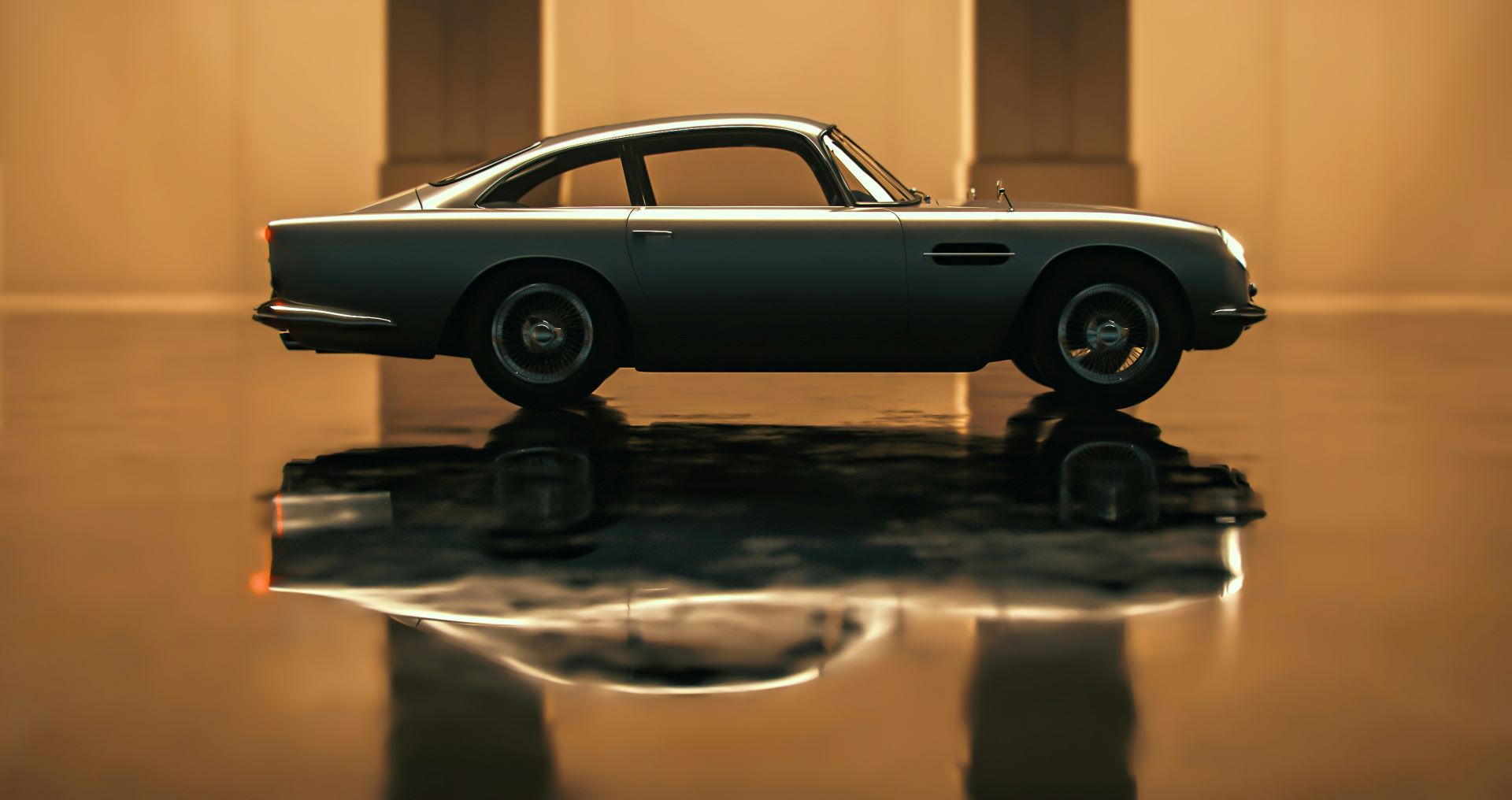
In the world of car advertising, 3D animation and visual effects are more than just toolsÔÇöthey are integral to the creation of immersive, emotional, and groundbreaking experiences. These techniques have allowed brands to break free from the constraints of traditional filmmaking and engage audiences in ways that were once only imaginable in science fiction. The next time you watch a car ad, take a moment to appreciate the artistry and technology that bring these stunning visuals to life. The future of car ads is not just on the roadÔÇöitÔÇÖs in the digital space, where the impossible becomes reality.
Call to Action
Curious about how 3D animation and VFX continue to shape the future of automotive advertising? Dive deeper into the world of creative car ads by visiting websites such as CarBuzz and MotorTrend, where you can explore the latest trends and innovations in the automotive marketing space.
Breyten Odendaal
Specializing in high-performance automotive advertising and digital marketing solutions, delivering cutting-edge insights and the latest news shaping the automotive industry in South Africa.
More From Advertising

Automotive Advertising in 2026: Selling Confidence in a More Competitive Market
As South Africa’s vehicle market becomes more competitive, automotive advertising needs to do more than announce a price or specification. It needs to help buyers understand value, ownership costs and why a vehicle suits their lives.

Automotive Digital Ads in South Africa: A Shift
Exploring how South Africa’s automotive advertising evolved from print and broadcast to data-driven, programmatic digital ecosystems.

The Video Shift in Car Buying Decisions in SA
Explore how video content shapes car purchase decisions in South Africa, comparing short-form and long-form strategies for automotive marketers.