
Safety has always been at the forefront of automotive innovation, evolving from basic mechanical components to cutting-edge technological marvels that save countless lives every year. In todayÔÇÖs world, where road safety statistics remain a pressing concern, advancements in vehicle safety play a pivotal role in reducing accidents and fatalities. Automakers have embraced this responsibility, not only through engineering but also in how they communicate these advancements to the public.
The evolution of safety featuresÔÇöfrom rudimentary seat belts to complex driver-assistance systemsÔÇötells a compelling story of progress. While early efforts focused on mitigating injury during accidents, modern safety technologies aim to prevent crashes altogether. This dual approach reflects a shift in priorities and has profoundly influenced automotive advertising. By showcasing these innovations, brands not only build trust but also position themselves as champions of public safety. This article delves into the journey of automotive safety, examines how these advancements are presented in advertising, and evaluates their impact on consumer preferences and perceptions.
The Evolution of Automotive Safety Features
The history of automotive safety is a testament to human ingenuity and perseverance. In the early 20th century, vehicles were basic machines with little regard for occupant protection. The introduction of seat belts in the 1950s marked a revolutionary step, emphasizing the need for restraint systems. Over the decades, significant milestones have followed, including:
Regulatory bodies such as the National Highway Traffic Safety Administration (NHTSA) and Euro NCAP have driven these advancements by establishing safety standards and conducting rigorous crash testing. Their efforts have made safety an industry benchmark and a key selling point for manufacturers.
Current Safety Innovations
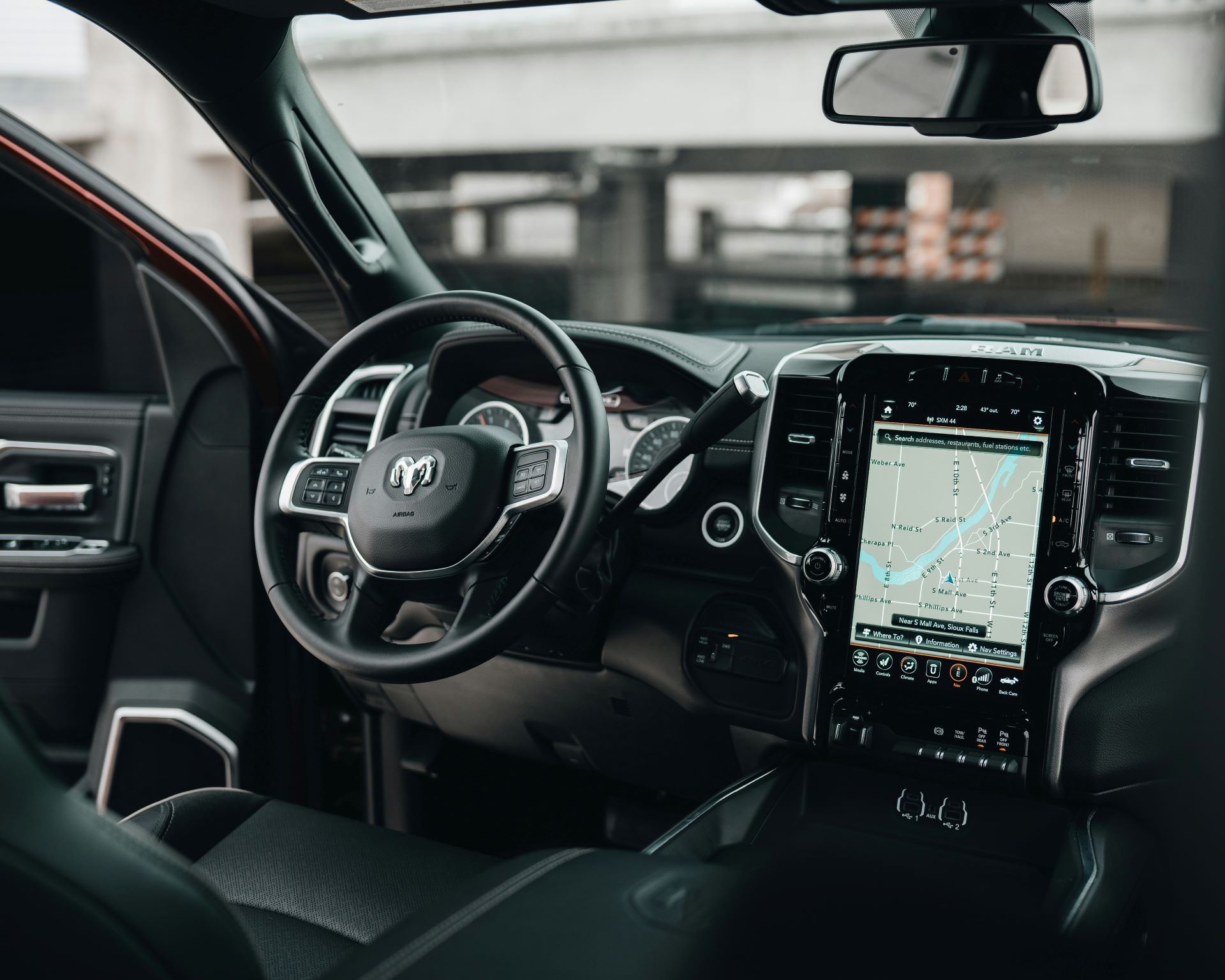
The 21st century has ushered in an era of intelligent vehicles equipped with advanced safety technologies. Features like lane-keeping assist, adaptive cruise control, and automated emergency braking have become commonplace. These systems rely on sophisticated sensors, cameras, and artificial intelligence to detect and respond to potential hazards in real time.
Emerging technologies promise even greater strides:
These innovations not only enhance safety but also redefine what consumers expect from their vehicles, placing increased pressure on automakers to stay ahead of the curve.
Impact of Safety Features on Consumer Preferences
Safety has become a cornerstone of consumer decision-making in the automotive market. According to surveys, over 70% of buyers rank safety as a top priority when purchasing a vehicle. Features like automated emergency braking and blind-spot detection are no longer optional luxuries but essential components of a modern car.
The psychological impact of safety cannot be overstated. Knowing that a vehicle is equipped with state-of-the-art safety systems provides peace of mind, fostering trust between the brand and its customers. This trust translates into loyalty and advocacy, further influencing market dynamics.
Safety in Automotive Advertising
Automotive brands have skillfully leveraged advertising to highlight their safety innovations. By blending factual information with emotional appeal, these campaigns resonate deeply with audiences. Volvo, for instance, has built its entire brand identity around safety, consistently emphasizing its pioneering contributions, such as the three-point seat belt.
Creative approachesÔÇölike dramatized crash tests or real-life testimonialsÔÇöadd authenticity and urgency to safety messaging. These strategies not only educate but also inspire confidence, shaping public perception and driving sales.
The Role of Digital Media and Social Networking
Digital platforms have revolutionized automotive advertising, offering new ways to showcase safety features. Interactive ads, virtual test drives, and augmented reality experiences allow consumers to engage with safety technologies firsthand. Social media amplifies this reach, enabling brands to share user-generated content and testimonials, which add credibility.
Online reviews and influencer endorsements further shape public opinion, making digital media an indispensable tool in promoting automotive safety.
Challenges and Ethical Considerations
Marketing safety comes with its own set of challenges. Automakers must balance innovation with affordability, ensuring that safety remains accessible to all. Ethical considerations also play a critical role, as misleading claims or overpromising capabilities can erode consumer trust.
Transparency and honesty are paramount. Brands must communicate the limitations of safety features, fostering informed decision-making among consumers.

The integration of safety innovations into automotive design and advertising has transformed the industry, saving countless lives and redefining consumer expectations. By effectively communicating these advancements, automakers not only enhance public awareness but also build lasting trust with their audience.
As we look to the future, the continued evolution of safety technologies and their portrayal in advertising will remain critical. With the advent of autonomous vehicles and AI-driven safety systems, the narrative will shift towards a safer, smarter, and more connected driving experience. The journey of safety in automotive advertising is far from over; it is a testament to the industryÔÇÖs unwavering commitment to protecting lives.
Breyten Odendaal
Specializing in high-performance automotive advertising and digital marketing solutions, delivering cutting-edge insights and the latest news shaping the automotive industry in South Africa.
More From Advertising

Automotive Advertising in 2026: Selling Confidence in a More Competitive Market
As South Africa’s vehicle market becomes more competitive, automotive advertising needs to do more than announce a price or specification. It needs to help buyers understand value, ownership costs and why a vehicle suits their lives.

Automotive Digital Ads in South Africa: A Shift
Exploring how South Africa’s automotive advertising evolved from print and broadcast to data-driven, programmatic digital ecosystems.

The Video Shift in Car Buying Decisions in SA
Explore how video content shapes car purchase decisions in South Africa, comparing short-form and long-form strategies for automotive marketers.