The Challenge of Timelessness
In an era defined by shifting consumer values, rapid technological advancement, and an overwhelming pace of cultural change, legacy brands face a paradox. Their very strength lies in heritage, in the weight of decadesÔÇöor even centuriesÔÇöof history, tradition, and trust. Yet that same heritage can easily become an anchor if not managed with agility and foresight. What made a brand iconic in the past may not hold sway over audiences raised in a digital-first, socially conscious, and increasingly experimental marketplace.
The great challenge, then, is not in holding on to history, but in reframing it. Reinvention for legacy brands is not about abandoning roots; it is about making those roots feel relevant in the present. From fashion houses and luxury carmakers to heritage food labels and even sporting institutions, brands across industries are wrestling with the delicate art of evolutionÔÇöwalking the tightrope between familiarity and innovation.

The Power of Storytelling in Brand Evolution
At the heart of every legacy brand lies a story. Often, it is this narrative that sustains them when newer competitors attempt to disrupt the space. For new generations, however, storytelling must evolve. Where previous audiences may have responded to prestige and authority, younger consumers seek authenticity, accessibility, and alignment with their own values.
The pivot is subtle but profound. Brands can no longer simply assert greatnessÔÇöthey must show it through the ways they engage. Consider how luxury fashion houses have shifted their communications: no longer speaking exclusively to elite circles but instead cultivating presence on social platforms where everyday users interact with them directly. Through visual storytelling, collaborations with cultural icons, and campaigns that highlight inclusivity and diversity, these brands bridge the gap between their storied pasts and the lived realities of todayÔÇÖs consumers.
Icons Reframed: LuxuryÔÇÖs Dance with Modernity
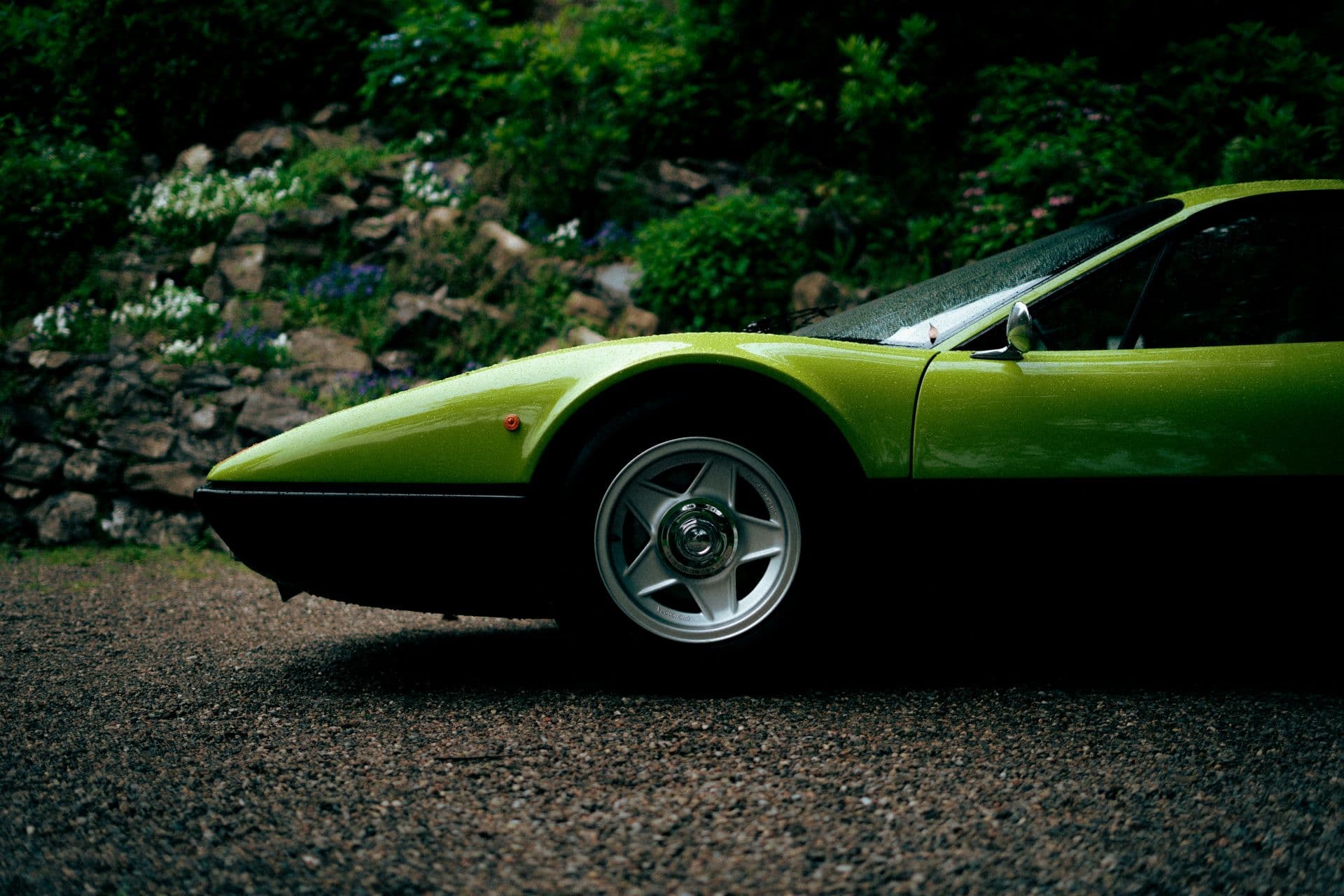
Luxury brands are often the most scrutinised in this dynamic, given their reliance on heritage as a central pillar of identity. Automakers like Bentley, Ferrari, and Rolls-Royce have long embodied craftsmanship and timelessness, yet all are experimenting with contemporary design languages, sustainable materials, and electric powertrains to remain relevant in an era increasingly defined by environmental consciousness.
Meanwhile, fashion houses such as Gucci, Dior, and Burberry are rewriting what heritage means. GucciÔÇÖs creative reinvention under Alessandro Michele blurred gender lines and infused maximalism with eccentric energy, winning a new audience while staying rooted in its Italian craftsmanship. Burberry has leveraged its historic trench coat while repositioning itself through bold digital campaigns and high-profile collaborations that speak directly to Gen Z.
In both luxury cars and fashion, the principle is the same: hold fast to what makes the brand authentic, but reinterpret it in a way that speaks to the aesthetic, ethical, and cultural priorities of younger generations.
Tradition in a Digital World
For many legacy brands, the greatest test lies in digital transformation. Unlike younger companies born into the era of social media, e-commerce, and on-demand everything, heritage brands must often reconcile analogue DNA with digital realities.
The most successful reinventions occur when digital tools are not simply bolted on but woven seamlessly into the brandÔÇÖs identity. A historic watchmaker, for example, may preserve its handcrafted mechanical traditions while offering immersive augmented reality experiences for customers to virtually try on pieces. A venerable food brand might digitise its archives, turning historic recipes into interactive storytelling campaigns.
This meeting of tradition and technology creates resonance. It allows the history to remain visible and respected, while demonstrating that the brand is not static, but agile enough to grow alongside its audience. For digitally native generations, such fluidity is not only appealingÔÇöit is expected.
Collaborations and Cultural Crossovers
One of the most effective strategies for reinvention has been collaboration. By aligning with artists, influencers, or even brands outside their traditional space, legacy institutions open themselves up to entirely new audiences.
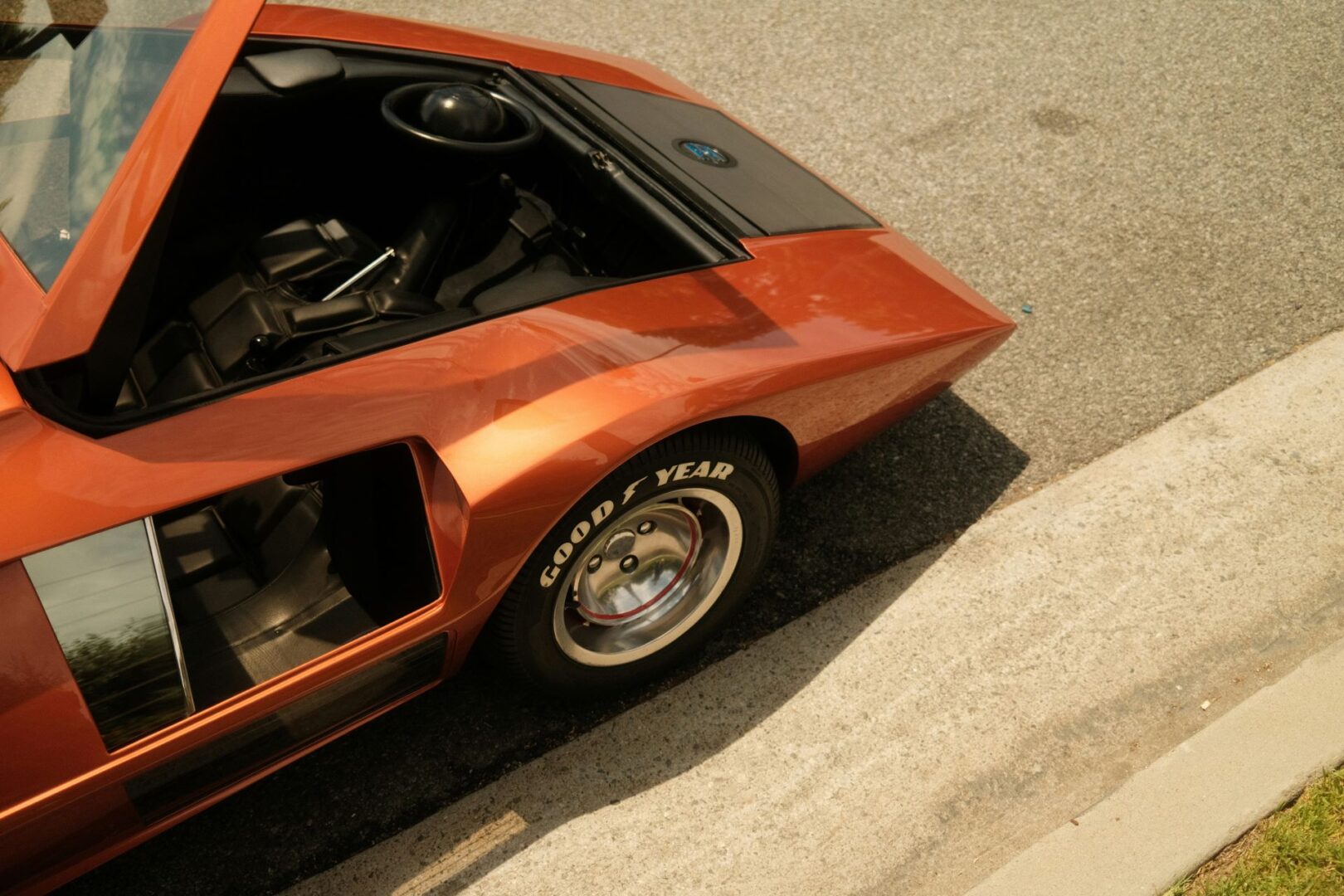
Take the example of Louis Vuitton collaborating with streetwear label Supreme in 2017ÔÇöa move that blurred the lines between luxury and counterculture, sparking immense demand and redefining the brandÔÇÖs cultural cachet. Similarly, heritage automakers increasingly partner with tech firms to develop next-generation mobility solutions, ensuring that their prestige remains compatible with the future of transport.
These collaborations work precisely because they create tension between tradition and novelty. They remind audiences that heritage is not a fixed museum piece, but a living narrative capable of engaging in dialogue with the present.
The Role of Sustainability in Reinvention
For todayÔÇÖs audiences, particularly younger generations, sustainability is no longer a bonusÔÇöit is a requirement. Legacy brands often carry the burden of industrial processes or practices that, while once celebrated, may now feel outdated or harmful. The opportunity lies in using their scale, influence, and heritage of craftsmanship to lead the way in responsible reinvention.
Some of the worldÔÇÖs most iconic companies are rewriting their production models to include bio-based materials, circular design strategies, or regenerative farming partnerships. By embedding sustainability not just into products but into the story they tell, these brands prove that heritage and progress are not mutually exclusive. Rather, stewardship of tradition can coexist with stewardship of the planet.
Reinvention Through Experience
Experiential marketing has become another cornerstone of reinvention. Legacy brands have realised that younger consumers often value moments over material possessions. As a result, physical and digital experiences are now designed to immerse audiences in a brandÔÇÖs story.
Heritage alcohol brands host immersive tasting experiences where customers not only consume the product but also engage with the history of distilling. Automakers create pop-up events where the heritage of the brand is celebrated alongside test drives of future-facing electric models. Even luxury fashion houses now invite consumers into digital-first shows, where boundaries between physical runway and virtual innovation blur.
Through these experiences, heritage becomes lived rather than told, connecting legacy with the personal narratives of those who participate.
Balancing Consistency and Change
The most critical element in reinventing a heritage brand lies in balance. Change too much, and the brand risks alienating the very trust and recognition that makes it valuable. Change too little, and it becomes irrelevant.
This balance often depends on clarity of purpose. Brands that know what their core promise isÔÇöwhether it is craftsmanship, innovation, community, or performanceÔÇöare best positioned to adapt surface-level expressions while keeping their DNA intact. Reinvention, therefore, becomes less about reinvention for its own sake and more about evolution rooted in a clear identity.
Legacy as a Springboard, Not a Cage
For new generations, heritage alone is not persuasive. It must be activated in a way that feels alive and contemporary. The brands that thrive are those that use their legacy as a springboard, not a cage. They do not simply rely on what once made them great, but use it as the foundation for future relevance.
The fusion of old and new, heritage and modernity, past and present, ensures that legacy brands remain not just remembered, but reimagined. This delicate dance of reinvention is what allows them to resonate with generations yet to come, while still honouring the legacies of those who came before.

The Art of Continuous Relevance
Reinvention is not a one-time strategyÔÇöit is an ongoing practice. Heritage brands that succeed in engaging new generations understand that relevance is fluid. They embrace change not as a threat to tradition, but as its natural continuation.
By weaving together storytelling, digital transformation, collaborations, sustainability, and immersive experiences, these brands transcend time. They preserve the best of their history while ensuring that they remain vital, desirable, and inspiring for the future.
In doing so, they prove that heritage is not about looking back. It is about building forwardÔÇöanchored in the past, alive in the present, and ready for the generations to come.
Breyten Odendaal
Specializing in high-performance automotive advertising and digital marketing solutions, delivering cutting-edge insights and the latest news shaping the automotive industry in South Africa.
More From Advertising

Automotive Digital Ads in South Africa: A Shift
Exploring how South Africa’s automotive advertising evolved from print and broadcast to data-driven, programmatic digital ecosystems.

The Video Shift in Car Buying Decisions in SA
Explore how video content shapes car purchase decisions in South Africa, comparing short-form and long-form strategies for automotive marketers.

Why Automotive Ads Must Think Like E-Commerce
Automotive ads in South Africa need e-commerce style conversion thinking to boost leads, optimise funnels, and improve dealership ROI.