
The automotive world is built on heritage ÔÇö names that echo through the decades, badges worn with pride, and engines that have roared across generations. Yet, the audience that once revered legacy is shifting. Gen Z, born into a hyper-digital age, values authenticity, identity, and innovation over tradition alone. For brands steeped in legacy, the challenge lies in bridging a century of history with the immediacy of modern culture. The result is a fascinating evolution ÔÇö one where nostalgia meets hype, and classic automakers reinvent themselves as lifestyle icons for the next generation.
The Digital Revival of Legacy
The first step in staying relevant to Gen Z isnÔÇÖt in the product itself ÔÇö itÔÇÖs in the story. Car brands with rich histories, from Jaguar to BMW, have had to translate their origin stories into narratives that resonate within digital spaces. The craftsmanship, innovation, and heritage that once lived in glossy magazine spreads or Sunday drives must now thrive on TikTok timelines and YouTube shorts.
Digital storytelling has become the modern dealership ÔÇö a place where curiosity transforms into loyalty. Visual storytelling, particularly through short-form video, offers brands a way to showcase legacy without feeling dated. Consider the cinematic quality of PorscheÔÇÖs heritage campaigns ÔÇö blending archival footage of the 911ÔÇÖs racing past with drone shots of new electric models gliding through neon-lit cityscapes. The message is subtle but powerful: whatÔÇÖs timeless doesnÔÇÖt fade, it evolves.
By embracing this visual continuity, brands create a bridge between memory and modernity. Gen Z consumers, who often encounter brands first through mobile screens rather than showrooms, connect not through horsepower figures but through emotional resonance ÔÇö the feeling that a car brand gets them, even if its founding predates their grandparents.
Nostalgia as a Modern Marketing Currency
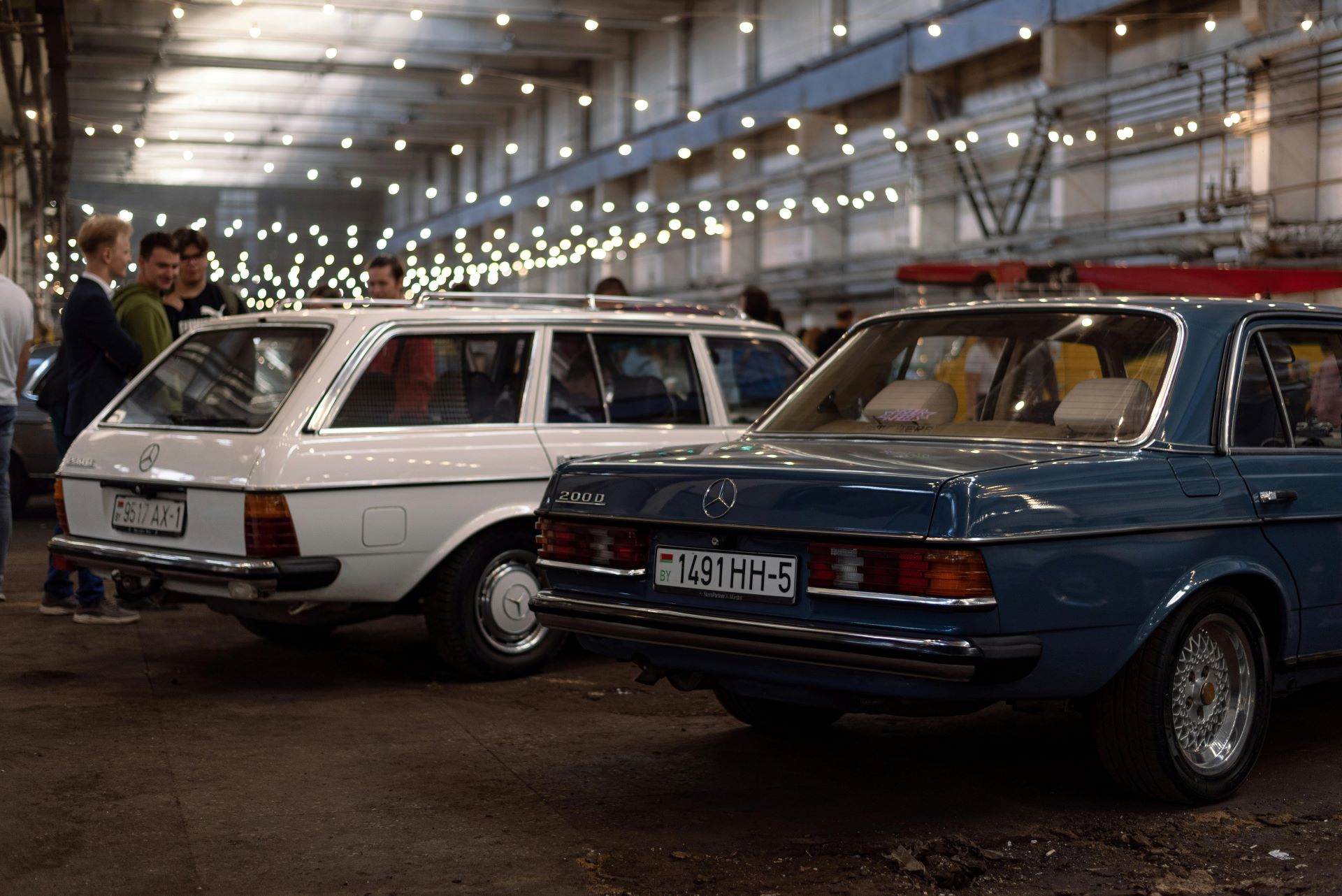
Heritage brands are discovering that nostalgia, when wielded with intention, is not a backward glance but a forward-looking strategy. Gen ZÔÇÖs appetite for retro aesthetics is everywhere ÔÇö from vinyl records to vintage filters ÔÇö but itÔÇÖs not nostalgia for nostalgiaÔÇÖs sake. ItÔÇÖs a desire for depth, texture, and meaning in a world of fleeting trends.
Automotive brands have tapped into this by reviving icons in ways that feel contemporary. The rebirth of the Ford Bronco and the Fiat 500e are textbook examples. They donÔÇÖt simply resurrect an old design; they reinterpret a legacy. By blending the rugged charm of the original with electric powertrains and digital interiors, these models give Gen Z something that feels familiar yet future-ready.
This duality ÔÇö the old soul with a new heart ÔÇö resonates because it mirrors Gen ZÔÇÖs own cultural outlook. They are nostalgic without having lived the past, drawn to what feels authentic even if itÔÇÖs reimagined. Brands that understand this nuance donÔÇÖt just sell cars; they sell continuity ÔÇö a chance to participate in history without being bound by it.
Influencer Partnerships: The New Word of Mouth
In the 1960s, automotive passion was passed down through garage talk and Sunday drives. Today, itÔÇÖs born in algorithmic discovery ÔÇö in the hands of digital creators who define whatÔÇÖs cool, credible, and collectible. Influencers have become cultural translators for heritage brands, reshaping legacy into something visually and emotionally digestible for a social-first generation.
Rather than relying solely on celebrity endorsements, successful collaborations focus on cultural relevance. When Land Rover partnered with outdoor lifestyle creators who live and breathe exploration, the brandÔÇÖs off-road legacy gained new life among urban Gen Z audiences seeking authenticity and adventure. Likewise, MINIÔÇÖs collaborations with design influencers and young artists position the brand not just as a carmaker but as a creative community.
The power of these partnerships lies in their authenticity. Gen Z consumers can detect contrivance instantly. When an influencer truly embodies a brandÔÇÖs ethos ÔÇö whether itÔÇÖs a skater who drives an electric Beetle or a tech YouTuber showcasing the reinvention of a classic Honda ÔÇö the message carries far more weight than polished ad campaigns ever could.
For automotive marketers, this requires a shift from control to collaboration. Influencers arenÔÇÖt brand ambassadors in the traditional sense ÔÇö they are co-storytellers. By allowing them to interpret heritage through their own lenses, brands open new emotional entry points into their legacy.
From Dealerships to Digital Communities
For decades, automotive marketing revolved around ownership ÔÇö the pride of having the keys to something special. But Gen Z often values access over ownership. Digital-native audiences donÔÇÖt simply want to drive; they want to belong. This shift has redefined how heritage brands build loyalty, pushing them to move beyond product and into community.
Social media spaces, once dominated by lifestyle brands, are now crucial automotive battlegrounds. Platforms like Discord and Instagram have become virtual clubs where enthusiasts share not just cars, but values, aesthetics, and aspirations. Classic brands entering these spaces must do more than post content ÔÇö they must cultivate identity.
FerrariÔÇÖs strategy, for example, extends beyond performance to lifestyle, with curated experiences, private digital clubs, and limited-edition drops that mirror streetwear culture. Similarly, brands like Alfa Romeo and Volkswagen are experimenting with online fan-driven projects ÔÇö digital art collaborations, NFT archives, and even virtual showrooms in the metaverse ÔÇö where heritage becomes interactive, not static.
In these digital communities, heritage transforms into shared culture. Gen Z drivers and fans feel part of something that transcends time ÔÇö an evolution of the same brand stories that captivated their parents, now retold in pixels and hashtags.
The Art of Reinvention: From Classic to Contemporary
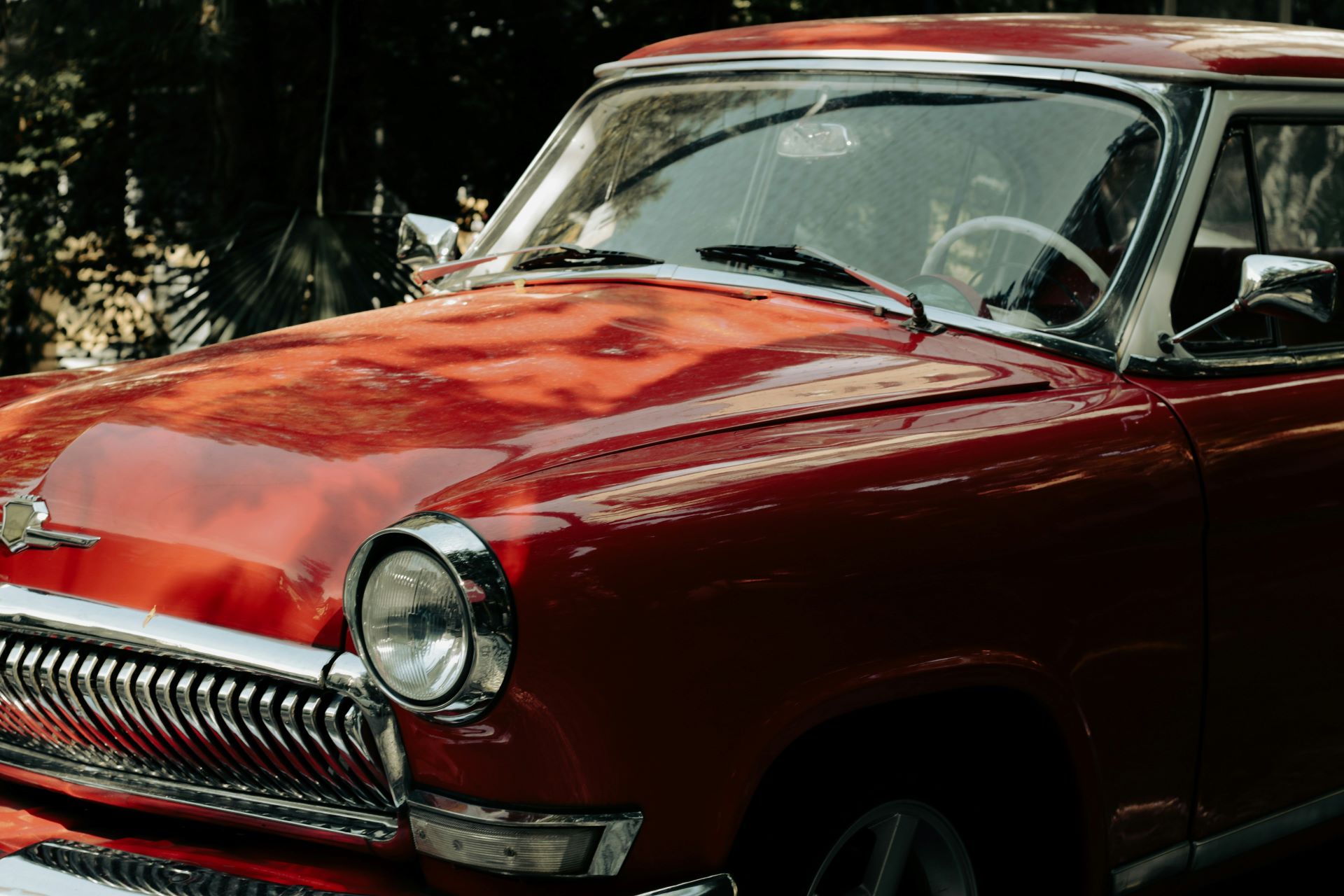
Relevance isnÔÇÖt achieved by abandoning the past, but by reimagining it. Automotive design plays a pivotal role in translating heritage into something visually exciting for younger buyers. The success of ÔÇ£neo-retroÔÇØ aesthetics ÔÇö cars that echo the proportions and cues of their ancestors while embracing futuristic detailing ÔÇö shows that design remains one of the strongest storytelling tools available to heritage brands.
The electric age has accelerated this reinvention. Electrification has forced classic marques to rewrite their DNA without losing their spirit. For instance, when Renault reintroduced the 5 as a compact electric hatch, it leaned heavily on visual nostalgia ÔÇö boxy charm, bright color palettes, playful retro typography ÔÇö while delivering modern sustainability. It wasnÔÇÖt just a comeback; it was a statement of cultural renewal.
This blend of familiar and fresh extends beyond design. Brand tone, imagery, and even music choices in advertising campaigns now carry a deliberate retro-futurist flair ÔÇö a balance between analog heart and digital mind. The marketing challenge lies in ensuring that heritage feels empowering, not exclusionary. Gen Z isnÔÇÖt interested in elitism; they crave brands that make legacy accessible, personal, and purpose-driven.
Storytelling in Motion: Emotional Continuity
At the core of every enduring automotive brand lies a narrative of movement ÔÇö not just mechanical, but emotional. The most effective heritage marketing doesnÔÇÖt focus solely on what a brand has built, but on what it continues to inspire. Storytelling, in this sense, becomes a time machine ÔÇö a way to connect past milestones with present dreams.
Campaigns that juxtapose archival footage with modern reinterpretations ÔÇö a rally car reborn as an EV, a family photo echoed in new generations ÔÇö speak to continuity. They invite Gen Z to see themselves as part of an unfolding story, not passive consumers of nostalgia.
Even subtle gestures, such as a logo redesign that nods to historical insignia or the return of a heritage color palette, can evoke powerful emotional recognition. These are not coincidences; theyÔÇÖre acts of remembrance ÔÇö strategically placed breadcrumbs that lead young audiences deeper into brand mythology.
The goal is not to make Gen Z understand history, but to make them feel it.
Beyond Cool: The Purpose-Driven Legacy
Gen ZÔÇÖs loyalty isnÔÇÖt just earned through aesthetics or influence ÔÇö itÔÇÖs rooted in values. For heritage automakers, relevance now demands a moral engine as powerful as their mechanical ones. Sustainability, inclusivity, and ethical innovation are no longer optional talking points; they are the new foundations of credibility.
Brands like Volvo and Mercedes-Benz have effectively reframed their legacy not as a monument to the past, but as a platform for progress. Their campaigns highlight decades of safety innovation or engineering precision while tying those virtues to carbon neutrality and equality initiatives. The message is clear: true heritage isnÔÇÖt what youÔÇÖve preserved; itÔÇÖs what youÔÇÖve passed forward.
By connecting legacy to purpose, brands transcend nostalgia. They move from ÔÇ£remember whenÔÇØ to ÔÇ£imagine whatÔÇÖs next.ÔÇØ This alignment with Gen Z values transforms history from static memory into living mission.
Heritage in the Age of Hype
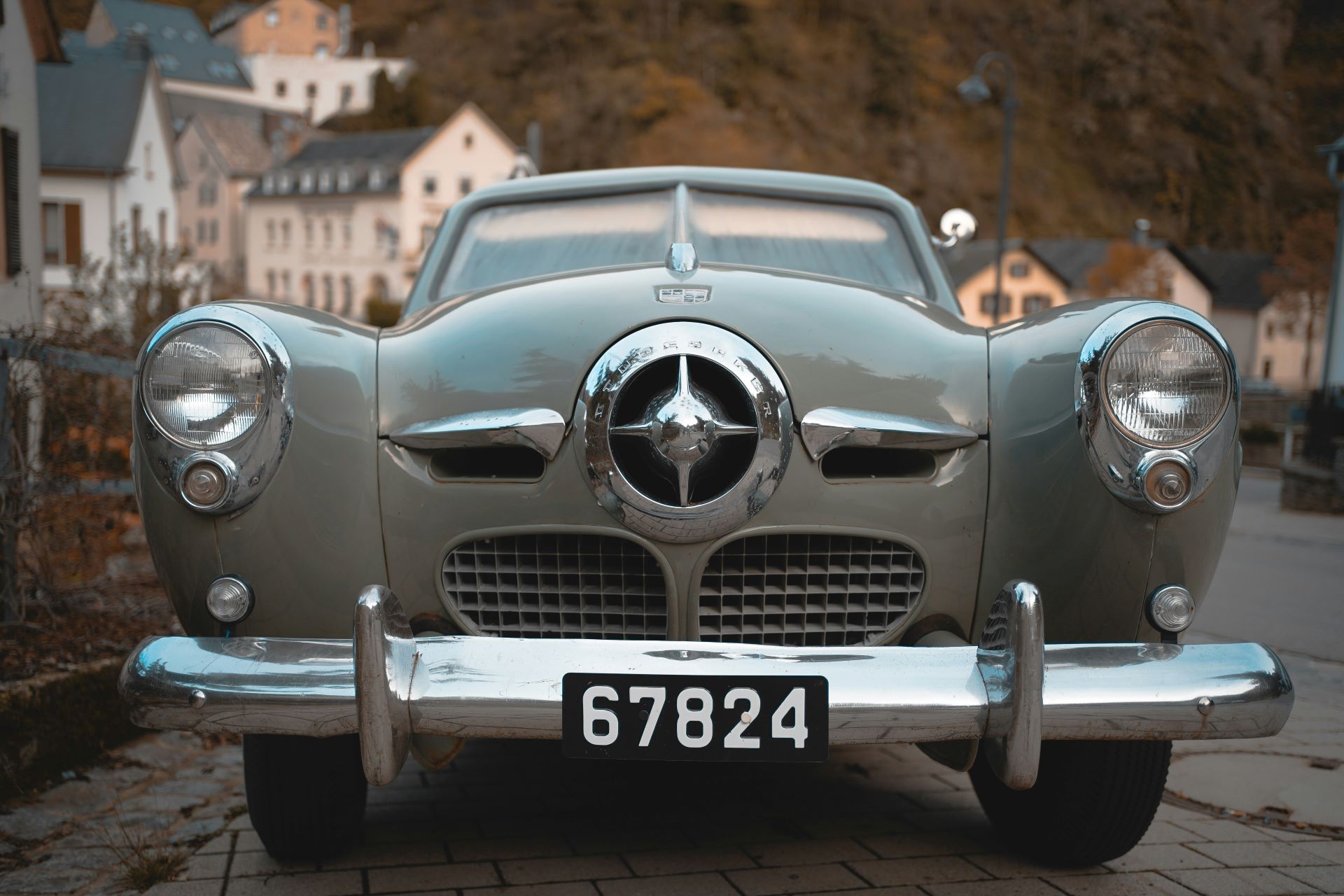
In the high-speed swirl of trends, hashtags, and hyperconnectivity, the idea of legacy might seem almost quaint. Yet for classic car brands, itÔÇÖs an inexhaustible source of cultural capital ÔÇö if handled with care. The challenge is not in having history, but in keeping it alive.
When heritage meets hype, the result is a dynamic dialogue between eras ÔÇö one that merges craftsmanship with creativity, legacy with relevance. Through digital storytelling, influencer collaboration, and purpose-driven reinvention, automotive icons are proving that timelessness isnÔÇÖt about resisting change; itÔÇÖs about steering it.
In this new era, the engine of loyalty isnÔÇÖt built in factories ÔÇö itÔÇÖs forged in culture, emotion, and imagination. The brands that understand this arenÔÇÖt just surviving Gen Z; theyÔÇÖre shaping the next golden age of automotive storytelling.
Breyten Odendaal
Specializing in high-performance automotive advertising and digital marketing solutions, delivering cutting-edge insights and the latest news shaping the automotive industry in South Africa.
More From Advertising

Automotive Advertising in 2026: Selling Confidence in a More Competitive Market
As South Africa’s vehicle market becomes more competitive, automotive advertising needs to do more than announce a price or specification. It needs to help buyers understand value, ownership costs and why a vehicle suits their lives.

Automotive Digital Ads in South Africa: A Shift
Exploring how South Africa’s automotive advertising evolved from print and broadcast to data-driven, programmatic digital ecosystems.

The Video Shift in Car Buying Decisions in SA
Explore how video content shapes car purchase decisions in South Africa, comparing short-form and long-form strategies for automotive marketers.