
In an age dominated by fleeting digital trends, instant gratification, and fast-moving consumer preferences, certain automotive brands have discovered a timeless secret: heritage. Beyond performance metrics, cutting-edge technology, or aesthetic appeal, brands like Porsche, Mercedes-Benz, and MINI possess an invaluable assetÔÇötheir own history. Heritage marketing is the practice of leveraging a brandÔÇÖs legacy to create campaigns that resonate across generations, linking past triumphs to present innovations and future ambitions. For automotive companies, whose identities are inextricably tied to design, engineering, and cultural significance, this approach offers a uniquely authentic storytelling vehicle.
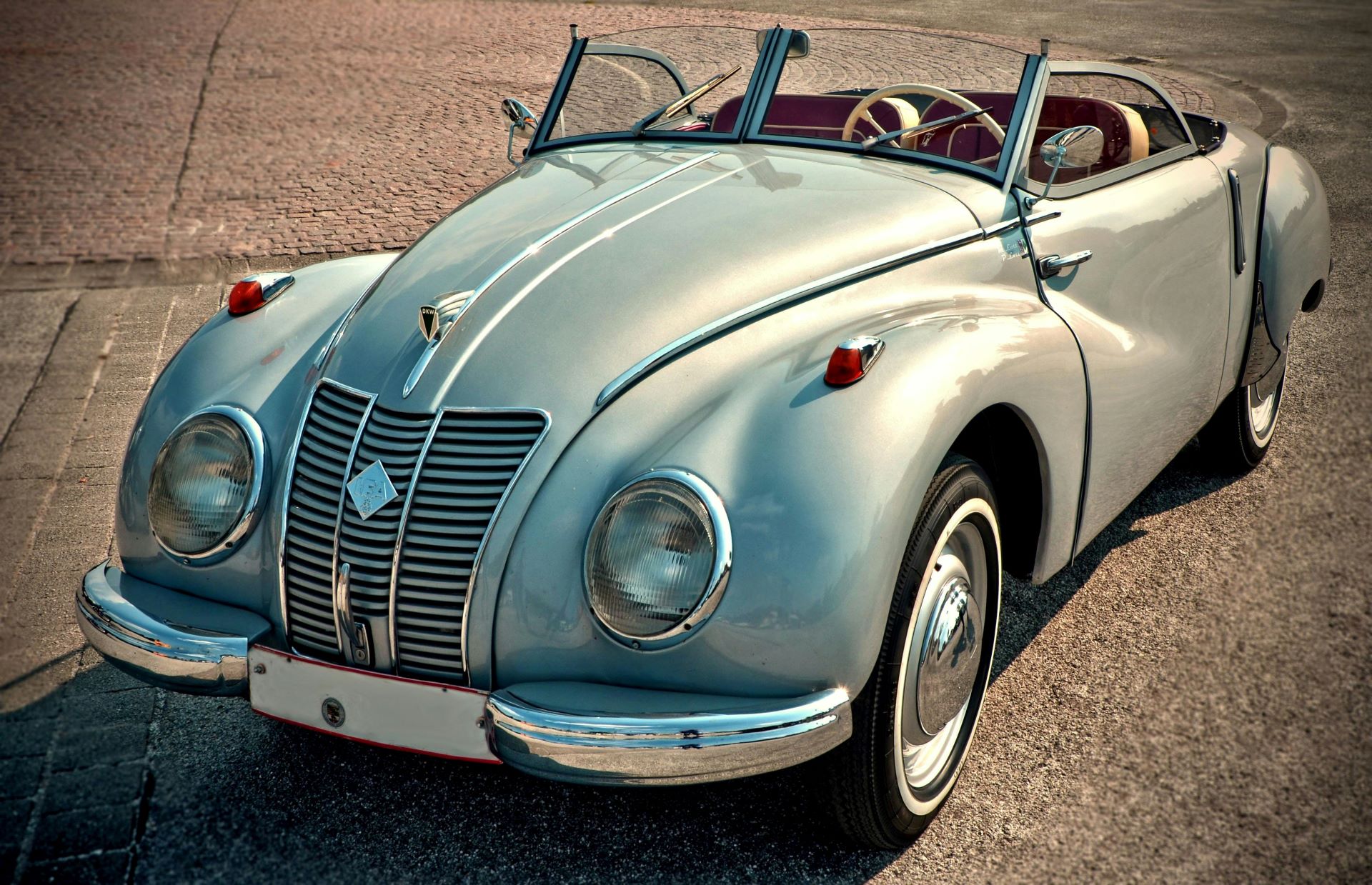
The Power of Automotive Legacy
Automotive heritage is more than a chronological record of vehicles and models; it is a repository of emotional experiences, societal milestones, and cultural symbolism. PorscheÔÇÖs racing victories in Le Mans, Mercedes-BenzÔÇÖs pioneering work in safety innovations, and MINIÔÇÖs iconic presence in pop culture all form part of narratives that extend beyond the mere functionality of a car. Heritage marketing taps into these narratives, transforming them into tools for brand differentiation and emotional connection.
Consumers today crave authenticity. They are increasingly skeptical of purely transactional messaging, and they gravitate toward brands that communicate purpose, consistency, and meaning. By highlighting decades of achievements and the evolution of design, automotive brands can present themselves not merely as manufacturers, but as custodians of a cultural and technological legacy.
Crafting Campaigns Through History
Effective heritage marketing involves more than celebrating a milestone anniversary or reproducing vintage models. Brands must weave their history into a storytelling arc that acknowledges the past, validates the present, and inspires the future. PorscheÔÇÖs marketing for the 911, for example, does not simply showcase the latest iteration of the vehicle; it emphasizes a continuous narrative that links the first model from the 1960s to the contemporary sports car. Each campaign subtly references racing heritage, engineering excellence, and design evolution, reinforcing a sense of continuity that appeals to both long-time enthusiasts and new audiences.
Similarly, Mercedes-Benz has masterfully employed heritage marketing in its ÔÇ£Mercedes-Benz ClassicÔÇØ initiatives. By preserving and promoting historical models, the brand reinforces its authority as a leader in automotive innovation. Exhibitions, curated archives, and limited-edition restorations create tangible experiences that allow audiences to interact with the brandÔÇÖs past, bridging the gap between nostalgia and modernity. The strategy extends beyond mere nostalgiaÔÇöit is an active tool to reaffirm brand values such as safety, luxury, and technological leadership.
MINI, meanwhile, offers a case study in heritage marketing that thrives on cultural relevance. The brandÔÇÖs compact vehicles have long been associated with rebellion, creativity, and urban style. By revisiting design cues from the original Mini and referencing its presence in films and pop culture, MINI crafts campaigns that celebrate both product evolution and cultural resonance. Heritage is not presented as a static relic but as a living, evolving narrative that informs modern design and marketing.
Emotional Resonance and Consumer Loyalty
Heritage marketing is uniquely effective because it connects with consumers on an emotional level. It taps into shared memories, aspirational identities, and cultural touchstones. Driving a car steeped in history is not merely a transportation choiceÔÇöit becomes an act of participation in a legacy.
For luxury and performance automotive brands, emotional resonance translates into loyalty and advocacy. Collectors and enthusiasts become ambassadors, sharing stories and experiences that amplify the brandÔÇÖs narrative. Limited editions, anniversary models, and historically themed events become powerful engagement tools. PorscheÔÇÖs ÔÇ£Heritage DesignÔÇØ series, for example, bridges the companyÔÇÖs iconic design motifs with contemporary engineering, inviting owners to connect emotionally with both eras. This engagement fosters brand loyalty that transcends price sensitivity and transactional reasoning.
Integrating Heritage Across Channels
Modern heritage marketing requires seamless integration across multiple channels. While traditional media such as print and television remain relevant for luxury brands, digital platforms provide unprecedented opportunities for storytelling. Interactive websites, social media campaigns, and virtual exhibitions allow audiences to explore historical archives, participate in digital experiences, and engage with brand narratives in real time.
Mercedes-Benz has utilized digital storytelling to remarkable effect. Campaigns highlighting historical models alongside innovations in electric mobility demonstrate a continuum of excellence, positioning the brand as both rooted and forward-looking. MINI, on the other hand, often leverages social media to amplify playful, culturally resonant aspects of its history, creating shareable content that extends brand visibility and engagement. In both cases, heritage is not a static element but an adaptable framework for contemporary marketing.
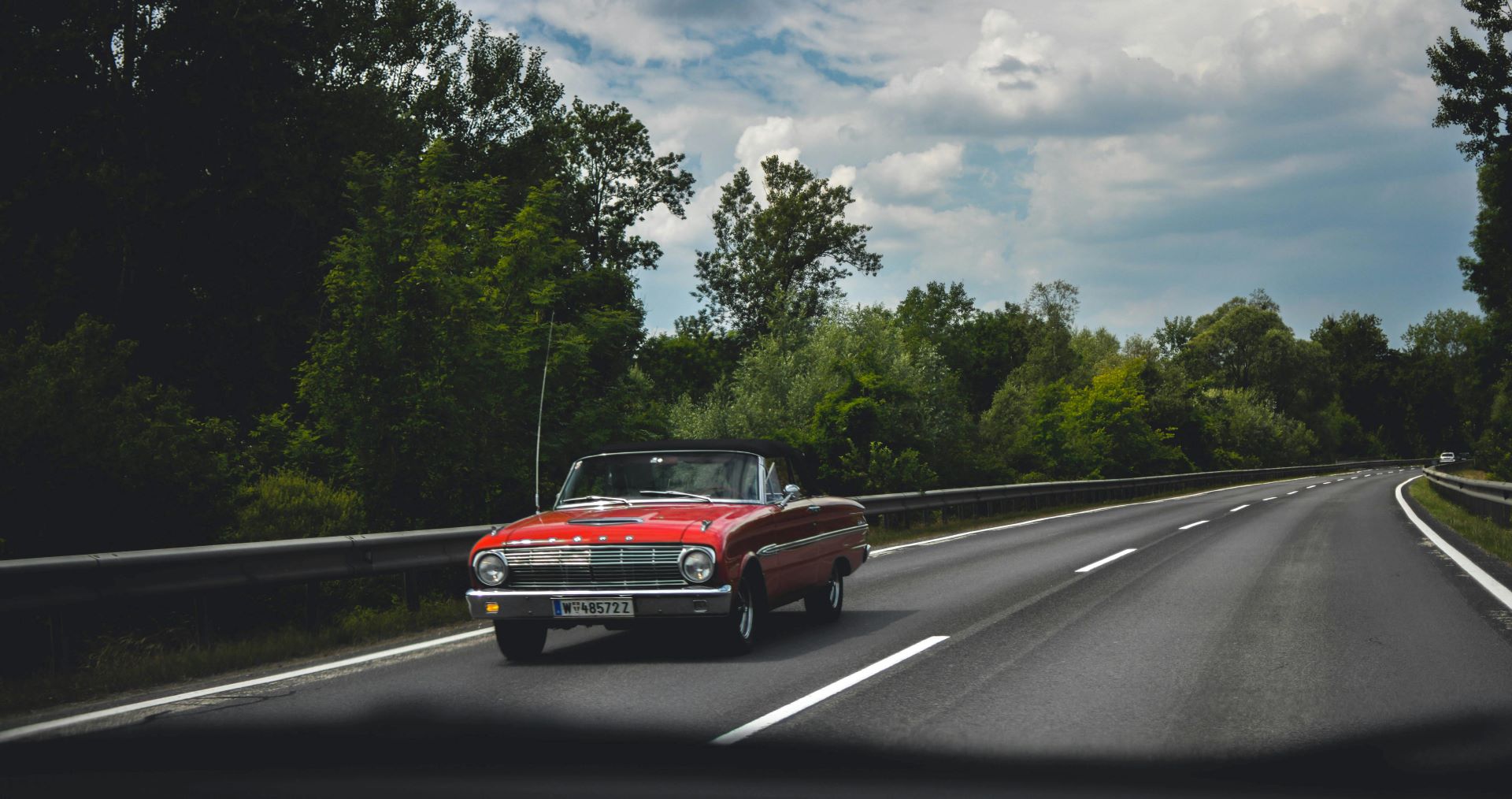
The Commercial Implications of Heritage
Heritage marketing is not solely an exercise in narrative; it has measurable commercial implications. Historical credibility enhances perceived quality and justifies premium pricing. Limited-edition heritage models often command significant margins precisely because they embody a tangible connection to brand legacy. Consumers are willing to invest in a product that carries symbolic value, cultural cachet, and historical authenticity.
Moreover, heritage marketing can catalyze market expansion. By communicating a consistent narrative of innovation and design excellence, automotive brands attract younger demographics who value authenticity, craftsmanship, and story-driven experiences. These campaigns also enable legacy brands to differentiate themselves in increasingly crowded and technologically driven markets, where product specifications alone no longer suffice to capture attention.
Lessons from Global Leaders
Several lessons emerge from the success of heritage-focused campaigns in the automotive sector:
Porsche, Mercedes-Benz, and MINI exemplify these principles. Each brand leverages its unique history while crafting campaigns that reflect contemporary sensibilities, whether through design reinterpretation, immersive events, or digital narratives.
Heritage as a Strategic Marketing Tool
Ultimately, heritage marketing is a strategic tool that elevates brand perception, strengthens emotional connections, and supports commercial objectives. It is not about resting on past achievements but about actively leveraging them to tell a story that resonates with diverse audiences. In a marketplace increasingly defined by technological parity and transient trends, history becomes a differentiatorÔÇöa source of credibility, prestige, and engagement.
For automotive marketers, embracing heritage requires meticulous attention to authenticity. Every campaign, event, or product launch must respect the brandÔÇÖs legacy while signaling relevance to contemporary consumers. When executed effectively, heritage marketing transforms the brand from a manufacturer of vehicles into a curator of experiences, a storyteller, and a custodian of culture.

Driving the Future with History
In the automotive industry, heritage marketing bridges temporal boundaries. It allows brands to honour the visionaries of the past, demonstrate achievements in the present, and inspire confidence in the future. PorscheÔÇÖs iconic models, Mercedes-BenzÔÇÖs technological milestones, and MINIÔÇÖs cultural impact are more than historical footnotesÔÇöthey are living narratives that inform design, marketing, and consumer engagement.
By leveraging history thoughtfully, automotive brands cultivate authenticity, reinforce emotional resonance, and differentiate themselves in a competitive marketplace. The road ahead is, in essence, paved with the legacy of the past. Heritage marketing, when strategically employed, ensures that every vehicle, every campaign, and every consumer interaction is imbued with the depth and resonance of decades of innovation, passion, and cultural significance.
Heritage is not simply a story to tellÔÇöit is a story to live. For automotive brands, embracing that story is not optional; it is essential. Through the seamless integration of legacy and innovation, brands connect past, present, and future in ways that are compelling, credible, and commercially impactful.
Breyten Odendaal
Specializing in high-performance automotive advertising and digital marketing solutions, delivering cutting-edge insights and the latest news shaping the automotive industry in South Africa.
More From Advertising

Automotive Advertising in 2026: Selling Confidence in a More Competitive Market
As South Africa’s vehicle market becomes more competitive, automotive advertising needs to do more than announce a price or specification. It needs to help buyers understand value, ownership costs and why a vehicle suits their lives.

Automotive Digital Ads in South Africa: A Shift
Exploring how South Africa’s automotive advertising evolved from print and broadcast to data-driven, programmatic digital ecosystems.

The Video Shift in Car Buying Decisions in SA
Explore how video content shapes car purchase decisions in South Africa, comparing short-form and long-form strategies for automotive marketers.