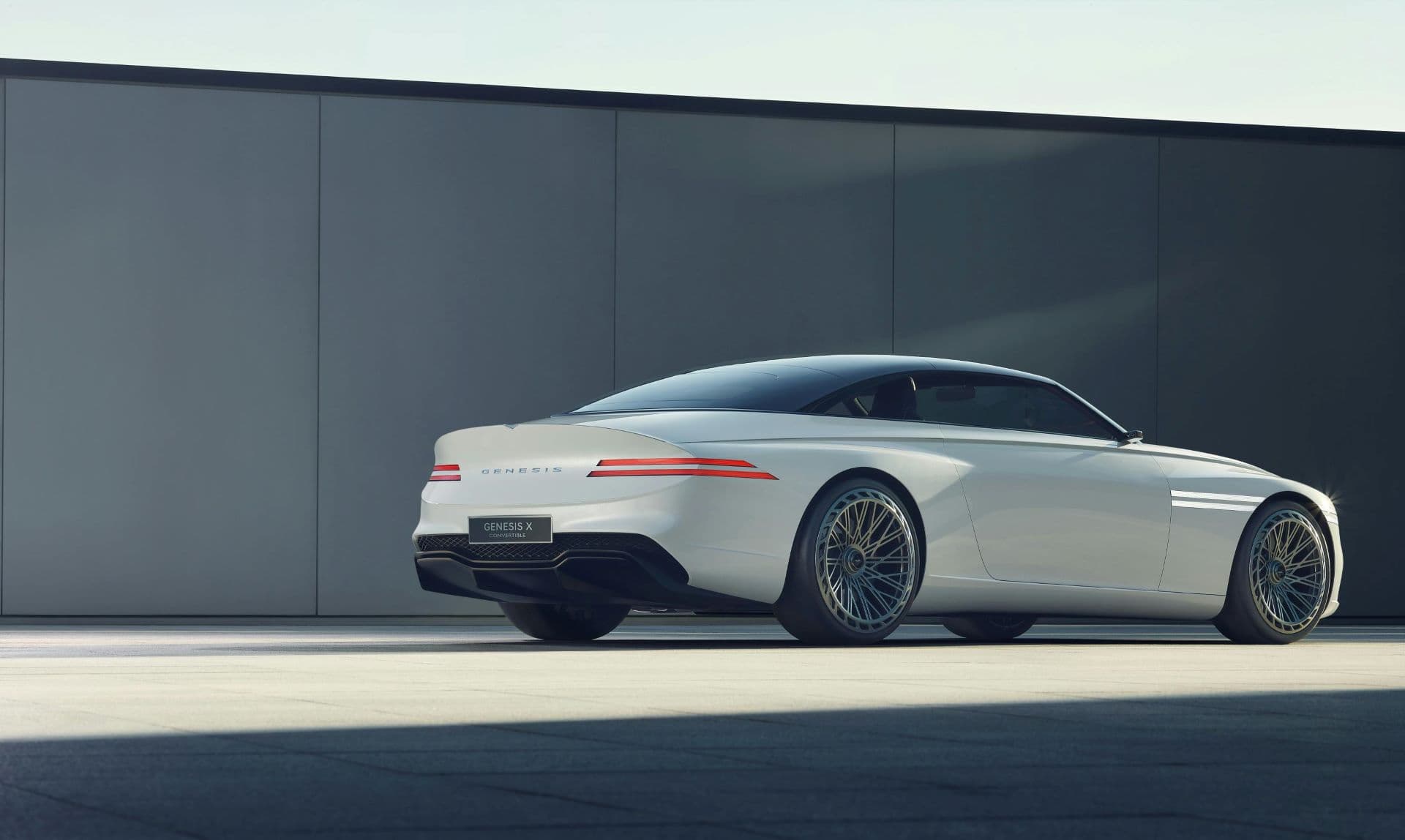
The Urban Sophistication Paradox
Luxury automobiles have long been symbols of prestige, engineering excellence, and refined taste. Traditionally, these vehicles spoke to a clientele who valued comfort, status, and the artistry of automotive design. However, as cities swell and cultural dynamics shift, luxury buyers are no longer satisfied with mere eleganceÔÇöthey seek vehicles that embody an attitude, a presence, and a lifestyle that bridges the worlds of sophistication and urban grit.
In todayÔÇÖs urban environments, the streets are stages for cultural expression. From street art and music festivals to cutting-edge fashion and nightlife, urban landscapes have become arenas where status and authenticity collide. For luxury automotive marketers, this evolution presents both a challenge and an opportunity: How do you sell refinement without diluting toughness, glamour without erasing grit, and opulence without losing authenticity?
This article explores the strategies, psychology, and creative approaches driving the rise of the urban-luxury automobileÔÇöa class of vehicles that promises its owners both street credibility and refined taste.
The Rise of the Urban-Luxe Buyer
Modern luxury buyers are multifaceted, socially aware, and culturally literate. They are not simply purchasing a car; they are curating a persona. These urban-luxe buyers are typically city dwellers with disposable income, strong digital footprints, and a penchant for experiences that communicate both success and authenticity. They want vehicles that are as much about statement as transportation, blending the durability to navigate city streets with the elegance to arrive at high-profile events.
Brands like Range Rover, Porsche, Mercedes-Benz, and Cadillac have recognized this demographic shift. The Range Rover Velar, for example, combines all-terrain capability with refined interior materials, projecting power without compromising elegance. The Porsche Macan offers a similar duality, delivering sporty performance alongside high-end craftsmanship, allowing owners to traverse urban landscapes while maintaining a status of sophistication. Marketing these vehicles requires more than showcasing horsepower or leather stitchingÔÇöit demands narratives that appeal to lifestyle aspirations, cultural sensibilities, and emotional resonance.
Visual Storytelling: Contrasts That Captivate
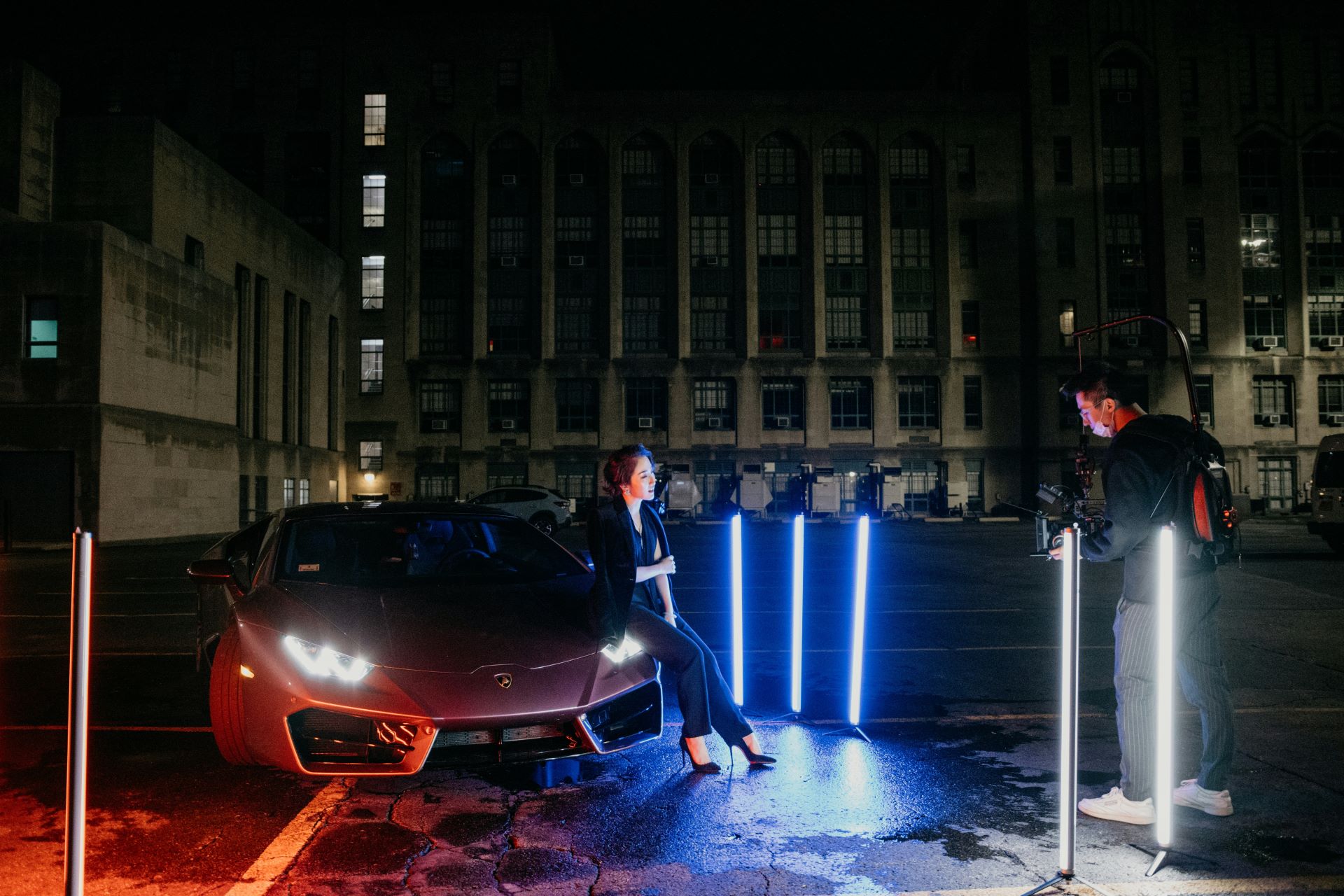
Luxury automotive campaigns have always relied on aesthetics, but urban-luxury marketing takes this a step further, leveraging contrast to communicate duality. High-contrast photography, dramatic lighting, and cityscapes emphasize both toughness and sophistication. Imagine a gleaming Mercedes-Benz AMG navigating a rain-slicked alley lined with street art, or a Bentley SUV silhouetted against neon city lights. These images convey tension: the refined vehicle is at home in gritty, unpredictable environments, embodying control, confidence, and daring elegance.
Cinematic techniquesÔÇöslow-motion sequences, drone footage, and night-time cityscapesÔÇöbring vehicles to life. By juxtaposing polished design elements with urban rawness, campaigns communicate that luxury does not exist in a vacuum; it thrives in the real world, adapting to environments as dynamic and challenging as the people who drive it. The emotional impact of this storytelling cannot be overstated: buyers see themselves not just in the driverÔÇÖs seat, but living the narrative, a character in a cinematic journey of grit and glamour.
Music, Culture, and Street Cred
Soundscapes are critical in crafting an urban-luxury identity. MusicÔÇöwhether hip-hop, electronic, indie, or fusion genresÔÇöhelps position a vehicle culturally. Campaigns that integrate city sounds, curated playlists, or collaborations with contemporary artists communicate sophistication while aligning the brand with cultural relevance. CadillacÔÇÖs partnership with musicians for experiential events and LexusÔÇÖs collaborations with urban fashion designers exemplify this approach.
Street credibility in marketing is about authenticity. It is not enough to place a luxury vehicle against graffiti; brands must understand and engage with the culture that produces it. This may involve sponsorships, artist collaborations, limited-edition releases, or immersive pop-up events. The effect is subtle but powerful: the vehicle is not just a symbol of wealth; it is a medium through which urban-luxe buyers express their identities, tastes, and affiliations.
Experiential Marketing: Cities as Stages
Experiential marketing is where the urban-luxury strategy comes alive. Pop-up installations, rooftop test drives, and curated city tours allow consumers to interact with vehicles in dynamic, city-centric environments. Imagine an industrial loft in downtown Los Angeles transformed into a showcase for a new SUV, where attendees can explore interiors, technology, and sound systems while immersing themselves in a music, art, and culinary experience that mirrors their lifestyle.
This approach serves dual purposes: it educates potential buyers on the vehicleÔÇÖs capabilities and builds a narrative around its urban-luxe identity. It creates a visceral connection, reinforcing that owning such a vehicle is not merely a financial transactionÔÇöit is an entry into a curated, aspirational lifestyle. By allowing buyers to experience a car in motion and within cultural contexts, brands strengthen emotional attachment and foster loyalty beyond product specifications.
Digital Storytelling: Social Media as Urban Canvas
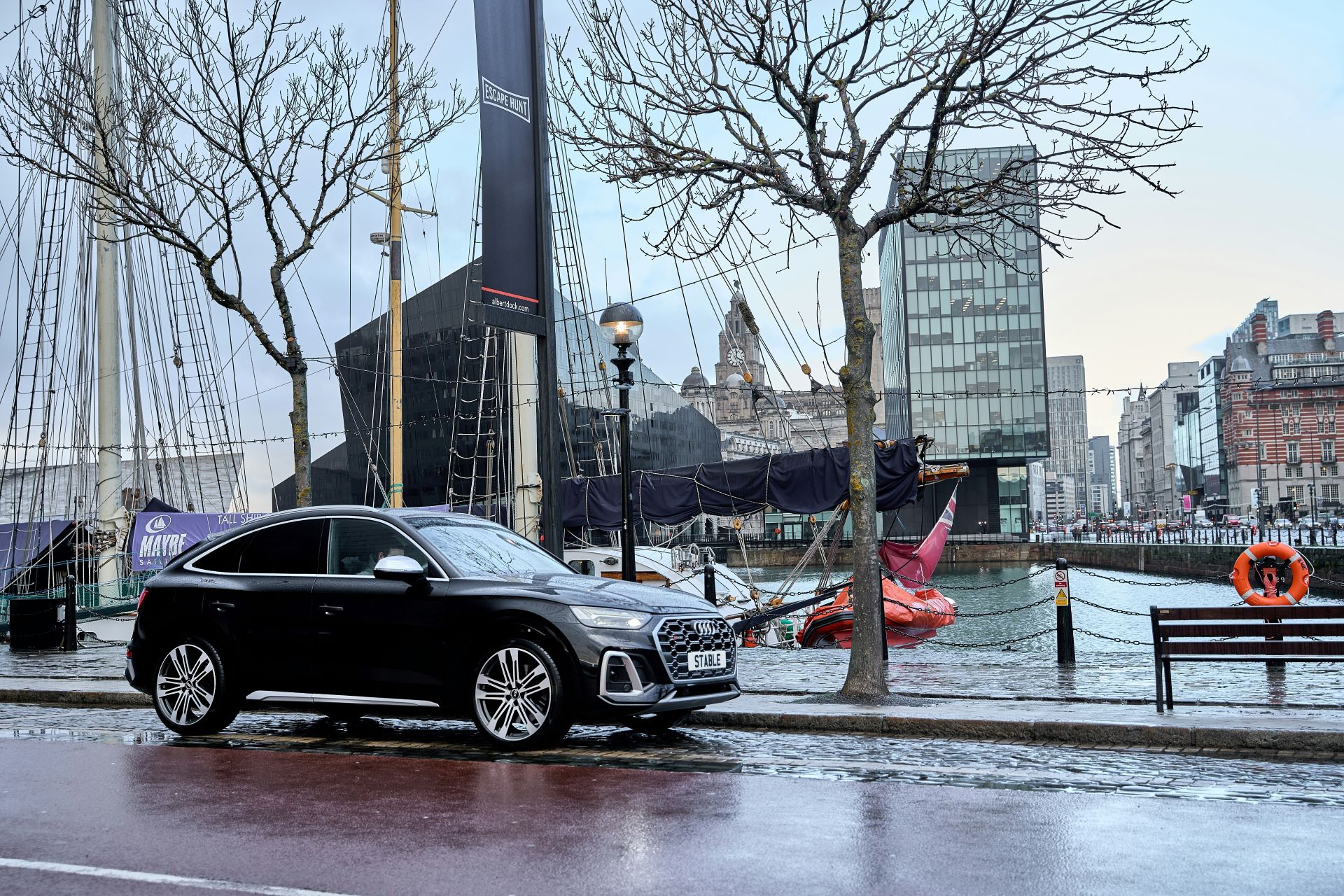
Social media platforms are indispensable in communicating urban-luxury narratives. Instagram, TikTok, and YouTube allow brands to craft micro-stories, visually and emotionally engaging urban-luxe audiences. Short-form content showcasing vehicles in unconventional cityscapesÔÇöneon-lit alleyways, art districts, rooftops, and industrial zonesÔÇöcommunicates versatility and relevance.
Influencers, artists, and cultural tastemakers act as authentic narrators, showcasing how these vehicles integrate seamlessly into city life. Unlike traditional advertising, which can feel detached, social media campaigns leverage relatability, spontaneity, and visual allure. The urban-luxe buyer sees themselves reflected in these stories: adventurous yet refined, rebellious yet discerning. Campaigns that succeed here are those that blend polish with imperfection, aspirational imagery with authenticity, and sophistication with raw energy.
Psychology of Duality: Desire for Power and Refinement
Urban-luxury marketing taps into a psychological duality within buyers. On one hand, consumers crave security, control, and statusÔÇöluxury vehicles deliver this through design, technology, and heritage. On the other, they desire adventure, unpredictability, and cultural alignmentÔÇöqualities communicated through rugged design cues, urban narratives, and edgy aesthetics.
Luxury vehicles marketed with this duality appeal to both rational and emotional drivers. Rationally, buyers appreciate engineering, safety, and brand prestige. Emotionally, they connect with lifestyle narratives, cultural relevance, and personal identity expression. The most effective campaigns seamlessly weave these elements, showing that a vehicle can be both a status symbol and a lifestyle facilitator, allowing owners to navigate cities with authority, elegance, and authenticity.
Case Studies: Successful Urban-Luxury Campaigns
Several campaigns illustrate how brands are merging grit and glamour effectively:
Mercedes-Benz AMG ÔÇ£Street StyleÔÇØ Series: AMG models navigate urban landscapes in cinematic visuals, emphasizing performance and refinement. By placing vehicles in city-centric environments, the campaign highlights adaptability and sophistication without sacrificing edge.
Land Rover ÔÇ£Above and BeyondÔÇØ Campaign: This campaign positions SUVs against diverse city and natural landscapes, blending adventure with elegance. High-fashion photography, coupled with all-terrain demonstrations, communicates that Land Rover ownership is about lifestyle versatility and aspiration.
Bentley Urban Explorer: BentleyÔÇÖs limited-edition urban series blends opulent interior craftsmanship with street-smart design cues, targeting younger luxury buyers who value performance, aesthetics, and cultural credibility.
These examples underscore the importance of narrative coherence, emotional resonance, and environmental authenticity. The campaigns succeed not just because of vehiclesÔÇÖ specs, but because they tell stories that buyers want to live.
Challenges: Walking the Tightrope
Blending grit with glamour is not without risk. Overemphasizing toughness can alienate traditional luxury buyers accustomed to exclusivity, elegance, and polish. Conversely, leaning too heavily on opulence risks seeming out of touch with urban authenticity. Campaigns must maintain balance, ensuring messaging, visuals, and experiences reflect both facets of the brand identity.
Moreover, urban-luxury marketing requires deep cultural literacy. Misaligned campaigns can appear opportunistic or tone-deaf, undermining credibility. Successful brands invest in cultural insights, local storytelling, and collaborations with influencers or creatives who genuinely understand city life. The outcome is marketing that is aspirational yet relatable, refined yet rawÔÇöa delicate equilibrium that defines modern urban-luxury identity.
Future Trends: The Evolution of Urban-Luxury Marketing
The urban-luxury segment will continue to evolve as cities expand, technology advances, and cultural trends shift. Key trends to watch include:
Electrification and Urban Mobility: Electric luxury vehicles designed for city environments, combining sustainability with prestige.
Augmented Reality and Immersive Experiences: AR-enabled test drives and digital showrooms allow buyers to explore vehicles within stylized cityscapes virtually.
Cross-Cultural Collaborations: Partnerships with urban artists, designers, and cultural institutions enhance credibility and relevance.
Data-Driven Personalization: AI-powered marketing tailoring messaging, visuals, and experiences to individual urban-luxe buyersÔÇÖ preferences and behaviors.
These trends suggest that luxury automotive brands will increasingly operate at the intersection of lifestyle, technology, and cultural expression, making urban-luxury marketing not just a campaign strategy but a core business differentiator.
Conclusion: Driving the Future of Urban Luxury
The modern urban-luxe consumer is sophisticated, culturally aware, and multifaceted. They demand vehicles that reflect both their achievements and their lifestyles, combining refinement with grit. Successful marketing bridges this duality, integrating visual storytelling, experiential engagement, cultural alignment, and psychological insight.
Luxury vehicles that resonate in urban contexts are not merely modes of transportationÔÇöthey are symbols of identity, empowerment, and aspiration. Campaigns that convey both toughness and elegance position brands as relevant, credible, and desirable in a marketplace defined by speed, style, and sophistication.
As cities continue to shape the lives of buyers, urban-luxury marketing will be defined by its ability to capture duality, authenticity, and aspiration. The future belongs to vehiclesÔÇöand campaignsÔÇöthat can navigate the streets with grit while gleaming with glamour.
Breyten Odendaal
Specializing in high-performance automotive advertising and digital marketing solutions, delivering cutting-edge insights and the latest news shaping the automotive industry in South Africa.
More From Advertising
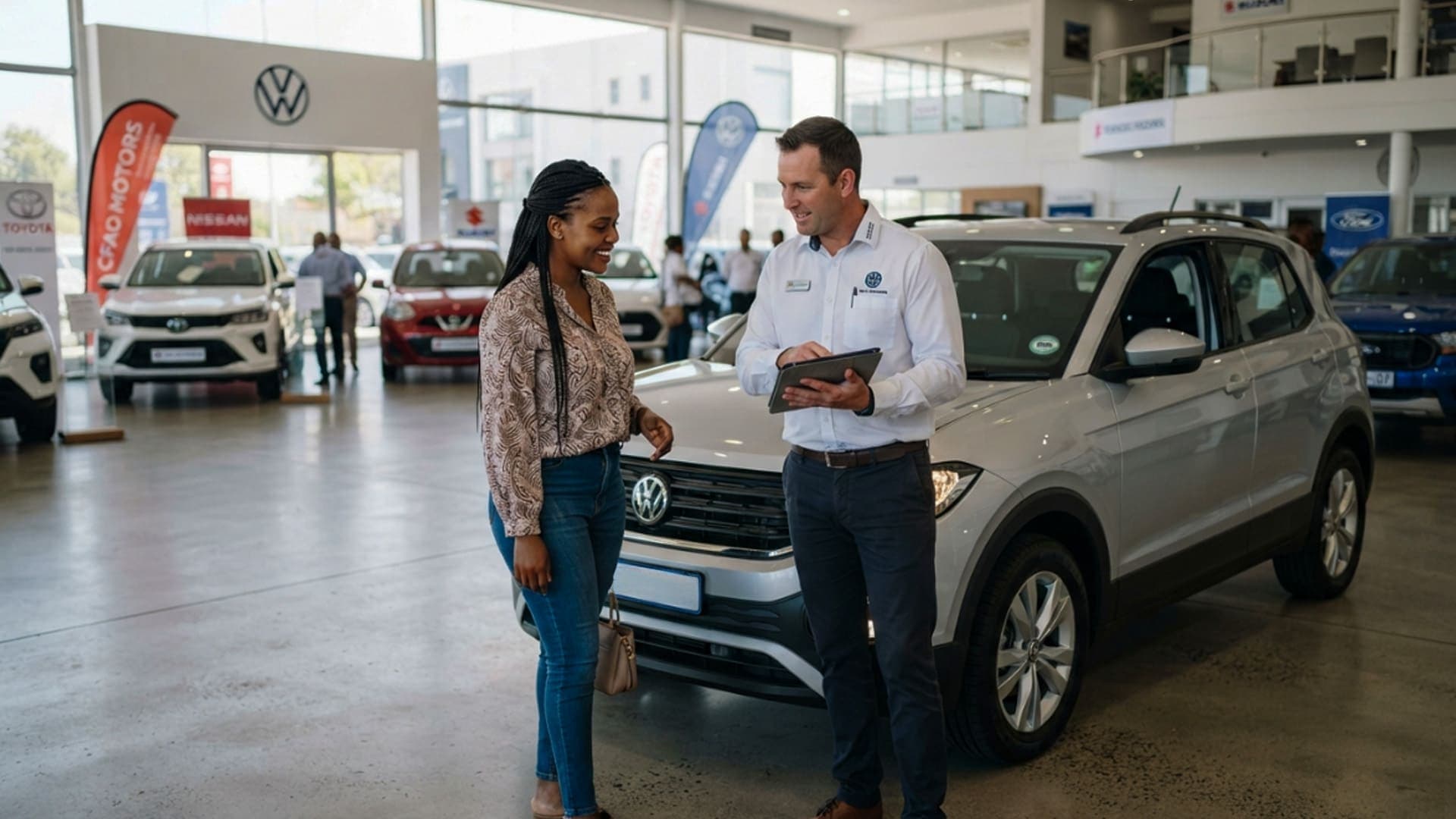
Automotive Advertising in 2026: Selling Confidence in a More Competitive Market
As South Africa’s vehicle market becomes more competitive, automotive advertising needs to do more than announce a price or specification. It needs to help buyers understand value, ownership costs and why a vehicle suits their lives.

Automotive Digital Ads in South Africa: A Shift
Exploring how South Africa’s automotive advertising evolved from print and broadcast to data-driven, programmatic digital ecosystems.

The Video Shift in Car Buying Decisions in SA
Explore how video content shapes car purchase decisions in South Africa, comparing short-form and long-form strategies for automotive marketers.