
In the golden age of combustion engines, advertising was all about power, prestige, and the purr of a V8. Billboards screamed "Zero to 100 in 4 seconds," magazine spreads showcased vehicles slicing through desert landscapes, and TV spots revelled in machismo and metallic paint. But today, the exhaust smoke has cleared, revealing a new generation of drivers whose interests veer from horsepower to planet power. As electrification takes over the automotive world, car brands are rapidly adapting their messagingÔÇöand the stakes couldnÔÇÖt be higher. The challenge? Convincing a climate-conscious generation that EVs are more than a trendÔÇötheyÔÇÖre the future of freedom on four wheels.

A New Breed of Consumer
Generation Z and younger Millennials are rewriting the rules of brand loyalty and vehicle ownership. For them, sustainability isn't a marketing gimmickÔÇöit's a non-negotiable. According to McKinsey & Company, over 70% of Gen Z consider sustainability an important factor when making purchases, and this mindset is reshaping the auto industry from the inside out. These consumers are well-informed, vocal, and digitally native. They scrutinise supply chains, track carbon footprints, and demand transparency.
Where earlier generations may have been swayed by sleek aesthetics or raw performance figures, today's buyers want to know whatÔÇÖs under the skinÔÇöboth mechanically and ethically. Was the battery ethically sourced? How recyclable are the materials? Is the production process powered by renewables? What about end-of-life options? For them, a car isnÔÇÖt just a means of transport; itÔÇÖs a symbol of their personal values.
From Torque to Truth: How Messaging Has Evolved
Advertising in the EV era is no longer about muscleÔÇöitÔÇÖs about mission. Brands are swapping the testosterone-fuelled tropes for narratives of empowerment, responsibility, and innovation. Consider the tone shift in TeslaÔÇÖs messaging: once centred on breaking speed records, now itÔÇÖs about grid independence and a solar-powered lifestyle. Volvo, once synonymous with safety, now adds sustainability to its core identity, promising to become a fully electric brand by 2030 and using blockchain to trace cobalt used in its batteries.
Then there's PolestarÔÇöarguably the poster child of transparency. Its Life Cycle Assessment reports are open to the public, and its 'Polestar 0 Project' pledges to create a truly climate-neutral car by 2030. The company doesn't shy away from imperfections; instead, it invites consumers into the development process with brutal honesty.
Contrast this with the tone of early EV advertisingÔÇöawkward, uncertain, and often filled with green clich├®s. Think leaf motifs, pastel palettes, and tree-hugging stereotypes. TodayÔÇÖs campaigns are sharper, more design-led, and intellectually engaging. They're not just selling a carÔÇötheyÔÇÖre selling a belief system.
Eco DoesnÔÇÖt Mean Aesthetic Compromise
One of the key challenges facing EV marketing is the lingering perception that eco-consciousness comes at the cost of design and performance. But manufacturers are turning that notion on its head. Just look at the Audi e-tron GT, the Porsche Taycan, or the Lucid AirÔÇösleek, sculpted, and every bit as commanding as their petrol-powered ancestors.
Advertising these models means flipping the narrative. ItÔÇÖs not ÔÇ£despite being electric, this car looks goodÔÇØÔÇöitÔÇÖs ÔÇ£because itÔÇÖs electric, this car is revolutionary.ÔÇØ This shift requires storytelling that elevates the EV as a design object, an embodiment of progress, and a statement of personal identity. Think less ÔÇ£save the whalesÔÇØ and more ÔÇ£lead the charge.ÔÇØ
Performance Meets Purpose
It's tempting to think that advertising to eco-conscious buyers means downplaying performance. But savvy marketers know the opposite is true: performance remains a key purchase driverÔÇöit just needs a new context. Acceleration, torque, and top speed are still celebrated, but they're reframed through a lens of clean power.
Take Rimac, for example. The Croatian hypercar maker has redefined electric performance. Its Nevera delivers 0ÔÇô100 km/h in under 2 seconds, powered entirely by electrons. Yet its marketing is as much about innovation and engineering as it is about raw speed. Similarly, HyundaiÔÇÖs IONIQ 5 N campaign merges high-octane driving thrills with EV credibility, appealing to traditional petrolheads while ushering them into the electric era.
This dual narrativeÔÇöperformance and purposeÔÇöallows marketers to bridge the gap between enthusiast and environmentalist. And increasingly, these two personas live within the same consumer.
The Role of Influencers and Community
EV buyers donÔÇÖt just read reviewsÔÇöthey join tribes. YouTube influencers, EV forums, Discord groups, and Reddit threads play a significant role in shaping perceptions and purchase decisions. Brands like Rivian and Tesla benefit immensely from grassroots fanbases who do much of the promotional legwork for them.
Enter the age of the "content-first" strategy. LucidÔÇÖs cinematic video diaries, Ford's behind-the-scenes EV build series, and BMWÔÇÖs documentary-style features provide transparency and entertainment in equal measure. These brands aren't broadcastingÔÇöthey're conversing.
Micro-influencers, especially those with a technical background, often have more sway than celebrities in this space. A TikTok creator explaining regenerative braking might generate more conversions than a glossy billboard on the highway. Why? Because trust now travels peer-to-peer.
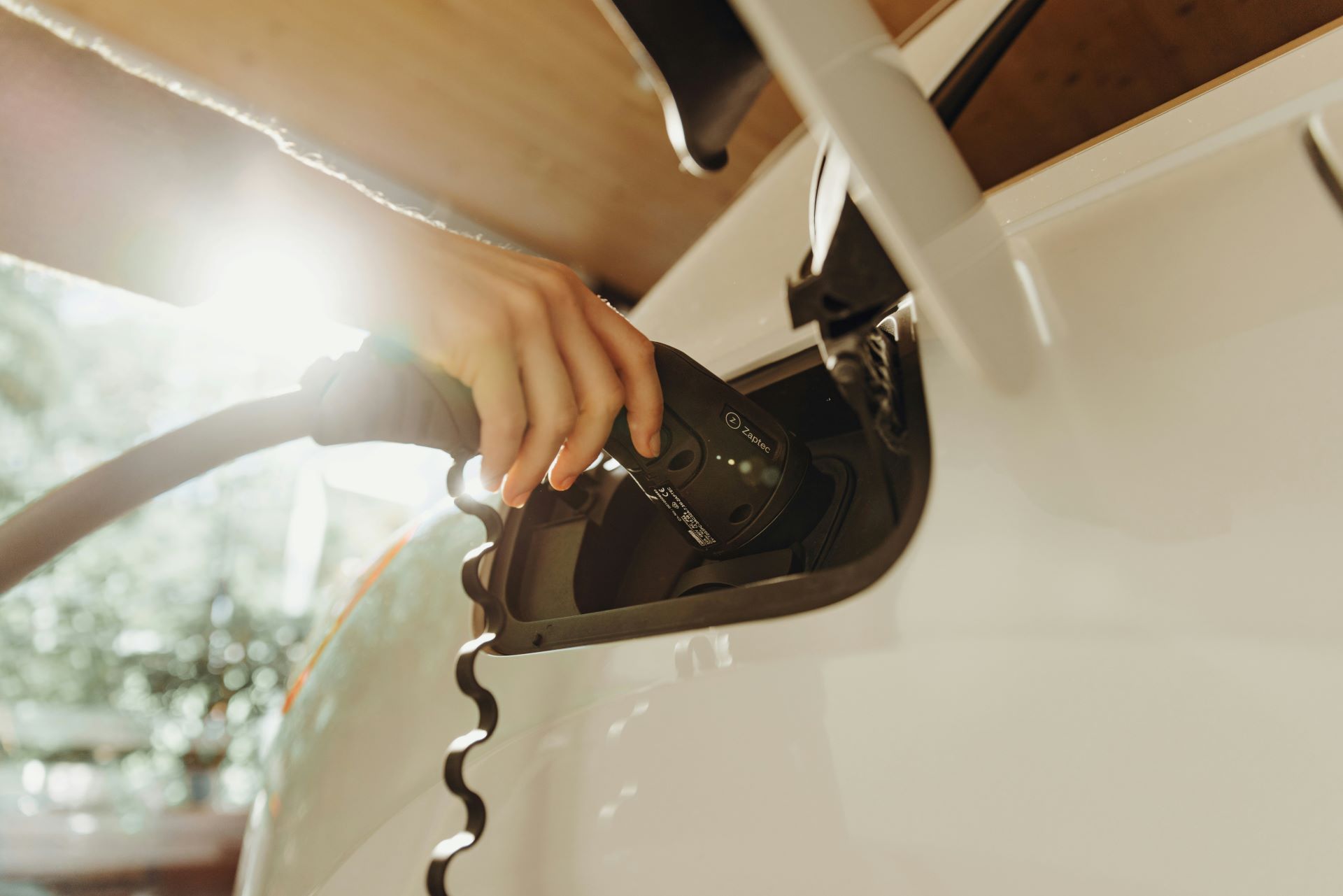
Sustainability Credentials Are Now Luxury Markers
Once upon a time, chrome detailing and V12 badges signified luxury. Today, itÔÇÖs a carbon-neutral badge and vegan interior. Luxury consumers are increasingly defined not by excess, but by ethos.
BMWÔÇÖs ÔÇ£iÔÇØ sub-brand was one of the first to leverage this idea, combining sleek design with recycled materials and silent propulsion. Mercedes-Benz followed suit with the EQ lineup, offering all the luxury trimmings minus the emissions. Even Rolls-Royce has gone electric with Spectre, billed not just as a silent cruiser, but as a ÔÇ£prophecy fulfilled.ÔÇØ
Advertising to this niche demands subtlety and sophistication. The message isnÔÇÖt just that the car is greenÔÇöitÔÇÖs that itÔÇÖs future-proof. EV buyers want to be early adopters, pioneers of progress, and marketers must feed that desire for cultural and technological relevance.
South African Perspective: Challenges and Opportunities
Zooming in on South Africa, where infrastructure challenges still pose barriers to EV adoption, marketing takes on an added layer of complexity. Load shedding, sparse charging networks, and high upfront costs make selling EVs a nuanced endeavour. Yet, this challenge opens the door for innovation.
Brands like Volvo, BMW, and Mercedes-Benz are addressing concerns head-on. Their campaigns emphasise vehicle range, home-charging solutions, and after-sales support. Toyota SA has pivoted to a more pragmatic messageÔÇöfocusing on hybrid technology as a stepping stone to full electrification.
South African marketers must walk a tightrope: educating without patronising, inspiring without overpromising. Here, green messaging is best backed by tangible solutions. Case studies, real-world testimonials, and energy-cost comparisons have proven especially effective.
Moreover, partnerships with local solar providers, eco-conscious lifestyle brands, and sustainability-focused NGOs can amplify authenticity. In a country as socially and environmentally diverse as South Africa, community-focused campaigns resonate deeply.
The Language of the Future: Clarity, Confidence, and Curiosity
Tone is everything in EV advertising. Climate-conscious consumers are allergic to greenwashing, sceptical of hyperbole, and quick to call out inconsistencies. They respond to clear, confident messagingÔÇöideally with a dose of curiosity.
HereÔÇÖs what works:
Campaigns like ÔÇ£The Ultimate Driving Machine Goes ElectricÔÇØ by BMW and ÔÇ£ReimagineÔÇØ by Jaguar Land Rover have struck this balance wellÔÇödrawing from their brand heritage while leaning into a new era.
Where WeÔÇÖre Headed: Storytelling in the Age of Electrification
As EVs move from novelty to norm, advertising will need to evolve again. The next frontier lies in storytelling that transcends the product. Cars will no longer be the starsÔÇöinstead, it's the lifestyle they unlock.
WeÔÇÖll see more brand documentaries, user-generated adventures, and collaborations with environmental pioneers and tech disruptors. Brands will align with social justice causes, biodiversity efforts, and education initiatives. TheyÔÇÖll celebrate circular economies, second-life batteries, and carbon offset programs.
This kind of storytelling demands long-term thinking and cross-platform integration. A single campaign wonÔÇÖt cut itÔÇöitÔÇÖs about building an ecosystem of meaning. A narrative that touches design, ethics, technology, and emotion.
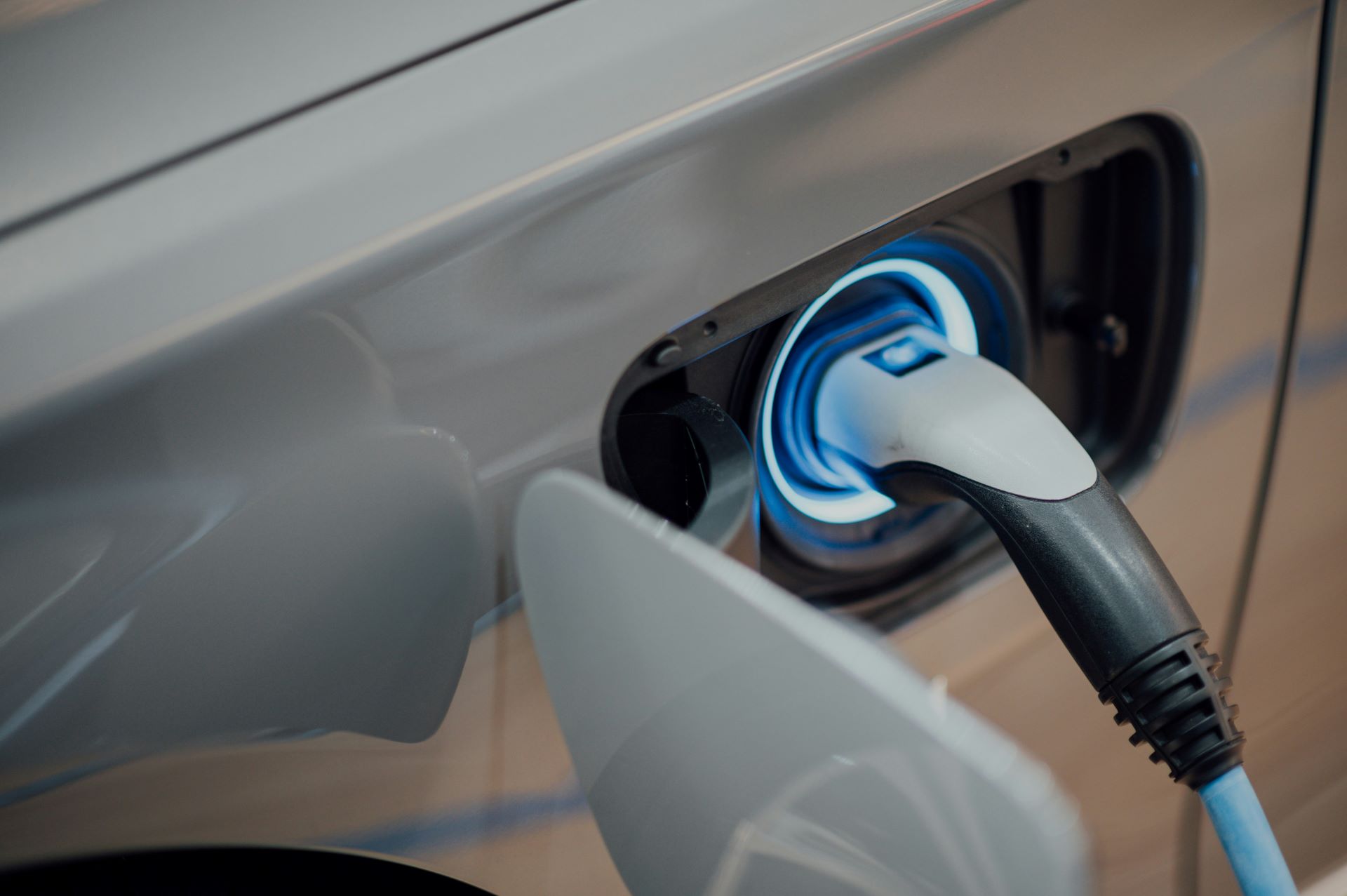
Chrome Has Had Its MomentÔÇöNow ItÔÇÖs GreenÔÇÖs Turn
Advertising EVs to a climate-conscious generation isnÔÇÖt just about selling carsÔÇöitÔÇÖs about selling change. ItÔÇÖs about understanding that the hum of an electric motor can be just as thrilling as the roar of a combustion engine, and that sustainability can be sexy, luxurious, and deeply human.
The most successful automotive brands in this new era wonÔÇÖt be the ones shouting the loudestÔÇöbut the ones speaking the clearest. To this generation, green is more than just a colourÔÇöitÔÇÖs a chrome badge of honour, polished by purpose and propelled by progress.
And the road ahead? ItÔÇÖs electric.
Breyten Odendaal
Specializing in high-performance automotive advertising and digital marketing solutions, delivering cutting-edge insights and the latest news shaping the automotive industry in South Africa.
More From Advertising

Automotive Advertising in 2026: Selling Confidence in a More Competitive Market
As South Africa’s vehicle market becomes more competitive, automotive advertising needs to do more than announce a price or specification. It needs to help buyers understand value, ownership costs and why a vehicle suits their lives.

Automotive Digital Ads in South Africa: A Shift
Exploring how South Africa’s automotive advertising evolved from print and broadcast to data-driven, programmatic digital ecosystems.

The Video Shift in Car Buying Decisions in SA
Explore how video content shapes car purchase decisions in South Africa, comparing short-form and long-form strategies for automotive marketers.