
In the last decade, the boundaries between the digital and physical worlds have blurred. Gaming has grown from a leisure activity into a powerful cultural and commercial platform. Automotive brands, traditionally rooted in showrooms, roadshows, and motorsport sponsorships, are increasingly exploring gaming as a new frontier for marketing. Virtual worlds, racing simulations, and metaverse platforms are no longer niche playgroundsÔÇöthey are arenas where automotive companies connect with audiences, experiment with brand storytelling, and even test consumer interest before physical production.
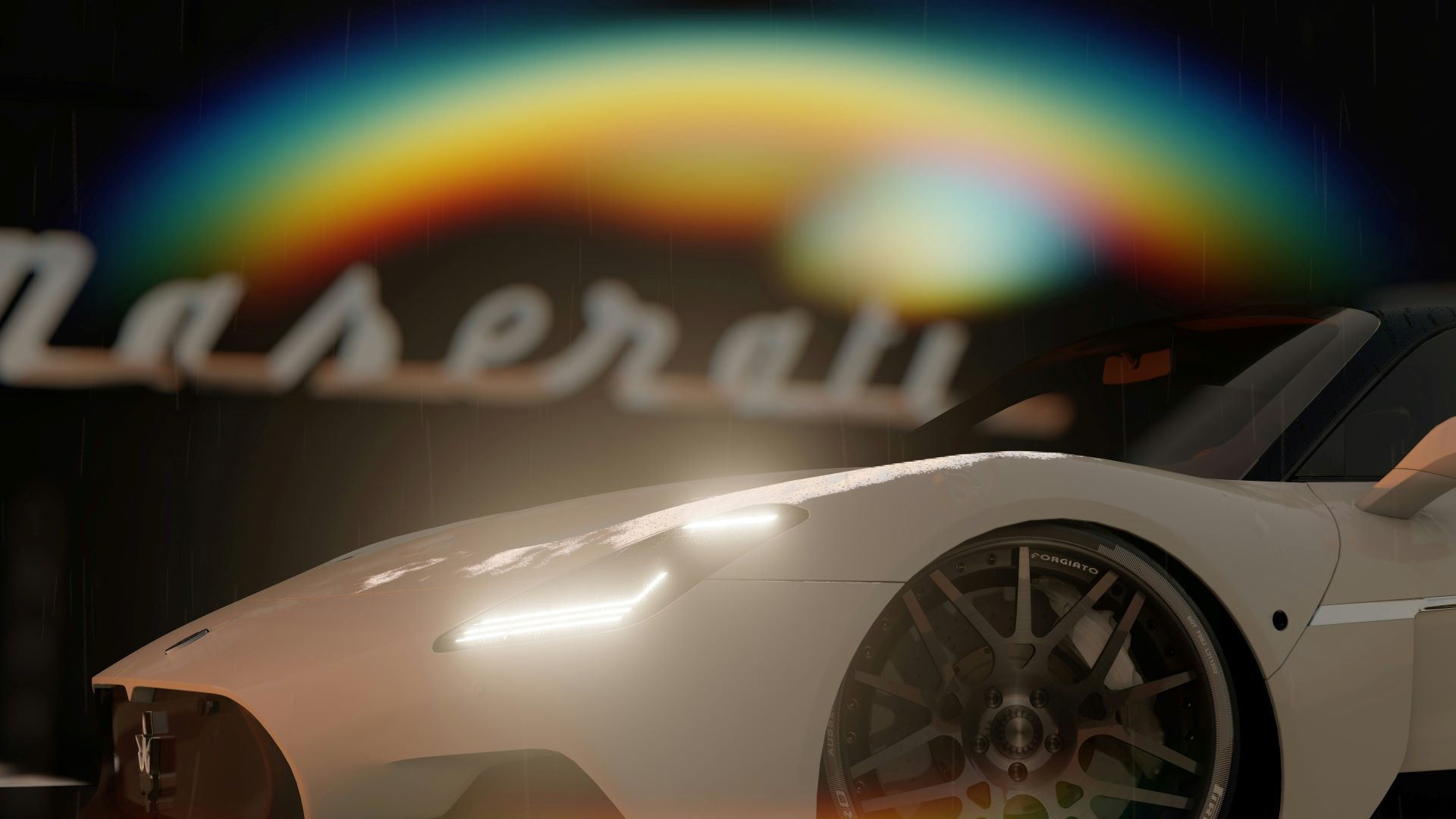
The Evolution of Automotive Marketing
Automotive marketing has always been about more than selling cars; it has been about selling lifestyles, aspirations, and experiences. From the glossy print campaigns of the 20th century to the immersive brand activations of the 21st, the goal has remained the same: create emotional resonance. In recent years, the challenge has shifted to digital landscapes. Social media, influencer campaigns, and interactive content have become standard, but gaming represents an entirely new dimensionÔÇöone where users donÔÇÖt just consume content, they inhabit it.
Car brands have realized that virtual experiences can replicate, and sometimes surpass, the emotional engagement of physical ones. Gamers spend hours building worlds, customizing avatars, and experimenting with virtual tools; placing a car in that environment allows brands to integrate themselves seamlessly into these experiences. It is not just advertisingÔÇöit is participatory storytelling.
Racing Simulations and the Rise of Virtual Showrooms
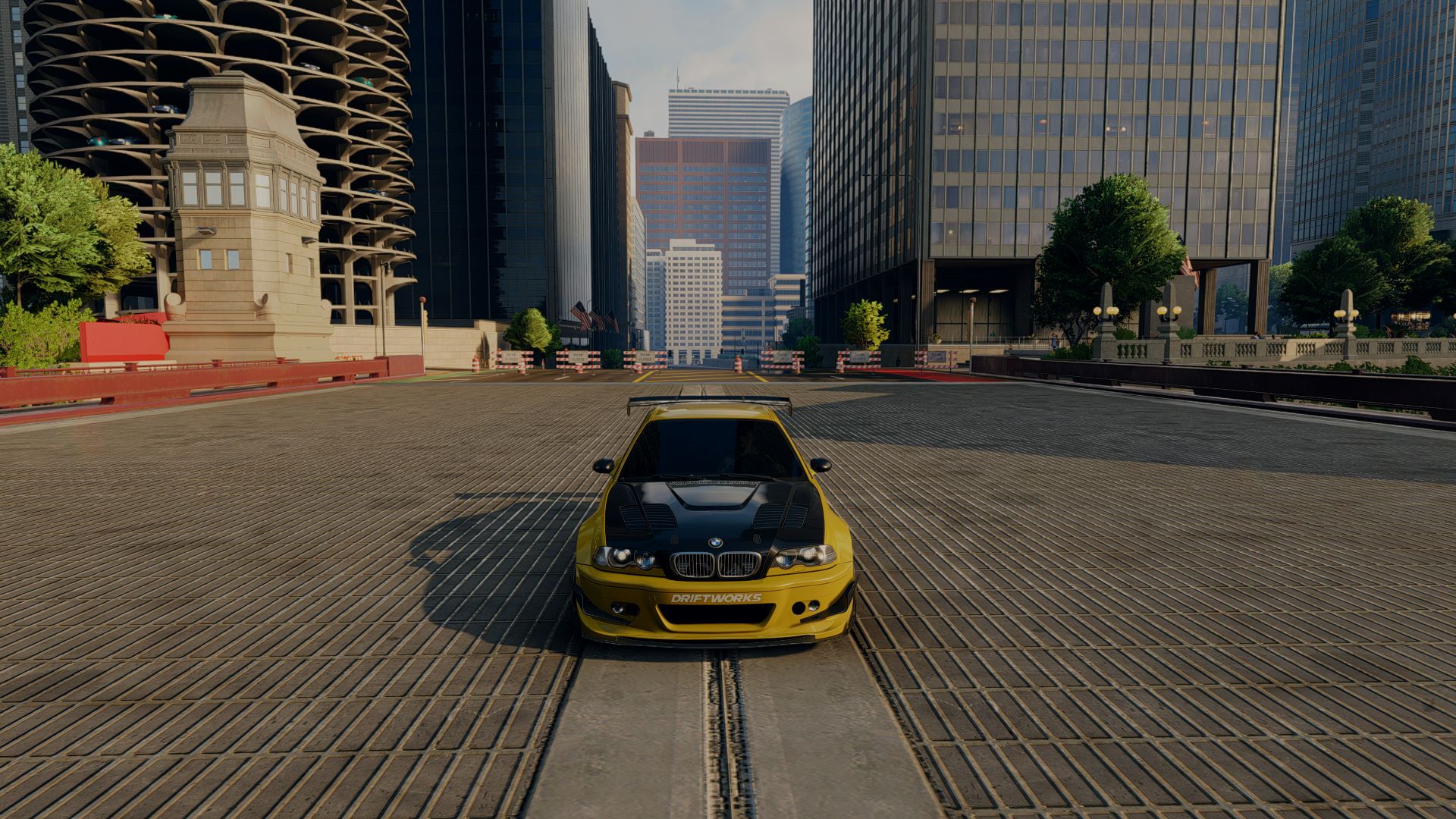
Simulated racing environments such as Forza Horizon, Gran Turismo, and F1 series offer more than entertainment. They are marketing goldmines. These platforms deliver hyper-realistic driving experiences that showcase a vehicleÔÇÖs aesthetics, performance, and technology in ways that conventional ads cannot. Players can virtually drive the latest models on tracks that replicate real-world locations, testing engine responsiveness, handling, and even sound.
The value of this approach is twofold. First, it allows automotive brands to reach a global audience without logistical constraints. A new model launched virtually is accessible to millions instantly. Second, it gathers invaluable data. Brands can track how users interact with vehiclesÔÇöthe colours they prefer, modifications they make, and the frequency of engagementÔÇöall without the costs associated with physical dealerships or live events.
Some brands have taken this further, turning games into fully integrated marketing ecosystems. For example, car manufacturers collaborate with developers to create downloadable content (DLC) packs that feature concept cars or unreleased models. These digital-first vehicles allow enthusiasts to experience cars that may never reach the production line, generating buzz, feedback, and brand loyalty simultaneously.
Metaverse and Immersive Automotive Experiences
Beyond racing games, the broader metaverse represents a revolutionary shift. Platforms such as Roblox, Fortnite, and Decentraland are transforming how brands interact with users by creating spaces where social, commercial, and entertainment experiences coexist. Automotive companies have begun to develop branded environments in these spacesÔÇöfrom virtual dealerships and showrooms to full-fledged events, such as product launches or car expos that exist exclusively online.
The metaverse allows for unprecedented personalization. Users can design and test-drive vehicles, customize interiors, and even participate in virtual road trips. For brands, this offers a new layer of consumer research. Observing how users interact with their vehicles, which features they value most, and how they customize cars provides actionable insights that inform both digital campaigns and real-world product development.
Furthermore, virtual ownership models, including NFTs and blockchain-based collectibles, are gaining traction. Limited-edition digital vehicles can be sold or auctioned as virtual assets, creating a scarcity-driven engagement strategy that mirrors the excitement of high-end car releases in the physical world.
Influencer Culture and User-Generated Content
Marketing cars in virtual worlds does not stop at placementÔÇöit extends to collaboration with influencers and the broader gaming community. Streamers and content creators are pivotal in shaping perception and desirability. Their engagement can amplify brand messaging in ways traditional advertising cannot, as it taps into trust, relatability, and authenticity.
User-generated content further enriches the marketing ecosystem. Players record gameplay, share experiences on social media, and even create mods that modify or enhance virtual vehicles. Each interaction extends the brandÔÇÖs visibility and influence organically, turning engaged audiences into co-creators of the marketing narrative. Automotive companies that embrace this approach benefit from a continuous feedback loop of engagement, promotion, and innovation.
The Psychological Appeal of Virtual Cars
There is a deeper psychological dimension to marketing cars in virtual worlds. Driving is not just a functional actÔÇöit is aspirational, thrilling, and emotional. Virtual worlds amplify these emotions because they remove practical limitations: players can push cars to their limits, explore fantastical landscapes, and experience freedom in ways that real roads cannot offer.
This immersion creates strong brand association. A player who spends hours driving a digital iteration of a vehicle develops familiarity, loyalty, and desireÔÇöemotions that translate into real-world consideration when the physical model becomes available. In effect, the virtual experience becomes a form of experiential marketing that primes future purchases.
Challenges and Considerations
While the potential is immense, marketing in gaming and virtual spaces comes with challenges. Brand integration must feel natural; forced placements risk alienating audiences. Gaming culture is highly attuned to authenticity, and players can quickly detect marketing that prioritizes exposure over engagement.
Technical limitations, platform fragmentation, and data privacy considerations also need to be addressed. Each gaming ecosystem has unique requirements, and maintaining a consistent brand identity across multiple platforms demands careful strategy.
Moreover, measuring ROI in virtual campaigns can be complex. Engagement metrics, in-game purchases, and social sharing offer proxies, but translating these into tangible sales outcomes requires sophisticated analytics and a clear understanding of the customer journey.
Looking Forward: The Future of Automotive Marketing in Virtual Worlds
As technology evolves, the line between physical and virtual automotive experiences will continue to blur. Augmented reality (AR) and mixed reality (MR) tools will allow users to overlay virtual cars into their real environments, merging showroom and digital experiences. Artificial intelligence will enable smarter, more interactive vehicles in games that respond dynamically to players, further deepening engagement.
The opportunity for automotive brands lies in embracing these platforms as experiential arenas rather than traditional advertising spaces. By creating interactive, immersive, and meaningful experiences, companies can foster a new generation of consumers who are as comfortable exploring cars in virtual worlds as they are on real roads.
Virtual worlds are no longer a marketing noveltyÔÇöthey are a strategic imperative. Brands that master this convergence of gaming, digital interactivity, and automotive storytelling will define the next era of consumer engagement, where cars are marketed not just as vehicles, but as experiences, aspirations, and cultural touchstones.
Breyten Odendaal
Specializing in high-performance automotive advertising and digital marketing solutions, delivering cutting-edge insights and the latest news shaping the automotive industry in South Africa.
More From Advertising

Automotive Advertising in 2026: Selling Confidence in a More Competitive Market
As South Africa’s vehicle market becomes more competitive, automotive advertising needs to do more than announce a price or specification. It needs to help buyers understand value, ownership costs and why a vehicle suits their lives.

Automotive Digital Ads in South Africa: A Shift
Exploring how South Africa’s automotive advertising evolved from print and broadcast to data-driven, programmatic digital ecosystems.

The Video Shift in Car Buying Decisions in SA
Explore how video content shapes car purchase decisions in South Africa, comparing short-form and long-form strategies for automotive marketers.