
In the rapidly evolving landscape of digital entertainment and advertising, one of the most striking developments over the last decade has been the convergence of virtual racing simulations and brand marketing. Racing simsÔÇöonce a niche domain for automotive enthusiastsÔÇöhave evolved into a captivating intersection of high-octane gaming, technology, and sophisticated advertising. Today, these immersive platforms are not merely a virtual racetrack; they are a dynamic arena for brands to engage with a tech-savvy, passionate audience.
In this article, we delve into the rise of racing simulators, explore their unexpected role as advertising vehicles, and examine how brands are harnessing these digital playgrounds to shift their marketing gears. We will explore the historical context that set the stage for these innovations, dissect the strategies deployed by automotive giants and lifestyle brands, and forecast future trends in this intersection of digital entertainment and advertising.
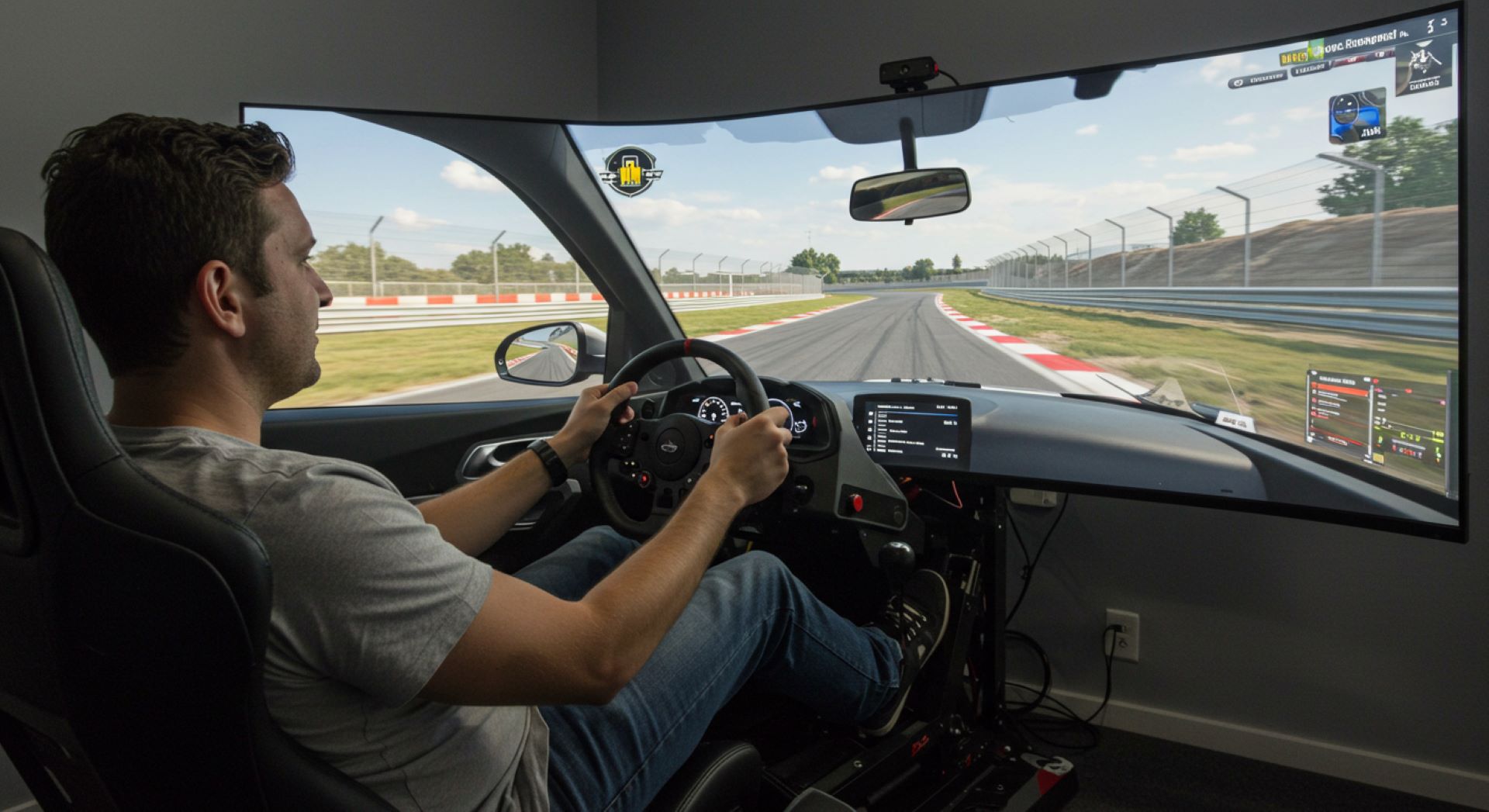
The Evolution of Racing Sims: From Niche Hobby to Mainstream Entertainment
A History in OverdriveRacing simulators first emerged as specialized platforms, designed to replicate the experience of high-speed driving with a keen eye for realism and precision. Early titles focused on replicating the physics of driving and offered a simulation that adhered closely to the mechanical intricacies of real-world racing. This authenticity quickly captured the attention of motorsports aficionados and technology enthusiasts alike, transforming racing sims from a niche hobby into a burgeoning digital culture.
Technological AdvancementsThe digital revolution fueled significant innovations in gaming technology. Improved graphics, realistic physics engines, and sophisticated AI opponents have turned racing sims into experiences that rival real-world racing in both excitement and realism. The relentless pace of technology has also driven immersive hardwareÔÇöfrom force feedback steering wheels to full-motion simulatorsÔÇömaking the sport accessible and engaging for broader audiences. These advancements have not only bolstered player immersion but have also invited brands to explore new avenues for customer engagement.
Cultural Impact and Community BuildingRacing sims have given rise to vibrant online communities where enthusiasts gather to discuss strategies, share gameplay highlights, and follow professional virtual racing leagues. These communities often resemble real-world fan bases with dedicated forums, live-streamed events, and influencer-led tournaments. This digital ecosystem has created an environment where advertisers see an opportunity to reach audiences that are both highly engaged and technologically forward-thinking.
The Advertising Shift: Racing Sims as a New Marketing Frontier
Enter the Era of Immersive AdvertisingAs traditional advertising channelsÔÇösuch as television and printÔÇögrapple with declining engagement, brands are rethinking their strategies. The solution? Immersive digital experiences that integrate brands into interactive platforms. Racing simulations offer a perfect canvas: high-quality graphics, realistic soundscapes, and interactive gameplay create a fertile ground for native advertising initiatives.
Native Advertising in the Virtual ArenaBrands have increasingly leveraged native advertising techniques, weaving product placements and brand narratives seamlessly into the gameplay. Whether itÔÇÖs the sponsorship of a racing team, the branding of a virtual car livery, or the incorporation of real-world automotive technology into simulation software, these collaborations provide an organic way to introduce products to audiences. The key here is authenticity: players are drawn to experiences that donÔÇÖt feel like intrusive advertisements but, instead, add value to the simulation.
Branded Sim Events and EsportsThe meteoric rise of esports has provided yet another channel for advertisers. Brands are funding and sponsoring virtual racing leagues and tournaments that attract millions of viewers worldwide. Esports events offer advertisers a dual advantage: they reach an engaged, largely millennial audience, and the competitive framework of these tournaments lends a legitimacy and excitement that traditional ads struggle to match. As the stakes in these virtual races have risen, so too has the quality and integration of branded contentÔÇöfurther solidifying the role of racing sims in modern advertising.
An Unconventional yet Effective MediumRacing sims offer an interactive journey rather than a passive viewing experience. This interactivity means that brands can capture user attention more effectively than in traditional media, where the consumerÔÇÖs attention span is divided between many competing narratives. By integrating into a simulation, brands provide players with tangible interactionsÔÇösuch as unlocking exclusive in-game upgrades or participating in branded challengesÔÇöwhich creates a direct link between gameplay and product experience.
Case Studies: Brands in the Fast Lane
Automotive Giants Steering Into Virtual SpacesOne of the most visible examples of this advertising evolution is the entrance of automotive manufacturers into the world of virtual racing. For decades, automakers have relied on traditional showrooms, print advertisements, and sponsorships of real-world racing events to build their brands. However, racing sims have offered these companies a new, immersive channel to showcase their innovations in performance, design, and technology.
Take, for example, a high-profile collaboration where a major automotive brand partnered with a leading racing simulator to debut its latest performance model. This integration went far beyond a mere virtual billboard. The carÔÇÖs digital twin was meticulously engineered to mirror every nuance of its real-world counterpart, from its aerodynamics to its acceleration curves. Players could test the virtual model on meticulously rendered circuits that simulated real race tracks, effectively offering a test drive experience without leaving their seat. This approach not only generated buzz among car enthusiasts but also allowed the brand to gather valuable data on user preferences and driving behaviorÔÇöinsights that could inform future product development.
Lifestyle and Tech Brands: Beyond AutomotiveWhile the most intuitive partnerships have been with automotive manufacturers, the rise of racing sims has also opened doors for lifestyle and technology brands. Energy drinks, gaming peripherals, and even financial services have found creative ways to insert their brands into virtual racing contexts. For instance, a well-known energy drink brand sponsored a series of high-stakes tournaments, offering winners exclusive merchandise and real-world prizes. Such initiatives have the dual benefit of enhancing the gaming experience while reinforcing the brandÔÇÖs identity as dynamic, energetic, and performance-oriented.
Cross-Industry Collaborations and InnovationsThe success of branded racing sims isnÔÇÖt confined to singular verticals. Cross-industry partnerships are increasingly common, where a single campaign might involve automotive brands, lifestyle products, and technology companies. These multi-faceted collaborations create a rich tapestry of branded content that caters to diverse consumer interests. For example, a recent virtual racing event might feature an automotive sponsor providing exclusive car models, a tech company offering performance-enhancing peripherals, and a lifestyle brand curating an exclusive post-race digital lounge for players to interact and network. This blend of sponsors not only maximizes reach but also enhances the overall experience, allowing brands to benefit from shared audiences and mutual reinforcement of brand values.
The Mechanics Behind the Campaigns
Seamless Integration through In-Game DesignOne of the most significant advantages of using racing sims as advertising platforms is the ability to embed branded content directly within the gameÔÇÖs design. Designers and developers now routinely incorporate real-world brands into the gameÔÇÖs ecosystem in ways that add to the authentic feel of the experience. Branded billboards, sponsor logos on virtual tracks, and in-car navigational systems displaying sponsor messages are just a few examples of how digital advertising can be subtly woven into gameplay. These integrations are carefully curated to ensure they do not disrupt the gaming experience; instead, they enhance realism and create a cohesive world where the line between simulation and reality blurs.
Data-Driven Storytelling and Audience EngagementIn the digital age, data is the new currency, and racing sims provide a wealth of insights into user behavior. Advertisers can track in-game actions, analyze engagement metrics, and even measure the impact of their branded content on a global scale. This data-driven approach allows companies to refine their marketing strategies in real time. For instance, if a particular branded element in a racing sim captures more attention, brands can quickly adapt by emphasizing that aspect in subsequent campaigns. Moreover, personalized marketing effortsÔÇötailored to the habits and preferences of individual playersÔÇöfurther bridge the gap between the virtual and the real world, fostering stronger brand loyalty and an elevated sense of customer engagement.
Innovation in Rewards and Loyalty ProgramsModern marketing strategies hinge on the idea of rewarding consumer loyalty. In racing sims, this principle has been ingeniously applied through the introduction of in-game rewards tied to real-world benefits. Some brands have pioneered programs where players earn points or unlock exclusive offers every time they engage with branded content. These rewards might include discounts on real-world products, early access to new releases, or even invitations to exclusive events. This blend of virtual incentives and real-world perks creates a compelling reason for players to interact with branded content, transforming the advertising experience into a mutually beneficial relationship.
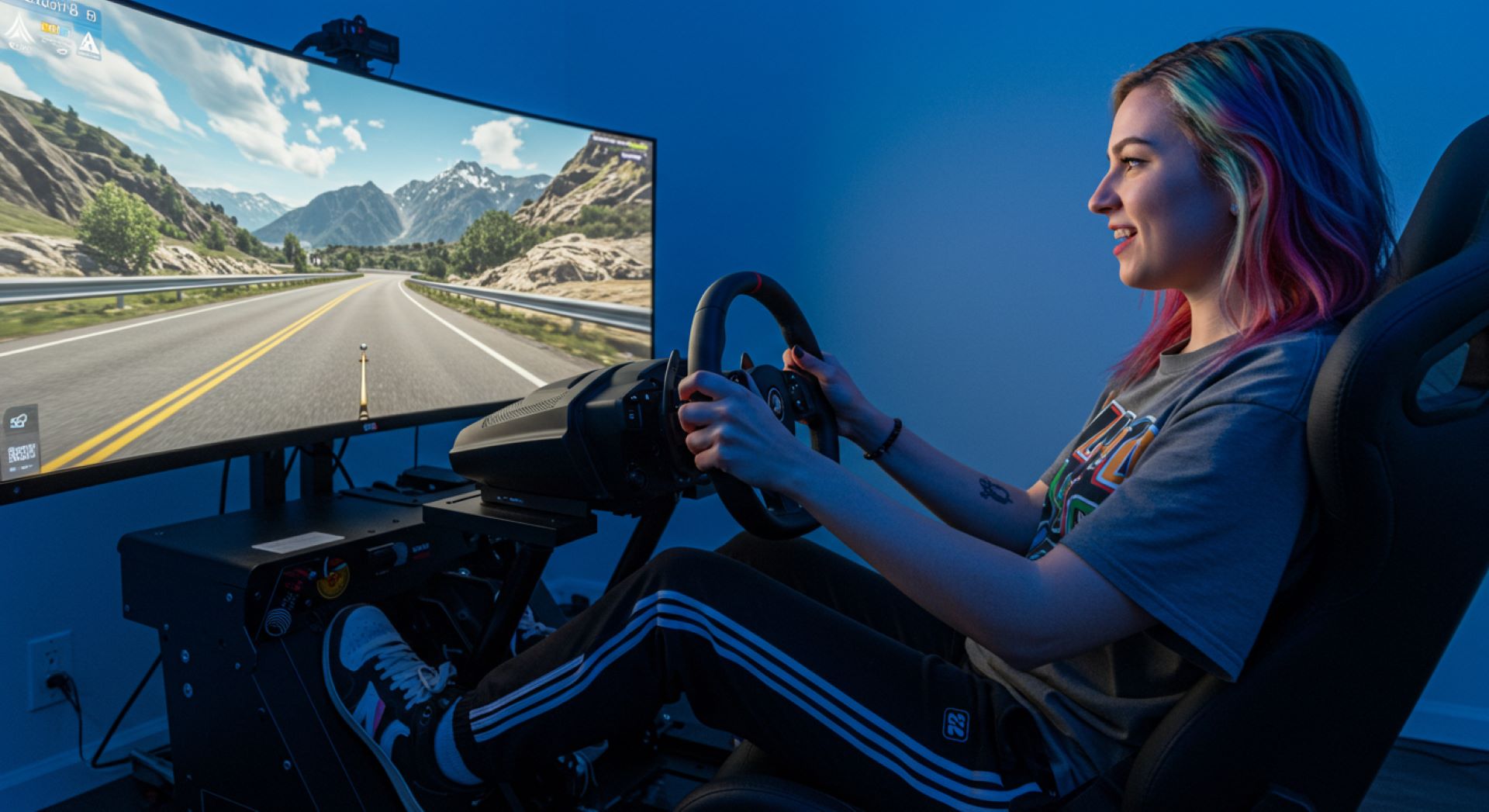
The Consumer Experience: Why Players Embrace Branded Racing Sims
Enhanced Realism and ImmersionFor many players, the most appealing aspect of racing sims is the level of immersion they offer. High-quality graphics, authentic sound design, and meticulous attention to detail combine to produce a gaming experience that feels strikingly real. When advertising elements are designed with this same level of care, they blend seamlessly into the environment. The result is an advertising experience that feels more like an integral part of the game rather than a disruptive interruption. When brands complement the gameÔÇÖs narrative, they contribute to the overall realism, fostering a deeper connection between the player and the digital world.
Community, Competition, and ConnectionAt the heart of every successful gaming experience lies the community. Racing sims have nurtured tight-knit communities that thrive on competition, camaraderie, and shared passions. Branded content that acknowledges and integrates these community aspects tends to be exceptionally well-received. Whether itÔÇÖs through sponsoring tournaments, hosting live events, or creating exclusive online forums for fans, brands can leverage these communities to amplify their message. The competitive spirit inherent in these platforms encourages players to become brand ambassadors, sharing their experiences on social media, discussing strategies on forums, and even influencing peersÔÇÖ purchasing decisions. Thus, a cleverly integrated advertising campaign not only reaches a vast audience but also cultivates a network of highly engaged advocates.
Emotional Engagement and Brand AffinityGaming, particularly within the realm of high-intensity racing sims, often evokes strong emotional responses. The thrill of the race, the satisfaction of a perfectly executed maneuver, and the rush of competition all contribute to an emotional narrative that players carry with them. When brands tap into these experiences, they create lasting memories that can enhance brand affinity. A car manufacturer, for instance, might integrate subtle nods to its heritage or cutting-edge innovation into the gameÔÇÖs storyline, fostering an emotional resonance that transcends the screen. This strategy not only enhances player engagement but also builds a narrative that consumers associate with quality, performance, and reliability.
The Strategic Benefits for Advertisers
Targeting a Captive AudienceOne of the most compelling advantages of advertising in racing sims is the access to a highly engaged, targeted audience. These platforms attract tech-savvy, performance-oriented individuals who are often at the forefront of adopting new technologies. This audience is not only willing to spend time immersed in the virtual world but also exhibits a strong propensity for brand loyalty and influencer behaviorÔÇömaking them ideal targets for sophisticated, interactive advertising campaigns.
Measurable Impact and Return on InvestmentUnlike traditional advertising mediums, digital platforms provide granular data that allow advertisers to monitor performance in near real time. Every click, every interaction, and every moment spent engaging with branded content is measurable. This wealth of data offers advertisers an unprecedented level of insight into campaign effectiveness, allowing them to refine strategies, optimize content, and maximize return on investment. By correlating in-game actions with real-world behaviors, companies can gain valuable insights into consumer preferences, paving the way for even more tailored, data-driven marketing initiatives.
Building Brand Credibility and AuthenticityAuthenticity has become a critical currency in todayÔÇÖs advertising landscape. Brands that align themselves with the values and interests of their audience are more likely to resonate and build lasting relationships. By choosing to engage with the racing sim community, advertisers signal that they recognize and respect the nuanced interests of this dynamic demographic. This authenticity is further enhanced when branded content is seamlessly integrated into the simulation experience, reinforcing the idea that the brand is not merely an advertiser but a genuine participant in the passion and culture of the racing world.
The Future of Racing Sims and Advertising
Technological Disruptions and OpportunitiesAs virtual and augmented reality technologies continue to advance, the boundary between digital and physical experiences is set to blur even further. We are witnessing the early stages of a transformation where virtual racing experiences could integrate mixed-reality features, creating an even more immersive advertising medium. Imagine real-world test drive experiences, augmented by virtual racing simulations that allow players to experience a vehicleÔÇÖs performance in a controlled, interactive environment before making a purchase decision. This convergence of technology and advertising opens up new possibilities for brands to create bespoke, multi-sensory campaigns that captivate and convert.
Expanding Beyond Racing SimsWhile racing sims currently represent a vibrant niche for immersive advertising, the underlying principles are applicable across a broad spectrum of gaming experiences. Platforms that offer realistic simulationsÔÇöbe it flight simulators, sports games, or even virtual reality adventure platformsÔÇöare increasingly becoming arenas for innovative advertising. Brands that can successfully navigate the subtleties of interactive engagement in one domain may well find themselves at the forefront of a broader digital revolution, where advertising becomes less about interruption and more about integration and enhancement of the user experience.
Embracing the Collaborative FutureThe future of advertising in gaming is inherently collaborative. Game developers, advertisers, and technology providers are forming partnerships that leverage each otherÔÇÖs strengths. These collaborations are not just transactional but are strategic alliances aimed at co-creating experiences that resonate with modern consumers. By pooling resources, sharing data insights, and focusing on user experience, the automotive, lifestyle, and tech industries are setting the stage for a new era of collaborative marketingÔÇöone where every race, every lap, and every digital interaction plays a part in telling a brandÔÇÖs story.
Challenges and Ethical ConsiderationsDespite the many opportunities, there are inherent challenges and ethical considerations that brands must navigate. Maintaining the fine balance between authentic engagement and overt advertising is critical. Over-saturation of branded content can alienate players, undermining the immersive experience that makes racing sims so appealing. Transparency in advertisingÔÇömaking sure that players understand when they are interacting with sponsored contentÔÇöis essential in building trust and avoiding potential backlash. As technology advances, these ethical considerations will continue to play a central role in shaping the future of branded content in gaming.

Shifting Gears in a Digital World
Racing sims have driven a transformation in the way we view interactive entertainment and advertising. What began as a passion for realistic, immersive driving experiences has evolved into a sophisticated, data-driven marketing environment where brands can directly engage with consumers in dynamic, meaningful ways. Through innovative product placements, immersive sponsorships, and data-rich storytelling, companies have discovered that the virtual racetrack is more than just a gaming platformÔÇöit is a powerful advertising avenue that offers unprecedented opportunities for engagement, insight, and brand building.
For brands willing to invest in authentic, experience-driven marketing strategies, the world of racing sims presents a uniquely compelling proposition. By integrating seamlessly with the in-game environment, leveraging immersive technologies, and embracing the collaborative spirit of modern digital marketing, advertisers are rewriting the playbook on what it means to connect with consumers. As technology continues to advance and the boundaries between the digital and the real blur further, the advertising opportunities in virtual racing will only accelerateÔÇöpropelling brands into new dimensions of engagement and setting the stage for the next lap in the evolution of marketing.
In this dynamic and ever-changing landscape, embracing innovation is not just an optionÔÇöitÔÇÖs a necessity. As we look to the future, one thing remains clear: the integration of racing sims into the advertising world is driving a paradigm shift that is set to redefine how brands and consumers interact in an increasingly digital world. Whether youÔÇÖre an automotive powerhouse or a lifestyle brand seeking to make your mark, the virtual racetrack is waitingÔÇöan arena where every shift in gears is a step toward a new era in advertising.
From the adrenaline-fueled competitions on the digital track to the seamless integration of native advertising elements, racing sims have carved out a niche that marries technology, entertainment, and marketing like never before. For both players and brands, the journey is just beginning, and the race toward innovation continues with every lap completed, every digital cheer echoing the promise of a future where advertising is as much about experience as it is about exposure.
The road ahead is full of promise. As brands become more adept at leveraging the unique advantages of virtual environments, and as technology continually pushes the limits of whatÔÇÖs possible, the unexpected advertising avenues offered by racing simulators may well speed ahead, redefining industry standards and transforming passive views into active engagement. In this thrilling race, those who shift their gears with precision and purpose will lead the pack into a future where every digital interaction is a chance to drive engagement and ignite brand passion.
Breyten Odendaal
Specializing in high-performance automotive advertising and digital marketing solutions, delivering cutting-edge insights and the latest news shaping the automotive industry in South Africa.
More From Advertising

Automotive Advertising in 2026: Selling Confidence in a More Competitive Market
As South Africa’s vehicle market becomes more competitive, automotive advertising needs to do more than announce a price or specification. It needs to help buyers understand value, ownership costs and why a vehicle suits their lives.

Automotive Digital Ads in South Africa: A Shift
Exploring how South Africa’s automotive advertising evolved from print and broadcast to data-driven, programmatic digital ecosystems.

The Video Shift in Car Buying Decisions in SA
Explore how video content shapes car purchase decisions in South Africa, comparing short-form and long-form strategies for automotive marketers.