
In today's digitalÔÇæfirst landscape, the automotive sector is steering away from conventional marketing and into the interactive world of play. From augmentedÔÇæreality apps to branded videogame tieÔÇæins, car manufacturers are turning the driverÔÇÖs journey into a game ÔÇö one in which the prize is deeper engagement, stronger brand affinity and ultimately more sales.
As a copyÔÇætweaking, gearÔÇæshifting (and just a little bit silly) copywriter based in South Africa, IÔÇÖm delighted to take you through this evolving frontier of automotive marketing. IÔÇÖll walk you through what ÔÇ£gamificationÔÇØ means in the context of cars, why it matters, how brands are doing it (with concrete case studies) and how marketing teams can design their own highÔÇæoctane gamified campaigns.
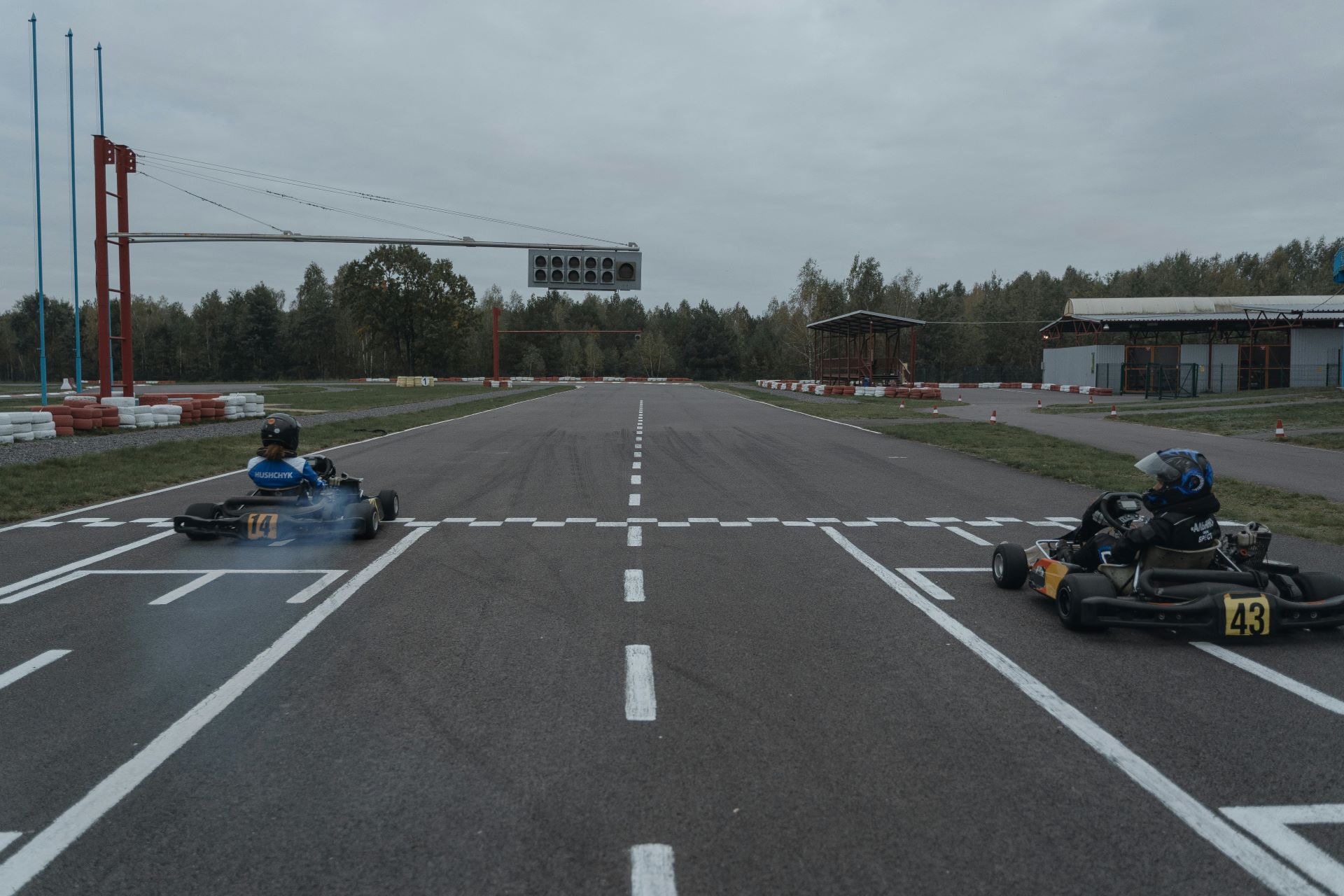
What does ÔÇ£gamifying the driveÔÇØ really mean?
At its core, gamification is the application of gameÔÇæthinking and gameÔÇæmechanics to nonÔÇægame contexts. In the automotive world this means: rewarding behaviours, creating immersive digital experiences, building competition or achievement systems, and weaving virtual tieÔÇæins into realÔÇæworld carÔÇæbuying, ownership or brand interaction.
In practice: a brand might launch an app where drivers earn badges for ecoÔÇædriving, a configuration tool that feels like a game, or a tieÔÇæin with a racing videogame where users can drive the brandÔÇÖs vehicles in a virtual world. These arenÔÇÖt gimmicks ÔÇö when done with strategy, they tap into motivation, fun and community.
Why is this particularly relevant for automotive marketing? Because buying a car is often a highÔÇæinvolvement, highÔÇæcost decision. Brands need to build emotional connections, longÔÇæterm loyalty and differentiate themselves. Gamified experiences offer more than a static advert ÔÇö they invite participation, make the brand memorable, and can bridge the physical and digital domains.
Why automotive brands are embracing gamification
Engaging younger, digitallyÔÇænative audiences
With younger buyers spending more time on mobile, gaming and virtual worlds, automotive brands must meet them where they are. By offering interactive experiences rather than just broadcast ads, brands can build deeper engagement. For example, the brandÔÇæinÔÇægame placements or branded miniÔÇægames position cars within the context of play ÔÇö where younger prospects already spend time.
Building behavioural change and loyalty
Gamification encourages players (or users) to perform specific actions: exploring features, testÔÇædriving, sharing content, visiting a showroom, or learning about a brandÔÇÖs technology. Those actions accumulate into points, badges, rewards. This helps shift users from passive consumers to active participants. For instance, gamified loyalty apps for car owners turn routine service interactions or driving behaviour into rewards.
Bridging virtual and realÔÇæworld experiences
In automotive, the ÔÇ£real worldÔÇØ ÔÇö test drives, showroom visits, car delivery, driving the vehicle ÔÇö remains crucial. Gamified digital experiences serve as gateways. For example, an AR app lets you ÔÇ£virtually driveÔÇØ the car, then you can book a test drive in real life. A branded game event might reward winners with real driving experiences. The bridge helps convert engagement into tangible outcomes.
Creating data and insights
Gamified campaigns collect behavioural data: which features users explore, how they configure cars, how they interact with brand assets. This data feeds back into marketing, product development, even dealership training. Rather than just reach and frequency, brands gain granular insight into engagement paths.
Key mechanics in automotive gamification
(Yes, I know  me switching rs becomes ws sometimes, but when writing articles Ill dial that back well, mostly.)
Here are some of the dominant mechanics youÔÇÖll see:
Points and badges: Users accumulate points for actions (e.g., virtual testÔÇædrive, app login, challenge completion). They unlock badges that signal achievement or status.
Leaderboards and competition: Visible ranking systems encourage users to outperform peers or friends ÔÇö ideal for communities of enthusiasts.
Challenges and quests: Campaigns structured as missions (e.g., ÔÇ£cover 100ÔÇ»km in ecoÔÇæmodeÔÇØ, ÔÇ£complete a virtual racetrack in <2ÔÇ»minsÔÇØ, ÔÇ£find hidden AR car in city mapÔÇØ).
Rewards and unlocks: From digital rewards (avatars, skins, customization items) to realÔÇæworld perks (discounts, exclusive events, testÔÇædrives). Example: the Porsche Austria ÔÇ£BONEOÔÇØ app gives a chance at a weekend in a Porsche.
Virtual tieÔÇæins / inÔÇægame placement: Cars appear in popular racing games; users drive branded vehicles in virtual worlds. Example: the Tesla campaign in the Chinese version of PUBG Mobile where players could drive Tesla vehicles inÔÇægame.
Augmented / Virtual Reality experiences: AR/VR allow users to ÔÇ£placeÔÇØ the car in their environment, drive it virtually, or experience brand environments. Example: the Lexus AR app to preview and ÔÇ£driveÔÇØ a model.
Social sharing & community aspects: Encouraging users to share results, compete with friends, collaborate. Builds viral momentum and peer endorsement.
Feedback loops and iteration: Using data to refine challenges, detect what resonates, improve the gamified experience over time.
Illustrative case studies
Case study: Tesla and PUBG tieÔÇæin
Tesla collaborated with Tencent and PUBG Mobile in China, allowing players to drive Tesla vehicles within the game.
What makes this effective:
The demographic aligned: average PUBG player ~36ÔÇ»yrs old, average Tesla buyer ~38 yrs.
The brand entered an entertainment space where target audience already is.
Engagement happens where people spend time (gaming) rather than interrupting them with traditional ads.
Virtual experience built affinity and topÔÇæofÔÇæmind recall for Tesla among gamers.
Case study: Porsche Austria ÔÇô BONEO loyalty app
Porsche Austria launched a loyalty programme app where owners get their own avatar, can open lootÔÇæboxes (with rewards ranging from coffee to weekend Porsche drives).
Highlights:
Gamified ownership not just purchase: keeps owners engaged postÔÇæsale.
Leaned into exclusivity and reward mechanics (which fit a luxury brand).
Strengthened longÔÇæterm brand connection rather than just oneÔÇætime sale.
Case study: Mercedes Urban Hunt mixedÔÇæreality campaign
MercedesÔÇæBenz ran ÔÇ£Urban HuntÔÇØ in Zurich for the launch of the GLC Coupe: a mixed reality app turned the city into a playing field ÔÇö players collected health packs, avoided traps, tried to survive a ÔÇ£hunterÔÇØ car.
What works here:
Big scale event, blending physical city+digital app: very experiential.
Media friendly (thousands took part, high buzz).
Fun element drove wordÔÇæofÔÇæmouth and brand storytelling.
Case study: ToyotaÔÇÖs interactive campaign
Toyota used an interactive ÔÇ£Christmas calendarÔÇØ gamified experience focused on quiz formats. Their goal was permissionÔÇæcollection (data) and repeat visits, not just showroom footfall.
Takeaways:
Gamification also works in ÔÇ£softerÔÇØ areas ÔÇö leadÔÇæcapture, data enrichment, digital engagement.
DoesnÔÇÖt always need a physical car drive; can be broader brand experience.
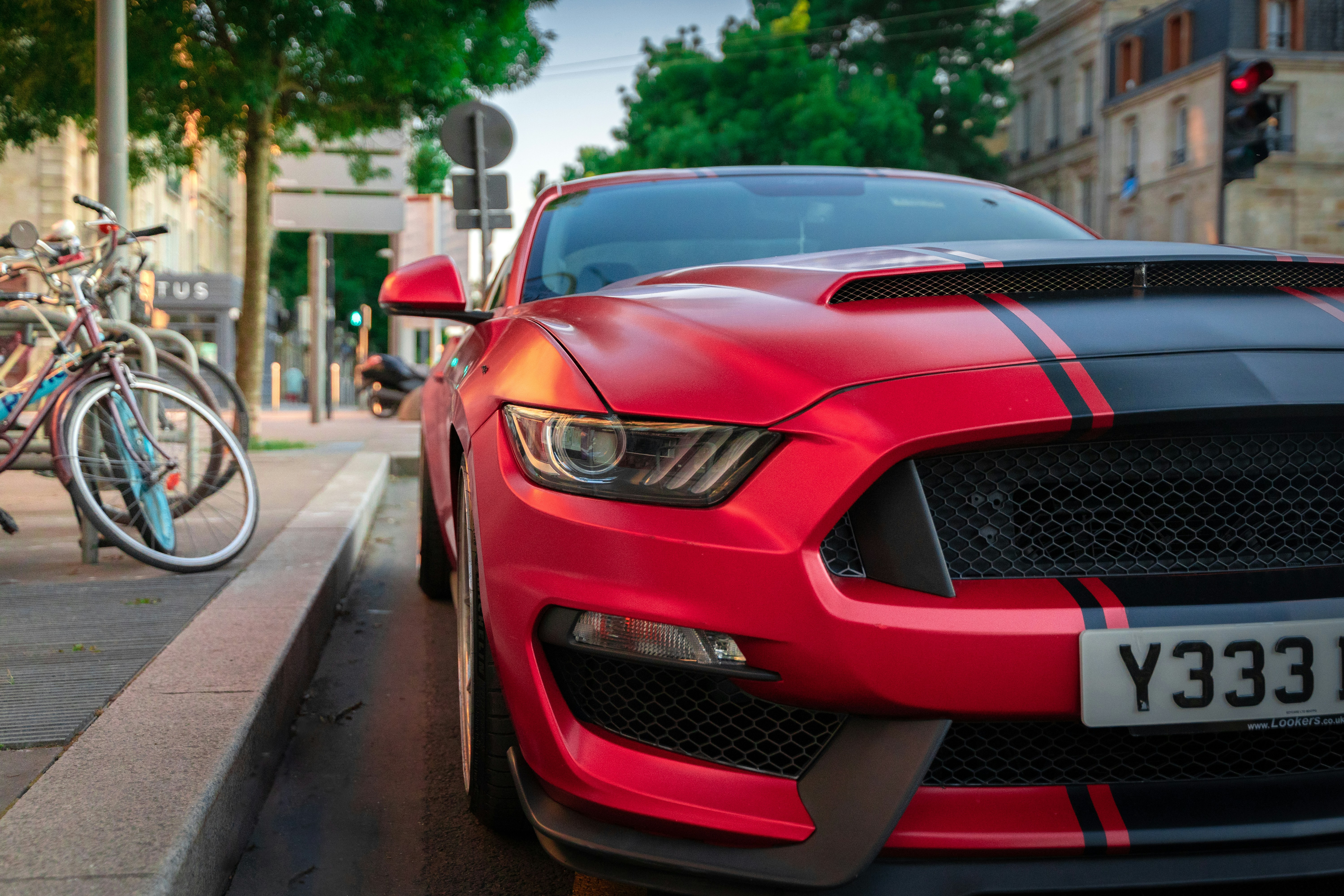
Designing your own gamified automotive campaign: A roadmap
If youÔÇÖre crafting this kind of campaign (and yes ÔÇö IÔÇÖm switching a few wÔÇÖs still because I remember being asked to), here are key considerations:
Align with brand purpose and target audience
DonÔÇÖt gamify just for the sake of gaming. The experience should reflect the brandÔÇÖs personality, values and audience behaviours. Is your brand sporty? HighÔÇætech? EcoÔÇæfriendly? Luxury? These should shape the tone, mechanics and rewards.
Choose meaningful behaviours to reward
What action matters most to your brandÔÇægoals? TestÔÇædrives? Virtual configurator exploration? Sharing on social? Driving in ecoÔÇæmode? Once thatÔÇÖs clear, build challenges or badges around those behaviours.
Make it fun, fair and shareable
A gamified experience must first entertain. Use storytelling, clear visuals, and ensure progression feels achievable. Avoid shallow ÔÇ£click to winÔÇØ schemes ÔÇö sophistication wins. Also integrate social sharing to amplify reach.
Bridge digital to physical
Especially in automotive, digital campaigns should hook users and guide them toward realÔÇæworld touchpoints: showroom, testÔÇædrive, vehicle purchase, service station. Gamification shouldnÔÇÖt live only in isolation.
Monitor, iterate and reward
Data is your friend. Track which challenges are played, where dropÔÇæoff happens, which rewards excite people. Use that insight to refine the mechanics. Also, ensure rewards feel significant and map to brand value (e.g., exclusive event, upgrade, VIP access).
Plan for longevity and lifecycle
LifeÔÇætime ownership and loyalty matter. Consider experiences that donÔÇÖt end at purchase but evolve: ownersÔÇÖ apps, driving challenges, seasonal campaigns. This enhances retention and advocacy.
Localise for your market
Since youÔÇÖre working in South Africa (and internationally) ensure localisation: language, culture, incentives, local driving habits. Gamification works best when it resonates with the userÔÇÖs environment.
Tactics that are particularly relevant in the South African and global context
Virtual testÔÇædrives & AR configurators: In markets where showroom access is limited, AR experiences allow users to visualise cars in their driveway or ÔÇ£driveÔÇØ virtually.
EcoÔÇædriving challenges: With growing interest in sustainability and EVs, gamifying efficient driving (or EV range optimisation) resonates globally.
MobileÔÇæfirst campaigns: Many South African consumers use mobile for research; gamified branded apps, SMSÔÇædriven challenges or mobile AR experiences can reach wider audiences.
Community and peer competition: Use leaderboards (e.g., ÔÇ£most efficient driver in your city this monthÔÇØ) to build local community and buzz.
Partnerships with gaming platforms: Replicate the TeslaÔÇæPUBG model in localised form: brand presence in popular games or virtual race events tied to vehicles.
Offline popÔÇæup experiences: Combine digital with live events: cityÔÇæwide scavenger hunts using AR, dealership challenges with leaderboards, branded VR racing rigs in malls.
Pitfalls to avoid and challenges to overcome
Superficial gamification: Simply slapping on points and badges without meaningful design yields weak engagement. One article warns of the ÔÇ£typical trapÔÇØ of badges without deeper motivation.
Misalignment with brand or target audience: Gamification must feel authentic to the brand. A luxury brand trying lowÔÇæbrow game mechanics may misfire.
OverÔÇæcomplexity: If the mechanics are too confusing or the experience is too heavy (lots of downloads, long onboarding), youÔÇÖll lose users before they engage.
Neglecting measurement and iteration: Without data and insight, the campaign wonÔÇÖt evolve. Automotive brands that succeed in this space use real feedback loops.
UnderÔÇærewarding or poor incentive structure: If the rewards donÔÇÖt feel valuable or the path to reward is too long, users will abandon.
Siloed digital experience: If the gamified experience lives entirely in a vacuum, without linking to realÔÇæworld brand touchpoints, the impact on conversion will be weak.
The future of gamified automotive marketing
As technology evolves, gamification in automotive will evolve with it. Some emerging trajectories:
Metaverse and virtual showrooms: Brands may build virtual showrooms inside metaverse platforms, where users can explore vehicles, customise avatars, and engage in driving challenge events.
MixedÔÇæreality test drives: VR/AR hybrid environments that overlay the real world with gamified elements: e.g., ÔÇ£collect energy packsÔÇØ while driving an EV in the city, or ÔÇ£beat ghostsÔÇØ in performance modes.
Connected car/data gamification: Vehicles themselves provide data. Brands can turn driving behaviour into an ongoing game: e.g., ÔÇ£unlock 100ÔÇ»ecoÔÇæpoints this monthÔÇØ, ÔÇ£community leaderboard: most efficient route in your regionÔÇØ.
CrossÔÇæplatform campaigns: Seamless transitions between mobile game, social media, dealership, onÔÇæroad driving.
HyperÔÇæpersonalisation: Using data to tailor challenges or rewards to individual driver profiles. The gamified experience isnÔÇÖt oneÔÇæsizeÔÇæfitsÔÇæall.
Sustainability and social mission gamification: Brands can gamify sustainable driving behaviours or carbonÔÇæsaving challenges. This resonates globally and ties to brand purpose.
According to recent commentary, gamification in automotive marketing is not just novelty ÔÇö itÔÇÖs evolving into a purposeful, resultsÔÇædriven approach. Brands that harness it effectively will win in engagement, loyalty and ultimately, conversion.

Final thoughts
Gamification offers automotive marketers a fast lane into deeper engagement, richer data and better conversion ÔÇö when done right. It transforms passive audiences into active participants, leverages fun to build brand affinity, and links virtual experiences to realÔÇæworld outcomes.
For youÔÇöwriting content, building campaigns, targeting South African and global marketsÔÇörecognise that gamified experiences donÔÇÖt replace the physical car or the showroom experience. They enhance, extend and modernise it. The sweet spot lies in blending the digital and the physical, building meaningful behaviours into enjoyable experiences, and rewarding users in ways that resonate with your brand.
So next time you sit down to craft a campaign for an automotive client, consider this: What if owning or interacting with this car brand could feel like a game? What if the user earned status, explored virtual worlds, shared triumphs with friends ÔÇö all while driving realÔÇælife engagement back to the dealership?
In short: shift from selling a car to inviting the driver into a world. Play is no longer optional ÔÇö itÔÇÖs part of the journey. LetÔÇÖs gamify the drive.
Breyten Odendaal
Specializing in high-performance automotive advertising and digital marketing solutions, delivering cutting-edge insights and the latest news shaping the automotive industry in South Africa.
More From Advertising

Automotive Advertising in 2026: Selling Confidence in a More Competitive Market
As South Africa’s vehicle market becomes more competitive, automotive advertising needs to do more than announce a price or specification. It needs to help buyers understand value, ownership costs and why a vehicle suits their lives.

Automotive Digital Ads in South Africa: A Shift
Exploring how South Africa’s automotive advertising evolved from print and broadcast to data-driven, programmatic digital ecosystems.

The Video Shift in Car Buying Decisions in SA
Explore how video content shapes car purchase decisions in South Africa, comparing short-form and long-form strategies for automotive marketers.