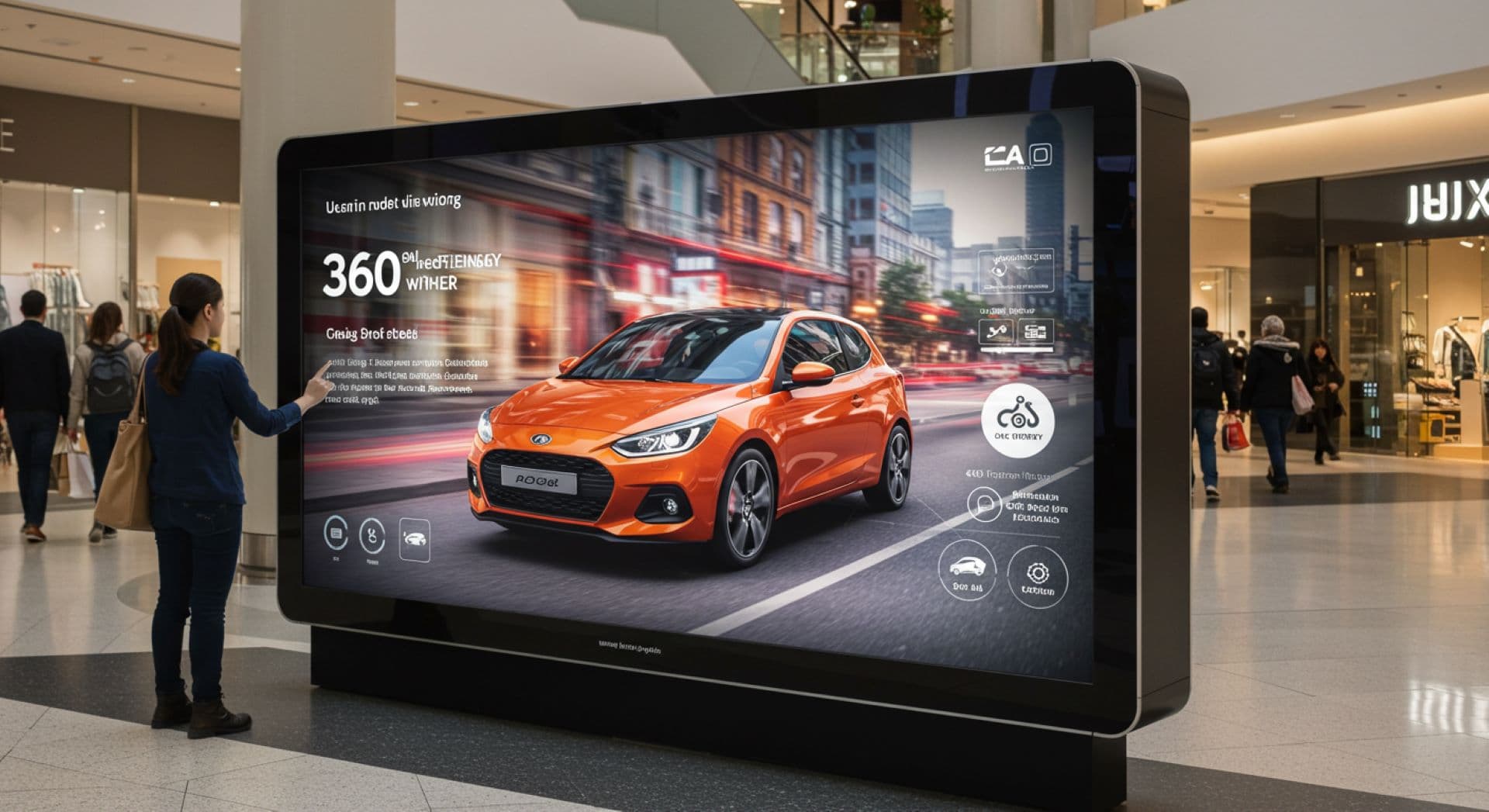
The automotive world is no stranger to innovationÔÇöand today, advertising in this realm is racing ahead at full throttle. As engines rev up with cuttingÔÇÉedge technology and bold new designs, automotive advertising is undergoing a transformation thatÔÇÖs as exhilarating as the latest supercar launch. Gone are the days when glossy magazine spreads and static billboards were enough to capture the imagination of car enthusiasts. Instead, weÔÇÖre witnessing an era where digital dynamism, immersive experiences, and eco-conscious messaging are steering the industry into uncharted territory.
In this rapidly evolving landscape, staying ahead of trends isnÔÇÖt just an advantage; itÔÇÖs a necessity. Brands are not only selling vehiclesÔÇötheyÔÇÖre crafting experiences, telling stories, and forging connections that transcend traditional advertising methods. TodayÔÇÖs automotive campaigns harness the power of artificial intelligence, data analytics, and social media to create personalized journeys that resonate with a global audience. The fusion of technology with creative storytelling is redefining what it means to market a car in the digital age.
For automotive enthusiasts, this shift is more than a marketing updateÔÇöitÔÇÖs a glimpse into a future where every interaction with a brand is as thrilling as a test drive on an open highway. Major shifts in consumer behavior, coupled with rapid advancements in technology, are fueling an advertising revolution that promises to make the car-buying experience more interactive, informative, and exciting than ever before.
As we journey through this article, we will explore the digital transformation thatÔÇÖs reshaping strategies, delve into the rise of interactive and immersive experiences, and examine how sustainability and autonomous technology are influencing the narrative. We will also investigate the globalization of automotive advertising, where brands must balance a consistent identity with culturally nuanced messages. Buckle up for an optimistic ride into the future of automotive advertisingÔÇöa realm where innovation meets inspiration, and every campaign is designed to ignite passion and drive progress.
Digital Transformation in Automotive Advertising
In todayÔÇÖs fast-paced digital ecosystem, automotive advertising is undergoing a seismic shift driven by the relentless march of technology. Traditional media channels, once the cornerstone of advertising, are gradually yielding ground to digital platforms that offer precision, personalization, and a reach that transcends geographic boundaries. This digital transformation is not merely a trendÔÇöit is a fundamental change in how automotive brands communicate with their audiences, and itÔÇÖs redefining the entire customer journey.
At the heart of this transformation lies the power of data analytics and artificial intelligence (AI). By harnessing vast troves of consumer data, brands can now create highly targeted campaigns that speak directly to the individual preferences and behaviors of potential buyers. Imagine receiving a personalized ad that not only showcases your dream car but also provides tailored financing options based on your online behavior. This is the future of automotive advertisingÔÇöa future where every digital interaction is informed by real-time insights and precision targeting.
One of the most significant advantages of digital transformation is the ability to pivot quickly. Unlike traditional media, where ad placements and creative elements could be set in stone for months, digital campaigns allow for rapid adjustments. Marketers can monitor the performance of an ad in real time, test different creative approaches, and optimize campaigns on the fly. This agility is especially valuable in an industry as dynamic as automotive, where consumer preferences can change as swiftly as a sports car shifting gears.
Social media influencers have also emerged as pivotal players in this digital revolution. These individuals wield immense power over niche communities, and their endorsements can lend authenticity and excitement to automotive campaigns. When a trusted influencer takes a brandÔÇÖs vehicle for a spin and shares their experience online, it creates a ripple effect that traditional advertising simply cannot match. Leading brands like BMW, Audi, and Tesla have leveraged influencer partnerships to breathe new life into their campaigns, blending technical expertise with a relatable, human touch.
Digital storytelling is another cornerstone of this revolution. Video content, interactive ads, and immersive social media experiences allow brands to showcase their vehicles in ways that static images never could. For example, an innovative campaign might feature a dynamic 360-degree video tour of a new modelÔÇÖs interior, coupled with interactive hotspots that provide technical details and customer testimonials. These elements work together to create a multi-sensory experience that engages viewers on both an emotional and intellectual level.
Consider the success of campaigns that have combined digital media with experiential events. An automotive giant might launch a digital campaign that teases a new model, inviting enthusiasts to register for an exclusive virtual launch event. During the event, attendees might interact with the carÔÇÖs features in real time, ask questions via live chat, and even participate in virtual test drives. This blend of digital engagement and interactive experience not only builds anticipation but also deepens brand loyalty by involving customers in the evolution of the product.
Moreover, the integration of AI-driven chatbots and virtual assistants on automotive websites and social platforms has streamlined customer service. These tools provide instant, round-the-clock support, answering queries, scheduling test drives, and even offering personalized recommendations based on a customerÔÇÖs browsing history. Such advancements not only enhance the user experience but also position brands as forward-thinking and customer-centric.
The digital revolution in automotive advertising is here to stay, and its impact will only intensify. With every click, swipe, and share, brands are gathering valuable insights that fuel continuous improvement in their strategies. As we look ahead, the blend of data-driven precision, agile marketing tactics, and innovative digital storytelling promises to transform every facet of automotive advertisingÔÇömaking it more engaging, efficient, and exhilarating than ever before.
In this brave new digital world, automotive brands are not just selling vehiclesÔÇötheyÔÇÖre inviting consumers to be part of a dynamic journey, where every digital interaction is a step toward a more personalized, innovative, and connected driving experience.
The Rise of Interactive and Immersive Experiences
As technology evolves, so too does the way automotive brands engage with their audiences. The advent of interactive and immersive experiences is revolutionizing automotive advertising, offering consumers a chance to explore, interact with, and even experience vehicles in virtual spaces long before stepping into a showroom. This exciting trend is reshaping how enthusiasts connect with the brands they love, merging cutting-edge technology with the tactile thrill of a test drive.
Augmented reality (AR) and virtual reality (VR) are at the forefront of this revolution. AR overlays digital elements onto the physical world, allowing users to visualize a car in their driveway or even customize its color and features with a simple tap on their smartphone. VR, on the other hand, offers an entirely immersive experienceÔÇötransporting users into a virtual showroom where they can explore every curve and contour of a vehicle as if they were physically present. For automotive enthusiasts, these technologies transform the buying process into an adventure, making the experience as exciting as the car itself.
Take, for instance, a recent campaign by a leading luxury car manufacturer that integrated VR into its launch strategy. Prospective buyers could don a VR headset and find themselves in a virtual world where they not only viewed the car in high definition but also experienced simulated driving conditions on scenic roads. This immersive experience provided a sense of connection and excitement that no static image could convey. By blending technology with storytelling, the campaign effectively bridged the gap between digital interaction and real-world driving emotion.
Interactivity also extends to digital showrooms and mobile applications. Interactive 3D models enable users to virtually disassemble and reassemble engine components, explore the intricacies of vehicle design, or even simulate the customization of a carÔÇÖs interior. These interactive tools empower consumers with knowledge, allowing them to make informed decisions while fostering a deeper appreciation for automotive engineering. They transform a passive viewing experience into an engaging, educational journey.
Moreover, live-streaming events and virtual launch parties are becoming common features in the automotive world. During these events, brands invite enthusiasts to participate in real-time Q&A sessions, behind-the-scenes tours, and interactive demonstrations. The immediacy and engagement of live interactions create a communal atmosphere, drawing in audiences from around the globe. This level of interactivity not only heightens anticipation for new models but also cultivates a sense of belonging among fans and potential buyers.
Future developments in AR and VR are set to push the envelope even further. Imagine a world where you can take a virtual road trip with a newly launched car, experiencing its performance across diverse terrainsÔÇöall from the comfort of your home. With advancements in haptic feedback technology, these virtual experiences could soon incorporate tactile sensations, simulating the feel of the steering wheel, the vibration of the engine, or even the texture of the carÔÇÖs interior materials. Such innovations promise to blur the lines between digital and physical experiences, creating a seamless integration that enriches the overall brand journey.
Interactive advertising also leverages gamification to attract younger audiences. By incorporating game-like elementsÔÇösuch as scoring points for completing virtual challenges or unlocking special features through interactive campaignsÔÇöbrands can generate excitement and engagement in a playful, memorable way. These gamified experiences not only entertain but also educate consumers about the technical and aesthetic merits of a vehicle, driving home the brand message with a unique blend of fun and functionality.
The rise of interactive and immersive experiences in automotive advertising signals a paradigm shift. It transforms how brands tell their stories, making the narrative dynamic, participatory, and deeply personal. For automotive enthusiasts, this means an ever-more engaging interface between passion and innovationÔÇöwhere every digital interaction is a window into a world of limitless possibilities. As technology continues to evolve, so too will the creative methods employed by brands, ensuring that the drive toward immersive engagement is a journey thatÔÇÖs just as thrilling as the destination.
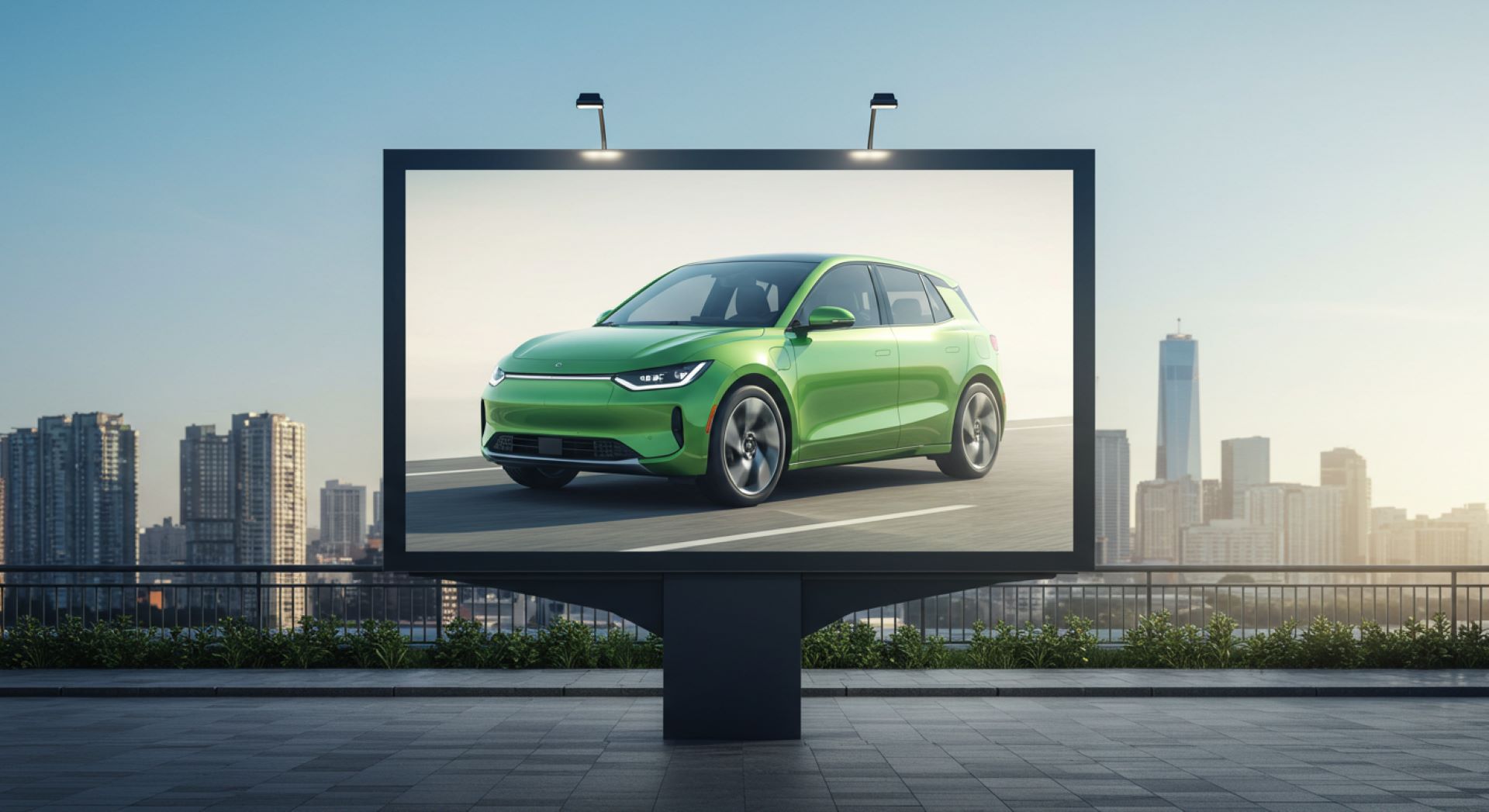
Sustainability and Eco-Friendly Messaging
In an era where environmental consciousness is paramount, sustainability has become a cornerstone of automotive advertising. TodayÔÇÖs consumers demand more than just performance and styleÔÇöthey seek authenticity, transparency, and a genuine commitment to eco-friendly practices. This shift has spurred automotive brands to weave sustainability into the very fabric of their messaging, transforming traditional advertising into a platform for promoting green innovation and environmental stewardship.
Sustainability-focused advertising is no longer an afterthought; itÔÇÖs a strategic imperative that resonates with a generation increasingly aware of climate change and resource scarcity. Electric vehicles (EVs), hybrid models, and vehicles powered by renewable energy are taking center stage, and automotive brands are quick to highlight these innovations in their campaigns. The narrative is clear: modern vehicles can be both high-performance machines and champions of environmental responsibility.
One of the most compelling aspects of this trend is the emphasis on transparency. Consumers today are not content with vague promises of ÔÇ£going green.ÔÇØ They demand clear, verifiable information about a brandÔÇÖs sustainability practicesÔÇöfrom the sourcing of raw materials to manufacturing processes and end-of-life recycling. Brands that excel in this arena are leveraging detailed data and certifications to build trust. For example, automotive companies are showcasing their progress in reducing carbon footprints through infographics, interactive digital reports, and even blockchain-based tracking systems that verify every step of their eco-friendly journey.
Campaigns that successfully incorporate sustainability messaging do more than promote a productÔÇöthey tell a story of innovation and responsibility. Consider a recent campaign by an automotive pioneer that featured behind-the-scenes footage of its research and development efforts to create cleaner, more efficient engines. The campaign didnÔÇÖt just highlight the finished product; it celebrated the entire process of transformation. By illustrating how advanced technology and environmental stewardship can coexist, the brand positioned itself as a leader in both innovation and ethics.
Eco-friendly messaging also extends to the aesthetic and tone of advertisements. Clean, minimalist visuals, natural color palettes, and serene settings are often employed to evoke a sense of purity and balance. These elements not only draw attention but also subconsciously align the brand with the values of sustainability and responsibility. The optimistic tone of such campaigns reinforces the idea that embracing eco-friendly practices is not a compromise but a path to a better, more sustainable future.
Another key element is the emphasis on community engagement. Automotive brands are increasingly partnering with environmental organizations, sponsoring green initiatives, and involving consumers in sustainability challenges. Whether itÔÇÖs through tree-planting drives, electric vehicle rallies, or interactive digital platforms that track environmental impact, these initiatives invite consumers to be active participants in the journey toward a greener planet. This collaborative approach not only enhances brand credibility but also fosters a loyal community of environmentally conscious enthusiasts.
Digital platforms play a pivotal role in amplifying sustainability messages. Social media channels, blogs, and dedicated microsites offer spaces where brands can share success stories, detailed sustainability reports, and customer testimonials that reinforce their commitment to the environment. This multifaceted approach ensures that the message of sustainability reaches a diverse audienceÔÇöfrom tech-savvy millennials to seasoned automotive aficionadosÔÇöeach of whom plays a vital role in driving the industry forward.
As we look to the future, the integration of sustainability into automotive advertising is poised to deepen. Emerging technologies, such as AI and IoT, will enable brands to monitor and communicate their environmental impact with unprecedented accuracy, further strengthening the bond between innovation and responsibility. In this evolving landscape, automotive advertising is not just about selling carsÔÇöitÔÇÖs about championing a vision of progress that marries high performance with a deep respect for our planet. This is a journey that promises to inspire not only car enthusiasts but also every individual who believes that a better, greener future is within reach.
The Role of Autonomous Vehicles in Advertising
As the automotive industry accelerates toward a future defined by self-driving technology, the advent of autonomous vehicles is creating fresh opportunitiesÔÇöand presenting new challengesÔÇöfor automotive advertisers. This emerging frontier is not just about technology; itÔÇÖs about reimagining the entire narrative of mobility and redefining the relationship between brands and their audiences. The rise of autonomous vehicles is paving the way for innovative advertising strategies that tap into the excitement of a driverless era, offering a glimpse into a future where technology and storytelling converge.
At the core of this evolution is the transformative power of self-driving technology. Autonomous vehicles promise a world where the act of driving is reinterpreted, shifting the focus from control to experience. For automotive advertisers, this paradigm shift opens up a wealth of creative possibilities. Campaigns can now highlight the freedom and convenience offered by autonomous vehiclesÔÇöpainting a picture of a future where time spent on the road is transformed into opportunities for leisure, work, or even entertainment. Imagine an advertisement that portrays a family enjoying a scenic route while their vehicle safely navigates the journey, or a business professional using commute time to catch up on work in a mobile office setting. These narratives not only capture the imagination but also underscore the transformative potential of autonomous technology.
Storytelling in the age of autonomous vehicles is all about innovation and anticipation. Brands are leveraging cinematic visuals, futuristic soundscapes, and dynamic animations to convey the excitement of a driverless future. Advertisements often feature sleek, minimalist designs and futuristic interfaces that emphasize simplicity, efficiency, and the seamless integration of technology into everyday life. Such creative approaches are designed to resonate with an audience that values both the thrill of innovation and the promise of convenience.
However, the journey toward mainstream acceptance of autonomous vehicles is not without its challenges. Consumer perceptions about safety, trust, and the relinquishment of control are significant hurdles that advertisers must address head-on. To overcome these concerns, many campaigns focus on real-world demonstrations of autonomous technology in actionÔÇöshowcasing rigorous testing, advanced safety features, and the technologyÔÇÖs potential to reduce accidents and enhance mobility for all. By providing tangible evidence of reliability and safety, these campaigns help to demystify autonomous vehicles and build confidence among potential buyers.
Another intriguing aspect of autonomous vehicles is the opportunity to reimagine the very canvas of advertising. In a world where drivers are no longer at the helm, the interior of a vehicle transforms into a multi-functional spaceÔÇöan environment that can host immersive advertising displays, personalized infotainment systems, or even interactive content tailored to the journey. This shift creates a fertile ground for advertisers to explore dynamic, context-sensitive messaging that evolves throughout the ride. Imagine a scenario where the content on your carÔÇÖs infotainment system adapts to your location, mood, or even the weather, offering timely recommendations and engaging narratives that make every journey unique.
The integration of autonomous technology also paves the way for partnerships that extend beyond traditional automotive boundaries. Tech companies, lifestyle brands, and even entertainment giants are increasingly collaborating with automotive manufacturers to craft integrated campaigns that reflect the interconnected nature of modern life. These cross-industry collaborations not only broaden the reach of advertising campaigns but also infuse them with a sense of relevance and excitement that appeals to a diverse, forward-thinking audience.
Looking ahead, the evolution of autonomous vehicles will continue to influence advertising strategies in profound ways. As the technology matures and becomes more deeply embedded in everyday mobility, the narrative will likely shift from novelty to necessityÔÇöwhere the benefits of autonomy are celebrated not just as a futuristic luxury, but as an integral part of a smarter, safer, and more connected world. For automotive advertisers, this means embracing a new era of storytellingÔÇöone where the promise of innovation, the reassurance of safety, and the allure of a driverless future combine to create campaigns that are as visionary as they are engaging.
In this brave new world of autonomous mobility, automotive advertising is poised to redefine what it means to connect with consumers. ItÔÇÖs a journey marked by innovation, creativity, and the relentless pursuit of a future where technology and humanity coexist in perfect harmonyÔÇöa future that is, without a doubt, worth the ride.
The Globalization of Automotive Advertising
In an increasingly interconnected world, automotive advertising is no longer confined by borders. The globalization of the automotive industry has compelled brands to adopt strategies that resonate on both local and international stages, blending global consistency with cultural nuance. As vehicles evolve into symbols of innovation and lifestyle across continents, the art of advertising must also evolveÔÇöadapting to diverse markets while maintaining a unified brand identity that speaks to enthusiasts everywhere.
Global campaigns are now designed with a dual purpose: to celebrate the universal appeal of a vehicleÔÇÖs design and performance, and to honor the distinct tastes and values of individual markets. This balancing act requires a deep understanding of local cultures, consumer behaviors, and media landscapes. Automotive brands are investing in localized content, region-specific storytelling, and multilingual campaigns that speak directly to the hearts of diverse audiences. For instance, while a sleek, high-tech campaign might dominate the digital space in Western markets, a more emotive, narrative-driven approach could be more effective in regions where tradition and heritage play a pivotal role in consumer decision-making.
Digital platforms are the great equalizer in this global arena. Social media networks, online forums, and streaming services allow brands to reach audiences across continents in real time. With advanced analytics at their fingertips, marketers can monitor engagement levels, adjust content strategies, and even tailor advertisements to specific demographics on a global scale. This data-driven approach ensures that the core message remains intact while subtle regional variations are introduced to better connect with local consumers.
One notable example is the multinational campaign launched by a renowned automotive brand that seamlessly blended global aesthetics with regional flavors. The campaign featured a series of short films, each produced in collaboration with local filmmakers and set against iconic backdropsÔÇöfrom the bustling streets of Tokyo to the sun-drenched coasts of the Mediterranean. Despite the varied narratives, each film carried a consistent message of innovation, quality, and the joy of drivingÔÇöa message that transcended cultural differences and resonated with audiences worldwide.
Collaborations between global agencies and local creative teams are becoming the norm. These partnerships allow brands to tap into local insights and creative sensibilities while benefiting from the strategic oversight and resource power of global marketing teams. The result is a harmonious blend of creativity and precision, where every campaign is both locally relevant and globally cohesive.
Furthermore, the rise of mobile connectivity in emerging markets has opened up new opportunities for reaching a broader audience. As smartphones become ubiquitous, even in regions once considered challenging for digital marketing, automotive brands are capitalizing on mobile-first strategies. From interactive apps that allow users to explore car features in augmented reality to social media challenges that engage young, tech-savvy consumers, the global stage is more accessible than ever.
The challenges of globalization are not lost on advertisers, however. Balancing a consistent brand message with the need for local adaptation can be complex. Yet, this challenge is also an opportunityÔÇöone that encourages brands to innovate and rethink traditional advertising paradigms. The ability to communicate a universal vision while celebrating local diversity is a testament to the ingenuity and resilience of the automotive advertising industry.
Looking forward, globalization will continue to shape the future of automotive advertising. As emerging markets grow in influence and connectivity, brands will need to remain agile, culturally sensitive, and technologically advanced. The fusion of global strategy with local execution promises a future where automotive advertising is not only far-reaching but also deeply personalÔÇöa future where every campaign tells a story that is as diverse as the world it serves.
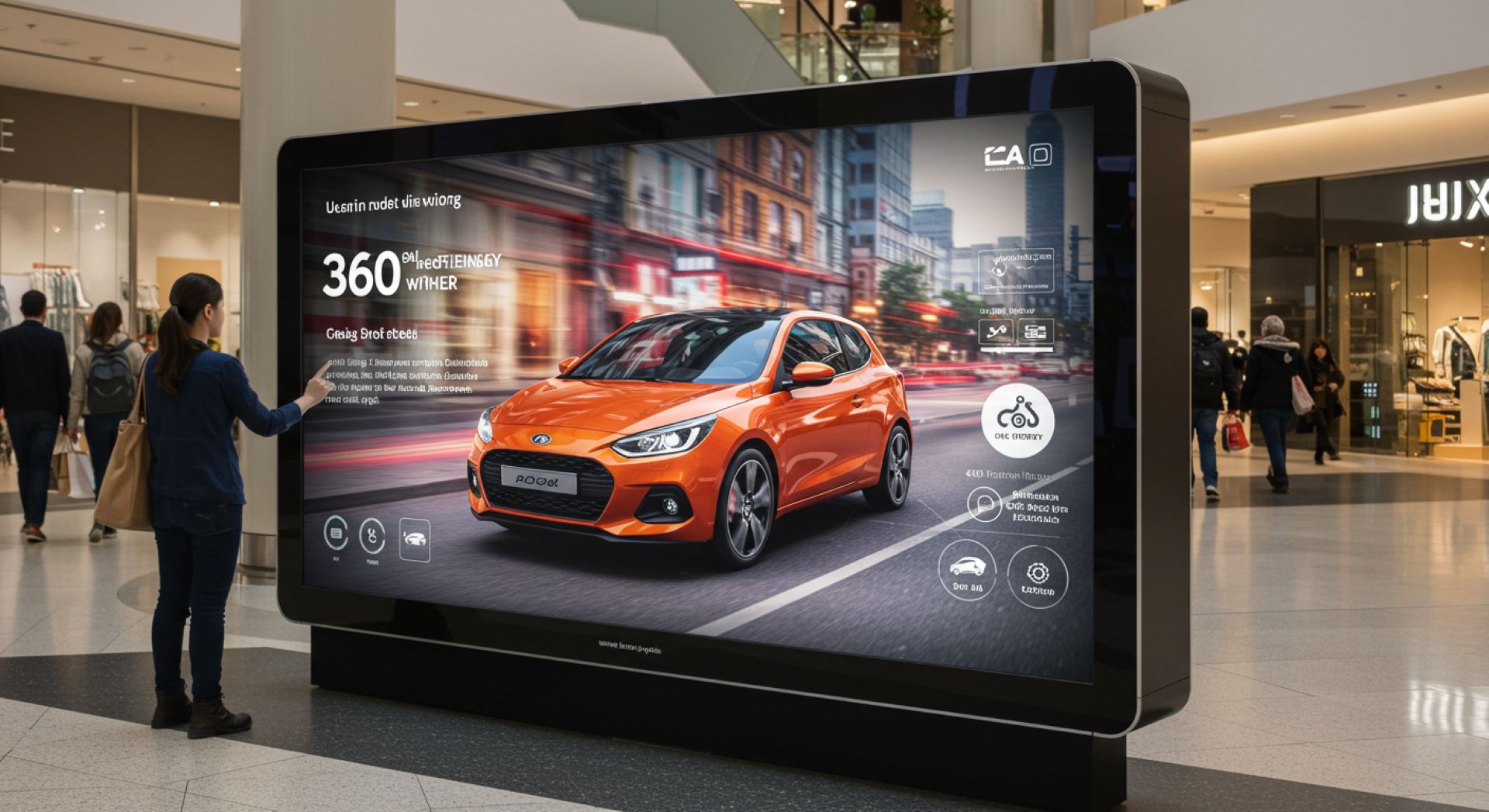
As we reach the end of this journey through the dynamic landscape of automotive advertising, one thing is abundantly clear: the future is bright, innovative, and driven by change. From the digital transformation that has redefined personalization and engagement, to the immersive worlds created by AR and VR, the industry is embracing every opportunity to captivate its audience. Sustainability, once a peripheral message, now stands at the forefront of campaigns, championing a future where performance and environmental responsibility go hand in hand. Autonomous vehicles are not just revolutionizing transportationÔÇötheyÔÇÖre inspiring a new narrative that celebrates freedom, safety, and the endless possibilities of technology. And as automotive brands expand their reach across borders, the globalization of advertising reminds us that, at its core, the love for cars is a universal language.
Looking ahead, automotive advertising will continue to evolve in ways that not only meet the demands of modern consumers but also anticipate their future needs. This evolution is driven by an unwavering commitment to innovation, creativity, and the relentless pursuit of excellence. For automotive enthusiasts, the ride is only just beginningÔÇöa thrilling journey into a future where every campaign, every innovation, and every story is designed to inspire and excite.
In this era of rapid change, one thing remains constant: the passion for cars and the drive to push boundaries. As we step into tomorrow, automotive advertising promises to deliver experiences that are as engaging as they are transformativeÔÇöreminding us that the road ahead is paved with opportunity, creativity, and endless potential. HereÔÇÖs to a future where every drive is an adventure, and every advertisement is a testament to the spirit of innovation that fuels our automotive dreams.
Breyten Odendaal
Specializing in high-performance automotive advertising and digital marketing solutions, delivering cutting-edge insights and the latest news shaping the automotive industry in South Africa.
More From Advertising

Automotive Advertising in 2026: Selling Confidence in a More Competitive Market
As South Africa’s vehicle market becomes more competitive, automotive advertising needs to do more than announce a price or specification. It needs to help buyers understand value, ownership costs and why a vehicle suits their lives.

Automotive Digital Ads in South Africa: A Shift
Exploring how South Africa’s automotive advertising evolved from print and broadcast to data-driven, programmatic digital ecosystems.

The Video Shift in Car Buying Decisions in SA
Explore how video content shapes car purchase decisions in South Africa, comparing short-form and long-form strategies for automotive marketers.