
Imagine stepping into a realm where the boundaries between the digital and physical worlds blurÔÇöa space where the tactile thrill of a test drive is reimagined through immersive digital landscapes. In recent years, virtual reality (VR) has emerged as a revolutionary force in the automotive industry, transforming the once purely analog experience of car shopping and test driving into an interactive, dynamic journey. The notion of a virtual showroom, once a futuristic concept confined to the realm of science fiction, has rapidly evolved into a tangible reality, offering enthusiasts the opportunity to explore and experience vehicles in ways previously deemed impossible.
At its inception, VR was primarily seen as a novelty, a high-tech gimmick destined for the fringes of automotive marketing. However, driven by relentless innovation and the insatiable curiosity of tech-savvy consumers, this technology has grown to become a cornerstone in redefining customer engagement. Today, virtual test drives are not only a testament to the ingenuity of modern engineering but also an emblem of a broader shift in how we interact with vehicles before ever stepping behind the wheel.
This article embarks on a detailed exploration of VRÔÇÖs transformative journey in the automotive world. We begin by delving into the origins of VR technology within the industry, tracing its early milestones and the formidable challenges that pioneers faced. From there, we examine the technological advancements that have elevated VR from a rudimentary tool to an immersive experience capable of replicatingÔÇöand even enhancingÔÇöthe nuances of a traditional test drive. We then move on to a discussion of the current state of VR test drives, highlighting how leading automakers are leveraging this technology to offer unparalleled customer experiences.
Furthermore, the narrative will unfold to reveal the myriad benefits of VR test drives, not only in terms of customer convenience and safety but also in contributing to environmental sustainability. Yet, like any emerging technology, VR is not without its challenges, and we will critically assess the limitations and obstacles that must be navigated. Finally, the article concludes with a forward-looking perspective on how VR might continue to shape the automotive industry, potentially revolutionizing everything from vehicle design to manufacturing processes.
In this eloquent journey through innovation and transformation, automotive enthusiasts are invited to reimagine the car-buying experienceÔÇöa fusion of art, technology, and engineering that is steadily steering us toward a future where virtual showrooms seamlessly blend with the reality of driving pleasure.
The Origins of VR in Automotive
The advent of virtual reality in the automotive industry can be traced back to a time when digital innovation was just beginning to challenge traditional paradigms. In the late 20th century, as computer graphics began to gain traction, a handful of visionary companies started experimenting with immersive digital environments. These early forays into VR were marked by rudimentary graphics, clunky interfaces, and significant technological limitations. However, even in these embryonic stages, the potential to revolutionize the car-buying experience was unmistakable.
Pioneering brands and tech innovators were among the first to experiment with virtual representations of vehicles. They sought to create digital prototypes that could be manipulated and explored in three-dimensional space, offering a novel way to present car models. These early experiments, although primitive by todayÔÇÖs standards, laid the foundation for what would eventually evolve into sophisticated virtual showrooms. Automotive giants began to see the potential in these digital representations, using them as tools for design visualization and early marketing campaigns.
One of the key milestones during this nascent period was the introduction of computer-aided design (CAD) in automotive design. CAD technology enabled engineers and designers to build and test vehicle models in a virtual space, significantly reducing the time and cost associated with physical prototyping. As the automotive industry embraced these digital tools, it inadvertently sowed the seeds for the broader application of VR in creating immersive customer experiences.
Despite the promise of VR, the journey was not without its obstacles. Technological challenges aboundedÔÇöfrom limited processing power and low-resolution displays to the absence of robust tracking systems and natural user interfaces. Early VR systems were plagued by latency issues, restricted field-of-view, and cumbersome hardware that made widespread adoption a distant dream. Yet, these challenges spurred relentless innovation. Engineers and developers, driven by the desire to overcome these limitations, began to refine both hardware and software, setting the stage for the breakthroughs that were to come.
It was during these formative years that automotive companies began to take a keen interest in the potential of VR for enhancing customer interaction. Experimentation with VR test drives emerged as a logical extension of using digital models for design and marketing. Visionaries in the industry saw the possibility of letting customers virtually explore and interact with vehicles in a controlled, risk-free environment. This early experimentation laid the groundwork for the rich, immersive experiences that modern VR test drives now offer, demonstrating that even the most fantastical ideas can, with persistence and innovation, transition from conceptual novelties to industry standards.
Technological Advancements and Breakthroughs
The evolution of VR in the automotive sector is a story of rapid technological advancementÔÇöa narrative marked by iterative breakthroughs that have transformed the digital realm into a hyper-realistic simulation of automotive experiences. In the early 2000s, as computing power surged and graphics technology made significant strides, VR began its metamorphosis from a niche experimental tool into a powerful medium capable of capturing the subtleties of the driving experience.
One of the most critical enablers of this transformation was the exponential improvement in graphics rendering. Advances in GPU technology allowed for the creation of highly detailed, photorealistic images that could be rendered in real time. This leap in visual fidelity was pivotal; it not only enhanced the aesthetic appeal of virtual showrooms but also instilled confidence in consumers that what they were experiencing was a true representation of the vehicle. The integration of high-definition textures, dynamic lighting, and realistic environmental simulations brought virtual test drives closer to the tangible reality of traditional driving experiences.
Parallel to graphical advancements was the evolution of hardware. The once bulky and expensive VR headsets of the early 2000s have been succeeded by sleek, lightweight devices equipped with high-resolution displays and advanced motion tracking systems. Innovations in sensor technology, including gyroscopes and accelerometers, have enabled precise and responsive tracking of head and body movements. This precision is essential in delivering a seamless and immersive experience, allowing users to interact naturally within the virtual space, thereby bridging the gap between the digital and physical realms.
Software advancements have also played a crucial role in enhancing VRÔÇÖs viability in automotive applications. Modern VR platforms now feature sophisticated physics engines and simulation algorithms that accurately mimic the dynamics of vehicle movement and environmental interaction. This means that when a user ÔÇ£drivesÔÇØ a virtual car, they experience realistic acceleration, deceleration, and handling characteristics, providing a near-authentic preview of the carÔÇÖs performance. Moreover, software developers have harnessed artificial intelligence and machine learning to create adaptive environments that respond dynamically to user inputs, further enriching the immersive experience.
The synergy between automotive companies and technology firms has been a key driver of these advancements. Collaborative ventures have brought together industry experts, software developers, and hardware engineers, resulting in tailored solutions that meet the specific needs of the automotive market. For instance, partnerships have facilitated the integration of VR systems with dealership management software, creating seamless ecosystems where customers can schedule test drives, customize vehicle features, and even finalize purchasesÔÇöall within a virtual environment.
Furthermore, the advent of cloud computing and 5G connectivity has played an instrumental role in overcoming previous limitations related to data processing and latency. With the ability to stream high-fidelity VR content in real time, automotive brands can now offer rich, interactive experiences without being tethered to the constraints of on-site hardware. This connectivity ensures that updates and improvements can be rolled out swiftly, keeping the technology at the cutting edge of innovation.
These technological breakthroughs have not only enhanced the realism of virtual test drives but have also broadened their appeal. The confluence of superior graphics, responsive hardware, and intelligent software has transformed VR from an experimental novelty into an indispensable tool for automotive marketing and customer engagement. As technology continues to evolve at a breakneck pace, the horizon for VR in the automotive industry appears boundless, promising even more immersive and intuitive experiences in the years to come.
Current State of VR Test Drives
Today, VR test drives have transcended their experimental origins to become a vital component of the modern automotive customer experience. Leading automotive brands around the globe have embraced VR as a means to offer potential buyers an immersive, risk-free, and highly engaging way to experience their latest modelsÔÇöall from the comfort of a dealership or even from home.
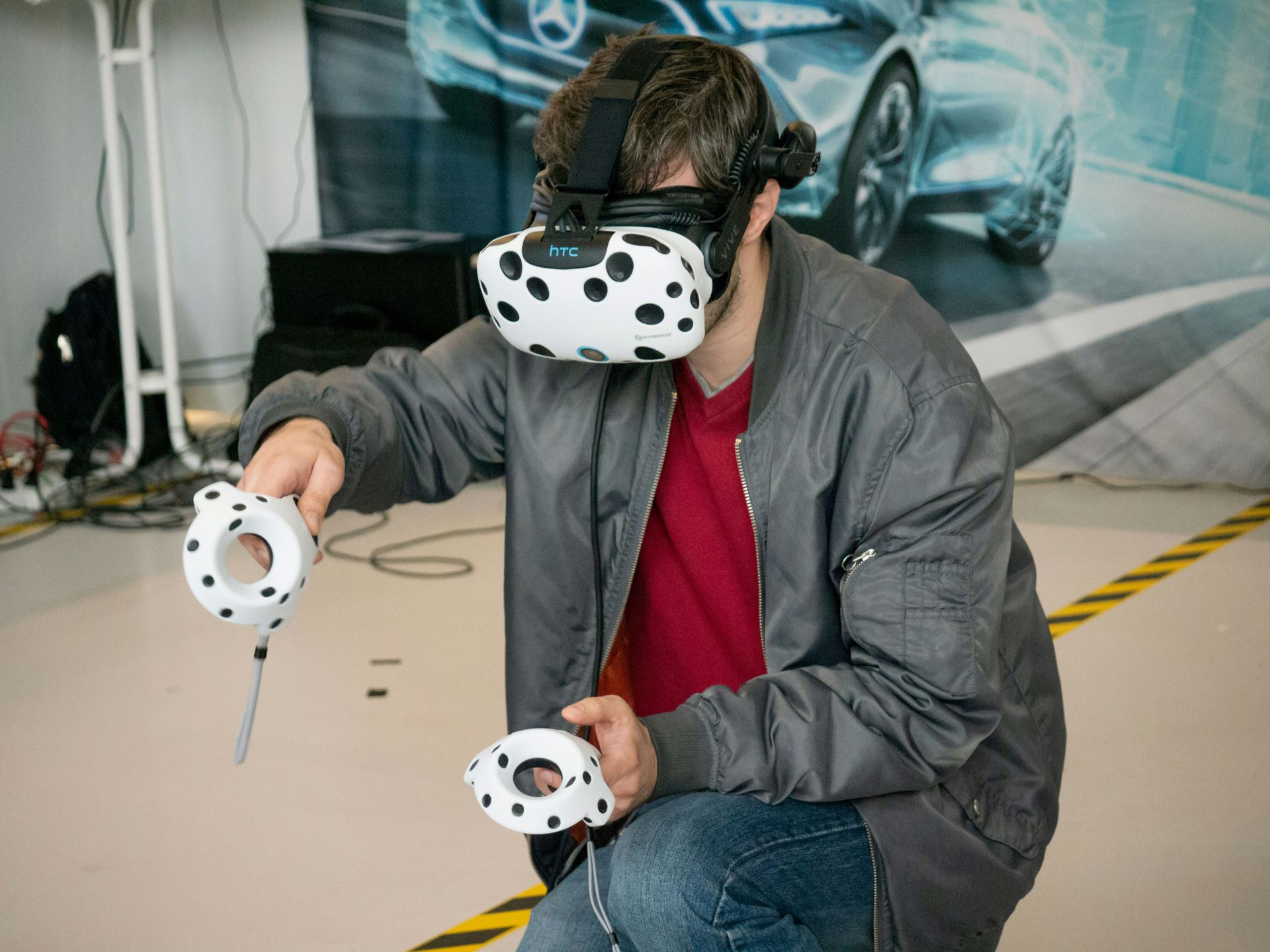
Modern VR test drive setups are a marvel of integrated technology. Customers don head-mounted displays (HMDs) that transport them into meticulously crafted virtual environments, often replicating real-world settings such as winding mountain roads, urban landscapes, or even racetracks. These environments are engineered to provide a realistic sense of scale, depth, and motion, ensuring that the virtual experience is as close to an actual test drive as technology currently permits. In these virtual worlds, every detailÔÇöfrom the sound of the engine to the subtle vibrations of the roadÔÇöis simulated with remarkable accuracy, offering a comprehensive sensory experience.
Several pioneering automakers have set benchmarks in this domain. For example, brands like Audi and BMW have invested significantly in VR technology, creating experiences that not only highlight the aesthetic appeal of their vehicles but also delve into performance aspects such as handling and acceleration. These experiences allow potential buyers to understand a vehicleÔÇÖs behavior in various driving conditions, thereby providing insights that are critical to making an informed purchasing decision. In many cases, these VR test drives are integrated into a broader digital ecosystem, where customers can customize configurations, view detailed specifications, and even schedule physical test drives if they wish to proceed further.
Customer feedback has been overwhelmingly positive, with many enthusiasts praising the convenience and accessibility that VR test drives provide. No longer confined by the limitations of physical test drive arrangements, potential buyers can experience multiple models in a single session, compare features side by side, and revisit their experiences as often as desired. This not only accelerates the decision-making process but also democratizes access to high-end vehicle experiences, previously reserved for those with the time and resources to visit showrooms in person.
Moreover, VR test drives have proven particularly beneficial in situations where physical test drives may pose risks or logistical challenges. For instance, during inclement weather or in regions with strict environmental regulations, VR offers a safe and controlled alternative. It also serves as a valuable tool in urban areas where space constraints make traditional test drives impractical. The technology has been especially useful in bridging the gap for tech-savvy consumers who demand convenience and immediacy in their interactions with automotive brands.
Dealerships have adapted their sales processes to incorporate VR, blending the digital and physical experiences seamlessly. Sales personnel are now trained not only in the traditional aspects of customer service but also in guiding clients through the virtual environment, ensuring that the experience is both informative and engaging. This integration of VR into the sales process has resulted in a richer, more interactive dialogue between customers and dealers, fostering a deeper connection and a more personalized approach to car buying.
Furthermore, the data generated from these virtual interactions is proving invaluable. Automotive companies are leveraging analytics to understand consumer behavior better, optimizing the VR experience based on real-time feedback. This iterative process of refinement ensures that the VR test drive not only meets but exceeds the evolving expectations of modern automotive enthusiasts. The current state of VR test drives is a testament to how far technology has comeÔÇöfrom an intriguing concept to a fully-fledged, immersive experience that is reshaping the way we explore and ultimately choose our vehicles.
Benefits of VR Test Drives
The rise of VR test drives offers a compelling array of benefits that extend far beyond the novelty factor. At the forefront is the unparalleled convenience it affords. In an era where time is a precious commodity, the ability to explore multiple vehicles and configurations in a matter of minutes is a game-changer. Consumers no longer need to schedule multiple appointments or travel between various dealerships to compare models; instead, they can navigate a vast digital showroom from a single location. This streamlined approach not only saves time but also enriches the overall customer experience.
One of the most significant advantages of VR test drives is the heightened level of accessibility. For individuals who may be constrained by physical limitations or geographical barriers, VR opens the door to immersive automotive experiences that were once inaccessible. Potential buyers can engage with vehicles regardless of their physical location, ensuring that a broader audience has the opportunity to explore and appreciate the nuances of a carÔÇÖs design and performance. This democratization of access has the added benefit of expanding a brandÔÇÖs reach, tapping into markets that were previously difficult to penetrate.
Safety is another critical aspect where VR test drives shine. Traditional test drives carry inherent risksÔÇöunpredictable road conditions, driver error, and the potential for accidents. In contrast, VR provides a risk-free environment where users can push a vehicle to its limits without endangering themselves or others. This safety factor is particularly appealing to automotive enthusiasts who are curious about a vehicleÔÇÖs performance capabilities but may be hesitant to experience these extremes in a real-world setting. The controlled environment of a virtual test drive allows for experimentation and exploration without the associated hazards.
The immersive quality of VR also leads to a more engaging and emotionally resonant experience. In a traditional test drive, the sensory input is limited to what one experiences in the moment. VR, however, leverages high-definition visuals, realistic soundscapes, and dynamic environmental effects to create a multisensory experience that captures the imagination. This level of immersion fosters a deeper emotional connection to the vehicle, enabling consumers to visualize how it fits into their lifestyle even before they commit to a purchase.
From an environmental perspective, VR test drives present an opportunity to reduce the carbon footprint associated with conventional test drive practices. By minimizing the need for multiple physical journeys to and from dealerships, the automotive industry can significantly cut down on fuel consumption and emissions. This eco-friendly alternative aligns with the growing global emphasis on sustainability, providing an additional incentive for both automakers and consumers to embrace digital innovations.
Finally, VR test drives offer tangible benefits for the sales process itself. The technology not only enhances the customer experience but also provides dealerships with valuable insights into consumer behavior. Through data analytics, automotive companies can track user interactions, identify areas of interest, and refine their offerings accordingly. This data-driven approach enables more personalized sales strategies and targeted marketing efforts, ultimately leading to higher conversion rates and increased customer satisfaction.
Challenges and Limitations
Despite the remarkable advantages, the adoption of VR test drives is not without its challenges. One of the primary concerns remains the technological barriers that continue to impede a flawless replication of real-world driving experiences. While modern VR systems have come a long way, issues such as latency, resolution constraints, and a limited field of view still persist. These technical shortcomings can sometimes result in a disconnect between the virtual experience and the tangible sensations of driving, leaving some enthusiasts yearning for the authenticity of a physical test drive.
Another significant limitation of VR test drives lies in the absence of tactile feedback. Traditional test drives engage multiple senses, allowing drivers to feel the texture of the steering wheel, the vibration of the engine, and the subtle shifts in vehicle dynamics. In a virtual setting, while visual and auditory stimuli are highly refined, the lack of haptic feedback means that users miss out on a critical component of the driving experience. This gap can diminish the overall immersion and may lead some traditionalists to question the efficacy of VR as a true substitute for physical test drives.
Cost remains an additional obstacle, particularly for smaller dealerships and emerging automotive brands. The investment required to set up a comprehensive VR systemÔÇöincluding high-quality headsets, advanced tracking equipment, and custom softwareÔÇöcan be prohibitive. Although prices have been declining as the technology matures, the initial financial outlay can still act as a barrier to widespread adoption. This financial hurdle is compounded by the need for ongoing maintenance and updates, ensuring that the technology remains current and capable of meeting evolving consumer expectations.
Furthermore, there is a degree of skepticism among certain segments of the customer base and industry experts. Traditionalists who have long relied on the tangible experience of a physical test drive may be reluctant to embrace a fully virtual alternative. Their reservations are often rooted in concerns that VR, while innovative, might oversimplify or even distort the real-world dynamics of driving. Additionally, privacy concerns related to the collection and analysis of user data in these virtual environments present yet another challenge that must be addressed as the technology becomes more integrated into the sales process.
Despite these hurdles, the industry is actively working to address these limitations. Advances in haptic technology and augmented reality are beginning to bridge the sensory gap, while ongoing improvements in hardware and software are steadily overcoming technical challenges. The journey towards a fully immersive and authentic virtual test drive experience is still underway, and while obstacles remain, the industryÔÇÖs commitment to innovation continues to drive progress.
The Future of VR in the Automotive Industry
Looking ahead, the horizon for VR in the automotive industry is as expansive as it is promising. As technology continues its relentless march forward, the integration of VR into automotive experiences is poised to evolve well beyond the realm of test drives. The next decade promises to usher in a new era where VR, augmented reality (AR), and even mixed reality (MR) converge to redefine every aspect of the automotive lifecycleÔÇöfrom design and engineering to sales and aftercare.
One exciting frontier is the integration of artificial intelligence (AI) and the Internet of Things (IoT) with VR platforms. Imagine a scenario where your virtual test drive is not only interactive but also intelligently tailored to your preferences. AI-driven analytics could analyze your driving behavior in real time, offering personalized feedback and even suggesting vehicle modifications or accessory upgrades. This level of customization would create a uniquely personal experience that bridges the gap between digital simulation and individual user needs.
Augmented reality is also set to play a significant role in the future landscape. While VR offers a fully immersive experience, AR has the potential to overlay digital information onto the physical world. This could revolutionize the way we approach not just test drives, but also vehicle maintenance and troubleshooting. For instance, AR could provide real-time diagnostics and guidance during a test drive, highlighting performance metrics and alerting users to potential issues. The confluence of AR and VR is expected to yield hybrid experiences that capture the best of both worlds.
Looking further afield, the design and engineering phases of automotive production stand to benefit immensely from VR. Virtual prototyping is already enabling designers to explore concepts in three dimensions, drastically reducing the time and cost associated with physical prototypes. In the future, immersive VR environments could allow engineers to simulate entire manufacturing processes, identify inefficiencies, and refine designs in real time before any physical model is produced. Such applications not only promise greater efficiency but also foster innovation by enabling rapid iteration and testing.
The evolution of connectivity through 5G and beyond will further enhance these experiences, enabling real-time, high-fidelity interactions that are crucial for advanced VR applications. With faster data transmission and lower latency, the gap between virtual and real-world experiences will continue to narrow, paving the way for more dynamic and responsive automotive simulations.
Moreover, as consumer expectations evolve, the integration of VR in marketing and sales is likely to become even more sophisticated. Virtual showrooms may soon incorporate interactive social elements, where users can join virtual communities, share experiences, and even co-navigate test drives. This social dimension could redefine the car-buying process, transforming it from a solitary activity into a collaborative, community-driven experience.
Ultimately, the future of VR in the automotive industry is one of continual innovation and convergence. With the combined forces of AI, AR, IoT, and ever-improving VR technology, the next generation of automotive experiences promises to be more interactive, more personalized, and more immersive than ever before. As the boundaries of what is possible continue to expand, automotive enthusiasts and industry stakeholders alike will find themselves at the forefront of a technological revolution that is set to redefine the very nature of driving.

In traversing the evolution of VR test drives, we have witnessed a remarkable journey from the early experimental forays in digital simulation to the sophisticated, immersive experiences that define todayÔÇÖs automotive landscape. What began as a futuristic concept has steadily matured into an indispensable tool, fundamentally altering how consumers engage with vehicles. The blend of advanced graphics, cutting-edge hardware, and intelligent software has not only enhanced the aesthetic and functional appeal of virtual showrooms but has also provided an innovative solution to many of the limitations inherent in traditional test drives.
Throughout this exploration, the transformative potential of VR has been underscored by its multifaceted benefitsÔÇöconvenience, accessibility, safety, and even environmental sustainability. Yet, as with any pioneering technology, challenges remain. The absence of tactile feedback, ongoing technological limitations, and the initial cost barrier are hurdles that the industry continues to address through relentless innovation and collaboration.
Looking forward, the convergence of VR with AI, AR, and IoT promises to further enrich the automotive experience. The integration of these technologies heralds a future where personalized, interactive, and immersive digital engagements are not just confined to test drives, but extend across every phase of the automotive lifecycleÔÇöfrom design and engineering to sales and aftercare. As the automotive industry embraces this digital revolution, the potential for VR to reshape the very essence of car culture becomes increasingly evident.
In conclusion, virtual reality stands as a testament to the ingenuity and forward-thinking spirit of the automotive world. It challenges conventional norms, offering a glimpse into a future where the boundaries between the virtual and the real are seamlessly intertwined. For automotive enthusiasts, this evolution is more than just a technological advancementÔÇöit is an invitation to reimagine the driving experience, to explore new possibilities, and to embrace a future where innovation drives every journey. The question remains: as we step further into this immersive digital frontier, how will our understanding of mobility and the art of driving transform in the years ahead?
Through this eloquent narrative, we celebrate not only the technological achievements that have brought VR test drives to life but also the spirit of innovation that continues to propel the automotive industry into uncharted territory. As virtual showrooms and immersive test drives become the new norm, one thing is certain: the road ahead is paved with endless possibilities, inviting us all to explore, experience, and ultimately, drive into the future.
Breyten Odendaal
Specializing in high-performance automotive advertising and digital marketing solutions, delivering cutting-edge insights and the latest news shaping the automotive industry in South Africa.
More From Advertising

Automotive Advertising in 2026: Selling Confidence in a More Competitive Market
As South Africa’s vehicle market becomes more competitive, automotive advertising needs to do more than announce a price or specification. It needs to help buyers understand value, ownership costs and why a vehicle suits their lives.

Automotive Digital Ads in South Africa: A Shift
Exploring how South Africa’s automotive advertising evolved from print and broadcast to data-driven, programmatic digital ecosystems.

The Video Shift in Car Buying Decisions in SA
Explore how video content shapes car purchase decisions in South Africa, comparing short-form and long-form strategies for automotive marketers.