
The Power of Heritage in Automotive Branding
In the automotive world, heritage is more than a static archive of past achievementsÔÇöit is a dynamic tool that connects brands to consumers on an emotional level. For legacy car manufacturers, storytelling through heritage serves as a bridge between the past and present, reinforcing brand identity while fostering loyalty and aspirational appeal. Consumers often buy into not just the mechanics of a car but its story, the lineage that frames it as a symbol of excellence, innovation, or prestige.
Legacy brands leverage history in a variety of ways, from celebrating milestone anniversaries to referencing classic models that have become cultural touchstones. Take, for instance, Ferrari, whose campaigns frequently spotlight its racing history. By highlighting decades of Formula 1 victories or legendary road cars such as the Ferrari 250 GTO, the brand doesnÔÇÖt merely sell vehicles; it sells an experience steeped in passion and performance. The storytelling is immersive: it positions Ferrari as a custodian of motorsport prestige and automotive craftsmanship, evoking pride in owners and desire in aspirants.
The emotional resonance of heritage campaigns hinges on authenticity. Brands cannot simply claim historical significanceÔÇöthey must demonstrate it through visible, tangible actions. JaguarÔÇÖs marketing, for example, often showcases its classic models alongside contemporary innovations. By exhibiting the E-TypeÔÇÖs elegant design next to modern F-TYPE variants, Jaguar communicates continuity in design philosophy and engineering excellence, subtly reinforcing trust in the brandÔÇÖs expertise while appealing to both long-time enthusiasts and new customers.
Beyond establishing credibility, heritage storytelling reinforces a brandÔÇÖs values. BMWÔÇÖs ÔÇ£The Ultimate Driving MachineÔÇØ slogan, coupled with campaigns that celebrate historic 3 Series milestones or the marqueÔÇÖs endurance in motorsport, highlights a consistent commitment to driving pleasure and technological innovation. Through storytelling, consumers perceive BMW not merely as a car manufacturer but as a guardian of a legacy built on precision engineering, emotional engagement, and relentless pursuit of performance. In essence, heritage becomes a tool to imbue every purchase decision with historical and cultural weight.
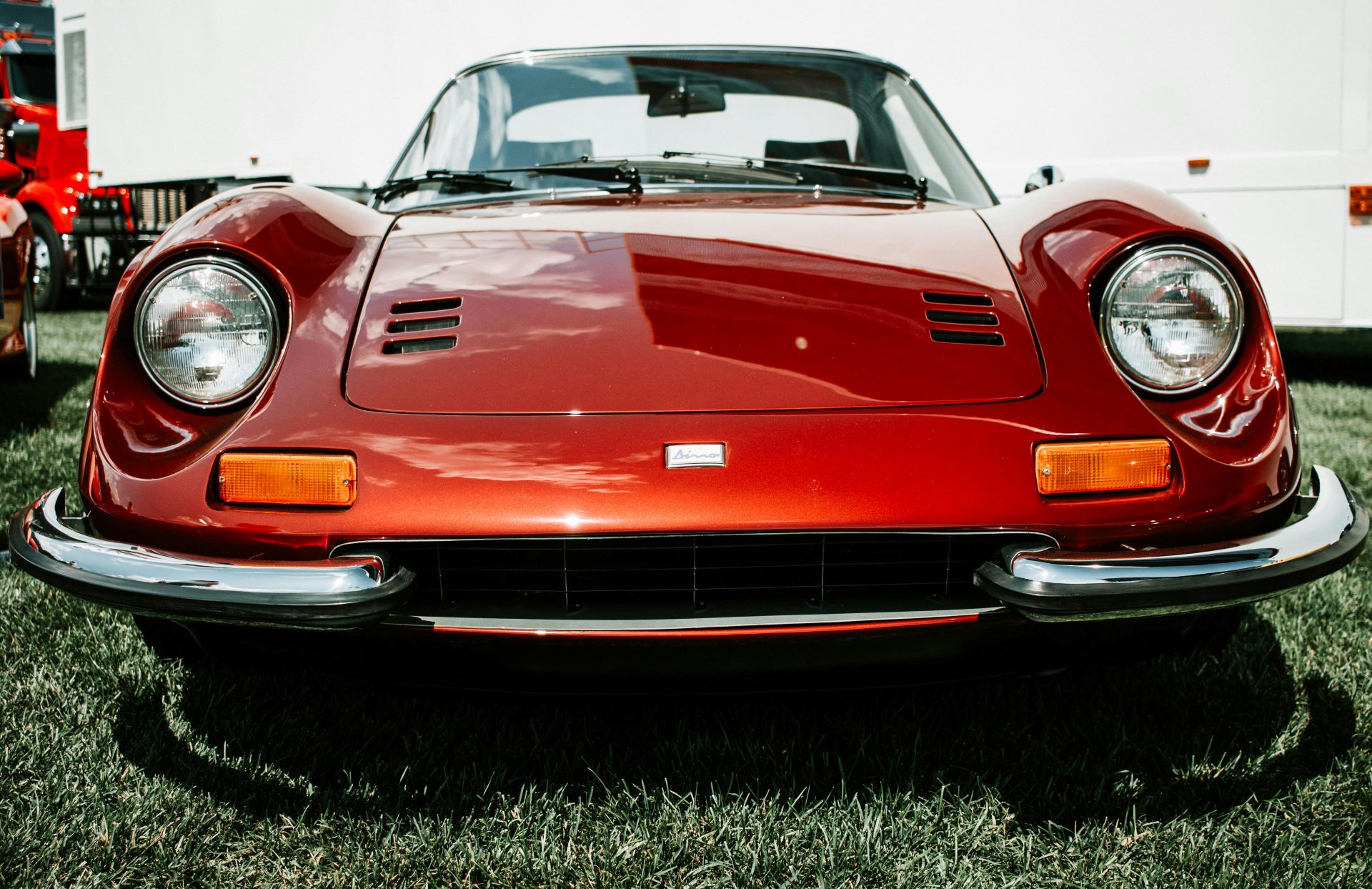
Anniversaries offer particularly compelling opportunities for storytelling. When Porsche marked its 70th anniversary in 2018, it did more than throw a lavish event; the brand crafted narratives around iconic models, from the 911 to the 356, connecting these vehicles to personal memories, collective nostalgia, and cultural milestones. Limited-edition models, interactive digital timelines, and museum exhibitions were all part of a broader strategy to celebrate heritage in a way that felt both accessible and aspirational. Such campaigns are meticulously designed to create not only awareness but also deeper engagement, reminding consumers that they are participating in a continuum of automotive excellence.
Crucially, heritage storytelling also taps into the aspirational psychology of ownership. Classic models evoke an aura of rarity, craftsmanship, and status, traits that modern vehicles cannot convey on their own. Rolls-Royce, for instance, frequently draws on its early 20th-century designs in contemporary marketing, showing how historical attention to detail and bespoke craftsmanship continues to inform the modern Phantom or Ghost. The narrative is clear: purchasing a Rolls-Royce is a rite of passage, a connection to a timeless standard of luxury, and a way to join a lineage of discerning owners.
Heritage campaigns, when executed strategically, create a multidimensional marketing impact. Beyond emotional connection, they offer commercial leverage through limited-edition launches, anniversary-themed events, and even collectible merchandising. These elements turn history into a living asset that actively shapes brand perception, drives engagement, and justifies premium pricing. In a marketplace increasingly dominated by digital-first interactions, leveraging tangible, storied artifactsÔÇöwhether in print, video, or experiential formatsÔÇöensures a brandÔÇÖs narrative resonates in ways that are both memorable and commercially effective.
Ultimately, storytelling through heritage is about more than nostalgia. It is a sophisticated marketing strategy that humanizes brands, transforms cars into cultural icons, and strengthens the emotional bonds that drive customer loyalty. For legacy automotive brands, history is not a constraint; it is a dynamic resource that, when wielded effectively, positions a brand as both timeless and forward-looking.
Celebrating Milestones to Build Emotional Resonance
Anniversaries and milestone events offer an unparalleled opportunity for brands to showcase heritage while reinforcing emotional connection with their audience. Celebratory campaigns are inherently narrative-driven, providing a framework to illustrate a brandÔÇÖs evolution, core values, and cultural significance. Automotive manufacturers frequently harness these occasions to tell stories that transcend mere product specifications, creating a sense of shared experience and communal pride among consumers.
Mercedes-Benz, for instance, has consistently utilized anniversaries as a storytelling platform. The brandÔÇÖs campaigns for its 100th anniversary highlighted not only iconic vehicles but also technological breakthroughs, motorsport achievements, and contributions to mobility at large. The narrative crafted around these milestones serves a dual purpose: it reinforces the perception of Mercedes-Benz as a pioneer in luxury and performance, while also creating a timeline that contextualizes contemporary innovations within a rich historical tapestry. By positioning modern vehicles alongside historical achievements, Mercedes-Benz frames itself as a brand whose past accomplishments inform its current excellence.
Heritage celebrations often extend into limited-edition models, providing tangible expressions of history. Lamborghini, for example, frequently launches commemorative models tied to brand anniversaries, often blending retro styling cues with modern technology. These vehicles serve not only as collector items but also as storytelling vehicles in their own right. They become physical embodiments of the brandÔÇÖs narrative, allowing consumers to participate in the brandÔÇÖs heritage in a highly personal and aspirational manner. Marketing campaigns around these launches are carefully curated to emphasize craftsmanship, exclusivity, and continuity of design philosophy.
Motorsport victories amplify the impact of heritage campaigns by creating stories of triumph, resilience, and innovation. Racing provides brands with a dynamic backdrop for narrative construction, linking performance on the track to consumer aspirations. Audi, with its rich history in endurance racing, leverages motorsport achievements in campaigns that highlight engineering excellence and technological sophistication. By showcasing victories at events like the 24 Hours of Le Mans, Audi positions itself as a brand capable of conquering extreme challengesÔÇöboth on and off the racetrack. Consumers are invited to associate the thrill of racing success with ownership of an Audi vehicle, strengthening emotional investment.

Heritage storytelling also benefits from digital innovation, particularly in interactive and immersive formats. Brands increasingly use augmented reality, social media storytelling, and online archives to allow consumers to explore historical milestones in a personalized manner. Ferrari, for example, has developed interactive platforms where users can trace the lineage of iconic models, explore technical innovations, and even participate in virtual tours of the Ferrari Museum. Such approaches deepen engagement by transforming passive viewers into active participants in the brandÔÇÖs historical narrative.
Effective milestone campaigns are anchored in authenticity and coherence. Consumers are increasingly discerning and can detect when brands rely on superficial references to history. Legacy brands that succeed in leveraging heritage do so by integrating historical storytelling into every touchpoint of the campaign. From curated content across digital channels to experiential events and product design, the narrative remains consistent and credible. This holistic approach ensures that heritage campaigns do more than celebrate historyÔÇöthey actively reinforce the brandÔÇÖs identity and values.
Finally, these celebrations create long-term strategic value. They not only generate short-term media coverage and consumer engagement but also reinforce brand equity in ways that endure beyond the campaign window. By embedding historical achievements into contemporary marketing strategies, automotive brands ensure that their legacy continues to influence consumer perception, making heritage a living asset that drives loyalty, advocacy, and aspirational desire.
Classic Models as Storytelling Anchors
Classic vehicles are perhaps the most tangible expression of automotive heritage. They embody design evolution, technological milestones, and cultural significance. For marketers, they serve as storytelling anchorsÔÇövehicles that provide a reference point for illustrating brand identity, legacy, and innovation over time.
Consider the Porsche 911, a model that has remained in continuous production for over half a century. Its design evolution is a visual narrative of the brandÔÇÖs commitment to engineering precision and stylistic continuity. Marketing campaigns often juxtapose the earliest 911 models with contemporary iterations, emphasizing how core design principles and performance philosophies persist even as technology advances. This continuity fosters brand trust and positions Porsche as a custodian of both innovation and tradition. By framing the 911 as both a classic and a living icon, Porsche reinforces emotional attachment, encouraging enthusiasts to see ownership as part of a broader historical continuum.
Similarly, JaguarÔÇÖs use of the E-Type as a storytelling anchor illustrates the power of design heritage. Contemporary campaigns often reference the E-TypeÔÇÖs timeless elegance, drawing parallels with current models to highlight how Jaguar has preserved its design ethos while integrating modern engineering. By evoking historical vehicles, marketers tap into collective nostalgia and aspirational imagery, creating a sense of cultural continuity. This approach extends beyond visuals; storytelling can encompass the lifestyle and experiences associated with classic models, reinforcing the brandÔÇÖs broader identity.
Limited-edition models inspired by classic vehicles serve as both marketing and commercial tools. BMWÔÇÖs ÔÇ£Heritage EditionÔÇØ variants, for example, revive styling cues from past models while incorporating modern technology. These vehicles not only celebrate history but also create a sense of exclusivity and desirability. Marketing campaigns around such releases often feature rich narrative elements, including archival photography, designer interviews, and behind-the-scenes content that underscores authenticity and craftsmanship. The result is a multi-layered story that connects consumers emotionally and intellectually to the brand.
Motorsport-derived models offer a particularly compelling avenue for storytelling. FerrariÔÇÖs limited-run track-inspired variants, such as the 488 Pista or SF90 Stradale, reference racing pedigree while integrating cutting-edge technology. By tying vehicles directly to historical achievements on the racetrack, marketers reinforce perceptions of performance, precision, and innovation. Consumers are not merely buying a carÔÇöthey are acquiring a piece of the brandÔÇÖs legacy, with all the prestige and narrative richness that entails.
Importantly, classic models also provide opportunities for cross-generational engagement. Heritage campaigns often appeal simultaneously to older enthusiasts who remember the original vehicles and younger audiences drawn to the allure of design and engineering excellence. This dual appeal broadens the reach of marketing campaigns, ensuring that heritage remains a dynamic asset rather than a static artifact of the past.
In summary, classic models function as storytelling anchors that embody a brandÔÇÖs legacy, values, and design philosophy. By integrating these vehicles into marketing campaigns, automotive brands create rich, emotionally resonant narratives that reinforce brand identity, foster loyalty, and elevate aspirational desire. Heritage, in this context, becomes both a narrative tool and a strategic commercial asset.
Motorsport Victories as Narrative Catalysts
Motorsport has long been intertwined with automotive heritage, providing brands with tangible evidence of performance, reliability, and innovation. Victories on the track serve as powerful narrative catalysts, transforming technical achievement into compelling stories that resonate with consumers. Brands strategically leverage these achievements to reinforce credibility, celebrate legacy, and deepen emotional engagement.
AudiÔÇÖs dominance in endurance racing, particularly at the 24 Hours of Le Mans, illustrates this principle. Marketing campaigns highlight not only the victories themselves but also the engineering excellence, team collaboration, and technological innovation required to achieve them. By framing success in narrative termsÔÇötriumph over adversity, precision engineering under pressure, and the pursuit of excellenceÔÇöbrands translate technical feats into aspirational stories that consumers can emotionally invest in. The connection between racing pedigree and road-car performance creates a halo effect, enhancing perceptions of reliability, innovation, and driving enjoyment across the entire product lineup.
FerrariÔÇÖs Formula 1 successes provide another instructive example. Each victory is not merely a sporting achievement but a marketing opportunity to reinforce the brandÔÇÖs historical narrative. Through campaigns that highlight iconic drivers, technological breakthroughs, and championship milestones, Ferrari constructs a rich tapestry of heritage that communicates passion, precision, and prestige. Social media, video content, and experiential events allow fans to engage directly with this history, creating a sense of community and shared identity around the brand.
Heritage campaigns often integrate motorsport achievements with broader marketing narratives. Porsche, for instance, emphasizes its racing DNA across both professional and amateur motorsport initiatives. By highlighting historic victories alongside contemporary competition success, Porsche reinforces a narrative of continuous innovation and performance mastery. This approach creates a compelling bridge between the brandÔÇÖs past and present, allowing consumers to experience a sense of continuity and participation in a storied legacy.
Motorsport-based storytelling also enables brands to communicate technological leadership. Many innovations initially developed for racingÔÇöadvanced aerodynamics, hybrid powertrains, and lightweight materialsÔÇöfilter down into road cars. Highlighting this transfer of technology in campaigns positions vehicles as cutting-edge products while maintaining the emotional resonance of racing heritage. Mercedes-AMGÔÇÖs promotion of its Formula 1-inspired engines in performance models exemplifies this strategy, linking motorsport success directly to consumer value propositions.
Finally, motorsport narratives contribute to brand differentiation. In a crowded marketplace, few storytelling devices rival the emotional intensity, spectacle, and credibility of racing heritage. Consumers associate brands with the exhilaration, discipline, and excellence demonstrated on the track, elevating perceived value and desirability. By carefully integrating motorsport victories into broader heritage campaigns, automotive marketers craft stories that are both persuasive and emotionally resonant, reinforcing brand identity across multiple touchpoints.
Integrating Heritage into Modern Marketing Strategies
Heritage storytelling, while rooted in history, is most effective when integrated into modern marketing strategies. Digital platforms, immersive experiences, and interactive content allow brands to bring historical narratives to life in ways that resonate with contemporary consumers. The challenge is to balance reverence for the past with relevance for the present, ensuring that heritage enriches rather than confines brand perception.
Digital storytelling offers unprecedented opportunities. Brands can create interactive timelines, augmented reality experiences, and virtual showrooms that showcase historical milestones alongside modern products. FerrariÔÇÖs digital museum, for example, allows enthusiasts to explore model lineages, watch archival footage of racing victories, and even customize virtual cars, creating an engaging narrative journey. Such initiatives transform static history into a dynamic, participatory experience, deepening consumer engagement and fostering long-term loyalty.
Experiential marketing also plays a critical role. Heritage-driven eventsÔÇöclassic car rallies, anniversary exhibitions, and track daysÔÇöallow consumers to interact with history tangibly. JaguarÔÇÖs ÔÇ£Reborn to PerformÔÇØ events, which feature classic E-Types alongside modern models, provide immersive encounters that reinforce brand storytelling. By creating spaces where heritage can be experienced firsthand, brands foster emotional connections that extend beyond traditional advertising channels.
Content marketing amplifies heritage narratives. Campaigns that feature behind-the-scenes insights, interviews with designers and engineers, and archival storytelling provide depth and authenticity. Social media platforms allow brands to reach global audiences with targeted content, combining historical context with modern relevance. For example, Mercedes-Benz often shares archival footage on Instagram and YouTube, contextualized with contemporary models and technological innovations, reinforcing continuity while appealing to digital-native audiences.
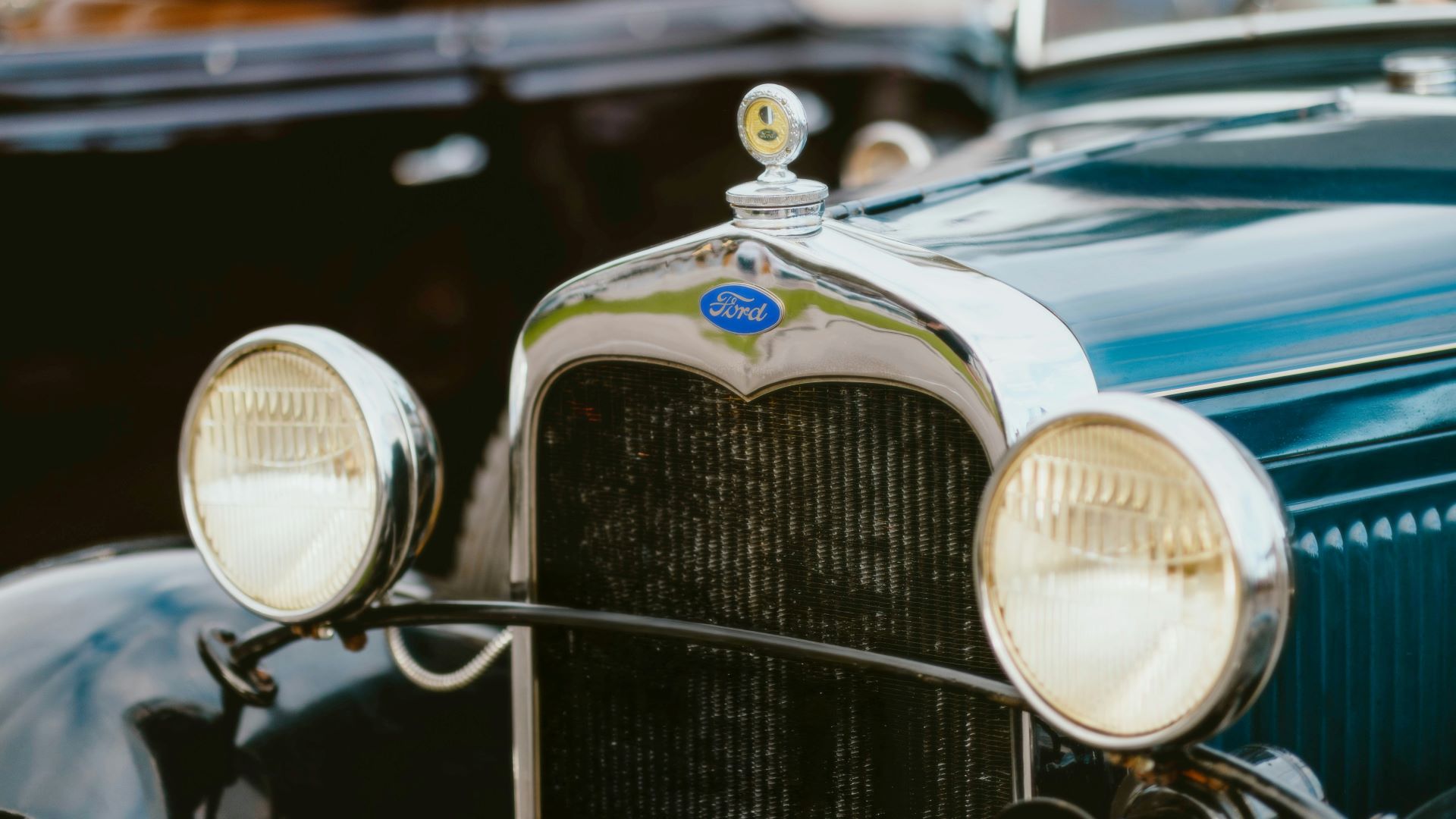
Collaborations and partnerships further extend the reach of heritage storytelling. Brands often collaborate with cultural institutions, fashion houses, or lifestyle partners to create limited-edition products or co-branded campaigns that celebrate history in a contemporary context. BMWÔÇÖs partnership with high-end watchmakers, for instance, leverages shared design philosophies and historical storytelling to create exclusive offerings that resonate with both automotive and lifestyle audiences.
Finally, metrics and analytics allow brands to measure the effectiveness of heritage campaigns, ensuring alignment with broader marketing objectives. Engagement, conversion, and sentiment analysis provide insights into how historical storytelling influences brand perception, loyalty, and purchase intent. By combining tradition with data-driven strategy, automotive brands can ensure that heritage storytelling is not only emotionally compelling but also commercially impactful.
In conclusion, integrating heritage into modern marketing strategies requires a delicate balance of authenticity, creativity, and technological savvy. Legacy brands that succeed in this arena harness the power of history to create emotional resonance, build trust, and differentiate themselves in a competitive market. By transforming archives, classic models, motorsport victories, and anniversaries into rich narrative assets, automotive marketers ensure that heritage remains a living, dynamic component of brand strategyÔÇöone that strengthens consumer connection and sustains brand equity for generations to come.
Breyten Odendaal
Specializing in high-performance automotive advertising and digital marketing solutions, delivering cutting-edge insights and the latest news shaping the automotive industry in South Africa.
More From Advertising

Automotive Advertising in 2026: Selling Confidence in a More Competitive Market
As South Africa’s vehicle market becomes more competitive, automotive advertising needs to do more than announce a price or specification. It needs to help buyers understand value, ownership costs and why a vehicle suits their lives.

Automotive Digital Ads in South Africa: A Shift
Exploring how South Africa’s automotive advertising evolved from print and broadcast to data-driven, programmatic digital ecosystems.

The Video Shift in Car Buying Decisions in SA
Explore how video content shapes car purchase decisions in South Africa, comparing short-form and long-form strategies for automotive marketers.