
The Intersection of Speed and Spirit: Motorsport Meets Rugby
South Africa is a nation defined by its passions. Two arenas, in particular, have captured the hearts of millions: motorsport and rugby. At first glance, these worlds might seem distinctÔÇöthe roar of engines versus the pounding of cleats, aerodynamic downforce versus physical enduranceÔÇöbut a closer look reveals a compelling synergy for automotive marketers seeking to harness national pride and emotional engagement. Both disciplines thrive on spectacle, competition, and a culture of loyalty, which makes them fertile ground for automotive tie-ins. Understanding this intersection is critical for brands hoping to deepen connections with South African consumers while aligning their products with national identity and collective excitement.
Motorsport, whether it is the precision-driven world of Formula 1, the high-adrenaline circuits of the World Rally Championship, or local stalwarts like the Kyalami 9 Hour endurance race, resonates with a demographic that craves performance, innovation, and technical mastery. Fans are drawn not only to the thrill of speed but to the engineering excellence and reliability embedded in each lap. Cars, after all, are more than just machines; they are symbols of ingenuity, aspiration, and identity. In South Africa, where motorsport has roots that intertwine with the countryÔÇÖs industrial history, this passion is particularly potent. Automotive brands have long recognized that aligning with motorsport provides authenticity and prestige, particularly when the brand can demonstrate genuine technical contribution to the sport.
Rugby, on the other hand, occupies a different emotional plane. The sport is deeply woven into the fabric of national consciousness, representing community, resilience, and pride. From provincial derbies to international tournaments like the Rugby World Cup, rugby engages audiences in ways that transcend the stadium. It is not just a game; it is a cultural touchstone, a forum where heritage, identity, and collective spirit are celebrated. For automotive marketers, rugby offers a platform to tap into these sentiments, presenting vehicles not just as transportation but as vessels of shared experience. Whether itÔÇÖs a family driving to a local club game in a rugged SUV or a corporate partnership bringing fans to a major stadium event, the connection is immediate and visceral.
The convergence of motorsport and rugby presents a unique marketing opportunity. Both sports celebrate performance, skill, and dedication, qualities that automotive brands are eager to mirror in their messaging. By leveraging this dual passion, brands can craft narratives that resonate with both performance-driven enthusiasts and emotionally invested sports fans. Consider, for example, a campaign that celebrates speed and teamwork simultaneously. A car might be positioned as a precision-engineered machine built to handle the rigors of high performance, while also emphasizing its role in bringing people togetherÔÇömirroring the camaraderie found on a rugby pitch. Such campaigns operate on multiple levels, appealing to technical aficionados and emotionally engaged audiences at once.
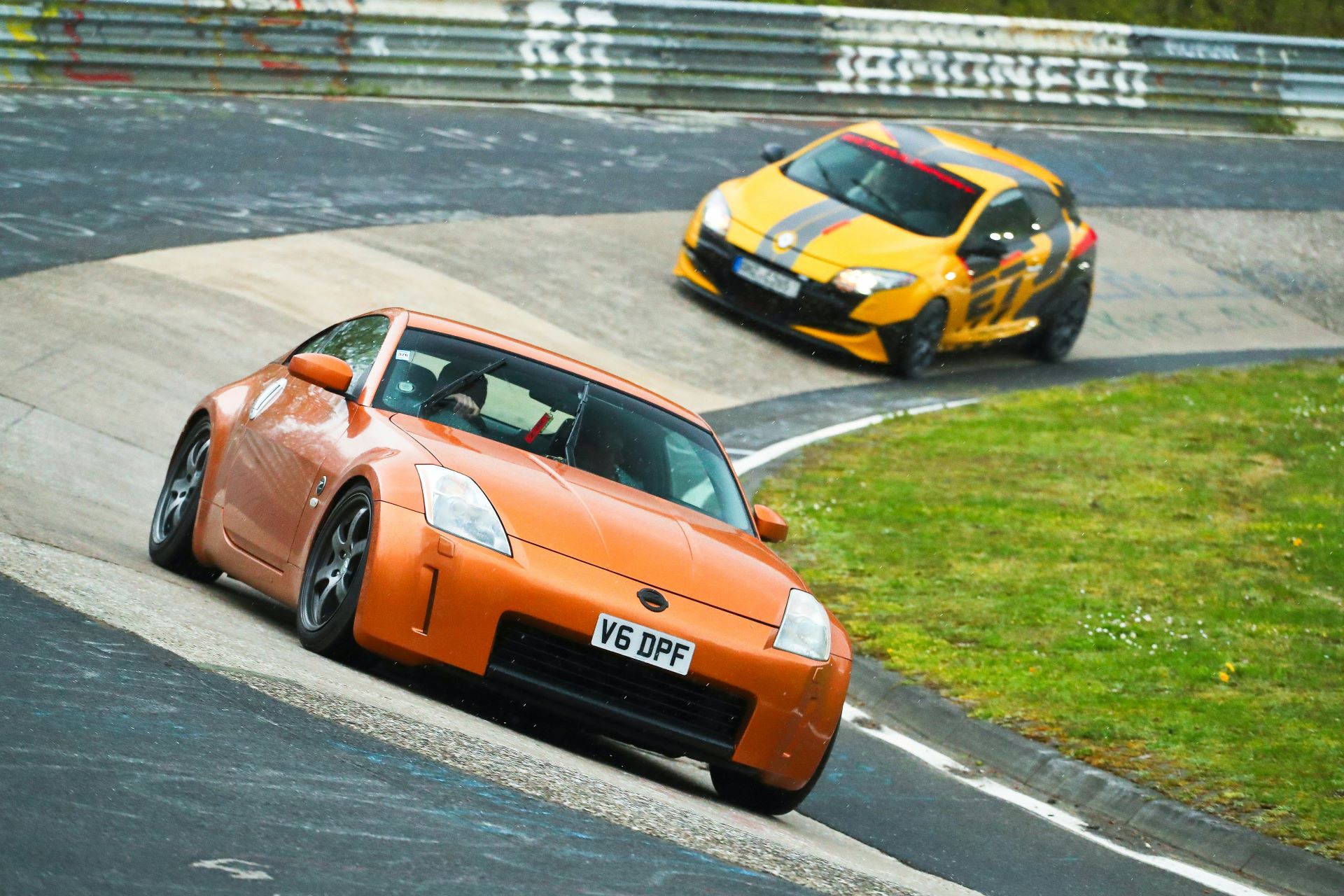
Automotive tie-ins with motorsport are often straightforward in their execution. Sponsorship of teams, showcasing engineering prowess, or highlighting technology transfer from track to road is a proven formula. The challenge lies in integrating rugby without diluting the brandÔÇÖs performance credentials. The key is authenticity. A brand can support national rugby initiatives, engage in community-driven sponsorships, or design rugby-themed experiential marketing campaigns without undermining its technical credibility. For instance, hosting a rugby-themed track day where fans experience a carÔÇÖs capabilities in a controlled yet adrenaline-filled environment merges the two worlds seamlessly. Fans leave with a tangible connection to both the sport and the product, reinforcing loyalty and driving emotional attachment.
In South Africa, the timing of automotive campaigns can also leverage the seasonality of both sports. Motorsport events often coincide with rugby tours or domestic competitions, creating periods where brand messaging can achieve maximum impact. Limited-edition vehicles, branded content, or experiential activations timed around these events can amplify visibility and engagement. An example might be a manufacturer releasing a rugby-inspired special edition of an SUV during the Currie Cup season, promoting not only the vehicleÔÇÖs ruggedness and performance but also its alignment with national sporting culture. Such activations signal to consumers that the brand is not only attuned to performance but also connected to what South Africans hold dearÔÇösporting excellence and national pride.
Furthermore, digital media offers an evolving canvas for these tie-ins. Social platforms enable brands to deliver highly targeted content that intertwines motorsport statistics, player stories, behind-the-scenes rugby footage, and interactive fan experiences. Automotive marketers can leverage gamification, augmented reality, and immersive storytelling to create campaigns that feel personal and culturally relevant. For instance, a VR experience could allow fans to drive a branded car around a virtual racetrack, followed by a simulated rugby match where teamwork and strategy determine success. This multi-layered engagement reinforces both performance and passion, creating an integrated marketing experience that mirrors the values of the sports themselves.
The symbiotic relationship between motorsport and rugby also extends to experiential retail. Dealerships can host viewing parties during major rugby matches while simultaneously demonstrating vehiclesÔÇÖ performance capabilities. Test drives could be gamified to emulate elements of racing or strategy from rugby, providing consumers with a visceral understanding of both the carÔÇÖs technical prowess and its alignment with national sporting culture. These experiences cultivate an emotional connection that transcends traditional advertising, positioning the vehicle as not just a product but an enabler of memorable moments and shared experiences.
The fusion of motorsport and rugby in automotive marketing is about more than visibilityÔÇöit is about cultural resonance. It demands an understanding of what drives fan loyalty, how national identity shapes consumer behavior, and how a brandÔÇÖs values can authentically intersect with sport. Brands that master this synthesis can establish deep-rooted connections, demonstrating performance, reliability, and sophistication while tapping into the unifying spirit of sport. In a market as diverse and passionate as South Africa, this approach offers the potential to transform consumers from passive observers into engaged advocates, linking the thrill of the track with the pride of the pitch, and the excitement of driving with the joy of collective celebration.
Strategic Brand Partnerships and Experiential Activations
The interplay between motorsport and rugby opens doors for automotive brands to craft partnerships that are as strategic as they are emotionally resonant. In South Africa, where both sports boast deeply loyal followings, aligning a brand with the right teams, leagues, or events is crucial for establishing authenticity. ItÔÇÖs not enough to simply plaster logos across jerseys or race cars; modern consumers expect brands to engage meaningfully, enhancing the fan experience while reinforcing the vehicleÔÇÖs core values of performance, reliability, and design excellence.
Strategic partnerships begin with an understanding of audience demographics and psychographics. Motorsport enthusiasts often overlap with consumers who value precision engineering, technical innovation, and exclusivity. They are attentive to the details of performance metrics, drivetrain sophistication, and the lineage of automotive design. Rugby audiences, while more diverse, share an equally passionate connection to loyalty, national pride, and community. The intersection of these two fan bases represents a unique segmentÔÇöconsumers who appreciate both technical excellence and the emotional highs of collective sporting experience. Brands that recognize this overlap can tailor campaigns that speak directly to this dual passion, cultivating a sense of belonging and shared identity.
Experiential activations offer one of the most effective ways to translate these partnerships into tangible consumer engagement. Motorsport-themed experiencesÔÇötrack days, racing simulators, and vehicle test drivesÔÇöallow enthusiasts to feel the thrill of speed while demonstrating the precision and handling capabilities of a brandÔÇÖs offerings. When combined with rugby-inspired elements, such as team challenges, fan meet-and-greets, or game-day activations, these experiences acquire a multidimensional appeal. Imagine a test drive event that begins with an interactive, simulated race and concludes with a mini rugby tournament, complete with branded gear and team coaching. Such activations do more than showcase vehiclesÔÇöthey create memories, strengthen brand association, and bridge the gap between technical performance and cultural engagement.
Automotive marketers are increasingly leaning into collaborative storytelling as part of these activations. Content that captures the synergy between sports and vehiclesÔÇöhighlight reels of a driverÔÇÖs precision juxtaposed with a rugby teamÔÇÖs strategic play, behind-the-scenes engineering footage paired with locker-room camaraderieÔÇöcan be distributed across digital channels to extend the activationÔÇÖs reach. This approach positions the brand not just as a sponsor, but as a participant in the sports ecosystem, enriching the fan experience. Social media amplifies this effect, enabling live updates, interactive polls, and augmented reality filters that allow fans to engage with the brand in immersive and personal ways.
Co-branded initiatives provide another avenue for automotive tie-ins. Special-edition vehicles celebrating rugby milestones or motorsport victories can resonate deeply with fans, particularly when design elementsÔÇösuch as livery, interior accents, or limited-edition featuresÔÇöreflect the teamÔÇÖs colors, logo, or ethos. These vehicles serve as both collectible items and functional machines, merging the emotional connection of fandom with the practical appeal of automotive excellence. From a marketing standpoint, limited availability drives urgency and desirability, while also reinforcing the brandÔÇÖs association with high-performance culture.
Community engagement is equally critical. Both motorsport and rugby thrive on grassroots support, and brands that invest in local clubs, youth development programs, or fan initiatives can position themselves as partners in the growth of these sports. Sponsoring junior rugby leagues or supporting karting academies creates authenticity, demonstrating that the brand cares about more than visibilityÔÇöit invests in the ecosystem that nurtures talent and fosters passion. These programs also offer valuable experiential touchpoints, from branded equipment and vehicles for club use to educational workshops on vehicle technology and performance. By embedding themselves in the community, brands deepen their cultural relevance and build long-term loyalty among fans who view the partnership as genuine rather than transactional.
Cross-promotional campaigns further enhance this synergy. Automotive brands can integrate motorsport statistics, player profiles, or game-day highlights into marketing content, creating narratives that resonate with both technical and emotional sensibilities. For example, an SUV campaign could highlight the carÔÇÖs endurance capabilities alongside a feature on a rugby teamÔÇÖs journey through a grueling season, drawing parallels between vehicle performance and athletic resilience. Television, print, and digital media can be orchestrated to reflect these dual narratives, ensuring that the messaging reinforces the connection between speed, strategy, and teamwork.
Experiential activations also extend to event hospitality. Premium hospitality suites at racetracks or stadiums provide opportunities for brands to showcase vehicles in context, allowing potential customers to interact with both the sports environment and the automotive product. Test drives on nearby tracks or demonstrations within venue precincts give attendees a hands-on understanding of the vehicleÔÇÖs capabilities. Integrating rugby-themed contentÔÇöinteractive fan zones, player meet-and-greets, or skill challengesÔÇöcreates a multisensory experience that strengthens brand recall. By combining high-octane motorsport thrills with the communal excitement of rugby, brands can craft activations that appeal to multiple senses and multiple layers of fan loyalty.
Data-driven marketing plays an increasingly important role in these campaigns. Understanding which fan segments are most engaged with motorsport versus rugby, and tailoring messaging accordingly, ensures that activations are both efficient and impactful. Digital engagement metrics, combined with ticketing and event attendance data, allow brands to refine their strategies in real time. For instance, targeted communications can promote test drives or limited-edition vehicles to fans who have shown interest in specific teams or race events, creating a highly personalized experience that strengthens the emotional connection between the consumer and the brand.
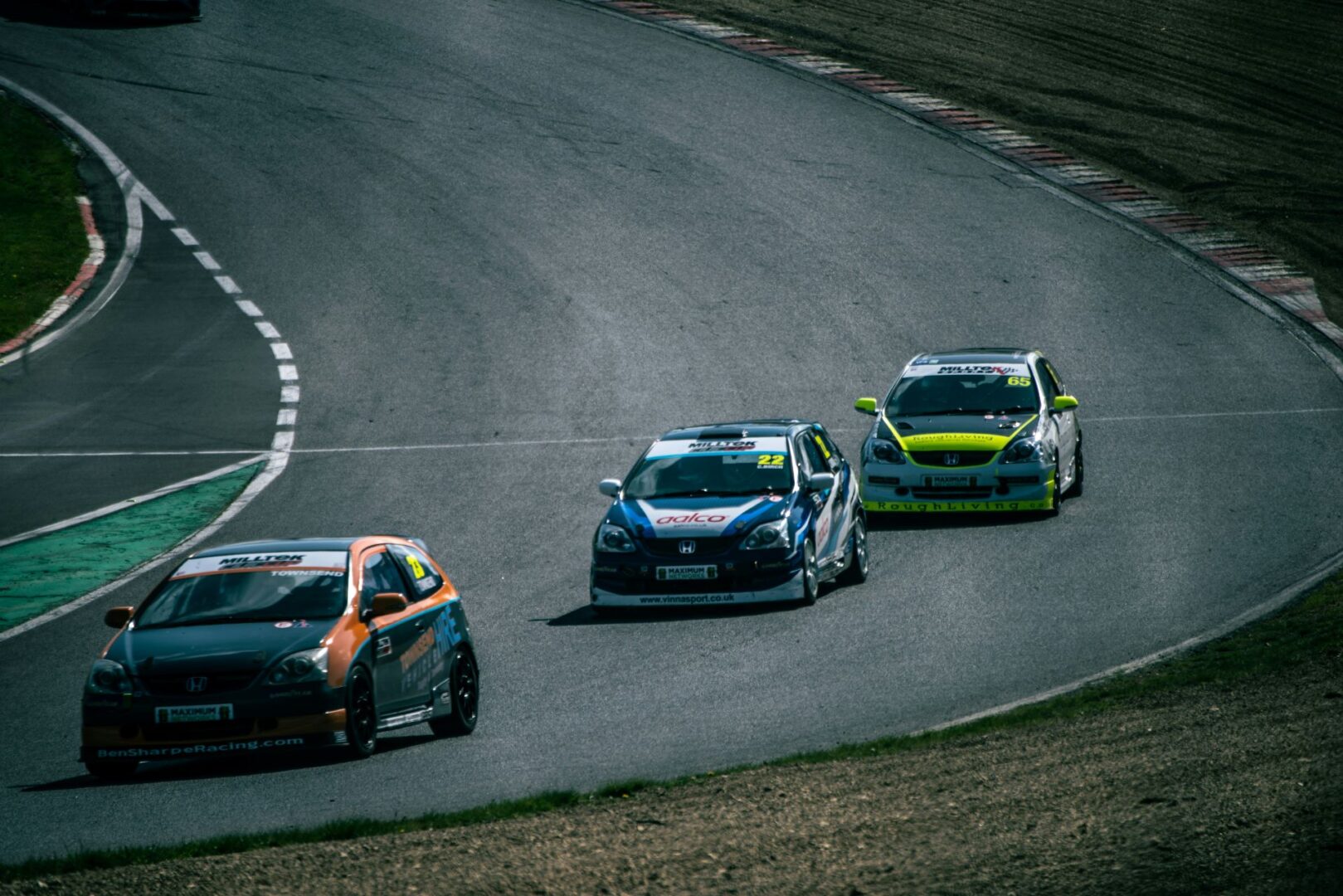
Finally, storytelling remains at the heart of successful brand partnerships. Motorsports and rugby share narratives of perseverance, teamwork, innovation, and triumph against the odds. Automotive brands can mirror these narratives in their marketing, showcasing vehicles as enablers of achievement and adventure. Whether itÔÇÖs highlighting engineering breakthroughs, celebrating team victories, or demonstrating reliability under extreme conditions, these stories resonate deeply with South African audiences. By crafting a consistent and culturally relevant narrative that spans both sports, brands reinforce their position not just as automotive leaders but as active participants in the passions that define national identity.
Strategic partnerships and experiential activations are the linchpins of effective automotive marketing that bridges motorsport and rugby. By aligning with the right teams, crafting immersive experiences, leveraging co-branded initiatives, and embedding themselves in the community, brands can create campaigns that are authentic, engaging, and emotionally resonant. The fusion of high-performance engineering and national sporting pride allows automotive marketers to transcend traditional advertising, building lasting relationships with consumers who see the brand not only as a producer of vehicles but as a supporter of the passions that unite them. In South Africa, where both motorsport and rugby occupy revered cultural spaces, this dual approach offers an unparalleled opportunity to create loyalty, excitement, and meaningful brand engagement.
Cross-Media Campaigns and Storytelling: Integrating Automotive with National Sporting Narratives
In an era where consumers are bombarded with content, automotive brands must do more than advertiseÔÇöthey must tell stories that resonate, inspire, and linger. Motorsport and rugby, with their rich narratives of skill, perseverance, and teamwork, provide fertile ground for cross-media storytelling that engages audiences on multiple levels. South African fans, deeply invested in both arenas, respond to campaigns that reflect the drama of the track and the triumph of the pitch, particularly when the brand demonstrates an authentic connection to these national passions.
Cross-media campaigns allow automotive brands to craft multi-layered narratives that traverse television, print, social media, out-of-home advertising, and digital platforms. Motorsport provides immediate visual dramaÔÇöspeeding cars, pit stop precision, and adrenaline-fuelled overtakesÔÇöwhile rugby delivers a human story, steeped in emotion, strategy, and national pride. By integrating these two, brands can appeal to both the rational and emotional dimensions of consumer engagement. A television spot might show a precision-engineered vehicle tackling challenging terrain, juxtaposed with a rugby team executing a perfect play, creating an immediate visual metaphor for performance, reliability, and teamwork. Simultaneously, digital platforms can deepen engagement through behind-the-scenes content, interactive experiences, and social storytelling that allows fans to explore both worlds at their own pace.
Social media, in particular, provides a platform for automotive brands to blur the lines between motorsport and rugby storytelling. Instagram reels and TikTok videos allow for short-form narratives that highlight key momentsÔÇöan engine revving in unison with a crowd cheering a match-winning try, or a slow-motion pit stop echoing the precision of a well-timed pass. These micro-narratives are highly shareable, creating organic engagement while reinforcing brand identity. Automotive marketers can harness these channels to showcase their vehicles as more than machines; they become storytellers in their own right, enabling experiences that mirror the excitement, tension, and triumph inherent in motorsport and rugby.
The use of influencers and athlete partnerships further amplifies these narratives. Motorsport drivers, rugby stars, and even coaches can act as brand ambassadors, lending credibility and relatability. When a high-performance driver demonstrates a vehicleÔÇÖs handling or a rugby captain shares a behind-the-scenes glimpse of match preparation, the content feels authentic and aspirational simultaneously. By carefully selecting personalities who embody both the technical and emotional attributes of the brand, automotive marketers can ensure that storytelling is both compelling and aligned with consumer values. This approach also opens opportunities for co-created content, where fans can see the vehicle in action alongside their sporting heroes, reinforcing emotional connections and fostering a sense of inclusion in the broader narrative.
Print and outdoor media remain critical components of cross-media campaigns, particularly in reinforcing presence and driving awareness. High-impact imageryÔÇörace cars in motion, rugby players mid-tackle, or vehicles navigating challenging terrainÔÇöcan convey performance, toughness, and reliability at a glance. Billboards and magazine spreads can celebrate achievements, from race victories to championship wins, tying these moments to the vehicle in a way that reinforces brand prestige. Strategic placement near stadiums, racetracks, and fan zones ensures that the messaging reaches audiences at moments of peak emotional engagement, heightening recall and brand affinity.
Integrated content strategies allow brands to build continuity across platforms, creating a cohesive narrative that resonates regardless of where the consumer engages. For instance, a campaign might begin with teaser videos on social media, build anticipation through experiential activations, and culminate in a broadcast television feature highlighting a co-branded special edition vehicle tied to a rugby championship or motorsport milestone. Email campaigns, in-app notifications, and retargeted digital ads can sustain engagement by offering exclusive content, early access, or interactive experiences, ensuring that the audience remains connected to the brand across multiple touchpoints.
Storytelling rooted in national sporting narratives also allows for emotional layering that enhances brand resonance. Motorsport evokes admiration for technical mastery, risk management, and precision, while rugby embodies loyalty, resilience, and collective triumph. A well-crafted campaign can draw parallels between these qualities and a vehicleÔÇÖs performance attributesÔÇöendurance, safety, handling, and versatility. By framing vehicles as enablers of adventure and achievement, brands tap into a powerful emotional lexicon that elevates marketing beyond transactional messaging. For example, a narrative might juxtapose a high-performance vehicle navigating a winding mountain pass with a rugby team executing a complex play, emphasizing strategy, control, and teamwork. Such storytelling aligns the brand with aspirational ideals, creating a compelling association that extends beyond product specifications.
Digital storytelling also allows for interactive and participatory elements that deepen engagement. Fans can vote on design features for limited-edition vehicles, participate in augmented reality experiences, or compete in virtual driving or rugby challenges that mirror real-world competitions. These experiences foster a sense of co-creation, allowing consumers to feel invested in the brandÔÇÖs journey and reinforcing the emotional bond between sports, vehicle, and personal identity. Additionally, gamified experiences can mirror the excitement of motorsport or the strategic elements of rugby, offering hands-on demonstrations of a vehicleÔÇÖs capabilities in a controlled but thrilling environment.
Content localization is another critical consideration. South African consumers respond strongly to campaigns that reflect their unique sporting culture, language, and regional identity. Highlighting local motorsport heroes, rugby legends, or community initiatives enhances authenticity, positioning the brand as a partner in national pride rather than an external observer. Narratives that incorporate iconic stadiums, tracks, or match moments create instant recognition and reinforce the cultural relevance of the campaign. When paired with experiential activations, digital storytelling, and cross-media amplification, these localized narratives create a holistic marketing approach that resonates on multiple levels.
Measuring the impact of cross-media campaigns ensures that storytelling remains effective and relevant. Automotive brands can track engagement metrics across digital and social platforms, monitor attendance and participation in experiential activations, and evaluate shifts in brand perception through surveys or sentiment analysis. Insights gained from these metrics inform future campaigns, allowing brands to refine messaging, optimize media placement, and continue integrating motorsport and rugby narratives in ways that resonate most deeply with South African consumers.
Cross-media storytelling enables automotive brands to bridge the worlds of motorsport and rugby with creativity, authenticity, and precision. By crafting narratives that highlight performance, teamwork, and national pride across multiple channels, brands can engage fans in meaningful ways that transcend traditional advertising. Vehicles become more than transportationÔÇöthey become symbols of shared passion, technical excellence, and cultural identity. In a market where both motorsport and rugby occupy cherished spaces in the national consciousness, integrated campaigns that harmonize speed, strategy, and emotion have the potential to elevate brand perception, drive engagement, and foster lasting loyalty.
Leveraging Sponsorships and Event Marketing to Deepen Brand Connection
Sponsorships and event marketing provide automotive brands with one of the most direct ways to engage audiences through motorsport and rugby. These strategies are uniquely positioned to create immersive experiences, offering consumers not just a view of a vehicle, but a sensory encounter that combines adrenaline, national pride, and emotional resonance. In South Africa, where both sports capture wide and devoted audiences, well-executed sponsorships can transform passive brand awareness into active participation, strengthening loyalty while positioning vehicles as part of the nationÔÇÖs cultural narrative.
Motorsport sponsorships often highlight the technical sophistication of vehicles. Brands may partner with racing teams, endurance events, or even individual drivers to showcase engineering excellence in high-performance contexts. Logos on cars and team apparel provide visibility, but true brand impact comes from demonstrating how vehicle technology translates to real-world performance. Pit lane activations, behind-the-scenes garage tours, and driver Q&A sessions offer consumers a tangible connection to the brandÔÇÖs expertise. By allowing fans to witness the precision, durability, and innovation that go into every vehicle, automotive marketers position their products not merely as transport but as machines built for enthusiasts who value excellence.
Rugby sponsorships, in contrast, emphasize human connection, community, and cultural identity. Partnering with professional clubs, national teams, or grassroots programs allows brands to associate themselves with the emotional highs of the sportÔÇövictories, team spirit, and iconic stadium moments. Brand messaging can be integrated into ticketing promotions, match-day activations, and fan engagement programs, ensuring that vehicles are perceived as enablers of memorable experiences rather than isolated commodities. A car becomes part of the journey to the stadium, a means to celebrate victories with friends, or a symbol of loyalty to a teamÔÇöa narrative that resonates far more deeply than technical specifications alone.
Event marketing, whether on racetracks or rugby pitches, offers a platform to merge these two approaches. Automotive brands can create multi-layered experiences that blend speed, excitement, and national pride. For example, a fan zone at a major rugby event could include a dynamic display of high-performance vehicles, interactive driving simulators, or mini-track experiences, allowing attendees to feel the thrill of the road in parallel with the energy of the game. Similarly, motorsport events can be enhanced with rugby-themed activationsÔÇöteam meet-and-greets, skill challenges, or social media contestsÔÇöbridging audiences and creating a multi-sensory experience that reinforces brand relevance across fan bases.
Hospitality activations play a critical role in sponsorship and event strategies. Premium suites, VIP experiences, and exclusive meet-and-greets provide not only visibility but also prestige. Potential customers, partners, and influencers experience vehicles in context, testing performance and luxury while enjoying the excitement of live sport. These activations allow for a subtle yet powerful messaging opportunity: the vehicle is not only a product but an integral part of lifestyle, performance, and cultural identity. When aligned with motorsport precision and rugby camaraderie, such experiences create a narrative where technical performance and national pride converge seamlessly.
Digital extensions of sponsorships and event marketing amplify impact beyond the physical venue. Live streaming, social media takeovers, and interactive campaigns allow fans unable to attend in person to engage with branded content. A motorsport sponsor might host a live Q&A with a driver or offer behind-the-scenes insights from a race, while a rugby partner could stream warm-up sessions, highlight reels, and interactive polls. Integrating these experiences with automotive branding ensures that the consumer journey is continuous and immersive, fostering ongoing engagement that extends the eventÔÇÖs lifespan and strengthens brand recall.
Community-focused initiatives are a cornerstone of effective sponsorship and event marketing. In motorsport, this could involve supporting youth driving programs, karting academies, or STEM education initiatives linked to automotive engineering. Rugby sponsorships can include youth development programs, local club support, and training camps. These initiatives build authenticity and trust, signaling that the brand invests not only in visibility but in the growth and sustainability of the sports themselves. For consumers, this translates to a perception of social responsibility and shared values, reinforcing the emotional connection to the brand beyond product features.
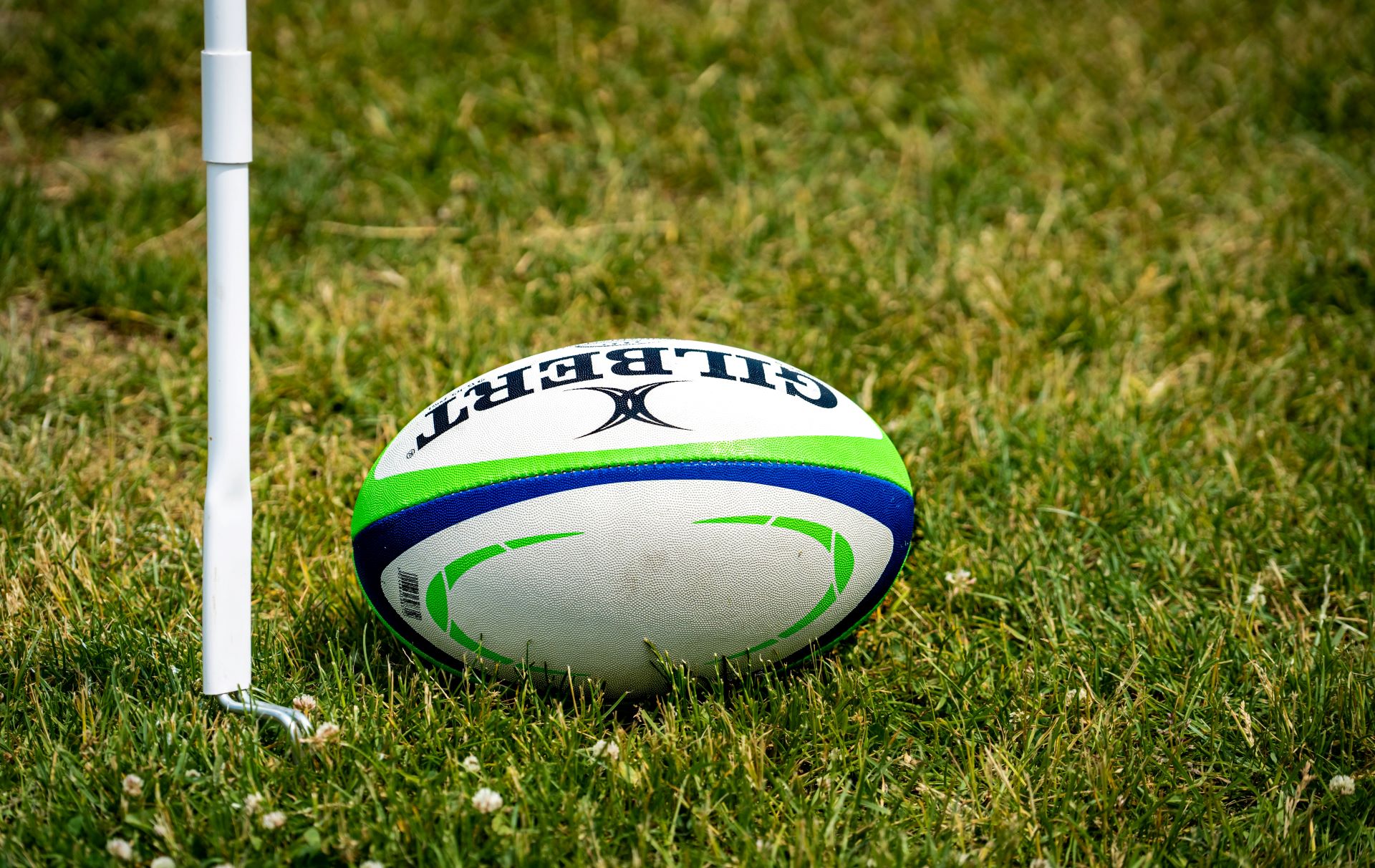
Limited-edition collaborations are another powerful tool in sponsorship-driven marketing. Automotive brands can release vehicles inspired by teams, races, or milestone achievements, creating tangible products that celebrate both performance and cultural significance. A rugby-themed SUV might feature subtle nods to team colors, emblematic stitching, or commemorative badges, while a motorsport collaboration could highlight engineering innovations derived from track-tested technology. These vehicles act as both aspirational objects and practical tools, embodying the fusion of technical excellence and national pride that underpins the campaign. Scarcity, storytelling, and contextual relevance combine to make these editions highly desirable and memorable.
Experiential storytelling within events further deepens brand connection. Fans remember not only what they see but how they feelÔÇöthe roar of an engine, the tension of a last-minute try, the exhilaration of a test drive. Automotive brands can leverage these moments to craft immersive narratives that link vehicles with emotional highs. Consider an event where attendees participate in timed driving challenges that echo motorsport precision, then engage in rugby-inspired strategy games that reward teamwork and skill. Each activity reinforces the vehicleÔÇÖs performance characteristics while embedding it in a cultural context fans already value, creating a holistic experience that blends adrenaline with loyalty.
Sponsorships also benefit from strategic timing. Aligning brand campaigns with high-profile eventsÔÇöinternational rugby tests, championship finals, or major motorsport competitionsÔÇömaximizes visibility when fan engagement is at its peak. Limited-time promotions, on-site activations, and social media campaigns synchronized with these events can generate urgency and excitement, driving both foot traffic to dealerships and digital engagement. By understanding the calendar of motorsport and rugby, automotive marketers can strategically plan activations that capitalize on heightened national attention and emotional investment.
Evaluating the effectiveness of sponsorships and event marketing ensures ongoing relevance and ROI. Metrics such as attendance, social engagement, media coverage, and post-event sales offer insights into campaign performance. Surveys and sentiment analysis can assess emotional resonance, brand perception, and fan loyalty. These insights inform future activations, allowing brands to refine their approach, deepen cultural integration, and sustain engagement over multiple seasons. In essence, successful sponsorships and events transform vehicles from products into symbolsÔÇösymbols of speed, precision, pride, and shared experience.
In South Africa, where motorsport and rugby are not just sports but cultural institutions, sponsorships and event marketing allow automotive brands to embed themselves in narratives that matter. When executed with authenticity, creativity, and strategic insight, these activations cultivate loyalty, elevate brand perception, and generate a lasting emotional connection. Vehicles become more than machines; they become participants in the national passion, enabling fans to live the thrill of the track and the triumph of the pitch, both on and off the road.
Breyten Odendaal
Specializing in high-performance automotive advertising and digital marketing solutions, delivering cutting-edge insights and the latest news shaping the automotive industry in South Africa.
More From Advertising

Automotive Advertising in 2026: Selling Confidence in a More Competitive Market
As South Africa’s vehicle market becomes more competitive, automotive advertising needs to do more than announce a price or specification. It needs to help buyers understand value, ownership costs and why a vehicle suits their lives.

Automotive Digital Ads in South Africa: A Shift
Exploring how South Africa’s automotive advertising evolved from print and broadcast to data-driven, programmatic digital ecosystems.

The Video Shift in Car Buying Decisions in SA
Explore how video content shapes car purchase decisions in South Africa, comparing short-form and long-form strategies for automotive marketers.